Schwangerschaftsdiabetes - wie sind die Aussichten?
Begutachtet von Dr Krishna Vakharia, MRCGPVerfasst von Gillian HarveyUrsprünglich veröffentlicht 12 Aug 2022
Erfüllt die redaktionelle Richtlinien
- HerunterladenHerunterladen
- Teilen
- Language
- Diskussion
- Audio-Version
- Zu bevorzugten Quellen bei Google hinzufügen
.
Melden Sie sich für unseren kostenlosen 8-wöchigen Kurs zur gesunden Schwangerschaft an!
Jede Woche teilen wir nützliche Informationen und wichtige Tipps zu Themen wie Ernährung, Bewegung, psychische Gesundheit, Symptome, auf die Sie achten sollten, und Vorbereitung auf die Geburt, um Ihnen zu helfen, Ihre Schwangerschaftsreise in jeder Phase zu meistern.
Durch das Abonnieren akzeptieren Sie unsere Datenschutzrichtlinie. Sie können sich jederzeit abmelden. Wir verkaufen Ihre Daten niemals.
How common is gestational diabetes?
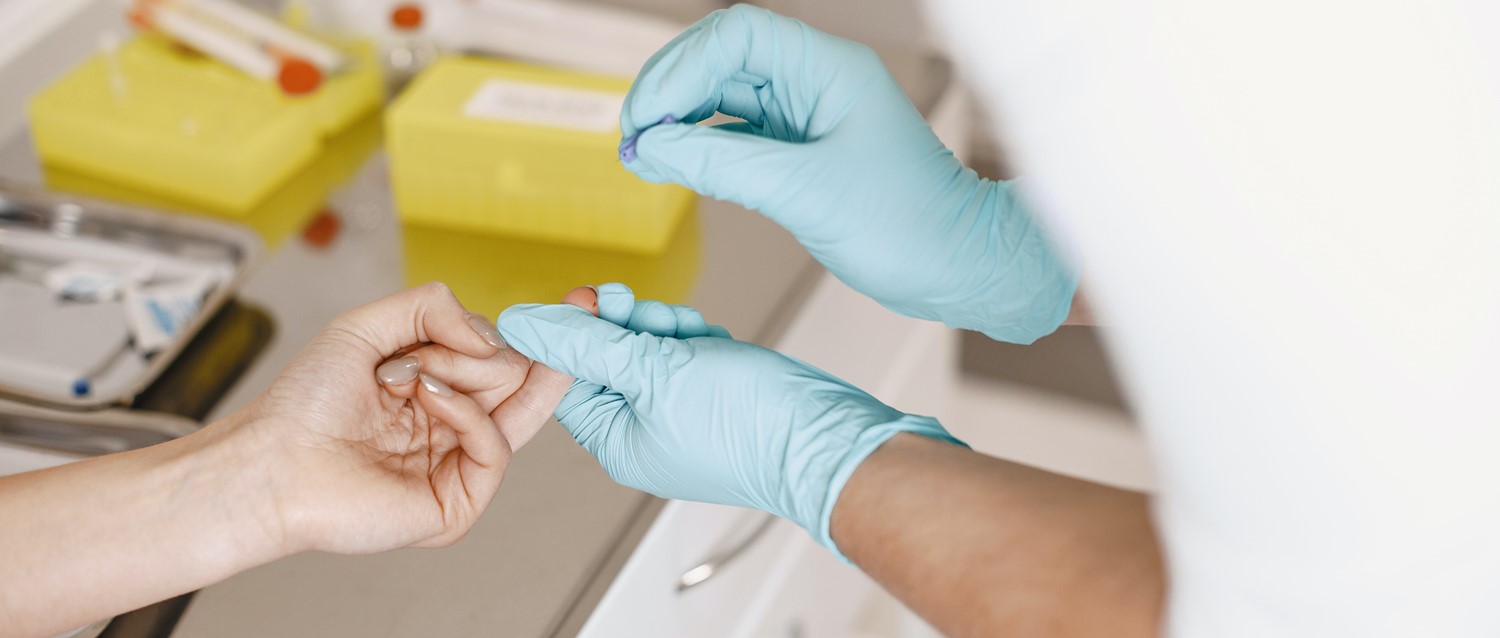
Schwangerschaftsdiabetes affects about 4-5% of pregnancies in the UK, according to Diabetes UK. All pregnant women are screened for risk factors for gestational diabetes at 8-12 weeks of gestation when they are booked in for their pregnancy. If they have more than one risk factor, they are offered an oral glucose tolerance test around 24-28 weeks of gestation. They will be offered a test earlier if they have previously had gestational diabetes and a further one at 24-28 weeks if that first test is normal.
The risk factors of gestational diabetes
Your body mass index (BMI) is above 30.
You previously had a baby who weighed 4.5 kg (10 lb) or more at birth.
You had gestational diabetes in a previous pregnancy.
One of your parents or siblings has diabetes.
You are of South Asian, Black, African-Caribbean, or Middle Eastern origin (even if you were born in the UK).
"The test usually involves a series of blood tests. The first is after a 12-hour (overnight) fast, after which a glucose drink is taken. Blood levels are then measured after two hours to see how your body manages that sugar load," explains Dr Sophie Relph, spokesperson for the Königliches Kollegium der Geburtshelfer und Gynäkologen.
What causes gestational diabetes?
As type 2 diabetes can be triggered by lifestyle factors, it's natural to wonder whether gestational diabetes could have been caused by eating too much in pregnancy. However, gestational diabetes is not thought to be related to excess food or drink intake during pregnancy, although gestational diabetes may be more common in those who are overweight when they become pregnant.
"If you usually have a diet that is high in sugar and fat or are overweight, then this might increase your risk of having diabetes in pregnancy," says Relph. "However, gestational diabetes is not something that can be triggered by eating too much during pregnancy. That being said, if you are able to lose excess weight before becoming pregnant it will reduce your chance of developing the condition."
How is gestational diabetes treated?
Gestational diabetes is often controlled through changes to the diet, to keep blood sugars within a healthy range.
"We always try to control it with diet in the first instance," says Relph. "If you are diagnosed, you will usually be offered a meeting with a specialist midwife and dietician who will advise you. We usually ask women to measure their blood sugar at home over a two-week period to see what happens."
If diet alone fails to keep blood sugar levels within healthy limits, there are additional treatment options for gestational diabetes.
"Metformin tablets can be used to sensitise the body to its own natural insulin, which helps it to store glucose and prevents high sugar levels in the blood," says Relph. "For many this treatment alone will be sufficient, although in some, additional treatment with injections of insulin may be required."
What are the risks of having gestational diabetes?
The main risk of gestational diabetes occurs when the condition isn't controlled effectively, meaning blood sugars remain high.
"If blood sugars are frequently too high, the baby will receive too much sugar. This might cause them to grow too large - unhealthily so," says Relph.
How does gestational diabetes affect the baby?
"Increased fetal size leads to an increase in the chances of a woman requiring a c-section, or the risk of shoulder dystocia (where the shoulder gets stuck coming down the birth canal) during a natural birth. This is due to the fact that the baby's head will remain a normal size, but they may carry a lot of weight around their torso."
"While shoulder dystocia can usually be resolved quickly, sometimes babies may get stuck, causing fracture or even brain injury." There's also a raised risk of stillbirth for mothers who have gestational diabetes, but this is again usually due to uncontrolled diabetes and is very rare. Other risks include a sugar drop for the baby once born, which may need to be monitored and rectified.
How can I reduce the risk of complications from gestational diabetes?
By following dietary guidelines and if needed, taking any medications that have been prescribed, most women with gestational diabetes should be able to control their blood sugar, avoiding dangerous highs and further complications.
"If sugar is controlled, the risks are significantly reduced," agrees Relph. "If you have been diagnosed with gestational diabetes and are struggling to control your sugar levels, it's important to seek urgent advice from a midwife or doctor."
Gestational diabetes - longer-term
For most women, gestational diabetes resolves after the baby has been born, with blood sugars returning to pre-pregnancy levels. However, those who have developed gestational diabetes during pregnancy may find themselves more susceptible to diabetes in later life or in future pregnancies and should continue to monitor their health.
"Normally the majority of women find their sugars go back to normal almost immediately after the baby is born," says Relph. "However, we usually recommend a test about three months after the birth, with their GP to assess whether or not they have the early signs of diabetes, such as glucose intolerance, or whether they have developed the condition.
"Having gestational diabetes in pregnancy reveals the fact that you have a predisposition to becoming diabetic. You should repeat the test on an annual basis for life," she recommends.
Although a diagnosis of gestational diabetes may feel alarming, controlling your blood sugars carefully and following medical advice will significantly reduce any associated risks.
Patientenauswahl für Komplikationen

Schwangerschaft
Wie man mit Leisten- und Beckenschmerzen in der Schwangerschaft umgeht
Schmerzen und Beschwerden in der Schwangerschaft sind normal. Schließlich wächst ein Baby heran – und der Prozess kann Ihren Körper beanspruchen. Schmerzen im Beckenbereich können besonders unangenehm sein und einfache Aufgaben wie Treppensteigen erschweren. Aber was verursacht Schmerzen im Leisten- und Beckenbereich während der Schwangerschaft – und was können Sie dagegen tun?
von Lydia Smith

Schwangerschaft
Was verursacht Schwindel in der Schwangerschaft?
Alle körperlichen, hormonellen und emotionalen Veränderungen, die während der Schwangerschaft auftreten, zu bewältigen, kann schwierig sein - und es ist nicht immer ein reibungsloser Ablauf. Während Ihr Baby wächst und sich Ihr Körper anpasst, ist es üblich, sich schwach, unsicher oder schwindelig zu fühlen. Aber warum kann eine Schwangerschaft Schwindel verursachen, was können Sie dagegen tun und wann sollten Sie medizinische Hilfe in Anspruch nehmen?
von Lydia Smith
Über den AutorVollständige Biografie anzeigen
Verfasst von

Gillian Harvey
Freiberufliche Autorin
BA (Hons) Englisch
Gillian ist freiberufliche Autorin und Kolumnistin für verschiedene nationale Zeitungen und Zeitschriften.
Über den RezensentenVollständige Biografie anzeigen

Dr Krishna Vakharia, MRCGP
Chief Medical Officer für Gesundheit, Optum UK
MBChB, MRCGP(2013), BMedSci (hons), DFSRH, DRCOG, PGDipDerm (Distn)
Dr. Krishna Vakharia ist eine NHS-Hausärztin. Sie ist auch regelmäßige Prüferin für das postgraduale Diplom in Praktischer Dermatologie an der Cardiff University und zudem Chief Medical Officer für Gesundheit bei Optum UK.
Artikelverlauf
Artikel auch verfügbar in Englisch, Deutsch, Spanisch, Französisch, Italienisch, Portugiesisch, Hindi, Hebräisch, Arabisch, und Schwedisch.
12 Aug 2022 | Ursprünglich veröffentlicht
Verfasst von:
Gillian HarveyBegutachtet von
Dr Krishna Vakharia, MRCGP
Nehmen Sie an der Diskussion teil
Teilen Sie Ihre Gedanken oder Erfahrungen mit anderen in unserem Patientengemeinschaften.

Fragen, teilen, verbinden.
Durchsuchen Sie Diskussionen, stellen Sie Fragen und teilen Sie Erfahrungen zu Hunderten von Gesundheitsthemen.

Fühlen Sie sich unwohl?
Bewerten Sie Ihre Symptome online kostenlos
Abonnieren Sie den Patienten-Newsletter
Ihre wöchentliche Dosis klarer, vertrauenswürdiger Gesundheitsberatung - geschrieben, um Ihnen zu helfen, sich informiert, selbstbewusst und in Kontrolle zu fühlen.
Durch das Abonnieren akzeptieren Sie unsere Datenschutzrichtlinie. Sie können sich jederzeit abmelden. Wir verkaufen Ihre Daten niemals.