Welt-AIDS-Tag: Wo stehen wir jetzt mit HIV?
Begutachtet von Dr Krishna Vakharia, MRCGPVerfasst von Lydia SmithUrsprünglich veröffentlicht 2 Dec 2022
Erfüllt die redaktionelle Richtlinien
- HerunterladenHerunterladen
- Teilen
- Language
- Diskussion
- Ask Patient
- Audio-Version
- Zu bevorzugten Quellen bei Google hinzufügen
Medizinische Fortschritte haben unser Verständnis von HIV seit den frühen Tagen der Epidemie in den 1980er Jahren grundlegend verändert. Heute können Menschen mit HIV ein langes und gesundes Leben führen, dank neuer Entwicklungen in Prävention und Behandlung. Was wissen wir also über HIV – und was sind die neuesten Entwicklungen?
Explore PrEP for HIV prevention
Erhalten Sie fachkundige medizinische Beratung bequem von zu Hause aus. Füllen Sie eine kurze Online-Konsultation aus, die rund um die Uhr verfügbar ist. Ihre Anfrage wird von einer in Großbritannien registrierten medizinischen Fachkraft geprüft. Für ausgewählte Behandlungen ist eine Lieferung am nächsten Tag möglich.

HIV statistics and data
According to the World Health Organization, there are 38.4 million people living with HIV around the world. Additionally, 1.5 million acquired HIV and 650,000 people died of HIV-related causes in 2021. Currently, Africa has the highest number of HIV cases1.
Despite advancements in treatments, HIV continues to be a major public health issue. It has claimed more than 40 million lives since the start of the epidemic. However, with increasing access to HIV prevention, diagnosis and treatment, it has become a manageable chronic - long-term - health condition.
Focus on HIV prevention
Although there are often big news stories about potential cures or vaccines for HIV, it's important to keep focusing on prevention, says Adam Freedman, senior policy and campaigns officer at the National AIDS Trust.
"While we welcome such new developments, and the pursuit for better prevention and treatment must always continue, it’s important to note that we already have the scientific tools we need to end the HIV epidemic," he says. "These are testing, oral PrEP and effective treatment which means that people living with the virus can't pass it on."
PrEP treatment
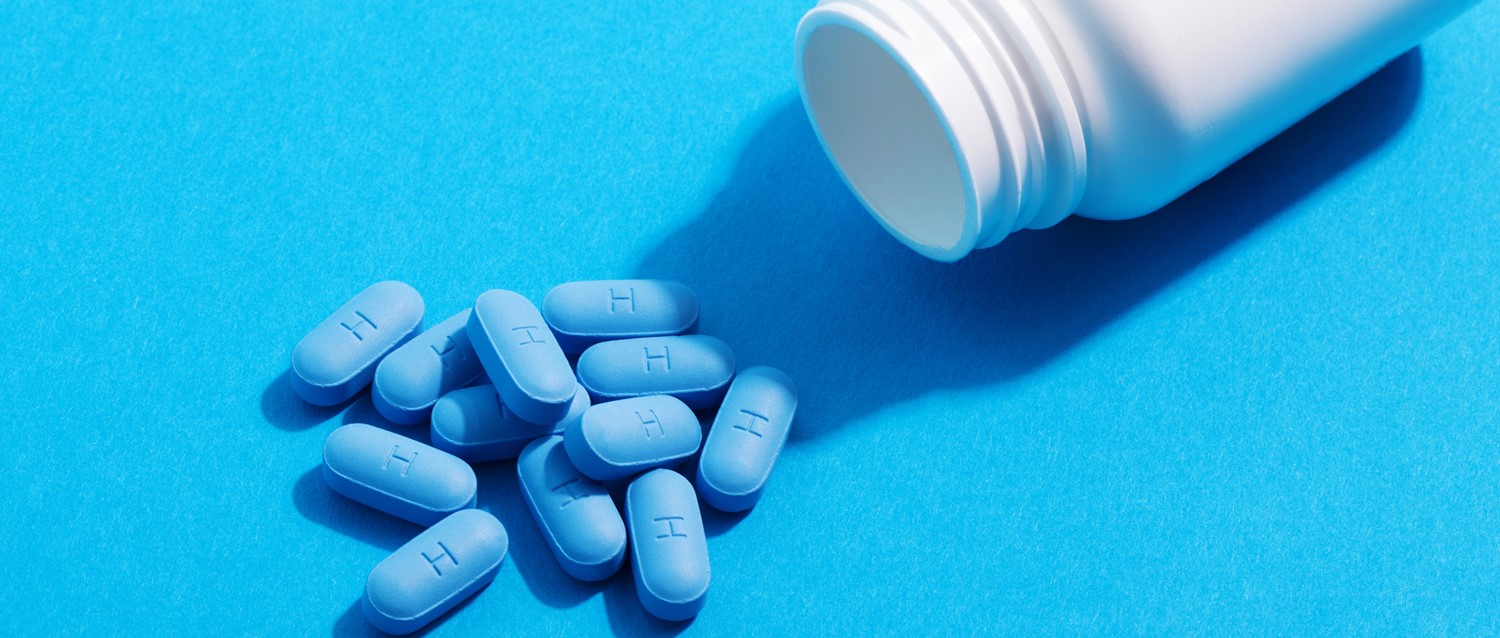
Currently, the drug PrEP - short for pre-exposure prophylaxis - is available for people at risk of contracting HIV. It works by helping the body to produce antibodies which prevent HIV from replicating inside the body. Essentially, the drug stops the virus from crossing into the healthy cells and reproducing. PrEP is usually taken in oral pill form, but it can also be administered by a vaginal ring or injection.
People who are HIV positive go on a lifelong treatment called antiretroviral therapy as soon as possible after being diagnosed. Antiretroviral therapy is a combination of drugs that stop the virus from replicating in the body, allowing the Immunsystem to repair itself.
What is the latest HIV research?
HIV injection
In recent years, one of the most significant developments in HIV medicine has been the introduction of long-acting, injectable treatment for people who are HIV positive. This means that instead of having to take a pill every day, people living with HIV can receive an injection once every two months instead.
"This treatment has recently been approved for use in the UK among some people, though yet to be widely adopted," says Freedman. "It bears repeating that the medication we already have for HIV - antiretroviral therapy - works extraordinarily well. Not only does it prevent transmission, but people living with HIV on effective treatment can now lead as full and healthy lives as anyone."
Search for a HIV cure
For around 40 years, scientists all over the world have been trying to find a cure for HIV. As of yet, there isn't one - but researchers have still made huge steps forward in their search. Earlier this year, a team of Danish researchers from Aarhus University discovered how experimental medicines can boost the body's own ability to suppress the virus, which is an important move towards a cure2.
Researchers at the Universities of California, San Francisco and Davis, are also experimenting with a so-called 'living drug' that could lead to long-term HIV remission without antiretroviral drugs. The first clinical trial participant has been treated with an experimental CAR-T cell therapy, a specialist type of immunotherapy used to treat some cancers3.
HIV vaccine
Another important ongoing avenue of research is the HIV Impfstoff. In theory, people who are HIV positive would get this vaccine to help strengthen their immune system’s response to the virus without the need for antiretroviral treatment. So far, progress has been slow because most traditional vaccines use a dead or weakened form of a virus to trigger the body to create antibodies against it.
However, that hasn't worked with HIV - and a live form of the virus is too dangerous. But researchers may be making progress with a different type of vaccine. The HTI vaccine, which is in the early stages of being trialled, teaches immune cells called T-cells to attack a specific part of the virus that allows it to make copies of itself4.
HIV implant
Researchers are also exploring the possibility of implants - usually used to provide hormones as a contraceptive - to deliver antiretroviral drugs to people with HIV. Implants are in the early stages of clinical development, but they would potentially provide the treatment for a year or longer without the need for daily pills or frequent injections5.
Weiterführende Lektüre
1. World Health Organization: HIV.
3. Cancer Research UK: CAR-T cell therapy.
5. Weld et al: Long-acting implants to treat and prevent HIV infection.
Explore PrEP for HIV prevention
Erhalten Sie fachkundige medizinische Beratung bequem von zu Hause aus. Füllen Sie eine kurze Online-Konsultation aus, die rund um die Uhr verfügbar ist. Ihre Anfrage wird von einer in Großbritannien registrierten medizinischen Fachkraft geprüft. Für ausgewählte Behandlungen ist eine Lieferung am nächsten Tag möglich.
Patientenauswahl für HIV und AIDS
Sexuelle Gesundheit
Wie man mit einer HIV-Diagnose umgeht
Menschen mit HIV können mit der richtigen Behandlung und Unterstützung ein langes, erfülltes und gesundes Leben führen. Eine HIV-Diagnose kann jedoch erhebliche Auswirkungen auf die psychische Gesundheit einer Person haben - teilweise aufgrund von Fehlinformationen und Stigmatisierung.
von Lydia Smith
Sexuelle Gesundheit
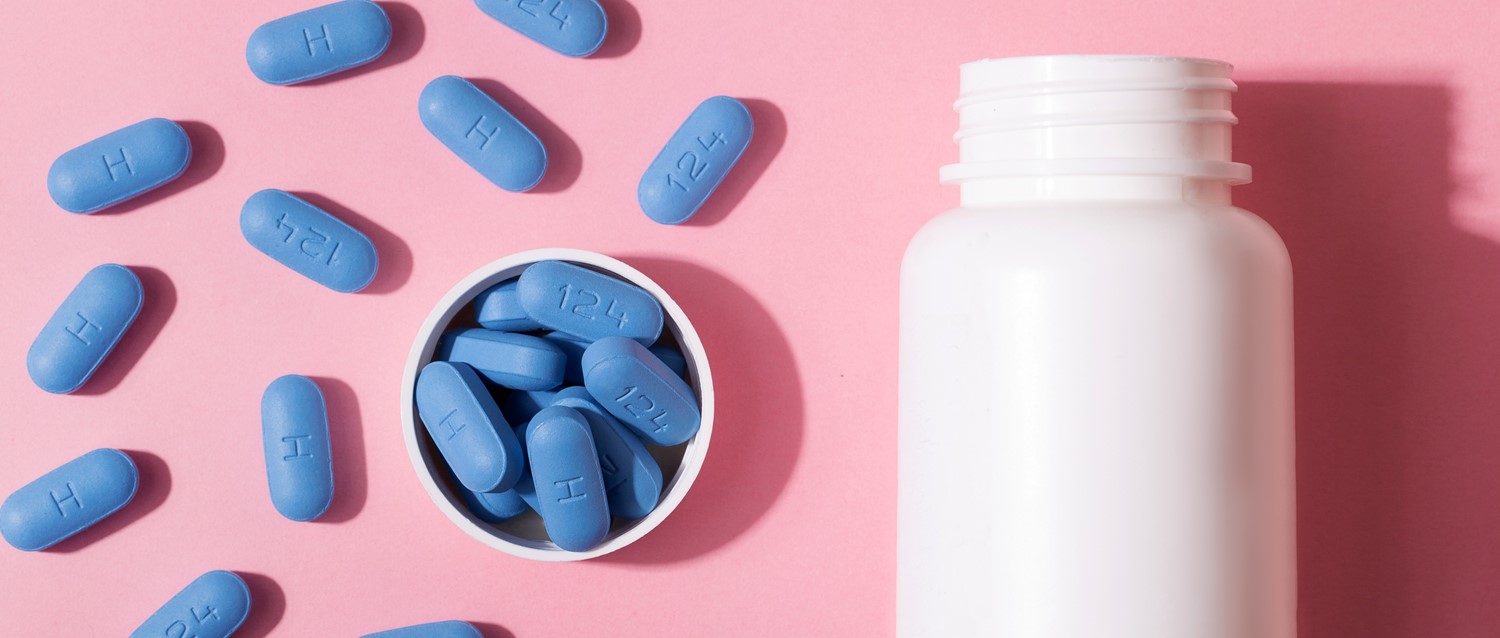
Wer sollte das HIV-Präventionsmedikament PrEP einnehmen?
Prä-Expositions-Prophylaxe (PrEP) ist ein Medikament zur Verhinderung der Entwicklung von HIV. Es ist für Menschen gedacht, die kein HIV haben, aber ein hohes Risiko, die Erkrankung zu entwickeln. Aber was ist es, wie funktioniert es und wer sollte Zugang dazu haben?
von Lydia Smith
Über den AutorVollständige Biografie anzeigen
Verfasst von

Lydia Smith
Feature-Autorin
BA, MA, MSc
Lydia Smith ist eine preisgekrönte Journalistin und Feature-Autorin, die umfangreich über Frauengesundheit und psychische Gesundheit geschrieben hat. Derzeit studiert sie für einen MSc in Psychologie.
Über den RezensentenVollständige Biografie anzeigen

Dr Krishna Vakharia, MRCGP
Chief Medical Officer für Gesundheit, Optum UK
MBChB, MRCGP(2013), BMedSci (hons), DFSRH, DRCOG, PGDipDerm (Distn)
Dr. Krishna Vakharia ist eine NHS-Hausärztin. Sie ist auch regelmäßige Prüferin für das postgraduale Diplom in Praktischer Dermatologie an der Cardiff University und zudem Chief Medical Officer für Gesundheit bei Optum UK.
Artikelverlauf
Artikel auch verfügbar in Englisch, Deutsch, Spanisch, Französisch, Italienisch, Portugiesisch, Hindi, Hebräisch, Arabisch, und Schwedisch.
2 Dec 2022 | Ursprünglich veröffentlicht
Verfasst von:
Lydia SmithBegutachtet von
Dr Krishna Vakharia, MRCGP
Teilen Sie Ihre Gedanken oder Erfahrungen mit anderen in unserem Patientengemeinschaften.
Einfacher Zugang zu vertrauenswürdigen Behandlungen und Gesundheitsdiensten online.
Common conditions
Get help with common conditions through the NHS, without a GP appointment.





Abonnieren Sie den Patienten-Newsletter
Ihre wöchentliche Dosis klarer, vertrauenswürdiger Gesundheitsberatung - geschrieben, um Ihnen zu helfen, sich informiert, selbstbewusst und in Kontrolle zu fühlen.
Durch das Abonnieren akzeptieren Sie unsere Datenschutzrichtlinie. Sie können sich jederzeit abmelden. Wir verkaufen Ihre Daten niemals.