Verhindert Stillen postnatale Depressionen?
Begutachtet von Dr Sarah JarvisVerfasst von Sara LindbergUrsprünglich veröffentlicht 7. Nov. 2017
Erfüllt die redaktionelle Richtlinien
- HerunterladenHerunterladen
- Teilen
- Language
- Diskussion
- Audio-Version
- Zu bevorzugten Quellen bei Google hinzufügen
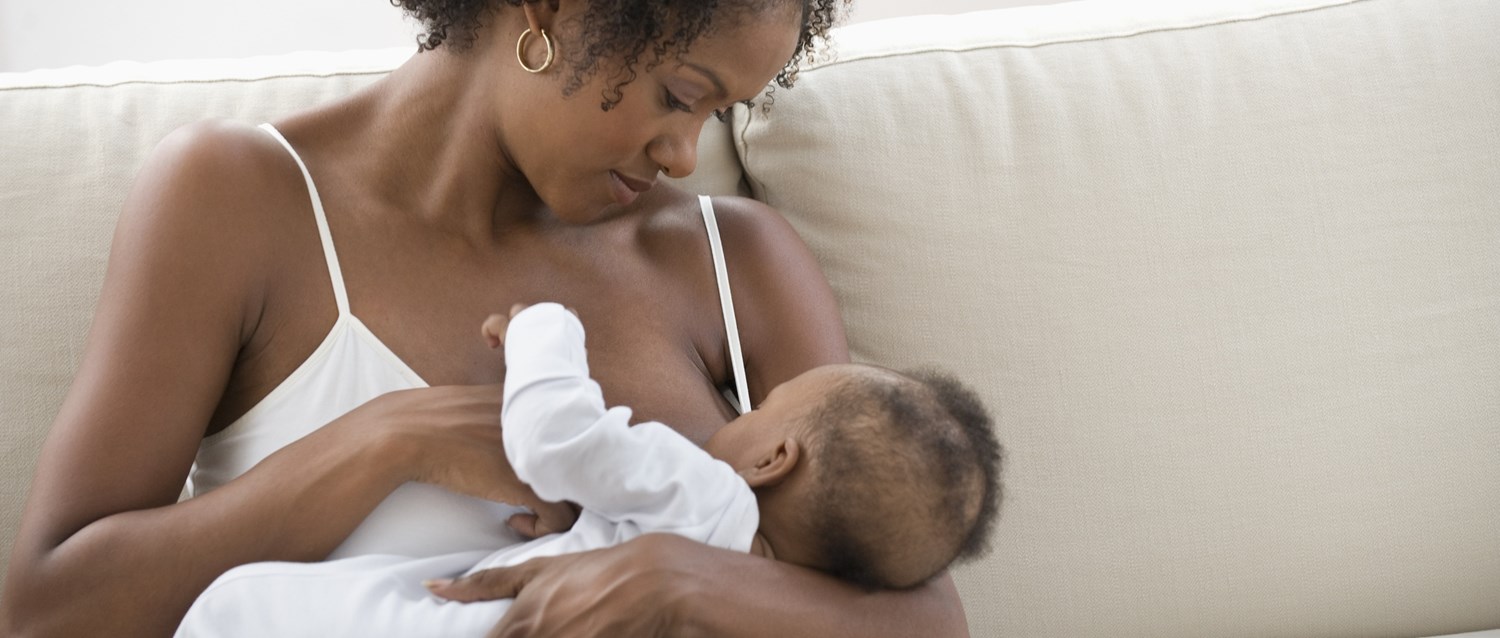
Das Stillen bietet einer neuen Mutter zahlreiche Vorteile, darunter die Möglichkeit, eine engere Bindung zu Ihrem Baby aufzubauen. Aber wie sieht es mit der Unterstützung im Kampf gegen postnatale Depressionen aus? Kann das Stillen die Schwere der Symptome verringern, die mit diesem belastenden Zustand einhergehen?
Unterstützung bei psychischen Problemen für Erwachsene und Kinder
Online-CBT und psychologische Therapie für Erwachsene und Kinder im Alter von 8 bis 17 Jahren. Die akkreditierten Fachkräfte von Onebright unterstützen Menschen mit Angstzuständen, Depressionen und anderen emotionalen Herausforderungen.
Baby blues
Postnatale Depression is a mood disorder that can affect women after childbirth. Mothers with postnatal depression experience feelings of extreme sadness, anxiety, and exhaustion that may make it difficult for them to complete daily care activities for themselves or for others.
Often, these feelings are attributed to the 'baby blues', which many women experience in the two weeks following childbirth. However, if it is just the baby blues, the anxious, tearful, and feeling down moments will subside and mum will begin to feel like herself again. If the symptoms last longer or start later, you could be dealing with postnatal depression.
Some of the more common symptoms of postnatal depression include:
Persistent sadness.
Feeling hopeless and overwhelmed.
Reizbarkeit.
Unruhe.
Crying more often for no apparent reason.
Difficulty bonding with your baby.
Doubting your ability to care for your baby.
Oversleeping and chronic fatigue (beyond what is normal for a new mum).
In more severe cases, thinking about harming yourself or your baby.
Gemäß dem Weltgesundheitsorganisation (WHO), worldwide about 10% of pregnant women and 13% of women who have just given birth experience a mental disorder, primarily depression. In developing countries this number is even higher: in the USA, the Center for Disease Control reports that about 1 in 9 women experience postpartum (postnatal) depression, and in the UK, the NHS reports that 1 in every 10 women will experience postnatal depression within a year of giving birth.
Unfortunately, many women do not tell their doctor they are experiencing any symptoms, so the numbers could potentially be much higher. But, for the women who are diagnosed, many are desperate for ways to reduce the severity of the symptoms that ail them almost daily.
And while most experts will recommend a combination of psychotherapy, medication, and self-help remedies (exercise, rest, healthy eating, asking for help, etc) to treat postnatal depression, experts have recently begun to look at the role breastfeeding plays in decreasing postnatal depression.
What's the evidence?
It helps
We all know the benefits of breastfeeding for both baby and mum. But could putting baby to breast help lessen the severity of symptoms women experience - or maybe even prevent postnatal depression from happening at all?
A Studie from 2010 showed that women who breast-fed their babies were at a significantly lower risk of postnatal depression than those who did not. The research was conducted by researchers in the UK and Spain and included over 10,000 mothers.
Specifically, the authors discovered that the majority of mothers who were not depressed during pregnancy, and who planned to breastfeed their babies (and went on to do so), had a decreased risk of developing postnatal depression.
One theory of why breastfeeding may decrease postnatal depression has to do with hormones. Rachel Borton, director of the Family Nurse Practitioner Program at Bradley University explains that:
"The breastfeeding act itself or let-down act of breast milk causes the body to release a hormone called oxytocin and this hormone is also known as the 'feel-good' hormone.
"Postpartum depression is often triggered by the dramatic drop in hormone levels following delivery of an infant and oxytocin acts as an antidepressant and helps to decrease postpartum depression."
Or does it?
Sounds amazing, right? Just put baby to breast, release those 'feel-good' hormones, and fight off depression - all at the same time. Unfortunately, it's not always that easy. While many women will experience a decrease in symptoms or avoid developing postnatal depression altogether, in some cases, breastfeeding may actually worsen the symptoms of postnatal depression.
"If mum is experiencing postnatal depression and the baby is not gaining weight well or having difficulty breastfeeding, it can make the symptoms worse," says Deedee Franke, a lactation consultant at Mercy Medical Center in Baltimore.
"Any problems that mum is encountering while she breastfeeds may enhance the symptoms of postnatal depression and/or anxiety."
And Franke is not alone in her thinking: The same Studie that reported how breastfeeding can have a protective effect also noted that problems with breastfeeding can increase postnatal depression in some women.
What if you're at high risk of depression?
But what about the extremely vulnerable population of women who are depressed and/or anxious before giving birth?
Forscher have discovered an association between maternal symptoms of anxiety and depression and stopping breastfeeding early. Not only were the women who were depressed and/or anxious during pregnancy more likely to stop breastfeeding early, they were more likely to experience worsening of their symptoms after cessation of breastfeeding.
What if you can't breastfeed?
Some mums want to breastfeed but can't due to low supply, suckling issues, or medication they're taking which means they shouldn't. And if the overall message these women hear is 'breast is best' then it's no surprise they are at a higher risk of developing postnatal depression.
Yet, other mums who experience postnatal depression have said that breastfeeding is the only thing that helped them feel close to their child - which consequently reduced the severity of their depressive symptoms.
The lowdown
So, with evidence supporting both theories, what conclusions can we draw? Well, one universal result of the research is that new mums who are at risk of developing postnatal depression need expert guidance when it comes to breastfeeding: this includes women who are able to breastfeed and women who plan to breastfeed but later discover they can't. These mums need the continual support and encouragement of their healthcare team to develop the best treatment plan for battling postnatal depression.
Patientenauswahl für Depression

Psychische Gesundheit
Macht uns Social Media depressiv?
In den letzten 10 Jahren haben soziale Medienplattformen wie Facebook, Twitter, Instagram und Snapchat unsere Art zu kommunizieren und zueinander zu finden verändert, doch eine zunehmende Anzahl von Studien deutet darauf hin, dass dies negative Auswirkungen auf unsere psychische Gesundheit hat.
von Danny Chadburn

Psychische Gesundheit
Können Männer postnatale Depressionen erleben?
Postnatale Depression ist eine Stimmungsstörung, die sowohl Väter als auch Mütter betreffen kann. Dennoch gibt es viel weniger Bewusstsein für postnatale Depressionen bei Männern. Es ist wichtig, das Tabu um die psychische Gesundheit von Männern zu brechen, damit Väter und ihre Partner die Warnzeichen einer männlichen postnatalen Depression erkennen und die benötigte Hilfe suchen können.
von Amberley Davis
Über den AutorVollständige Biografie anzeigen
Verfasst von

Sara Lindberg
Senior Autorin
BSc (Hons), MSc
Sara Lindberg ist eine freiberufliche Autorin für Gesundheit, Fitness und Wellness.
Über den RezensentenVollständige Biografie anzeigen

Dr. Sarah Jarvis
Klinische Beraterin
MA (Cantab), BM, BCh (Oxon), DRCOG, FRCGP, MBE
Nach ihrer medizinischen Ausbildung in Cambridge und Oxford wurde Dr. Sarah Jarvis MBE Hausärztin.
Artikelverlauf
Artikel auch verfügbar in Englisch, Deutsch, Spanisch, Französisch, Italienisch, Portugiesisch, Hindi, Hebräisch, Arabisch, und Schwedisch.
7. Nov. 2017 | Ursprünglich veröffentlicht
Verfasst von:
Sara LindbergBegutachtet von
Dr. Sarah Jarvis
Teilen Sie Ihre Gedanken oder Erfahrungen mit anderen in unserem Patientengemeinschaften.
Online-Apotheke, Behandlungen und Gesundheitsdienstleistungen
Einfacher Zugang zu vertrauenswürdigen Behandlungen und Gesundheitsdiensten online.
Common conditions
Get help with common conditions through the NHS, without a GP appointment.





Abonnieren Sie den Patienten-Newsletter
Ihre wöchentliche Dosis klarer, vertrauenswürdiger Gesundheitsberatung - geschrieben, um Ihnen zu helfen, sich informiert, selbstbewusst und in Kontrolle zu fühlen.
Durch das Abonnieren akzeptieren Sie unsere Datenschutzrichtlinie. Sie können sich jederzeit abmelden. Wir verkaufen Ihre Daten niemals.