How to exercise with a physical disability
Peer reviewed by Dr Sarah JarvisAuthored by Ginny WeeksOriginally published 20 Feb 2019
Meets Patient’s editorial guidelines
- DownloadDownload
- Share
- Language
- Discussion
- Audio Version
- Add to preferred sources on Google
When you have limited mobility, keeping fit and active can feel more difficult, but it doesn't have to be this way. Here are some simple expert tips on how to improve your fitness if you are disabled.
Physically disabled people make up a fifth of Britain's population, almost 14 million people, but they are currently the least active group in society. According to Sports England, disabled people are twice as likely to be inactive as able-bodied people. This is despite a recent report that found that 83% of people with a physical disability would like to be more active and think it's important.
The benefits of exercise for disabled people
Being active has a wide range of benefits, from reduced cholesterol, blood pressure and heart disease, to better joints, improved mental health and maintaining a healthy weight. These elements are even more important for those with a physical disability as inactivity increases the risk of conditions such as heart disease. As a consequence many physically disabled people need to actively pursue a more aggressive plan towards fitness, says GP Dr Jeff Foster.
"Depending on the physical disability, certain limbs or parts of the body may have limited use, meaning they are more prone to contractures, muscle wasting and long-term immobility and loss of function. Therefore in addition to physiotherapy, staying fit can help reduce these risks," he says.
Finally, there are social and mental health benefits that come with being fit - it releases endorphins and promotes a better sense of well-being.
"In patients with any chronic medical problem there is an increased risk of low mood or depression, and fitness is a positive and natural way to help minimise this problem."
Fitness also helps to create a community of like-minded people, providing a fun social activity that brings disabled people and able-bodied people together.
How to improve your fitness if you're disabled or have mobility issues
After a period of inactivity, it can sometimes feel like a challenge to know how to start an exercise regime, especially with a physical disability. Dom Thorpe, a personal trainer who specialises in disability training, shares his advice and top tips.
Start by using your body weight as an effective tool for exercise, he suggests. By utilising your day-to-day environment you can improve your fitness and overall health. For example, you might struggle to transfer from chair to bed.
"Turn this into an exercise," he explains. "Instead of simply doing it as a means to an end, do it five times every time you do it and you'll get better."
Don't be put off if it's challenging. With regular practice, you'll find it easier and your strength will improve. Make the most of things around the house like your wheelchair or support rails - you can use these for pushing and pulling which will work your upper body.
If you have physical disabilities it's likely you'll be doing fewer daily activities and will burn fewer calories as a result. Try to compensate for this by ensuring that you perform structured exercise that can offset the inactivity.
Five tips for fitness for disabled people
Thorpe shares his ultimate five tips for starting a fitness plan if you have a physical disability:
The same rules apply
"Understand that in most cases the same health and fitness rules apply to everyone, you just might need to adapt them a little."
Look at your diet too
"Excess weight pushes you down the ability spectrum, so adjust your calorie intake so it's in line with your activity levels. You shouldn't eat the diet of an athlete if you don't train like an athlete."
Start with the fundamentals
"Sometimes you can be alienated by high-intensity exercise classes or online workouts, which simply don't suit your body. Start with basic movements, which can be done at home, such as basic weight training moves or functional day-to-day movements."
Listen to your body
"If you have a chronic illness or suffer from fatigue, don't try and be a superhero. Start small and build it up until you know what's within your capability."
Focus on what you CAN do, not what you CAN'T do
"It's easy to be overwhelmed by floods of Instagram fitness experts whose programmes might not work for you. Remember that whatever your condition, there's always something you CAN do, if you apply sensible guidelines."
As every disability is different, there is no set fitness plan that is suitable for everyone, and it's always a good idea to speak with your GP before starting a new exercise regime.
Thorpe recommends finding what is right for you and repeating it regularly, ideally three sets of ten repetitions, a few times a week. You could start with sit to stand exercises, for example, or seated tricep dips, knee raises and back extensions. For more ideas and inspiration, his website has helpful how-to videos.
Patient picks for Exercise and physical activity
Healthy living
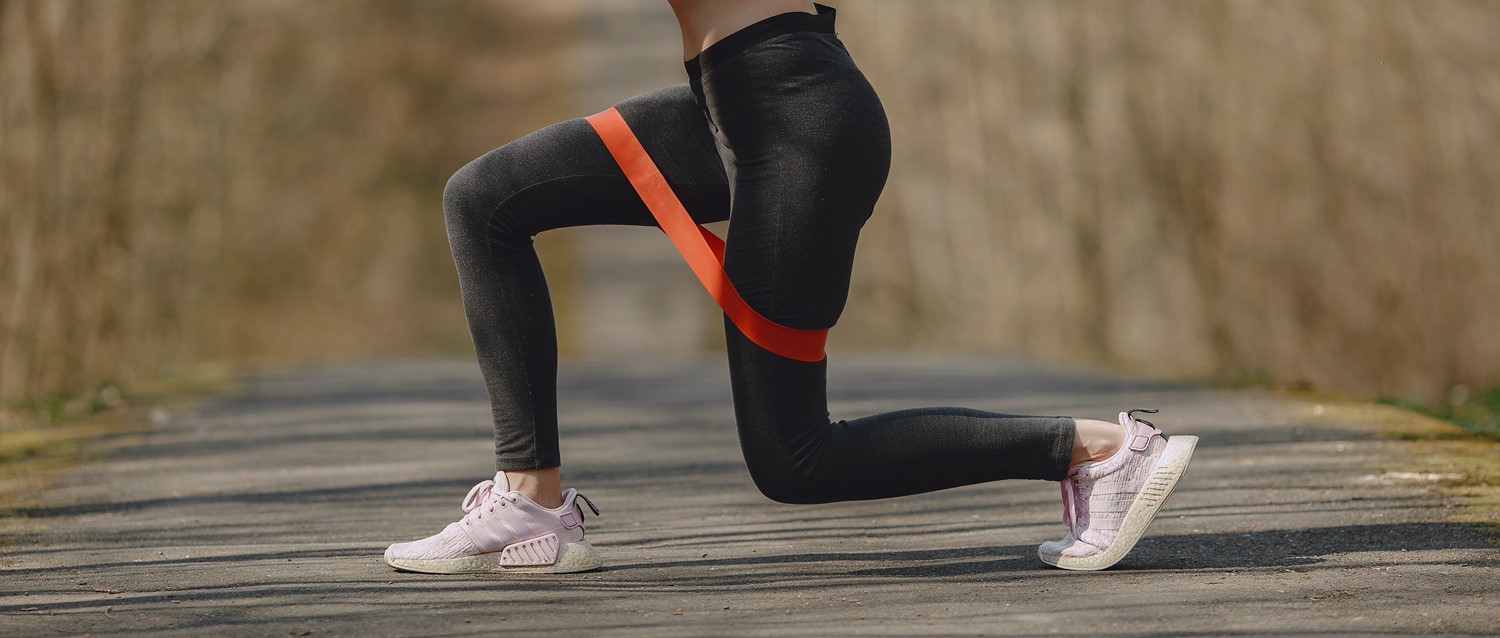
What are the best resistance band exercises for legs?
Resistance band exercises for legs are a great way to target and tone the large muscle groups in your legs while burning fat. Supported by a healthy diet, a routine resistance band leg workout could lead to more powerful, tighter leg muscles that are more defined in appearance.
by Amberley Davis

Healthy living
Fun ways to keep fit without even realising it
Part of the journey to become someone who actually enjoys regular exercise is finding an activity that you love, especially if you have a health condition. But with so much choice out there, it can be hard to choose. We ask experts about three fun and alternative ways to keep fit that you may not have tried yet.
by Georgia Gallant
About the authorView full bio

Ginny Weeks
Freelance Journalist
Ginny Weeks is a freelance copywriter, lifestyle editor and consultant with over 10 years experience working across many different platforms.
About the reviewerView full bio

Dr Sarah Jarvis
Clinical Consultant
MA (Cantab), BM, BCh (Oxon), DRCOG, FRCGP, MBE
After training in medicine at Cambridge and Oxford, Dr Sarah Jarvis MBE became a GP.
Article history
Article also available in English, German, Spanish, French, Italian, Portuguese, Hindi, Hebrew, Arabic, and Swedish.
20 Feb 2019 | Originally published
Authored by:
Ginny WeeksPeer reviewed by
Dr Sarah Jarvis
Join the conversation
Share your thoughts or experiences with others in our patient communities.

Ask, share, connect.
Browse discussions, ask questions, and share experiences across hundreds of health topics.

Feeling unwell?
Assess your symptoms online for free
Sign up to the Patient newsletter
Your weekly dose of clear, trustworthy health advice - written to help you feel informed, confident and in control.
By subscribing you accept our Privacy Policy. You can unsubscribe at any time. We never sell your data.
More in healthy living
- NewAdam Smith on mindfulness, mental health, and diabetes
- Can fitness trackers help boost activity levels in adults?
- Can you blame your weight on your genes?
- Debunking gay men stereotypes and myths
- Does smoking affect your sex life?
- Healthier ways to get your TV fix
- How to exercise safely in later life
- How to get into CrossFit exercise safely as a beginner
- How to get over your fear of exercise
- Is going sober becoming a trend?
- Is running bad for your knees?
- National Houseplant Week: Health benefits of biophilia and plants
- Should parents worry about 'dry drowning'?
- Telling current and past partners about your STI
- Video: Glute strengthening exercises
- Video: Hip pain exercises
- What is alcohol intolerance, and what are its symptoms?
- What to do if your teen has a drug problem
- What your dreams can reveal about your health