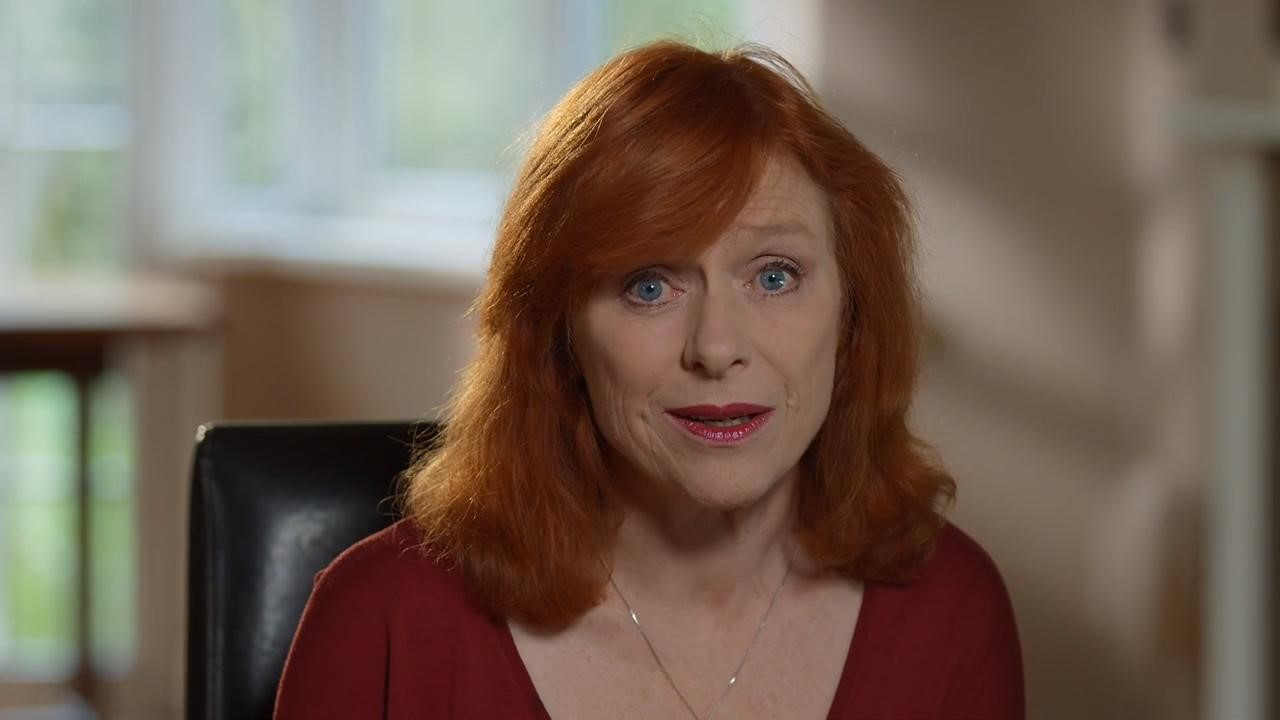
Video: Can stress cause a miscarriage?
Peer reviewed by Dr Hayley Willacy, FRCGP Last updated by Dr Sarah JarvisLast updated 18 Mar 2018
Meets Patient’s editorial guidelines
- DownloadDownload
- Share
- Language
- Discussion
- Audio Version
- Add to preferred sources on Google
A miscarriage is a tough time for all involved, and you're likely to have many questions about the physical and mental experience you're going through. Our experts have put a series of answers together to try and support you.

Playlist: Miscarriage Q&A
9 videos
Can stress cause a miscarriage?
Dr Sarah Jarvis
Can stress cause a miscarriage?
Dr. Sarah Jarvis

Why do miscarriages happen?
Dr. Sarah Jarvis

When is a miscarriage most likely to occur?
Dr. Sarah Jarvis

How far along can a miscarriage happen?
Dr. Sarah Jarvis

How much does a miscarriage hurt?
Dr. Sarah Jarvis

How much do you bleed when you have a miscarriage?
Dr. Sarah Jarvis

Who should you call if you have a miscarriage?
Dr. Sarah Jarvis

How is a miscarriage dealt with?
Dr. Sarah Jarvis

Can a miscarriage be misdiagnosed?
Dr. Sarah Jarvis
Can stress cause a miscarriage?
Dr Sarah Jarvis, GP and Clinical Director of Patient.info
I don’t think anybody’s life is without stresses and strains, and there has been lots of concern as to whether or not stress can cause a miscarriage. The problem is, if so, how much stress, how much stress is too much?
What we do know is that in vast majority of cases miscarriage is nothing to do with stress. Its to do with a random problem in the genetic make up of your baby. Which means that sadly, whether stressed or not that embryo would never have survived to become a baby.
Why do miscarriages happen?
Dr Sarah Jarvis, GP and Clinical Director of Patient.info
Miscarriages are really common. Probably one in three or one in four women has had a miscarriage at least once, if she has ever been pregnant. By far the most common cause for miscarriages, is a problem with the chromosome in the embryo, that’s a random problem with the genetic makeup either of the egg, or of the sperm or a combination of the two. It is nothing to do with you and it usually doesn’t mean that you are at increased risk of miscarriage in the future.
Sometimes problems with the mother’s body, so a problem with the womb for instance or occasionally problems with her immune response or other problems in her system such as a hormone problem can cause miscarriages.
When is a miscarriage most likely to occur?
Dr Sarah Jarvis, GP and Clinical Director of Patient.info
A miscarriage can occur anytime from when that first pregnancy test is positive until the baby is capable of sustaining life on his/her own, that’s about 23 weeks of pregnancy. By far the most common time to have a miscarriage is in the first trimester, the first 12 weeks of pregnancy and most common of all in the first 8 weeks or so, from the date of your last period.
Now, some women don’t have any symptoms of miscarriage and the first they know that they have had a miscarriage is that when the bad news is broken to them, when they have their first scan. However the most common time to get symptoms is usually is about 6-8 weeks pregnant.
How far along can a miscarriage happen?
Dr Sarah Jarvis, GP and Clinical Director of Patient.info
Miscarriage is the loss of a baby anytime from your first pregnancy test until the time that the baby could live on its own, that’s at about 23 weeks. By far the most common time for miscarriage to happen is in the first 12 weeks of pregnancy, particularly, in the first 8 weeks.
How much does a miscarriage hurt?
Dr Sarah Jarvis, GP and Clinical Director of Patient.info
A miscarriage is any loss of a baby between the time of your first pregnancy test and the time that it could live on its own, about 23 weeks of pregnancy. The vast majority of miscarriages are in the first 12 weeks of pregnancy and often in the first 8 weeks.
Some women don’t know they have had a miscarriage until they have routine scan and discover that they have. But one of the most common symptoms of miscarriage is vaginal bleeding along with pain which is often described as like a severe period pain. If however you get severe pain, particularly, if it is one side of your tummy, it is really important to get it checked out because a miscarriage can be mistaken for an ectopic pregnancy, that’s a pregnancy developing outside the womb and that can become a medical emergency.
How much do you bleed when you have a miscarriage?
Dr Sarah Jarvis, GP and Clinical Director of Patient.info
The amount of bleeding you get when you have a miscarriage varies enormously. Some women don’t bleed at all, in fact, they don’t know they have had a miscarriage until they have their first ultrasound scan and discover very tragically that they have lost the baby.
But some women do bleed and that can vary from a light period, particularly, if the miscarriage is very early, say in the first couple of weeks after you missed your period to getting really quite a lot of bleeding.
With a complete miscarriage you often get clots and you might pass what we call products, in other words foetal tissue or tissue from the inside of the womb. If you do get vaginal bleeding during pregnancy and particularly if you also get pain, especially, if it is severe or one side, do get yourself checked out
Who should you call if you have a miscarriage?
Dr Sarah Jarvis, GP and Clinical Director of Patient.info
There are several different types of miscarriage. One is called the missed miscarriage and you may not know you have that at all, until you have an ultrasound scan and discover that your baby has not survived.
Another is what’s called and incomplete miscarriage which is still ongoing and a third which happens quite often in the very early stages of first two weeks of pregnancy is called the complete miscarriage. With both of these you usually get a vaginal bleeding, quite often with ‘crampy’ abdominal pains and sometimes you might pass quite a lot of blood, including clots and sometimes tissue which is products from your womb.
If you have these, you should always seek medical help. How urgently you should do that, depends upon how much pain you are in. If you get severe pain and particularly if you have pain on one side of your tummy which is severe, you should seek emergency help even from the out of hours service if your GP surgery isn’t open because it could be an ectopic pregnancy, a pregnancy outside the womb, which can be a medical emergency.
How is a miscarriage dealt with?
Dr Sarah Jarvis, GP and Clinical Director of Patient.info
How miscarriage is dealt with very much depends on what is found when you have an ultrasound scan. Sometimes you can have what is called the complete miscarriage where everything both the embryo and all the tissues surrounding it has already come out of the womb.
This will often mean that the bleeding has stopped and in this case you will often won’t need any treatment at all. Sometimes you might need medical treatment to help to expel that last tissue that previously surrounded the baby. And in some cases you might need a minor surgical procedure, usually under general anaesthetic sometimes under local, to get rid of any tissue that previously surrounded the embryo
Can a miscarriage be misdiagnosed?
Dr Sarah Jarvis, GP and Clinical Director of Patient.info
If your doctor thinks you might be having or have had a miscarriage they will refer you for an ultrasound scan. On the ultrasound scan the healthcare professional will be looking to check that there is a sac for the baby inside the womb and that they can see that baby and that it contains a heart beat.
Your baby’s heart beat can usually be seen from about 5½ weeks after your last period. If the miscarriage is very early then the heartbeat may not be visible and your doctor may ask you to come back a week later and see if it is visible. Very occasionally, women are told that they have had a miscarriage only to discover that the baby has survived. But more commonly, the concern about misdiagnosing a miscarriage is that we might think it was a miscarriage, when in fact it was a pregnancy outside the womb, a so called ectopic pregnancy. That’s extremely uncommon, but if you do have bleeding with pain particularly severe pain on one side, you must always seek help.
Patient picks for Bleeding in pregnancy
Pregnancy
When to investigate a miscarriage
Everyone experiences a miscarriage differently. Whether it's early on or late in pregnancy, a shock or expected, it can be a physical and emotional ordeal. For couples who have been struggling to conceive, or have experienced miscarriages in the past, it can feel especially painful. But when should pregnancy loss be investigated? And which tests are offered to women in this situation?
by Dr Anna Cantlay, MRCGP

Pregnancy
How to support a friend after a miscarriage or stillbirth
If a friend or family member suffers a miscarriage or stillbirth, it's natural to want to offer your support. But it can be difficult to know what to do, and what to say. We look at how best to support a friend or loved one who is dealing with baby loss.
by Gillian Harvey
About the authorView full bio

Dr Sarah Jarvis
Clinical Consultant
MA (Cantab), BM, BCh (Oxon), DRCOG, FRCGP, MBE
After training in medicine at Cambridge and Oxford, Dr Sarah Jarvis MBE became a GP.
About the reviewerView full bio

Dr Hayley Willacy, FRCGP
General Practitioner, Medical Author
MBChB (1992), DRCOG, DFFP, MRCOG (Part 1) MRCGP (2007), DFSRH (2013), MSc - medical education (2020)
Dr Hayley Willacy was an NHS GP working in northwest England, who retired from clinical practice in 2022 after 30 years.
Article history
The information on this page is peer reviewed by qualified clinicians.
Article also available in English, German, Spanish, French, Italian, Portuguese, Hindi, Hebrew, Arabic, and Swedish.
18 Mar 2018 | Latest version
Join the conversation
Share your thoughts or experiences with others in our patient communities.

Ask, share, connect.
Browse discussions, ask questions, and share experiences across hundreds of health topics.

Feeling unwell?
Assess your symptoms online for free
Sign up to the Patient newsletter
Your weekly dose of clear, trustworthy health advice - written to help you feel informed, confident and in control.
By subscribing you accept our Privacy Policy. You can unsubscribe at any time. We never sell your data.
More in pregnancy
- Build a maternity capsule wardrobe on a budget
- How does pregnancy impact your job?
- How much pregnancy weight gain is normal?
- How to feel more confident about childbirth
- How to safely maintain your exercise routine while pregnant
- How to snack healthily when you're pregnant
- Is 'baby brain' a real medical condition?
- Protecting your mental health during fertility treatment
- Putting together a budget for your baby
- Should you worry about pelvic pain in pregnancy?
- The best and the worst times of year to get pregnant
- The best form of childbirth for you and your baby
- The food and drink to avoid on holiday if you’re pregnant
- The truth about getting pregnant after 40
- Video: How does PID affect fertility?
- Video: How much does PCOS affect fertility?
- Video: Is it safe to have sex during pregnancy and other lifestyle questions?
- What it's like to give birth on Christmas Day
- What to pack on your babymoon
- What your pregnancy cravings could mean