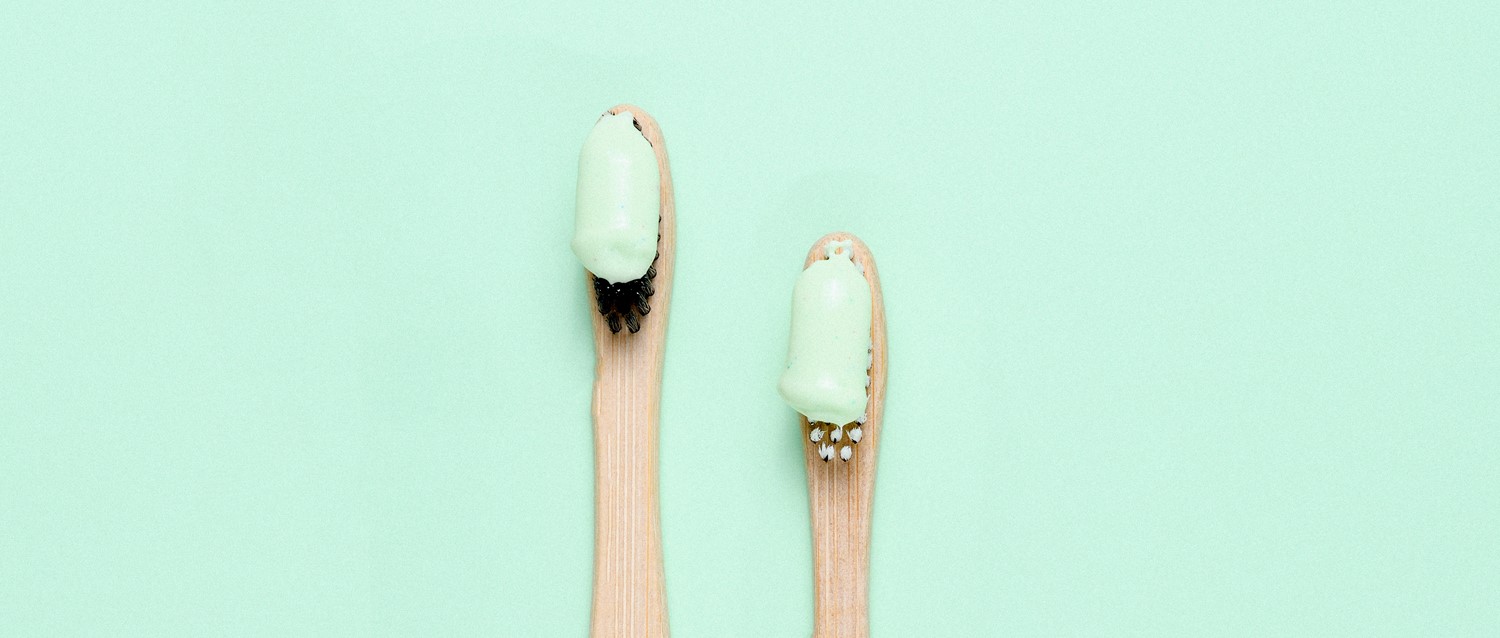
Chemical found in soap and toothpaste linked to osteoporosis
Peer reviewed by Natalie HealeyAuthored by Milly EvansOriginally published 26 Jun 2019
Meets Patient’s editorial guidelines
- DownloadDownload
- Share
- Language
- Discussion
- Audio Version
- Add to preferred sources on Google
New research shows a link between a chemical used in some soaps, toothpastes and antibacterial products, and osteoporosis.
The study, published in the Journal of Clinical Endocrinology, looked at the levels of the chemical triclosan in the urine of 1,848 women, finding that those with higher levels were more likely to have bone issues. The evidence was stronger in postmenopausal women than in premenopausal women. The chemical has previously been linked to bowel cancer and antibiotic resistance.
Triclosan is an antibacterial and antifungal agent which is added to some soaps, body washes and cosmetics but can also be found in clothing, kitchenware, toys and furniture.
Some big companies like Unilever have stopped putting triclosan in their products and the US Food and Drug Administration (FDA) has gone as far as to ban the chemical from consumer soaps and hand sanitiser and antiseptic products used in hospitals. It has not yet been banned in the UK.
Osteoporosis is the loss of bone density. This makes bones more prone to fracture. It is usually observed in older people but can affect people of all ages.
Co-author of the study, Dr Yingjun Li of Hangzhou Medical College School of Public Health in Hangzhou, China, said: "Laboratory studies have demonstrated that triclosan may have potential to adversely affect the bone mineral density in cell lines or in animals. However, little is known about the relationship between triclosan and human bone health."
Previous studies have shown a link between poor bone health and triclosan in mice but it is believed that this is the first of its kind in humans, explains Li. "As far as we know, this is the first epidemiological study to investigate the association between triclosan exposure with bone mineral density and osteoporosis in a nationally representative sample from US adult women."
This study was published in the Journal of Clinical Endocrinology.
Patient picks for Osteoporosis
Bones, joints and muscles
When to start worrying about your bones and osteoporosis
Your bones are constantly changing. The earlier you start taking action to support your bone health to prevent osteoporosis, the better.
by Victoria Raw
Bones, joints and muscles
Why clean eating could be bad for your bones
The trend for clean eating continues to dominate social media, especially amongst female bloggers and celebrities. Twitter and Facebook are packed with photos of raw vegetable smoothies and advice to cut out meat, dairy, processed foods and caffeine. But will it do us any good? Not according to the National Osteoporosis Society which has warned that the popularity of 'clean eating' and overly restrictive diets is setting up young people for a future where broken bones are the norm. In a survey carried out by the charity, four in ten people aged 18 to 24 years had tried a 'clean eating' diet. This meant that around three million young adults are putting themselves at risk of osteoporosis in later life by avoiding foods that provide key bone health nutrients.
by Dr Carrie Ruxton, PhD, Child Nutrition
About the authorView full bio
Authored by

Milly Evans
Editor
Milly writes on a range of health topics, with a particular interest in health inequality and sexual health.
About the reviewerView full bio

Natalie Healey
Freelance journalist
BSc (Hons) Biomedical Science
She is a London-based health journalist who has been writing about science and medicine for several years. She is the former head of editorial at Patient.
Article history
Article also available in English, German, Spanish, French, Italian, Portuguese, Hindi, Hebrew, Arabic, and Swedish.
26 Jun 2019 | Originally published
Authored by:
Milly EvansPeer reviewed by
Natalie Healey
Join the conversation
Share your thoughts or experiences with others in our patient communities.

Ask, share, connect.
Browse discussions, ask questions, and share experiences across hundreds of health topics.

Feeling unwell?
Assess your symptoms online for free
Sign up to the Patient newsletter
Your weekly dose of clear, trustworthy health advice - written to help you feel informed, confident and in control.
By subscribing you accept our Privacy Policy. You can unsubscribe at any time. We never sell your data.