When to start worrying about your bones and osteoporosis
Peer reviewed by Dr Colin Tidy, MRCGPLast updated by Victoria RawLast updated 16 Oct 2025
Meets Patient’s editorial guidelines
- DownloadDownload
- Share
- Language
- Discussion
- Audio Version
- Add to preferred sources on Google
Your bones are constantly changing. The earlier you start taking action to support your bone health to prevent osteoporosis, the better.
What is osteoporosis?
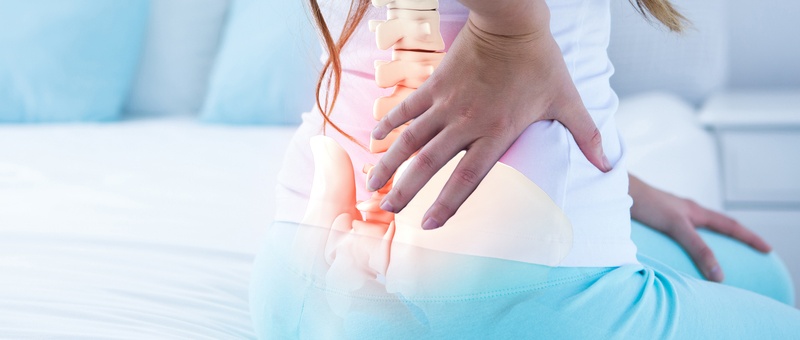
Osteoporosis is a condition where your bones gradually weaken - usually as you age. This can make them more prone to fractures. If you have osteoporosis you are more vulnerable to breaks in your arms, hips, and spine, though fractures can occur anywhere, including your pelvis.
While these fractures might not hurt immediately, over time they can lead to long-term pain and noticeable changes in posture - especially in older adults. Spinal fractures, in particular, can result in a hunched posture and persistent back pain if left untreated.
Why does bone health matter?
The body is constantly working to make sure your blood is at the right pH. This is a measure of how acidic or alkaline something is. Day to day, this balance can be knocked out and into a more acid pH by certain foods, drinks and even things we breathe in. When this happens, your body uses bones as a buffer. Bone contains alkali substances which, when released into your blood, bring the pH back to a safe range.
Up until the age of around 30, we produce bone at a faster rate than we lose it through this acid-balancing process. Beyond this age, however, the rate at which we produce bone starts to decrease. For women, the rate that bone is lost increases significantly during menopause, because oestrogen - which works to promote bone strengthening - reduces. That's one reason women are more likely to have osteoporosis or other bone-related issues later in life.
Some degree of bone loss from the age of 30 is impossible to avoid. However, before you reach your thirties you can make lifestyle choices which will support your body to reach its maximum potential bone density. Doing this means that when you do lose bone later on in life, you have enough reserve to avoid them becoming more fragile.
How to look after your bones at any age
Exercise
Exercising from a young age helps your body build more bone tissue. This increases the density of your bones, making them less susceptible to breaks as you get older. So, the saying 'use it or lose it' is particularly appropriate here. The more you use and expose your bones to light impact exercise, the more your body will be encouraged to make them stronger.
Gentle running or jumping - like you might do in an aerobics class - is a great way to do this, as well as regular weight-based training. Unfortunately, exercises such as swimming and cycling - although great for heart health - do not create enough impact to improve bone density, and therefore prevent osteoporosis.
Eat bone-friendly foods
Calcium supports normal bone function but it also needs other nutrients so that it can do its job. These are vitamin D and vitamin K which both play a role in enhancing calcium's absorption into your body and, in turn, bone.
The main sources of vitamin D are the sun - during the summer months - and oily fish. During the winter, it is recommended you take a 10 microgram - 400 IU - supplement of vitamin D3 daily to meet requirements. The best sources of vitamin K can be found in green leafy vegetables and cereal grains.
Eat anti-inflammatory foods
The body becomes inflamed as part of a protective mechanism. It can be short-term, caused by strenuous exercise, acute infections, injury or allergies. It can, however, also be long-term due to long-term disease, or being overweight. Although this is a supportive mechanism, it can reduce the body's ability to continue with normal bone production.
So making sure we include foods with anti-inflammatory properties day to day can be beneficial. Omega-3 which is also found in oily fish, is a great anti-inflammatory, as are fruits and vegetables. Try to make sure you have at least one serving - around 140 grams - of oily fish a week and eat at least five portions of fruits and vegetables each day.
Reduce unfriendly bone foods
Scientists are becoming more aware of a relationship between the increasing prevalence of the so-called western diet, and worsening bone health.
It is thought that the high levels of saturated fat, processed meat and sugar in this diet cause acidity in the body. This then triggers the body to re-balance by releasing elements from bone into the blood.
The high levels of salt in our typical diet is also bad news for your bones. Research suggests that unhealthy eating could lead to almost half our skeletal mass of calcium to be lost in our pee over time - mainly because of the amount of salt in the processed foods that are being frequently eaten.
Try to limit the amount of processed foods you consume and always check the labels of products for salt, sugar and saturated fat. Get into the habit of tasting food before you add salt to meals to try to reduce your intake.
Keep within a healthy weight range
Being overweight can push your body into an inflamed state. This in turn can disturb its ability to strengthen bone and, over a long period of time, can reduce bone density.
Do not smoke
Smoking can have an negative effect on bone health. This is because smoking not only reduces your body's ability to absorb calcium, but also its ability to make bone with the calcium it does manage to absorb.
The good news is that as soon as smoking is stopped, your body can quickly get back to full efficiency, so it is possible to recoup bone density.
When should you worry about osteoporosis?
Although you are not able to create more bone, you can do a lot to maintain what you have.
The story is very much the same as for people under 30. Eat a healthy diet, including at least five portions of fruit and vegetables each day and a sufficient amount of protein. Protein intake has been found to be particularly important later in life for both the maintenance of bone and muscle.
Finally, keep moving. The more you use your bones, the more your body will work to keep them strong. Try to do some form of light impact, weight-bearing exercise five times a week for around 30 minutes.
If you're concerned about your bone health, Sarah Leyland, Osteoporosis Nurse Consultant at the National Osteoporosis Society has this advice.
"If you have broken a bone easily, there are a few things you should do. First, talk to your doctor and find out if there's a high chance you might experience further fractures. If you've had a fragility fracture - meaning you've broken a bone due to a fall from standing height or less - your doctor should send you for a bone density scan to check if you have osteoporosis.
"You can also ask about a 'fracture risk assessment' or a 'bone check'. This means looking at factors that influence your bone strength, such as your age and medical history. It will help you and your doctors understand why your bones may be more fragile than expected and also show whether you need medicine treatment."
Patient picks for Osteoporosis

Bones, joints and muscles
Best exercises for your joints
You may have concerns about the impact exercise has on your joints, especially if you already have joint pain or stiffness. However, regular physical activity can be helpful in protecting healthy joints and even for relieving joint pain in some cases. The key is to choose exercises that are low-impact, improve flexibility, and build up the muscles around the joints. Here we chat to fitness expert, Laura Williams, about what the best exercises are for your joints.
by Heather Ainsworth
Bones, joints and muscles
How to protect your joints as you get older
As you get older, parts of your body can start to feel a bit stiff from time to time. Your joints keep you mobile and active so it's important to look after them and take extra care as you age to prevent damage.
by Lawrence Higgins
About the authorView full bio

Rose Butcher
Feature Writer
Rose is a Feature Writer with Patient, covering a variety of topics about mental health, ADHD and well-being.
About the reviewerView full bio

Dr Colin Tidy, MRCGP
General Practitioner, Medical Author
MBBS, MRCGP, MRCP (Paediatrics), DCH
Dr Colin Tidy is an NHS Doctor, based in Oxfordshire.
Article history
The information on this page is peer reviewed by qualified clinicians.
Article also available in English, German, Spanish, French, Italian, Portuguese, Hindi, Hebrew, Arabic, and Swedish.
Next review due: 16 Oct 2028
16 Oct 2025 | Latest version
21 Dec 2017 | Originally published
Authored by:
Rose Butcher
Join the conversation
Share your thoughts or experiences with others in our patient communities.

Ask, share, connect.
Browse discussions, ask questions, and share experiences across hundreds of health topics.

Feeling unwell?
Assess your symptoms online for free
Sign up to the Patient newsletter
Your weekly dose of clear, trustworthy health advice - written to help you feel informed, confident and in control.
By subscribing you accept our Privacy Policy. You can unsubscribe at any time. We never sell your data.
More in bones, joints and muscles
- Bad posture: how to defeat the 'COVID slump'
- Do I need an MRI for my back pain?
- Everyday activities that can cause back pain
- How to avoid neck, shoulder and back pain while working from home
- How to get back pain under control
- How to relieve sciatica pain
- How to treat neck pain
- Joint pain - is it bursitis?
- Knee health: how to prevent knee injuries
- Knee pain and exercises videos
- Natural remedies for joint pain relief
- Other bones and joints videos
- The most likely reasons for your muscle pain
- Video: Knee replacement recovery exercises
- What foods are good for arthritis?
- What is office chair butt - and how do you prevent it?
- What is sarcopenia?
- Which sports are the worst for your health?
- Why is fibromyalgia so misunderstood?
- Why the menopause may cause osteoporosis