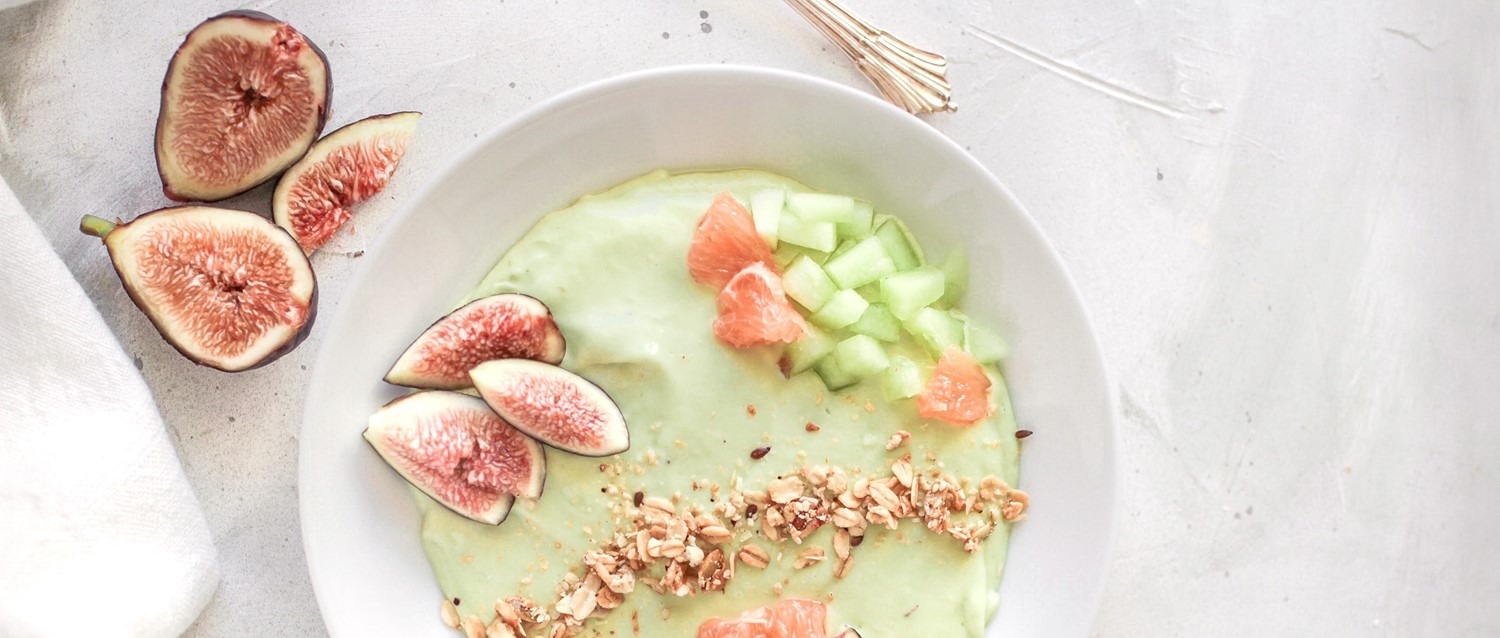
Do 'superfoods' really exist?
Peer reviewed by Dr Krishna Vakharia, MRCGPLast updated by Lydia SmithLast updated 21 Sept 2023
Meets Patient’s editorial guidelines
- DownloadDownload
- Share
- Language
- Discussion
- Audio Version
- Add to preferred sources on Google
For those of us wanting to improve our health, the idea of a 'superfood' as a one-stop shop for nutrition can be pretty appealing. But are 'superfoods' really the miracle-workers some claim them to be?
Salmon, broccoli and blueberries are just some of the foods that have been given the 'superfood' label. And while we know that these are all healthy, the term 'super' suggests they have special benefits beyond simply being good for us. But do superfoods really exist?
What is a 'superfood'?
Generally, a food is promoted to superfood status if it contains a high level of nutritional value. This might mean they contain a variety of nutrients, such as healthy fats, fibre and phytochemicals - chemicals in plants which are responsible for vivid colours and smells, which have been associated with a reduced risk of cardiovascular and other diseases.
Many superfoods are said to contain antioxidants, which are compounds that can fight off harmful free radicals - molecules that can damage the body's cells.
While consuming foods that are packed with nutrients is a good idea, there is no scientifically based or regulated definition for superfoods. In 2007, the EU banned the use of the word superfood to sell products without credible scientific evidence.
The NHS also highlights that claims of certain foods being 'super' are almost always overstated in the media - and are often inaccurate.
Critics also warn that the description encourages us to fixate on a single food rather than eat a balanced diet.
Clare Thornton-Wood, a registered paediatric and adult dietician: "The term superfood is a marketing term rather than one based on or recognised by science. There are undoubtedly some foods that contain particular ingredients that are very beneficial for health.
But we still need to eat a wide range of foods in order to get all the nutrients we need - it is not appropriate to rely on a small number of superfoods."
Thorton-Wood adds that it's true to say that some foods are better for us than others and some are more densely packed with nutrients than others. "Blueberries and açai are examples of two foods that are often labelled as superfoods," she says.
"Açai is a berry from the Himalayas said to be packed with antioxidants. However, there are many other foods that are considerably cheaper and more widely available that are also packed with antioxidants. Examples include other berries or vegetables such as carrots or sweet potatoes."
Chloe Hall, a dietician and spokesperson for the British Dietetic Association, adds that the term 'superfoods' is essentially 'nonsense' and may be misleading.
"One food is not going to heal all of our ailments or provide everything that our body needs," she explains. "The word superfood has been banned on packaging in the EU unless there is good research to support it. However, the term is still often used in the media."
There's no denying that eating more fruit and vegetables is good for us. But research has suggested that the benefits of antioxidant-rich foods may be overstated.
This is because the amount of antioxidants doesn't necessarily reflect their potential health benefit, as it depends on how they're absorbed and used in the body1.
Where did the term 'superfood' come from?
Superfood has become an increasingly popular buzzword in recent years, but the origins of the term stretch far back in history.
For most of human history, food and medicine have been closely linked. For example, Egyptians used herbs such as myrrh and garlic as medicine over 3,000 years ago.
However, the idea of 'super' or 'miracle' foods is likely to have originated among marketers, rather than medical professionals. For instance, the United Fruit Company launched an advertising campaign to promote its import of bananas over a century ago, heralding perhaps the first 'superfood'.
In today's world of social media and 24/7 connectivity, information - whether accurate or not - spreads fast. The term 'superfood' often drives sales of certain food products too, which benefits the food industry.
According to one study, 70% of respondents were aware of the term “superfood”, and 33% reported consuming superfoods at least once a week2.
What should we be eating?
"It is important to eat a range of foods such as fruit and vegetables, whole grains and lean protein to gain a wide range of nutrients," Thornton-Wood says. "Berries are a good example of a food rich in antioxidants, vitamins, minerals and fibre all packed into a small serving.
"Eggs are another example. They are 'packaged' into a single serving which is easy to eat hot or cold, and contain a wide range of vitamins and minerals including iron, B vitamins, choline, phosphorous and also lutein which is important for eye health.
Nuts and seeds are an excellent source of fibre, 'healthy fats', vitamins, minerals and antioxidants. Interestingly, although they are energy-dense, they have actually been shown to be beneficial in some weight loss studies."
Less healthy foods include those that are highly processed and/or high in fat and sugar. These should form only a very small and occasional part of your diet, Thornton-Wood adds.
"Most people are meeting and, in some cases, exceeding their requirements for calories and protein but some other nutrients such as fibre, calcium, selenium, iron and omega 3 are often overlooked," she says.
Hall adds that she often tells patients to "eat a rainbow" - so to try and include as many different coloured fruit and vegetables as possible.
"Fresh, frozen, tinned all count and they don't need to be really expensive, trendy varieties. Try and buy local and seasonal to reduce the cost," she says. "One of the best swaps you can make in terms of heart and gut health is swapping refined 'white' carbohydrates for whole grains."
Further reading
Patient picks for Nutrition
Diet and nutrition
10 essential nutrients you might be lacking
According to a study published by the Health and Food Supplement Information Service (HSIS), UK diets have become less healthy in the past 30 years. We chatted with health experts about 10 important nutrients you might be missing in your diet.
by Victoria Raw
Diet and nutrition
Are juice cleanses good for you?
Juice cleanses are a lingering health fad, regularly popping up on TV and our social media feeds. They promise a quick, nutritious way to detox and lose weight. But are they actually good for you - find out what the health experts have to say here.
by Victoria Raw
About the authorView full bio

Lydia Smith
Feature writer
BA, MA, MSc
Lydia Smith is an award-winning journalist and feature writer who has written extensively on women's health and mental health. She is currently studying for an MSc in psychology.
About the reviewerView full bio

Dr Krishna Vakharia, MRCGP
Chief Medical Officer for Health, Optum UK
MBChB, MRCGP(2013), BMedSci (hons), DFSRH, DRCOG, PGDipDerm (Distn)
Dr Krishna Vakharia is an NHS GP. She is also a regular examiner for the postgraduate Diploma in Practical Dermatology at Cardiff University as well as being the Chief Medical Officer for health at Optum UK.
Article history
Article also available in English, German, Spanish, French, Italian, Portuguese, Hindi, Hebrew, Arabic, and Swedish.
Next review due: 21 Sept 2026
21 Sept 2023 | Latest version
2 Mar 2020 | Originally published
Authored by:
Lydia Smith
Join the conversation
Share your thoughts or experiences with others in our patient communities.

Ask, share, connect.
Browse discussions, ask questions, and share experiences across hundreds of health topics.

Feeling unwell?
Assess your symptoms online for free
Sign up to the Patient newsletter
Your weekly dose of clear, trustworthy health advice - written to help you feel informed, confident and in control.
By subscribing you accept our Privacy Policy. You can unsubscribe at any time. We never sell your data.
More in diet and nutrition
- 7 iron rich foods to add to your diet
- 7 light summer salad recipes for hot summer days
- 9 health benefits of chia seeds
- 10 essential nutrients you might be lacking
- 10 sources of plant-based protein for bone health
- Can probiotics treat obesity and diabetes?
- Diabetes diet: managing type 2 diabetes
- Do New Year's diets actually work?
- Feeding your good bacteria with probiotics and prebiotic supplements
- Feeling hangry? Why we get angry when we are hungry
- How to keep your child eating healthily at secondary school
- How to snack healthily when you are vegan
- What are probiotics?
- What are the benefits of vitamin A?
- What is the Korean diet?
- What is the Nordic diet?
- What is the TLC diet and can it improve your heart health?
- What's the link between anxiety and gut health?
- Why fibre is your friend
- Why ultra-processed foods are so addictive - and how to cut down