
Problems caused by being underweight
Peer reviewed by Dr Hayley Willacy, FRCGP Last updated by Dr Sarah JarvisLast updated 20 Jun 2018
Meets Patient’s editorial guidelines
- DownloadDownload
- Share
- Language
- Discussion
- Audio Version
- Add to preferred sources on Google
The media are full of scare stories about how many of us are obese and how much damage excess weight does to our health. But what happens when our bodies have less fat or essential nutrients than we need for good health?
How do I know if I'm underweight?
Your body mass index, or BMI, is the relationship between your weight and your height. A BMI of 20-25 is ideal; 25-30 is overweight and over 30 is obese. If your BMI is under 18.5, you're considered underweight. If your BMI is 18.5-20, you're a bit underweight and can't afford to lose more.
Some people naturally find it hard to put on weight. If your weight is constant and you have no long-term medical problems and a good diet, you probably don't need to worry. If you're malnourished, on the other hand, you definitely need to do something about it.
What's the difference between underweight and malnourished?
Scarily, over three million people in the UK are malnourished or at risk of malnutrition. Most of them are older and have long-term health problems - one in three people going into hospital or care homes have malnutrition.
You don't have to be underweight to be malnourished - if, for instance, you've stopped eating healthily because of illness, you can lose weight and become malnourished even if your BMI isn't in the underweight range. If you've lost weight and you're now in the underweight range, you're at very high risk of malnutrition
How do I know if I'm malnourished?
If you've been ill and not eating properly, or if you're underweight, ask your doctor about screening you with a simple questionnaire called the MUST tool. In my practice, I often find relatives of elderly loved ones are the people who flag this up as a possible issue. If you're concerned about a loved one, try the MUST score for them and speak with their doctor if you think they're at risk.
The MUST score
What's your BMI? (over 20 scores 0, 18.5-20 scores 1 and under 18.5 scores 2).
Have you lost weight without meaning to in the last 3-6 months? (under 5% weight loss scores 0, 5-10% scores 1, over 10% scores 2).
Have you been seriously unwell so that you haven't eaten any proper food for at least five days? (This rarely happens unless you're unwell enough to be in hospital, but scores 2 if the answer is yes.)
If your total score from steps 1-3 is 0, you're at low risk of malnutrition; if it's 1, you're at medium risk; 2 or more means high risk.
What are the risks of being malnourished?
Possible problems include:
Getting more infections.
Taking longer to recover from illness.
Slow wound healing (eg, after surgery).
Irregular heart rhythms.
Higher risk of heart attack.
Lack of periods, and infertility.
Could loss of weight mean something more?
There's a world of difference between people who lose weight because they're actively trying to become more healthy (congratulations!) and losing weight without meaning to.
The most common reason for this that I see in my practice is overactive thyroid gland. However, a host of other conditions, ranging from digestive problems such as Crohn's disease and inflammatory bowel disease to more serious conditions like cancer, could be to blame.
If you have lost weight without meaning to, please don't panic - cancer is not the most likely cause - but do see your GP to get it looked into.
How can I help myself?
Many people who are malnourished because of illness have simply been unable to eat enough calories. Here's the good news! You may be able to take up all those unhealthy foods, like full-fat milk and cream, on doctor's orders! Full-fat foods provide more calories in less volume.
Ask your doctor for a referral to a dietician to assess what you need.
Eat small quantities frequently, especially if you get full quickly.
Avoid filling up on fluids before a meal.
Don't fill up on 'empty' calories like sugary sweets - if you're not eating much, getting enough vitamins and minerals is crucial.
If all a 'food first' approach doesn't work, oral nutritional supplements (ONS) may be an option. These are carefully designed to provide the protein, vitamins and minerals you need in small volumes. They come in a variety of sweet and savoury flavours. The National Institute for Health and Care Excellence (NICE) has recommended they should be considered for anyone who's malnourished, as they may help recovery more quickly and avoid hospital admissions.
ONS are usually only available for people who have had a full assessment and have been found to be malnourished. If this is the case, you should be referred to a dietician who can advise on whether ONS would be appropriate for you. You may only need them for a few weeks.
Exercise for good health
We all know exercise can help you lose weight, so you should avoid it if you're underweight, right? Wrong! Regular exercise can counter the side effects of malnutrition and help you build muscle tone.
Weight-bearing exercise guards against thinning of the bones. Swimming is great gentle exercise for your heart and muscles, but doesn't help your bones.
Yoga and Pilates can help you to tone up and keep supple without burning too many calories. They also help if you have joint problems like arthritis.
Many councils run courses for older or less fit people, so you can start gently.
Exercise improves balance and muscle strength. This cuts the risk of falls, which are a major problem in older patients and can lead to a loss of confidence and independence even if you don't suffer a major injury.
With thanks to 'My Weekly' magazine where this article was originally published.
Patient picks for Obesity and weight loss

Healthy living
Why losing weight can cause hair loss - and what to do about it
When we think about weight loss, we often focus on what the scales say rather than the wider impact it can have on our bodies. One lesser-known side effect of losing weight quickly is temporary hair loss. We spoke to a pharmacist to explain why it happens, what can make it more likely, and how to help protect your hair throughout your weight loss journey.
by Victoria Raw
Healthy living
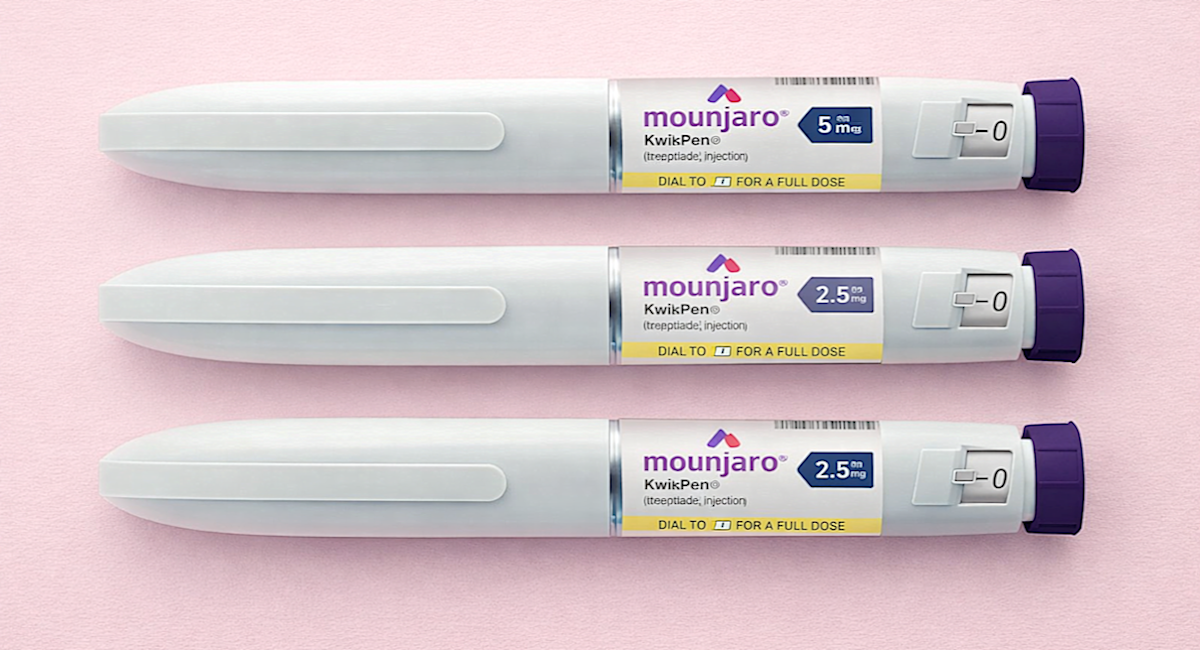
Mounjaro weight loss injections: FAQs
While weight loss injections such as Mounjaro can be incredibly helpful for some people, they’re also just one piece of the puzzle when it comes to long-term metabolic health. Understanding what they can and can’t do, and how they work, can help guide your decision-making if you’re thinking about trying them. Here are answers to some of the most common questions patients ask about Mounjaro.
by Dr Nienke Lees
Frequently asked questions
If my BMI is between 18.5 and 20, should I be concerned?
If your BMI falls within this range, you are considered a bit underweight. While it's not as low as being under 18.5, it suggests you shouldn't lose more weight. If your weight is stable, you have no other health issues, and you eat well, it might not be a concern. However, it's a good idea to monitor it and ensure you're getting adequate nutrition.
Can I be malnourished even if my BMI isn't in the underweight range?
Yes, you can be malnourished even if your BMI doesn't indicate you are underweight. This can happen if you've stopped eating healthily due to illness, leading to a loss of essential nutrients. Malnutrition is about not getting enough nutrients, not just about being underweight.
What should I do if I am losing weight without trying?
If you are losing weight unexpectedly, it's important to consult your GP. While it's understandable to be concerned, it's rarely due to very serious conditions like cancer. Many other factors, such as an overactive thyroid gland or digestive problems, could be the cause. Your doctor can investigate and help identify the reason.
What is a 'food first' approach to gaining weight and improving nutrition?
A 'food first' approach focuses on modifying your diet to increase calorie and nutrient intake. This often involves incorporating full-fat foods like full-fat milk and cream, which provide more calories in smaller portions. Other strategies include eating small, frequent meals, avoiding drinking fluids just before meals, and ensuring you get plenty of vitamins and minerals from your food, rather than relying on 'empty' calorie sweets.
Are oral nutritional supplements (ONS) something I can just buy to help with malnourishment?
Oral nutritional supplements (ONS) are usually only considered after a full assessment by a healthcare professional, typically a dietitian, who has determined you are malnourished and that dietary changes alone are insufficient. They are not generally recommended for self-purchase without specific guidance, as their use is based on individual nutritional needs and medical assessment.
Can exercise be beneficial if I'm underweight?
Yes, exercise can be very beneficial even if you are underweight. It helps to counter some side effects of malnutrition and build muscle tone. Weight-bearing exercises help protect against bone thinning, while activities like yoga and Pilates can improve toning and flexibility without excessive calorie burning. Regular exercise also improves balance and strength, reducing the risk of falls.
About the authorView full bio

Dr Sarah Jarvis
Clinical Consultant
MA (Cantab), BM, BCh (Oxon), DRCOG, FRCGP, MBE
After training in medicine at Cambridge and Oxford, Dr Sarah Jarvis MBE became a GP.
About the reviewerView full bio

Dr Hayley Willacy, FRCGP
General Practitioner, Medical Author
MBChB (1992), DRCOG, DFFP, MRCOG (Part 1) MRCGP (2007), DFSRH (2013), MSc - medical education (2020)
Dr Hayley Willacy was an NHS GP working in northwest England, who retired from clinical practice in 2022 after 30 years.
Article history
The information on this page is peer reviewed by qualified clinicians.
Article also available in English, German, Spanish, French, Italian, Portuguese, Hindi, Hebrew, Arabic, and Swedish.
20 Jun 2018 | Latest version
Join the conversation
Share your thoughts or experiences with others in our patient communities.

Ask, share, connect.
Browse discussions, ask questions, and share experiences across hundreds of health topics.

Feeling unwell?
Assess your symptoms online for free
Sign up to the Patient newsletter
Your weekly dose of clear, trustworthy health advice - written to help you feel informed, confident and in control.
By subscribing you accept our Privacy Policy. You can unsubscribe at any time. We never sell your data.
More in healthy living
- 6 health benefits of swimming
- New8-Week Healthy Baby Course
- Are dance workouts good for keeping fit?
- Can hair transplants improve mental health?
- Do you really need to walk 10,000 steps a day?
- Good sleep matters: it isn't just about clocking hours
- How does Wegovy work for weight loss?
- How to be a calm parent when you're stressed
- How to have great sex in later life
- How to stop ‘mum guilt’ from impacting your mental health
- UpdatedHow to strengthen your core
- How to work out without feeling like you're exercising
- The most common reasons you're not losing weight
- Tips for a healthier online life
- Trouble sleeping? The culprit may be something you ate
- Where to find support if you have been a victim of drink spiking
- Why do we use dark humour as a coping mechanism?
- Why new year's resolutions fail - and what you can do about it
- Why you should take up a creative hobby this year
- NewYoung-onset dementia - what you need to know