Bone scan
Peer reviewed by Dr Colin Tidy, MRCGPLast updated by Dr Doug McKechnie, MRCGPLast updated 13 Mar 2023
Meets Patient’s editorial guidelines
- DownloadDownload
- Share
- Language
- Discussion
- Audio Version
- Add to preferred sources on Google
A bone scan is a special type of nuclear medicine procedure that uses radionuclides to create a picture of the bones. Radionuclides are chemicals which emit radioactivity that can be detected by special scanners.
A bone scan is different to a bone density scan (DEXA). See the DEXA Scan leaflet for more information on this bone density test. A DEXA scan is also known as a DXA scan.
Note: the information below is a general guide only. The arrangements, and the way tests are performed, may vary between different hospitals. Always follow the instructions given by your doctor or local hospital.
At a glance
A bone scan uses a small amount of radioactive substance injected into a vein to create images of your bones.
This substance collects in areas of high bone activity, which show as 'hot spots' on the scan.
Bone scans help detect cancer spread to bones, infections, certain fractures, and other bone damage.
The scan involves an injection and then a wait of 2-4 hours before the main scan begins.
The total time for the procedure, including the wait, is usually 4-6 hours.
Tell your doctor if you are pregnant, may be pregnant, or are breastfeeding, as precautions are needed.
How does a bone scan work?
Bone scans use radionuclides to detect areas of the bone which are growing or being repaired. A radionuclide (sometimes called a radioisotope or isotope) is a chemical which emits a type of radioactivity called gamma rays. A tiny amount of radionuclide is put into the body, usually by an injection into a vein.
Cells which are most 'active' in the target tissue or organ will take up more of the radionuclide. So, active parts of the tissue will emit more gamma rays than less active or inactive parts.
Gamma rays are similar to X-rays and are detected by a device called a gamma camera. The gamma rays which are emitted from inside the body are detected by the gamma camera. The rays are then converted into an electrical signal and sent to a computer.
The computer builds a picture by converting the differing intensities of radioactivity emitted into different colours or shades of grey. For example, areas of the target organ or tissue which emit lots of gamma rays may be shown as red spots ('hot spots') on the picture on the computer monitor.
Areas which emit low levels of gamma rays may be shown as blue ('cold spots'). Various other colours may be used for 'in between' levels of gamma rays emitted.
How long does a bone scan usually take?
In total, you should allow about four to six hours for everything required for the scan.
An injection of radionucleotides is given via a drip (cannula) into your vein. This takes about 2 to 4 hours to circulate around the body. Sometimes, a few scans might be taken straightaway. You will have the main part of the bone scan after a waiting period of a few hours.
Once enough time has passed, you'll have the main scan. This can take between 30 minutes and 1.5 hours; the radiographers doing the scan will be able to tell you how long to expect.
Are bone scans safe?
The term 'radioactivity' may sound alarming. But, the radioactive chemicals used in radionuclide scans are considered to be safe, and they leave the body quickly in the urine. The amount of radiation that your body receives is very small. In many cases, the level of radiation involved is not much different to a series of a few normal X-rays. However:
As with any other types of radiation (such as X-ray), there is a small risk that the gamma rays may affect an unborn child. So, tell your doctor if you are pregnant or if you may be pregnant.
It takes about 24 hours for the radionucleotide to leave your body completely. The risk to other people is very, very low (and might even be zero), but, as a precaution, you'll often be advised to avoid prolonged close contact with children or pregnant women for 24 hours.
Rarely, some people have had allergic reactions to the injected chemical. Tell your doctor if you are allergic to iodine.
Theoretically, it is possible to receive an overdose when the chemical is injected. This is very rare.
What does a bone scan show?
In a bone scan, a radionuclide is used which collects in areas where there is a lot of bone activity (where bone cells are breaking down or repairing parts of the bone).
So a bone scan is used to detect:
Cancer that has spread to the bones.
Infection of the bone, including infections around joint replacements.
Broken bones that can't be seen on other tests.
Bone damage.
Other causes of unexplained bone pain.
These areas of activity are seen as 'hot spots' on the scan picture.
This type of radionuclide bone scanning is also called bone scintigraphy. It is a totally different type of procedure to the DEXA bone scan which is used to measure density of bones in conditions such as 'thinning' of the bones (osteoporosis). (See the separate leaflet called DEXA Scan for information about this other kind of bone scan.)
What preparation do I need?
Usually very little. Your hospital should provide you with information regarding any special arrangements. This test should not be carried out in pregnant women. You should advise your doctor if you are pregnant or, if you think you may be pregnant.
You should also inform your hospital if you are breastfeeding, as special precautions may be necessary. You may also be asked to empty your bladder of urine before the scanning begins. You will be asked to drink several glasses of water between the injection and the scan.
What happens during a bone scan?
When you arrive, a radiographer (a specially trained person who operates the radiology machines to get the scan images) will explain what will happen, and will ask you to sign a consent form to indicate that you understand and agree to go ahead. You can, and should, ask any questions you have about the procedure at this point.
The injection
In a bone scan a small amount of a radioactive substance (radionuclide tracer) is injected into a vein in your arm. It then takes some time after injection of the tracer - sometimes several hours - for the radionuclide to travel to the target tissue and to be 'taken' into the active cells. So, after receiving the radionuclide you may have a wait of a few hours. You may be able to go out and come back to the scanning room later in the day.
The scan
When it is time to do the scanning, you will need to lie on a couch while the gamma camera detects the gamma rays coming from your body, and the computer turns the information into a picture. You need to lie as still as possible whilst each picture is taken (so it is not blurred). Some pictures can take 30 minutes or more.
The number of pictures taken, and the time interval between each picture, vary depending on what is being scanned. For a whole body bone scan, you move slowly through the whole scanner and the picture is taken continuously.
After the bone scan
Bone scans do not generally cause any after effects. Through the natural process of radioactive decay, the small amount of radioactive chemical in your body will lose its radioactivity over time.
It also passes out of your body through your urine over about 24 hours. You may be instructed to take special precautions after urinating, to flush the toilet twice and to wash your hands thoroughly.
You will be advised to drink plenty of water for a day after the scan to help flush the radionuclide out of your system.
If you have contact with children or pregnant women you should let your doctor know. Although the levels of radiation used in the scan are small they may advise special precautions. Your hospital should give you more advice on this.
Patient picks for Imaging

Tests and investigations
Cerebral angiography
Cerebral angiography is a test that uses X-rays and a special dye to create pictures of the blood vessels that supply the brain. Note: the information below is a general guide only. The arrangements, and the way tests are performed, may vary between different hospitals. Always follow the instructions given by your doctor or local hospital.
by Dr Mary Harding, MRCGP
Tests and investigations
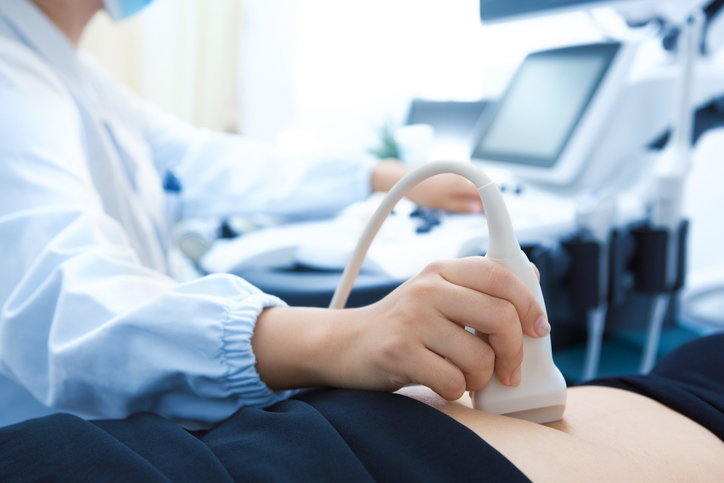
Ultrasound scan
An ultrasound scan is a painless test that uses sound waves to create images of organs and structures inside your body. It is a very commonly used test. As it uses sound waves it is thought to be very safe. Doppler and duplex scans are used to visualise blood or fluids flowing through the body. Note: the information below is a general guide only. The arrangements, and the way tests are performed, may vary between different hospitals. Always follow the instructions given by your doctor or local hospital.
by Dr Toni Hazell, FRCGP
Frequently asked questions
What is the difference between a bone scan and an X-ray?
Bone scans use a radioactive chemical (radionuclide) injected into your body to highlight areas of increased bone activity, which are then detected by a gamma camera. This allows the scan to identify issues like cancer spread, bone infections, or fractures not visible on other tests. X-rays, on the other hand, use radiation passed through the body to create a 2D image of bone structures, primarily showing fractures or structural changes.
What should I do if I am claustrophobic before having a bone scan?
The article mentions that during the scan, you will lie on a couch while a gamma camera detects rays from your body. You need to lie as still as possible. If you are concerned about claustrophobia, you should discuss this with the radiographer or medical staff when you arrive for your scan, or with your doctor beforehand, as they may be able to offer advice or accommodations.
Can I eat or drink before a bone scan?
The article states that you will be asked to drink several glasses of water between the injection and the main scan. It does not mention any specific restrictions on eating before the procedure, but it's always best to check with your hospital for any specific instructions they may have.
Will I feel anything during the bone scan?
You will feel a small prick when the radionuclide is injected into a vein in your arm, similar to a blood test. During the main scanning part, you will lie still on a couch, and the gamma camera will pass over you. The article does not suggest that you will feel any sensation from the gamma camera itself.
Can I drive myself home after a bone scan?
The article does not specify any restrictions on driving after a bone scan. It states that bone scans do not generally cause any after-effects and that the radioactive chemical leaves your body relatively quickly. However, it's always a good idea to confirm with the hospital staff regarding any post-procedure recommendations before driving.
Further reading and references
- O'Sullivan GJ, Carty FL, Cronin CG; Imaging of bone metastasis: An update. World J Radiol. 2015 Aug 28;7(8):202-11. doi: 10.4329/wjr.v7.i8.202.
- Graham R, Little D, Cade S, et al; British Nuclear Medicine Society Clinical Guideline for bone scintigraphy. Nucl Med Commun. 2022 Nov 1;43(11):1109-1112. doi: 10.1097/MNM.0000000000001615. Epub 2022 Sep 27.
About the authorView full bio

Dr Doug McKechnie, MRCGP
Medical Writer
MA, MBBS, MSc, DRCOG, MRCP(UK), MRCGP(2021), FHEA
Dr Doug McKechnie is an NHS GP working in London. He works full-time clinically and is also the Deputy Lead for the Clinical and Professional Practice module at University College London Medical School.
About the reviewerView full bio

Dr Colin Tidy, MRCGP
General Practitioner, Medical Author
MBBS, MRCGP, MRCP (Paediatrics), DCH
Dr Colin Tidy is an NHS Doctor, based in Oxfordshire.
Article history
The information on this page is written and peer reviewed by qualified clinicians.
Article also available in English, German, Spanish, French, Italian, Portuguese, Hindi, Hebrew, Arabic, and Swedish.
Next review due: 11 Mar 2028
13 Mar 2023 | Latest version
Join the conversation
Share your thoughts or experiences with others in our patient communities.

Ask, share, connect.
Browse discussions, ask questions, and share experiences across hundreds of health topics.

Feeling unwell?
Assess your symptoms online for free
Sign up to the Patient newsletter
Your weekly dose of clear, trustworthy health advice - written to help you feel informed, confident and in control.
By subscribing you accept our Privacy Policy. You can unsubscribe at any time. We never sell your data.
More in tests and investigations
- Ambulatory electrocardiogram
- BRCA genes
- Breast screening
- Cardiac enzymes
- Faecal immunochemical test
- Full blood count and blood film
- Gastroscopy
- Home and ambulatory blood pressure recording
- Liver function tests
- Lumbar puncture
- Newborn bloodspot test
- Newborn hearing test
- Newborn physical examinations
- Patch testing for contact dermatitis
- Proteinuria
- Routine kidney function blood test
- Sigmoidoscopy
- Sperm test
- Thyroid function tests
- Urine dipstick test