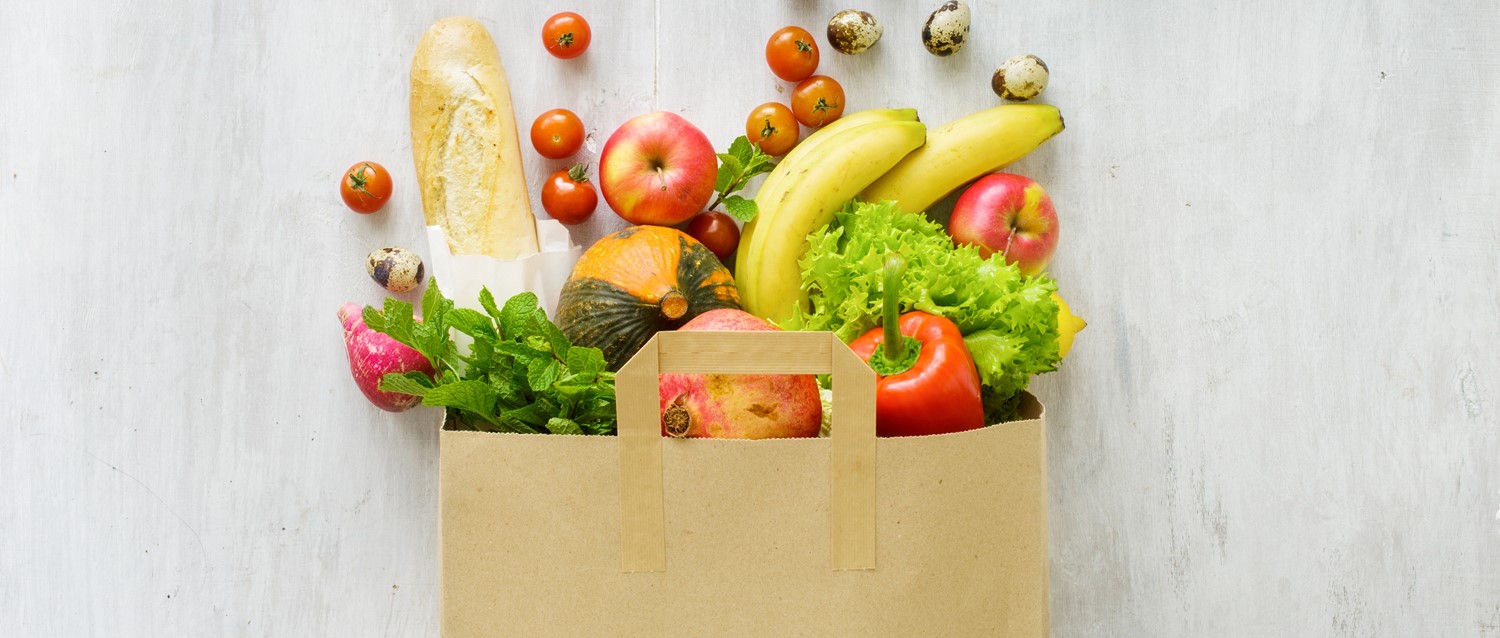
Einkaufstipps für Lebensmittel für Menschen mit Diabetes
Begutachtet von Dr Sarah JarvisVerfasst von Dr Mary Elisabeth Lowth, FRCGPUrsprünglich veröffentlicht 10. Mai 2018
Erfüllt die redaktionelle Richtlinien
- HerunterladenHerunterladen
- Teilen
- Language
- Diskussion
- Ask Patient
- Audio-Version
- Zu bevorzugten Quellen bei Google hinzufügen
Es ist verständlich, sich nach einer Diabetes-Diagnose überwältigt zu fühlen, besonders wenn es um Mahlzeitenpläne und den Wocheneinkauf geht. Aber keine Sorge; die gleichen Prinzipien gesunder Ernährung gelten, egal ob man Diabetes hat oder nicht. Dieser einfache Leitfaden bietet eine vernünftige Sichtweise auf den Einkauf im Supermarkt für Menschen mit der Erkrankung.
Melden Sie sich für unseren kostenlosen 10-wöchigen Diabetes-Kurs an!
Jede Woche werden wir ein anderes Thema erkunden, um Ihnen zu helfen, Ihr Diabetes besser zu verstehen und zu bewältigen, einschließlich des täglichen Lebens und der Medikamente, des mentalen Wohlbefindens, der neuesten Diabetes-Technologie und der Ernährung.
Durch das Abonnieren akzeptieren Sie unsere Datenschutzrichtlinie. Sie können sich jederzeit abmelden. Wir verkaufen Ihre Daten niemals.
Which foods are 'banned'?
Der beste Weg, um Lebensmittel einzukaufen, wenn Sie oder jemand in Ihrer Familie Typ-1-Diabetes haben oder Typ-2-Diabetes, is to follow exactly the same guidelines that apply to everyone else.
Diabetes UK sagt: "Der heutige Ansatz besteht darin, Diabetes und Insulin in die gleiche gesunde, ausgewogene Ernährung einzupassen, die für alle empfohlen wird, mit viel Obst und Gemüse und etwas Nahrung aus allen Lebensmittelgruppen."
Dies mag für einige überraschend sein. Einer meiner ehemaligen Patienten, John*, wurde diagnostiziert mit Typ-2-Diabetes when he was 58. His wife, Mary*, completely changed her shopping habits at once, replacing their cooked evening meals with lean meat and salad, and their sandwich lunches with soups, and banning toast and marmalade from the breakfast table.
John confessed to me that he thought his new diet was positively miserable. All the foods he most enjoyed - meat and potato pie, roast meat, cheese on toast and sweetened drinks - were gone.
I referred the couple to a dietician who talked to them about a healthy diet that they would both enjoy. Meat and potato pie didn't have to be banned, roast meat is a good source of protein, and chips are fine in moderation. The dietician also suggested ways to 'wean' him off his sweet tooth, using sweeteners, so that he would eventually prefer to have his tea without sugar. His wife became less anxious about his diet as she understood that not everything needed to be banned.
It doesn't have to be expensive
Aside from foods mistakenly believed to be forbidden, many people diagnosed with diabetes are also concerned it will make the weekly shop a lot more expensive. This was something that really worried Julia*, a single mother trying to manage on a low income. Her son Luke* was diagnosed with Typ-1-Diabetes at age 10. She was sure 'diabetic foods' were beyond her means and she felt she didn't have the flexibility within her budget to shop more healthily. But Julia didn't need to buy those expensive 'suitable for diabetes' products in the first place.
Als Hausarzt Dr Colin Tidy says: "Foods labelled as 'suitable for people with diabetes' on the supermarket shelves do not provide you with any special benefit above that of ordinary foods and so are not recommended. These foods are often more expensive, high in calories and still able to cause your blood sugar (glucose) levels to rise."
Eine Ernährungsberaterin verbrachte ebenfalls einige Zeit mit Julia. Sie verwies sie auf viele hilfreiche Websites, wie zum Beispiel die von Jack Monroe Cooking on a Bootstrap, which provides accessible recipes for those on a very tight budget. It wasn't easy at first. Luke liked sweets, and was at times very frustrated that he couldn't eat exactly what his friends were eating. However, Julia was a convert and found she was spending less on their new healthier diet. Luke soon made friends through the diabetes clinic, and through Diabetes UK, and this made him feel less 'different'.
Food shopping tips
Sehen Sie unsere diabetes recipes zur Inspiration. Und befolgen Sie diese Tipps:
Obst und Gemüse
You should aim for your 'five a day' von Obst- und Gemüseportionen. Sie können auch Konserven, Tiefkühl- und Trockenprodukte einbeziehen. Finden Sie interessante Salatblätter und servieren Sie sie als Beilage zu Ihrem Essen. Wenn Sie es 'auf französische Art' machen und einen Salat vor dem Hauptgericht essen, kann das Ihren Appetit zügeln. Seien Sie jedoch sparsam mit Dressings; wählen Sie klare Vinaigrettes anstelle von cremigen Saucen. Ein wirklich gutes Dressing besteht aus einem kleinen bisschen Olivenöl und Zitronensaft oder Balsamico-Essig.
Milchprodukte
Milchprodukte, einschließlich Milch, Käse und Joghurt, sind alle gut für Sie und liefern Ihnen essentielle Vitamine und Mineralien. Einige Käsesorten, insbesondere Hartkäse, sind high in fat content, and it is generally advisable to keep down the levels of animal fats we eat. Low-fat cheese and yoghurts and skimmed, or semi-skimmed, milk are best if you're eating these foods a lot.
Meat, fish and pulses
Lean meat is generally better for you than fattier cuts. Chicken is a particularly low-fat meat. If you're buying bacon and sausages you can grill a lot of the fat out of them.
Fish is healthy, and the Fette in fettem Fisch Lachs ist gut für Ihr Gehirn und Ihr Herz.
Für ein plant-based protein source, canned beans and pulses are just as good as the dried ones, and don't need soaking or prolonged cooking - but you can opt for either. Both are high in protein and low in fat and they can be added to stews and soups to make them go further.
Drinks
Fruit juice is great in moderation (a single 150 ml portion a day, preferably with food) but read the box as some are naturally higher than others in 'free sugar'. Do be aware that fruit juice should be labelled 100% fruit juice - 'fruit juice drinks' or 'fruit nectars' can contain lots of added sugars and should be off the menu. Avoid sweetened fizzy drinks for yourself and your family; sie sind schlecht für die Zähne, encourage a 'sweet tooth' and are 'empty calories' - meaning they have no significant additional nutritional value. Consider flavouring your own water instead. A litre of water kept in the fridge, infused for an hour or two with cucumber, orange or melon, is delicious.
What to buy for the store cupboard
Tins
Tinned tomatoes make an excellent basis for sauces with many meals; they are low in fat and carbohydrate. Opt for tinned fruit in natural juices rather than in syrup. Canned tuna in brine is an excellent, low-calorie source of protein for sandwiches and salad snacks - although do watch the salt content.
Curry pastes
Avoid creamy 'cook-in' sauces which often have lots of added salt and are high in fat. And choose curry pastes rather than ready made sauces - they are better value and you can use tomatoes, stock, or low-fat coconut milk to make up the sauce.
Pulses
Dried lentils and chickpeas are an excellent back-up for the store cupboard.
Stärkehaltige Lebensmittel
Keep pasta and rice in the cupboard - brown is better for you, although it takes longer to cook - but white is also fine.
Cooking oil
Choose light olive oil or sunflower oil for cooking.
*Names have been changed to protect identities
Dr. Mary Lowth ist eine Autorin oder die ursprüngliche Autorin dieses Merkblatts.
Patientenauswahl für Diabetes mellitus
Diabetes
Was ist Flash-Glukose-Monitoring und wie kann es Menschen mit Diabetes helfen?
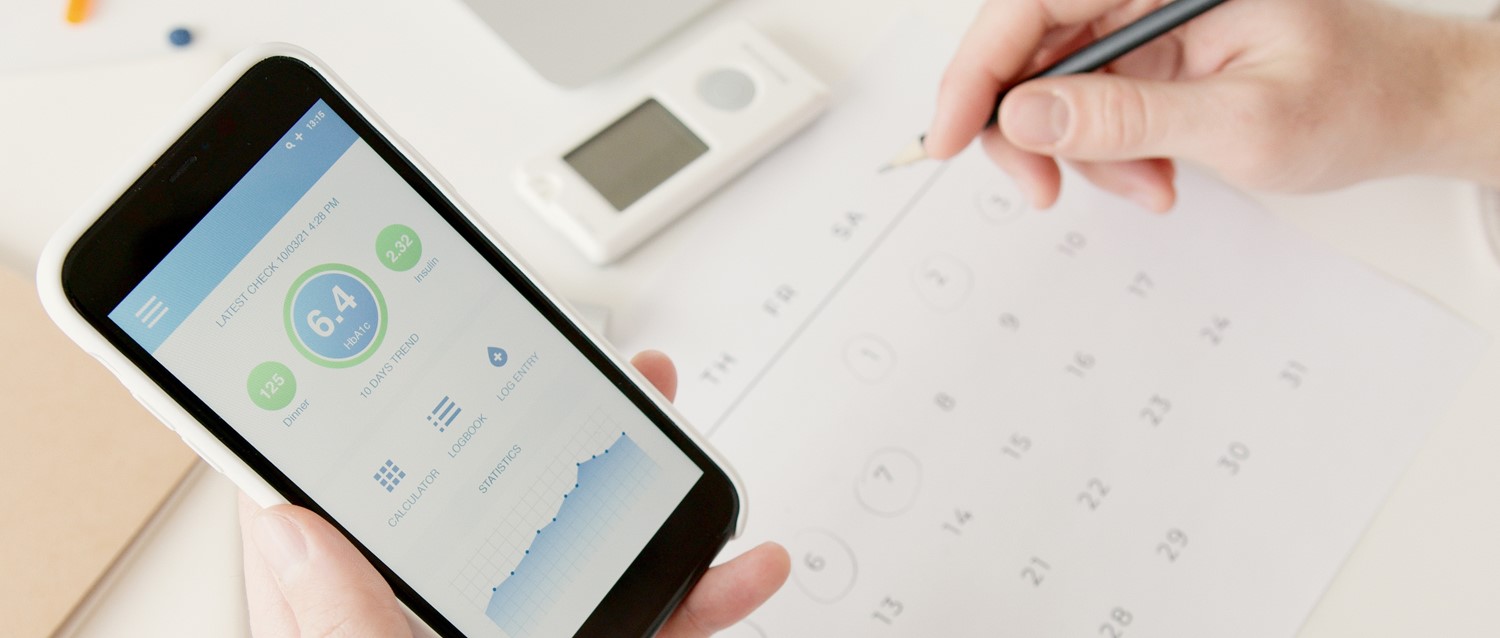
Die Technologie verändert die Art und Weise, wie wir unser Leben leben, und erleichtert das Leben mit Gesundheitszuständen wie Diabetes. Ein Flash-Glukosemonitor, auch Flash genannt, verwendet einen Sensor, der auf der Rückseite des Oberarms platziert und extern vom Benutzer getragen wird. Er ist an eine winzige Nadel angeschlossen, die direkt unter der Haut sitzt. Dies ermöglicht es, Glukoseinformationen schnell und einfach zu überwachen. Aber was genau sind diese Geräte und welche Vorteile bieten sie?
von Lydia Smith

Diabetes
Diabetes erhöht das Risiko für Herzinsuffizienz, insbesondere bei Frauen
A new study has found that there is a stronger link between diabetes and heart failure in women than in men.
von Milly Evans
Über den AutorVollständige Biografie anzeigen
Verfasst von

Dr Mary Elisabeth Lowth, FRCGP
MA (Cantab), MB, BChir, DFFP, DRCOG, PG Cert, Med Ed, FRCGP, MA (London)
Dr Mary Lowth qualified in Cambridge in 1988 and has been a GP and expedition doctor for 30 years, a medical educator and MRCGP examiner for 20 years and a law and ethics academic for 10 years. As a GP her special interests are paediatrics, ethics and womens health, and sexual health medicine.
Über den RezensentenVollständige Biografie anzeigen

Dr. Sarah Jarvis
Klinische Beraterin
MA (Cantab), BM, BCh (Oxon), DRCOG, FRCGP, MBE
Nach ihrer medizinischen Ausbildung in Cambridge und Oxford wurde Dr. Sarah Jarvis MBE Hausärztin.
Artikelverlauf
Artikel auch verfügbar in Englisch, Deutsch, Spanisch, Französisch, Italienisch, Portugiesisch, Hindi, Hebräisch, Arabisch, und Schwedisch.
10. Mai 2018 | Ursprünglich veröffentlicht
Verfasst von:
Dr Mary Elisabeth Lowth, FRCGPBegutachtet von
Dr. Sarah Jarvis
Teilen Sie Ihre Gedanken oder Erfahrungen mit anderen in unserem Patientengemeinschaften.
Abonnieren Sie den Patienten-Newsletter
Ihre wöchentliche Dosis klarer, vertrauenswürdiger Gesundheitsberatung - geschrieben, um Ihnen zu helfen, sich informiert, selbstbewusst und in Kontrolle zu fühlen.
Durch das Abonnieren akzeptieren Sie unsere Datenschutzrichtlinie. Sie können sich jederzeit abmelden. Wir verkaufen Ihre Daten niemals.