Why low blood sugar is dangerous
Peer reviewed by Dr Hayley Willacy, FRCGP Last updated by Dr Sarah JarvisLast updated 21 Dec 2017
Meets Patient’s editorial guidelines
- DownloadDownload
- Share
- Language
- Discussion
- Audio Version
- Add to preferred sources on Google
Hypoglycaemia, or low blood sugar, is often known as a 'hypo'. It can make you feel unwell and affect your ability to drive. Simple steps will reduce the risk, and allow you to treat a hypo early, before it causes more serious complications.
Sign up for our free 10-week Diabetes course!
Each week, we'll explore a different topic to help you better understand and manage your diabetes, including everyday living and medicines, to mental wellbeing, the latest in diabetes tech, and nutrition.
By subscribing you accept our Privacy Policy. You can unsubscribe at any time. We never sell your data.
Blood sugar - what's normal?
Under normal circumstances, your body does a remarkable job of keeping your blood sugar (in the form of glucose) stable. Usually your body releases a hormone called insulin, produced by your pancreas, in response to rises in blood sugar. Your body's cells need glucose as fuel to allow them to function. Insulin acts as a 'key', opening the door of your cells to allow glucose in. Another hormone helps raise your blood sugar if it gets too low.
Your blood sugar, which is measured in millimoles per litre or mmol/L, is usually maintained between 4 and 6 mmol/L when you're fasting, and up to 7.8 mmol/L two hours after a meal. Diabetes is diagnosed on the basis of raised blood glucose.
Hypos - what causes them?
People with type 1 diabetes need insulin in injection form, because they don't produce any insulin of their own. People with type 2 diabetes sometimes need insulin if their blood sugar can't be controlled with other tablets. If you're using insulin injections, the amount of insulin you need depends on lots of factors, including how much food you've eaten. More insulin than you need can drop your blood sugar below normal levels, causing a 'hypo'.
So too can some tablets used in type 2 diabetes, particularly sulfonylureas, nateglinide and repaglinide, which act by making your body produce more insulin.
What symptoms do hypos cause?
If your blood sugar drops below about 4 mmol/L, you may experience:
Feeling weak or tired and hungry.
Feeling shaky and sweaty, with cold, clammy skin.
Irritability and poor concentration.
Headache and feeling sick.
Palpitations.
Blurred vision.
If your blood sugar continues to drop, you may develop:
Confusion and drowsiness.
Poor co-ordination.
Difficulty speaking.
Irrational behaviour.
Collapse and loss of consciousness.
In very severe cases, hypoglycaemia can be fatal.
How can I avoid hypos?
If you have type 1 diabetes, you'll often be encouraged to control your blood sugar to almost the same levels as someone who doesn't have diabetes, especially if you're young and don't have complications of diabetes or other medical conditions. This is because high blood glucose in the long term is linked to damage to your kidneys, eyes, nerves, feet and heart. However, keeping tight control of your blood glucose does increase the risk of hypos.
Having said that, there are lots of steps you can take to reduce the risk of hypos. These include:
Not skipping or delaying snacks or meals.
Learning about the right dose of insulin you need for a given amount of carbohydrate.
Adjusting your insulin if you're exercising vigorously.
Avoiding alcohol, and particularly drinking on an empty stomach.
Speaking to your medical team in advance of situations where your normal eating will be disrupted (eg, at Ramadan, if you're travelling or working shifts) so you can work together to adjust your insulin dose.
If you're taking sulfonylurea tablets and getting symptoms that you think may be hypos, speak to your team. They may be able to change your medication, as there are many alternative treatments for type 2 diabetes that don't cause hypos.
Keeping a supply of sugary drink, fruit juice or glucose tablets to hand at all times, so you can treat symptoms early.
Checking your blood glucose regularly.
If, despite all your best efforts, you continue to suffer from frequent and debilitating hypos, you may be eligible for one of the newer continuous glucose monitoring options. The Freestyle Libre monitoring system has now been added to the NHS drug tarrif, and others may follow for people with type 1 diabetes.
How often should I check my blood sugar?
Not everyone with type 2 diabetes needs to check their own blood glucose - it's usually recommended only if you're taking sulfonylurea tablets or insulin injections. Obviously you still need to attend for regular diabetes checks, where your blood sugar and HbA1c will be monitored. HbA1c is a measure of your average blood glucose control over the last three months.
If you have type 1 diabetes, you should always check your blood sugar regularly. Your doctor or nurse will usually recommend that you check at least four times a day, including before each meal and before bed, even if you're not driving.
If you're driving and taking insulin or other medication that could cause hypos, the DVLA recommends that you should check your blood glucose less than two hours before you start driving and every two hours while you are driving.
What should I do if my blood sugar is low?
A 'hypo' is usually defined as a blood glucose below 4 mmol/L. A useful way to remember it is 'Five, don't drive; four is the floor'. In other words, if your blood glucose is below 5 mmol/L, you shouldn't drive. If it's below 4 or you have symptoms of a hypo:
Stop what you're doing (pull over as soon as it's safe if you're driving and take the keys out of the ignition).
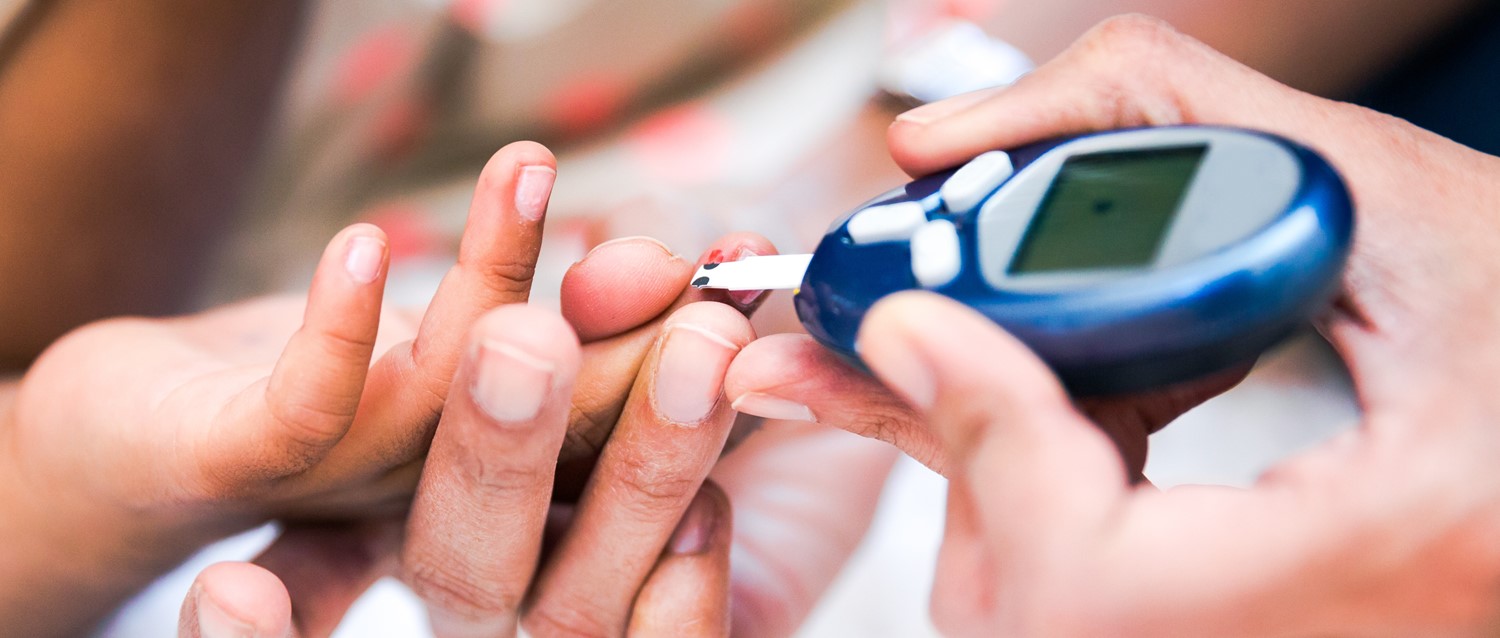
Check your blood glucose if you haven't already.
Immediately eat some glucose tablets or sugary sweets (jelly babies are ideal) or drink fruit juice or a sugary drink - the standard recommended amount is 15-20 grams of fast-acting carbohydrate.
Warn anyone you're with about what's happening, so they can help if your symptoms get worse.
Relax for 15 minutes or so while your blood glucose rises.
Check your blood glucose again. Don't drive until at least 45 minutes after it has risen above 5 mmol/L.
You may also need to eat another snack, or a meal if it's due - your medical team can advise.
How can I help if I think someone is having a hypo?
The symptoms of hypos can often be mistaken for drunkenness. So if you see someone acting oddly, especially if you know or suspect they have diabetes, check if they have:
A medical alert bracelet or similar.
An insulin pen or syringe, or glucose testing kit.
Glucose gel or sugary sweets.
Then:
Help them sit down quietly.
If they have their own glucose gel, help them take it.
Otherwise, give them sugary sweets, two teaspoons of sugar, or a glass of sugary drink or fruit juice (even if you're not sure they're having a hypo, it's safer to do this).
Keep a careful eye on their level of responsiveness, breathing and pulse.
If they get better, make sure they check their blood glucose.
If they don't improve, call 999.
Patient picks for Diabetes mellitus

Diabetes
Diabetes increases heart failure risk, particularly in women
A new study has found that there is a stronger link between diabetes and heart failure in women than in men.
by Milly Evans

Diabetes
Can better sleep help with diabetes?
Getting enough sleep is vital for your overall wellbeing - you need around 7 to 9 hours a night to support your mental and physical health. If you have diabetes, it's especially important to get enough sleep, as it can play a key role in managing your condition. In this article, we explore why sleep matters and how to incorporate healthy sleep habits into your daily routine.
by Victoria Raw
About the authorView full bio

Dr Sarah Jarvis
Clinical Consultant
MA (Cantab), BM, BCh (Oxon), DRCOG, FRCGP, MBE
After training in medicine at Cambridge and Oxford, Dr Sarah Jarvis MBE became a GP.
About the reviewerView full bio

Dr Hayley Willacy, FRCGP
General Practitioner, Medical Author
MBChB (1992), DRCOG, DFFP, MRCOG (Part 1) MRCGP (2007), DFSRH (2013), MSc - medical education (2020)
Dr Hayley Willacy was an NHS GP working in northwest England, who retired from clinical practice in 2022 after 30 years.
Article history
The information on this page is peer reviewed by qualified clinicians.
Article also available in English, German, Spanish, French, Italian, Portuguese, Hindi, Hebrew, Arabic, and Swedish.
21 Dec 2017 | Latest version
21 Dec 2017 | Originally published
Join the conversation
Share your thoughts or experiences with others in our patient communities.

Ask, share, connect.
Browse discussions, ask questions, and share experiences across hundreds of health topics.

Feeling unwell?
Assess your symptoms online for free
Sign up to the Patient newsletter
Your weekly dose of clear, trustworthy health advice - written to help you feel informed, confident and in control.
By subscribing you accept our Privacy Policy. You can unsubscribe at any time. We never sell your data.
More in diabetes
- Can apps really help with diabetes management?
- Can better sleep help with diabetes?
- Changes in type 2 diabetes care - what it means for you
- Changing your dietary habits after a type 2 diabetes diagnosis
- Diabetes myths and misconceptions
- Diabetes technology
- Food shopping tips for those with diabetes
- How to manage diabetes during Ramadan
- How to snack when you have diabetes
- Is having diabetes a disability?
- Managing type 2 diabetes with exercise
- MHRA approves teplizumab to delay progression of type 1 diabetes
- Taking control of prediabetes
- The future of diabetes treatment
- The link between diabetes and mental health conditions
- Video: How do you know if you have type 2 diabetes?
- What is diabulimia?
- What's the link between diabetes and eating disorders?
- Why caring for your feet is so important if you have diabetes
- Your essential guide to exercising with diabetes