Natürliche Mittel zur Vorbeugung von Wassereinlagerungen
Begutachtet von Dr Colin Tidy, MRCGPVerfasst von Victoria RawUrsprünglich veröffentlicht 16 Jul 2025
Erfüllt die Anforderungen des Patienten redaktionellen Richtlinien
- HerunterladenHerunterladen
- Teilen
- Language
- Diskussion
- Audio-Version
- Zu bevorzugten Quellen bei Google hinzufügen
Wassereinlagerungen können aus verschiedenen Gründen auftreten. Obwohl manche Menschen anfälliger dafür sind, kann jeder diese Bedingung erleben – unabhängig von Alter oder Geschlecht. Wir untersuchen die häufigsten Anzeichen von Wassereinlagerungen, ihre Ursachen und Möglichkeiten, sie zu verhindern.
What is water retention?
Water retention - also called Ödem - is when your body holds in too much fluid. This can lead to swelling and puffiness in certain areas such as your legs, ankles, hands and feet.
Dr Po-Chang Hsu, Alpas Wellness, Greater Boston, USA explains that your body regulates fluid balance through your kidneys, circulatory system, and hormones such as aldosterone and antidiuretic hormone (ADH).
"When this balance is disrupted - due to diet, lifestyle, or underlying health conditions - fluid may accumulate where it should not," he says.
According to Hsu there are different types of water retention.
Dazu gehören:
Generalised oedema - this affects the entire body and is often linked to medical conditions such as kidney or liver disease.
Localised oedema - this is found in specific areas, such as the legs or hands, often due to injury, inflammation, or prolonged standing.
Symptoms of water retention include:
Puffiness.
Stretched or shiny skin.
Skin that temporarily holds a dimple when pressed (pitting oedema).
What causes water retention?
Water retention can be due to variety of common causes.
Diese können umfassen:
Dietary habits.
Hormonal fluctuations.
Medical conditions.
Lifestyle factors.
Hsu outlines how each of these causes affects your body:
Dietary choices - a high-sodium diet causes the body to retain more water to balance out the extra salt.
Hormonal changes - fluctuations in hormones during pregnancy, menstruation, or menopause can lead to temporary water retention.
Lifestyle factors - lack of physical activity, prolonged sitting or standing, and dehydration can contribute to fluid build-up.
Underlying health conditions - heart failure, kidney disease, and liver issues impair the body’s ability to regulate fluids.
Medikamente - Non-steroidal anti-inflammatory drugs (NSAIDs), steroids, and certain blood pressure medicines can cause water retention as a side effect.
Catherine Gervacio, registered nutritionist-dietitian and certified exercise coach says some birth control medicines can also trigger water retention.
If your water retention is due to an underlying medical condition, your doctor may prescribe 'water pills' to help you pee more (diuretics). These stimulate your kidneys to remove excess fluid from your body.
Natural solutions for water retention
Hsu advises, however, that the best way to prevent and manage water retention is to live a healthy lifestyle. There are various actions you can take.
Bleiben Sie aktiv
Incorporating exercise into your daily routine - even if it's walking or gentle stretching - improves your circulation and prevents fluid from building up in your body.
"Movement keeps your blood and lymphatic systems working correctly," says Hsu.
Gervacio suggests that if your oedema makes movement difficult, consider engaging in low-impact exercises such as swimming or yoga.
Change your diet
Reducing your intake of processed foods and salt can help your body shed excess water.
Gervacio recommends you avoid heavily processed foods such as canned soups, frozen meals, chips, and fast food.
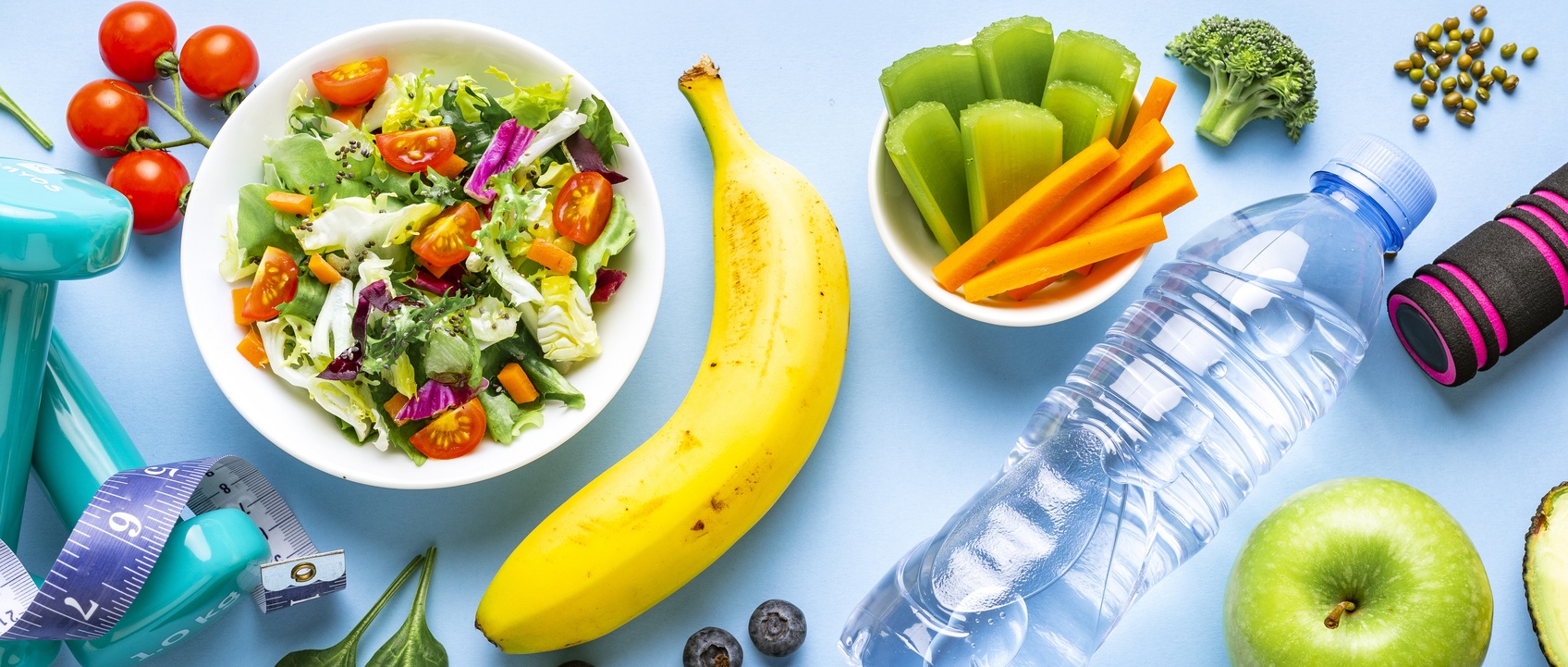
"Season your meals with herbs, spices, lemon juice, or garlic instead of salt," she suggests. "Cut back on salty snacks and eat potassium-rich foods - such as bananas, spinach, and sweet potatoes - to balance sodium levels, and add natural diuretics such as cucumber, watermelon, and parsley to your diet."
Gervacio also advises you to drink at least 8-10 cups of water a day - more if you are active - as this helps flush out excess sodium and reduce swelling in your body.
Limit certain drinks
Sugary drinks can lead to water retention by causing your body to hold on to excess fluids. For this reason, it's best to avoid beverages such as sweetened drinks and fruit juices.
Alcohol dehydrates your body. In response, your body may retain fluids to compensate for this loss.
Elevate swollen areas
Raising your legs above heart level helps reduce swelling by improving circulation. This encourages fluid movement out of your lower body.
Hsu says: "Take breaks to move around if you're sitting or standing for long periods. Compression garments such as compression socks can improve circulation, especially during travel."
Manage stress
Gervacio explains that long-term (chronic) stress through the release of cortisol - your body's stress hormone - could also lead to water retention.
Incorporating relaxation techniques into your daily routine - such as yoga, meditation, or deep breathing - can benefit both your mind and body.
When should you see a doctor about water retention?
If your swelling doesn't improve, comes on suddenly, is painful or severe, book an appointment with your doctor.
Hsu and Gervacio say this is especially crucial and you should seek immediate medical help if your symptoms are accompanied by the following:
Atemnot.
Brustschmerzen.
Atembeschwerden.
Schmerzen.
Rötung.
Warmth in the swollen area.
Fieber.
These additional signs could indicate something serious such as heart failure or a blood clot.
Hsu says: "Water retention can be uncomfortable, but you can manage or even prevent it with the proper steps - such as dietary changes, staying active, and addressing underlying medical issues.
"However, if symptoms persist or worsen, seek professional advice. A doctor can help identify the root cause and provide the most effective treatment for your situation."
Patientenauswahl für Schwellung
Anzeichen und Symptome
Wann sollten Sie sich über geschwollene Beine Sorgen machen?
Swollen ankles? Your doctor has a tricky-to-spell word that means the same thing. Oedema is the medical word for any swelling caused by excess fluid under the skin.
von Victoria Raw

Anzeichen und Symptome
Ursachen, Symptome und Behandlungen von Wassereinlagerungen
Sie haben wahrscheinlich gelesen, dass der menschliche Körper zu etwa 70% aus Wasser besteht, und wir alle wissen, dass es für unsere Gesundheit großartig ist, genug von dem guten Zeug zu trinken. Aber wenn Ihr Körper überschüssiges Wasser oder Flüssigkeit zurückhält, kann dies zu unangenehmen Symptomen führen und ein Zeichen für eine zugrunde liegende medizinische Erkrankung sein.
von Gillian Harvey
Über den AutorVollständige Biografie anzeigen

Victoria Raw
Feature-Autorin
BA (Hons), Englische Literatur
Victoria ist eine Content-Autorin bei Patient, deren besondere Interessen sich auf das mentale Wohlbefinden, gesellschaftliche Trends und den Einfluss der Technologie auf unsere Gesundheit konzentrieren.
Über den RezensentenVollständige Biografie anzeigen

Dr Colin Tidy, MRCGP
Allgemeinmediziner, Medizinischer Autor
MBBS, MRCGP, MRCP (Paediatrics), DCH
Dr. Colin Tidy ist ein NHS-Arzt mit Sitz in Oxfordshire.
Artikelverlauf
Die Informationen auf dieser Seite werden von qualifizierten Klinikern begutachtet.
Artikel auch verfügbar in Englisch, Deutsch, Spanisch, Französisch, Italienisch, Portugiesisch, Hindi, Hebräisch, Arabisch, und Schwedisch.
Nächste Überprüfung fällig: 17. Juli 2028
16 Jul 2025 | Ursprünglich veröffentlicht
Verfasst von:
Victoria RawBegutachtet von
Dr Colin Tidy, MRCGP

Fragen, teilen, verbinden.
Durchsuchen Sie Diskussionen, stellen Sie Fragen und teilen Sie Erfahrungen zu Hunderten von Gesundheitsthemen.

Fühlen Sie sich unwohl?
Bewerten Sie Ihre Symptome online kostenlos
Abonnieren Sie den Patienten-Newsletter
Ihre wöchentliche Dosis klarer, vertrauenswürdiger Gesundheitsberatung - geschrieben, um Ihnen zu helfen, sich informiert, selbstbewusst und in Kontrolle zu fühlen.
Durch das Abonnieren akzeptieren Sie unsere Datenschutzrichtlinie. Sie können sich jederzeit abmelden. Wir verkaufen Ihre Daten niemals.
Mehr zu Anzeichen und Symptomen
- Kann ich chronische Schmerzen mit CBD behandeln?
- NeuKönnen Gewitter Kopfschmerzen verursachen?
- Häufige Ursachen für einen juckenden Po
- Husten, Erkältungen und Halsschmerzen: Ist Honig besser als rezeptfreie Medikamente?
- Führt Tinnitus zu Hörverlust?
- Wie Sie Ihre Energie steigern und sich im Winter weniger müde fühlen
- Wie man juckende Augen im Sommer lindert
- Juckende Haut in der Nacht diesen Sommer? Hier ist der Grund
- Leben mit Fibromyalgie - Jennys Geschichte
- Die neuesten Erkenntnisse zum chronischen Erschöpfungssyndrom
- Ursachen, Symptome und Behandlungen von Wassereinlagerungen
- Was verursacht Kopfschmerzen?
- Was verursacht Schwindel in den Wechseljahren und wie kann man damit umgehen?
- Wie es ist, mit Krebserschöpfung zu leben
- Was Ihr ständiges Gähnen bedeuten könnte
- Wann sollten Sie sich über Schmerzen Sorgen machen?
- Wann man sich über Nachtschweiß Sorgen machen sollte
- Warum pupse ich so viel?
- Warum bin ich nach dem Essen extrem müde?