Chondrocalcinose
Begutachtet von Dr Krishna Vakharia, MRCGPAuthored by Dr Colin Tidy, MRCGPUrsprünglich veröffentlicht 24 Aug 2023
Erfüllt die Anforderungen des Patienten Richtlinien des Patienten
- HerunterladenHerunterladen
- Teilen
- Language
- Diskussion
- Audio-Version
Chondrocalcinosis is very common but only tends to cause symptoms when it is caused by an underlying condition, such as osteoarthritis.
In diesem Artikel:
Video picks for Arthritis
Lesen Sie unten weiter
What is chondrocalcinosis?
Chondrocalcinosis means the presence of calcium deposits in the cartilage of a joint. It was used to describe a condition called pseudogout (calcium pyrophosphate dihydrate crystal deposition disease, CPPD), but chondrocalcinosis is a more general term for calcium deposits and there are a number of other causes apart from pseudogout. For example, it may occur in severe Osteoarthritis.
Chondrocalcinosis increases with age and has been reported to affect about 1 in 10 people.
See also the leaflet on Calcium-Pyrophosphat-Ablagerung (Pseudogicht). CPPD is similar to Gicht, which is caused by excessive levels of uric acid in the body.
Chondrocalcinosis symptoms
Zurück zum InhaltNormally, chondrocalcinosis itself does not cause any discomfort or any problem with joint function, and is only diagnosed by an X-ray. The symptoms therefore depend on the underlying cause of chondrocalcinosis, such as:
Joint pain and inflammation caused by osteoarthritis.
In pseudogout, the affected joint (especially the wrist, knee or ankle) becomes swollen and stiff. A fever might develop.
Symptoms associated with acute attacks of rheumatoid arthritis, such as joint stiffness, swelling and pain, affecting joints on both sides of the body.
Lesen Sie unten weiter
Causes of chondrocalcinosis
Zurück zum InhaltInjuries that deteriorate the joint cartilage, such as different types of arthritis or repetitive injury can lead to excess deposits of calcium crystals in the joint. Older people are more at risk.
Other causes can be a lack of body magnesium or excess calcium or iron. The disease can also be related to many other disorders, such as Hyperparathyreoidismus, Hypothyreose, low magnesium (hypomagnesaemia), low phosphate (hypophosphatasia), Morbus Wilson und Hämochromatose.
Diagnosing chondrocalcinosis
Zurück zum InhaltChondrocalcinosis can be seen with an X-ray CT scan, MRI, ultrasound or nuclear medicine scan. Other investigations will be needed to find out the underlying cause of the chondrocalcinosis, such as blood tests or taking a sample of the synovial fluid from the affected joint (intra articularly) to look for any possible underlying cause of the chondrocalcinosis.
Lesen Sie unten weiter
Chondrocalcinosis treatment
Zurück zum InhaltIf the chondrocalcinosis is related to an underlying condition, the underlying condition must be treated first. Treatment will also be needed to manage symptoms associated with the underlying cause, such as treatment to reduce pain and stiffness of an affected joint with non-steroidal anti-inflammatory drugs (NSAIDs).
Some measures to prevent joint wear and tear can help to reduce calcium deposits in the cartilage. Regular moderate exercise to increase muscle strength and maintaining a healthy weight can help.
Patient picks for Arthritis
Knochen, Gelenke und Muskeln
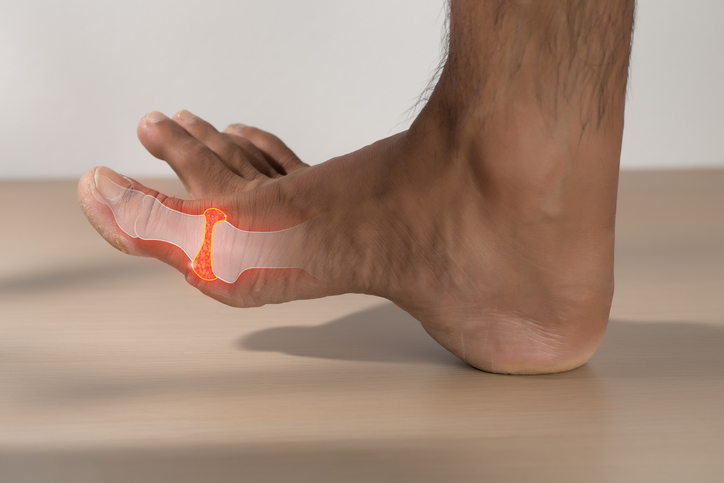
Gicht
Gout causes attacks of pain and swelling in one or more joints. An anti-inflammatory painkiller usually eases an attack quickly. Lifestyle factors may reduce the risk of having gout attacks. These include losing weight (if overweight), eating a healthy diet and not drinking a lot of alcohol or sugar-sweetened soft drinks. If gout attacks are frequent then taking a medicine (such as allopurinol) each day can prevent them.
by Dr Hayley Willacy, FRCGP
Knochen, Gelenke und Muskeln
Calcium-Pyrophosphat-Ablagerung
Calciumpyrophosphat ist eine Substanz, die in den Knorpeln der Gelenke gebildet wird. Es kann sich als Kristalle auf den Geweben der Gelenke ablagern. Dies nennt man Calciumpyrophosphat-Ablagerung. Die Calciumpyrophosphat-Ablagerung kann eine Reihe von Problemen verursachen, wobei die bekannteste Pseudogicht ist. Diese ist fast identisch mit Gicht und verursacht Schmerzattacken und Schwellungen in einem oder mehreren Gelenken. Manche Menschen entwickeln Gelenkschäden, die eine Art von chronischer Arthritis verursachen. Calciumpyrophosphat-Ablagerung verursacht manchmal keine Symptome und wird gelegentlich bei einer Röntgenaufnahme entdeckt, die aus einem anderen Grund gemacht wurde. Im Gegensatz zur Gicht gibt es keine spezielle Behandlung für Pseudogicht. Ruhe, Eisbeutel und entzündungshemmende Medikamente sind die Hauptbehandlungsformen.
by Dr Hayley Willacy, FRCGP
Weiterführende Literatur und Referenzen
- Zamora EA, Naik R; Calcium Pyrophosphate Deposition Disease.
- Moret CS, Iordache E, D'Ambrosi R, et al; Chondrocalcinosis does not affect functional outcome and prosthesis survival in patients after total or unicompartmental knee arthroplasty: a systematic review. Knee Surg Sports Traumatol Arthrosc. 2022 Mar;30(3):1039-1049. doi: 10.1007/s00167-021-06519-6. Epub 2021 Mar 6.
- Karimzadeh H, Sirous M, Sadati SN, et al; Prevalence of Chondrocalcinosis in Patients above 50 Years and the Relationship with Osteoarthritis. Adv Biomed Res. 2017 Jul 31;6:98. doi: 10.4103/2277-9175.211835. eCollection 2017.
- Abhishek A, Doherty S, Maciewicz R, et al; Chondrocalcinosis is common in the absence of knee involvement. Arthritis Res Ther. 2012 Oct 4;14(5):R205. doi: 10.1186/ar4043.
Lesen Sie unten weiter
Artikelverlauf
Die Informationen auf dieser Seite wurden von qualifizierten Klinikern verfasst und begutachtet.
Next review due: 22 Aug 2028
24 Aug 2023 | Ursprünglich veröffentlicht
Verfasst von:
Dr Colin Tidy, MRCGPBegutachtet von
Dr Krishna Vakharia, MRCGP

Fragen, teilen, verbinden.
Durchsuchen Sie Diskussionen, stellen Sie Fragen und teilen Sie Erfahrungen zu Hunderten von Gesundheitsthemen.

Fühlen Sie sich unwohl?
Bewerten Sie Ihre Symptome online kostenlos
Abonnieren Sie den Patienten-Newsletter
Ihre wöchentliche Dosis klarer, vertrauenswürdiger Gesundheitsberatung - geschrieben, um Ihnen zu helfen, sich informiert, selbstbewusst und in Kontrolle zu fühlen.
By subscribing you accept our Datenschutzrichtlinie. Sie können sich jederzeit abmelden. Wir verkaufen Ihre Daten niemals.