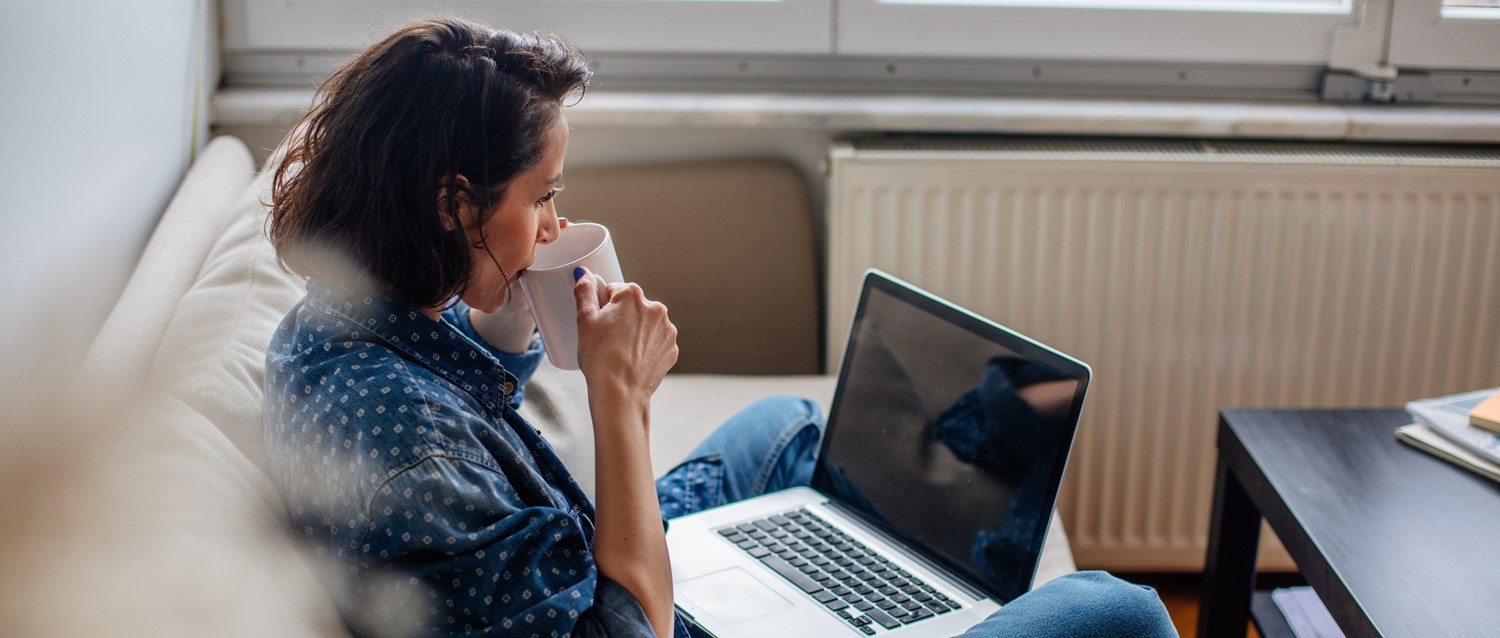
How to make the most of video therapy sessions during lockdown
Peer reviewed by Dr Sarah JarvisAuthored by Ellie BroughtonOriginally published 6 Jun 2020
Meets Patient’s editorial guidelines
- DownloadDownload
- Share
- Language
- Discussion
- Audio Version
- Add to preferred sources on Google
If you're someone who regularly has therapy sessions, you may have had your in-person sessions turned into video chats or phone calls during the coronavirus lockdown. So how can you make sure that you're still getting all of the benefits from your therapy session, even when you're not in the same room?
Use Patient's coronavirus checker tool if you have any symptoms of fever, a new cough or loss of smell or taste. Until you have used the tool and been advised what action to take, please stay at home and avoid contact with other people.
Since 23rd March, much of UK life has been spent within the four walls of our homes during the COVID-19 lockdown. To adhere to social distancing rules, counsellors and therapists have to switch to video or over-the-phone consultations so they can continue supporting clients through the coronavirus pandemic.
While therapists would usually be expected to undertake specific training (approved by a body called ACTO) to provide online therapy, the British Association for Counselling and Psychotherapy advises therapists to be 'supportive and pragmatic'. For most, this means that their work will go on.
You can now easily book private video counselling assessments via Patient Access.
Going digital
Aarun Naik is a psychotherapist in Liverpool. He estimates about 80% of his clients, most of whom work in farming, see him remotely via video calls. He's been offering online sessions for about nine years.
"Through experiencing webcam sessions as a client myself in both individual and group settings, I became convinced of how rapid and effective it can be in creating a sense of genuine person-to-person connection and rapport between therapist and client," he explains.
"This is well acknowledged through the concept of the 'disinhibition effect'. As clients are in their own homes or a space of their choosing, with a level of physical distance and separation from the therapist, they often feel safer and can present less guarded than they might do in the unfamiliar environment of a counselling room."
Over the past nine years, Naik says, working online seems to have become much more popular. "I imagine this is partly due to the advantages it offers and also because we are becoming more digital as a society. As a result, the concept of talking to people over applications such as Skype or Facetime has become second nature to many people, especially younger generations."
Avoiding interruptions
Naik advises clients to eliminate as many distractions as possible. "Turn off mobile and landline. Don’t stop mid-session to answer the front door. Have a plan to keep rowdy, disruptive pets occupied," he suggests.
He also likes to establish a back-up plan with every client for if they lose connection mid-session.
"Technology is wonderful when it works, but it can occasionally go wrong. The internet connection drops out; the video software suddenly crashes; in the middle of an important moment a client's computer decides it's suddenly time to reboot and install updates; somebody has forgotten to plug in their power cable and the computer dies mid-session. While infrequent, these things do happen." These interruptions are always irritating, but can be especially disruptive during a therapy session.
He also advises clients to take a breather before and after sessions. "I encourage clients to try to reserve 10 minutes ahead of the session to set up and settle themselves. Similarly, I encourage them to try to reserve time afterwards to allow their experience of the session integrate a little as opposed to rushing straight to pressing tasks or commitments."
Resurfacing trauma
Dr Julia Coakes is a consultant clinical psychologist at Insight Therapy Centre in Leeds who has recently switched her patients to video calls. Dr Coakes trained in 2005 and, aside from a few video calls with clients who moved abroad, has had limited experience of video calls.
Although everyone is under more pressure now, she's particularly noticed that patients with complex PTSD (cPTSD) might find that lockdown conditions recall trauma, as they feel trapped and like they are losing control.
Lilian*, 27, who has been seeing Dr Coakes for two years to treat borderline personality disorder (BPD) and complex PTSD, says she was surprised by how well the switch worked.
"I personally really struggle with phonecalls," she explains. "Not being able to see someone's face and reactions to what I am saying really throws me. Video calls are also hard for me as reactions are delayed and having BPD/cPTSD I find that difficult."
Lilian now has twice-weekly half-hour sessions, which for her was 'more manageable' than a full therapy session (usually 50 minutes). Before each session she prepares what she would like to discuss, takes notes during the session and makes written reflections in a journal afterwards.
"I normally travel to Leeds for my sessions and it has been a nice change to be able to go straight into journaling afterwards, instead of having to wait the 45-minute drive," she says. "I did not expect to be making such progress during this hard time."
Finding space for therapy
Finding somewhere you feel safe to talk during your virtual therapy session is really important. Dr Coakes advises clients not to call from the bedroom, if at all possible.
"Get a room to yourself if you can - ideally not a bedroom because if you're going to talk about anything difficult, you don't want to bring that into the space you sleep so you're not reminded of it as you try to go to sleep."
If a client's partner, parent or children leave the house during the session, clients often find it easier to talk about those key relationships, she adds. "Talking about the difficulties in being a parent is hard when you're in the house with your child."
Sometimes it might be appropriate just to ask directly for privacy. "I have one client who's moved back in with her mum and her stepdad. She says, 'Can you guys do your daily walk when I have my therapy?'" explains Coakes.
Ross Ellenhorn, a US-based psychotherapist and the author of 'How We Change', echoes Dr Coakes's advice about privacy. "It's imperative that the person sit in a private, comfortable space. They should feel sealed from the outside world.
"You have to have the experience of being sealed in your space, without any distractions or the possibility of distractions. That's the number one issue, and people should be focused on that, and how to attain it, in their unique environments. If given the choice between a comfortable couch in the living room with the possibility of intrusions from family or a large closet, with a less comfortable chair and absolutely no intrusions, I would go with the latter."
Dr Coakes notes that since lockdown started she's begun working with two new clients. They were due to start therapy anyway, and decided to pursue treatment despite lockdown conditions. And new referrals continue to arrive; she advises that people looking to start psychotherapy to carry on, regardless of lockdown, as most therapists will still be working.
* Name changed for confidentiality.
Patient picks for Pandemic articles
COVID-19
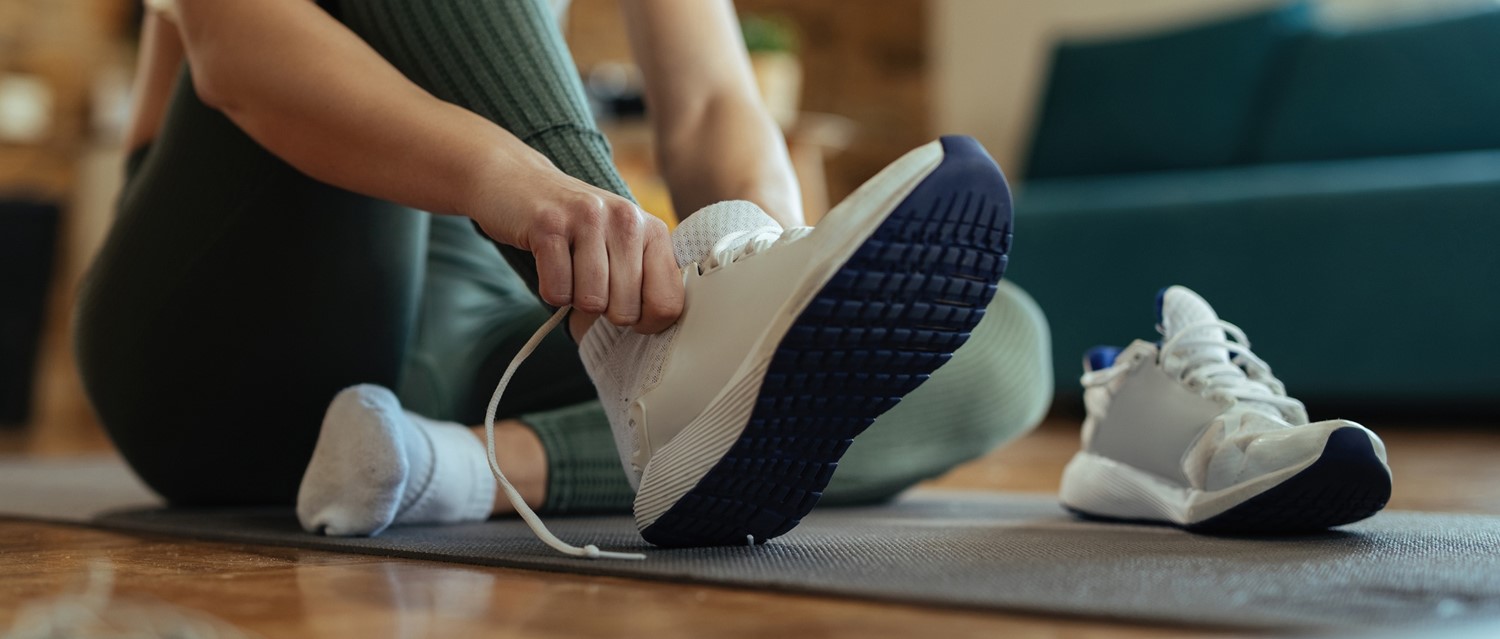
Tips for restarting your exercise routine after lockdown
Lockdown has affected us all in different ways. When it comes to fitness, some of us have stepped things up - going running for the first time, or taking long walks. Others will have experienced illness, had to care for others or simply found it all too much. As lockdown eases, what's the best way to restore our fitness, or even get fit for the first time?
by Gillian Harvey

COVID-19
What to do if you need contraception or abortion care during lockdown
Across the UK, lockdown restrictions are starting to ease, albeit at different rates in the four nations. But the rate of change is slow and we're all having to adapt to a new normal. Accessing contraception, abortion and sexual healthcare has proved a challenge for many - but there is a range of alternatives now available to ensure women can get the services they need.
by Dr Sarah Jarvis
About the author
Authored by

Ellie Broughton
About the reviewerView full bio

Dr Sarah Jarvis
Clinical Consultant
MA (Cantab), BM, BCh (Oxon), DRCOG, FRCGP, MBE
After training in medicine at Cambridge and Oxford, Dr Sarah Jarvis MBE became a GP.
Join the conversation
Share your thoughts or experiences with others in our patient communities.

Ask, share, connect.
Browse discussions, ask questions, and share experiences across hundreds of health topics.

Feeling unwell?
Assess your symptoms online for free
Sign up to the Patient newsletter
Your weekly dose of clear, trustworthy health advice - written to help you feel informed, confident and in control.
By subscribing you accept our Privacy Policy. You can unsubscribe at any time. We never sell your data.