
Biblical eating - a nutritionist's take on the latest food trend
Begutachtet von Dr Colin Tidy, MRCGPVerfasst von Helena Barham-CoppolaUrsprünglich veröffentlicht 29 Sept 2026
Erfüllt die redaktionelle Richtlinien
- HerunterladenHerunterladen
- Teilen
- Language
- Diskussion
- Ask Patient
- Audio-Version
- Zu bevorzugten Quellen bei Google hinzufügen
What is biblical eating, where does it come from, why is it becoming popular, and is it another fad? Read on to find out what biblical eating really means and what a nutritionist makes of the trend.
Videoauswahl für ErnährungVideothek
What is biblical eating?
Biblical eating refers to eating in a way inspired by the Bible. Though certain wellness influencers have recently been publishing books and ideas on the topic, there is no one strict set of rules as to what biblical eating is. The Bible is, as ever, open to our own interpretation.
Different versions of Christian-inspired diet programmes are not new, though this latest TikTok trend sees influencers focusing on foods that are mentioned in the Bible while avoiding ultra processed foods (UPFs).
Dazu gehören:
Meat and fish.
Eier.
Some dairy.
Sourdough bread.
Vollkorn.
Gemüse.
Nüsse.
Olive oil and honey.
A total avoidance of ultra processed and packaged foods - such as crisps, cakes, and sweets.
Why is it becoming popular?
Recent popularity of the dietary approach may be due to increased popularity of Christian lifestyle content on social media - as well as being a response to the USA’s new diet guidelines which share some concepts.
There is also a wider trend of reducing or avoiding UPFs, as more and more research suggests they are bad for your health and longevity.
Is biblical eating healthy?
There are many similarities between the currently trending version of biblical eating, and the Mediterranean diet. Both emphasise whole foods, vegetables, fresh fruit, lean proteins, fish, legumes, while minimising UPFs and including the occasional glass of - typically red - wine.
The Mediterranean diet has been extensively researched as being one of the healthiest approaches to eating out there, thanks to its antioxidant and anti-inflammatory nutrients. Benefits of the Mediterranean diet include a reduced risk of heart disease, diabetes, and Alzheimer’s disease - to list a few benefits.
The Mediterranean diet is well documented and defined. Biblical eating is so variable that it is impossible to say whether it is healthy or not. As a general guide, I would suggest looking into the Mediterranean diet for inspiration.
Key components of the Mediterranean diet
A focus on a variety of vegetables.
Lean proteins - such as chicken and fish.
Legumes and whole grains.
Herbs and spices.
Moderate amounts of fruit - 1 to 2 portions per day.
Cooking with olive oil.
Tomato and garlic together as a base for dishes.
Red meat in moderation - around once per week.
The occasional glass of wine.
Where biblical eating may be different from the Mediterranean diet
Biblical eating generally focuses on eating food as God or nature intended - so minimally processed. Some versions of biblical eating additionally bring in the idea of clean and unclean foods, particularly relating to animals. For example, avoiding pork and shellfish which are commonly avoided in Jewish cultures.
Cultural and personal preferences aside, pork provides a source of complete protein which can be leaner than other meats, depending on the cut. Shellfish, meanwhile, is a great source of a variety of minerals including zinc, Magnesium, selenium, and iron. Both can form a part of a healthy diet.
Gibt es irgendwelche Risiken?
It depends what type of biblical eating you are considering. Someone telling me they have decided to replace UPFs with whole grains, olive oil, vegetables, and lean meats, is music to my ears as a nutritionist. Focusing more on the Mediterranean diet is likely to have positive outcomes to both your physical and mental wellbeing. However, other interpretations of biblical eating do not spark so much joy for me.
A few years ago, The Daniel Fast had a temporary go in the social media spotlight. Inspired by Daniel 1: 2-3, where Daniel describes abstaining from "delicacies", meat, and wine, this involved three weeks of consuming nothing but water and vegetables.
And of course, beware of biblical eating at its most extreme - 40 days and 40 nights of fasting, water only. This can be incredibly dangerous and is certainly not recommended unless in very unique, highly supervised medical situations.
If you are thinking about experimenting with biblical eating, be careful with which type you choose. The Mediterranean diet shares many principles, and I would recommend looking there for inspiration.
Plenty of resources and recipes are available online. As ever, please be wary of advice given by unqualified influencers on social media claiming to have found the perfect diet. Even the Mediterranean diet is just one approach to eating, and may not be ideal for everyone. If in doubt, speak to your doctor or a nutritionist.
Helena Barham-Coppola is a BANT-registered Nutritional Therapist and Functional Medicine Practitioner. She runs her practice, Nourish&Be, online and on Harley Street, London, supporting clients with everything from fertility and women’s health to weight management and health optimisation. She also incorporates hypnotherapy and mind-body approaches to support health and wellbeing.
Patientenauswahl für Ernährung

Ernährung und Diät
Rohmilch - ist sie wirklich gut für Sie oder nur ein weiterer Wellnesstrend?
Rohmilch ist Milch, die nach dem Melken der Kuh nicht pasteurisiert wurde. Obwohl sie seit Jahrhunderten existiert, ist Rohmilch kürzlich in den Fokus eines wachsenden Wellness-Trends gerückt, wobei einige Menschen behaupten, sie biete eine Reihe von gesundheitlichen Vorteilen. Was steckt also hinter dem erneuten Interesse? Wir haben mit einem Experten gesprochen, um herauszufinden, warum alle über Rohmilch sprechen, ob die behaupteten Vorteile tatsächlich zutreffen und ob sie tatsächlich sicher zu trinken ist.
von Victoria Raw

Psychische Gesundheit
Was ist 'Skinnymaxxing' - und warum sind Gesundheitsexperten darüber besorgt?
The last few years have seen drastic changes in body shapes for many as beauty standards opt again for slimmer builds. This has given rise to a variety of social media trends - including skinnymaxxing. Here we explore why this is, what it means, and what the consequences are that many influencers will leave off their vlogs.
by Helena Barham-Coppola
Über den AutorVollständige Biografie anzeigen
Verfasst von
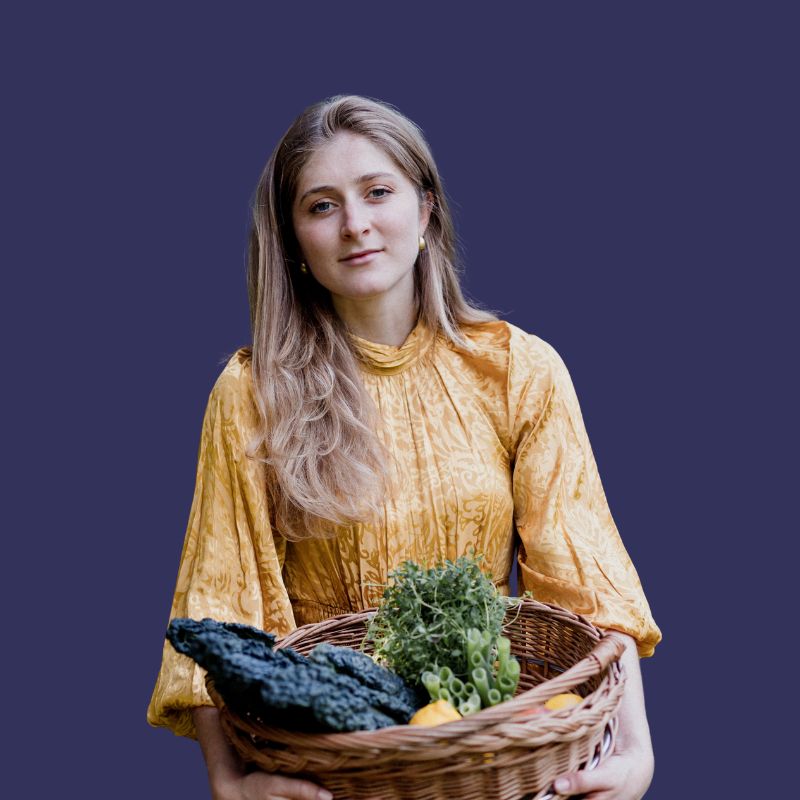
Helena Barham-Coppola
Helena is a BANT-registered nutritionist with expertise in a range of areas, including fertility, weight management, digestive support, and general wellbeing, helping people make sustainable changes to improve their overall health. She works predominantly with women's health, fertility, healthy ageing, and weight loss clients.
Über den RezensentenVollständige Biografie anzeigen

Dr Colin Tidy, MRCGP
Allgemeinmediziner, Medizinischer Autor
MBBS, MRCGP, MRCP (Paediatrics), DCH
Dr. Colin Tidy ist ein NHS-Arzt mit Sitz in Oxfordshire.
Artikelverlauf
Artikel auch verfügbar in Englisch, Deutsch, Spanisch, Französisch, Italienisch, Portugiesisch, Hindi, Hebräisch, Arabisch, und Schwedisch.
Next review due: 29 Sept 2029
29 Sept 2026 | Ursprünglich veröffentlicht
Verfasst von:
Helena Barham-CoppolaBegutachtet von
Dr Colin Tidy, MRCGP
Teilen Sie Ihre Gedanken oder Erfahrungen mit anderen in unserem Patientengemeinschaften.
Abonnieren Sie den Patienten-Newsletter
Ihre wöchentliche Dosis klarer, vertrauenswürdiger Gesundheitsberatung - geschrieben, um Ihnen zu helfen, sich informiert, selbstbewusst und in Kontrolle zu fühlen.
Durch das Abonnieren akzeptieren Sie unsere Datenschutzrichtlinie. Sie können sich jederzeit abmelden. Wir verkaufen Ihre Daten niemals.