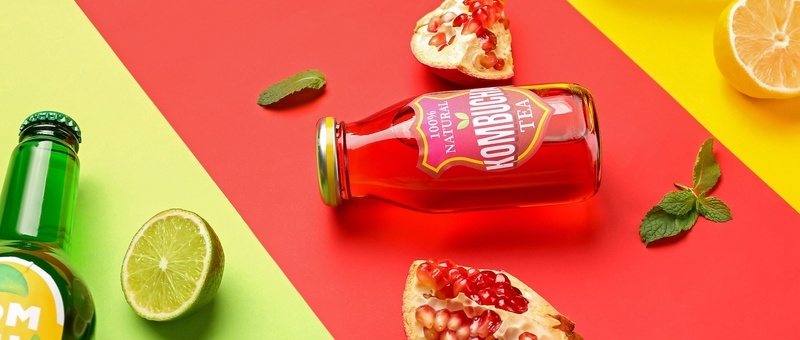
Kann Kombucha Ihre Gesundheit fördern?
Begutachtet von Dr Colin Tidy, MRCGPZuletzt aktualisiert von Victoria RawZuletzt aktualisiert 11. März 2026
Erfüllt die Anforderungen des Patienten Richtlinien des Patienten
- HerunterladenHerunterladen
- Teilen
- Language
- Diskussion
- Audio-Version
- Zu bevorzugten Quellen bei Google hinzufügen
Kombucha – einst ein Nischen-Health-Drink – ist dank seiner einzigartigen Kombination aus Hydratation, Geschmack und Sprudel zu einem festen Bestandteil des Mainstreams geworden. Doch jenseits seines unverwechselbaren Geschmacks, erfahren Sie, ob die gesundheitlichen Vorteile von Kombucha seinem Ruf gerecht werden.
What is kombucha?
Kombucha is a fermented drink made from sweetened black or green tea. It's produced by fermenting the tea with a symbiotic culture of bacteria and yeast (SCOBY). The fermentation process gives kombucha its characteristic slight fizz and tangy flavour. It can also be enhanced with fruit juice or spices.
The fermentation process of kombucha involves several steps:
Black or green tea leaves are steeped in hot water - then sugar is added.
The mixture is introduced to bacteria and yeast and left to ferment at room temperature for 1-2 weeks.
During fermentation, the bacteria and yeast produce a cellulose layer on the surface.
The resulting fermented liquid is the kombucha tea that we drink.
What are the health benefits of kombucha?
Kombucha contains a range of potential health-promoting compounds produced during fermentation, including the following.
Organic acids
Antimicrobial: The organic acids found in kombucha may have germ-fighting properties that could help you sleep.
Detoxifying: Some may also help cleanse your liver.
Antioxidant: Powerful antioxidants (polyphenols) might guard against various illnesses - for example, heart disease. Green tea kombucha is higher in antioxidants than black.
Vitamins and electrolytes
Kombucha also has B vitamins, linked to healthy ageing, mood, memory and reducing your chance of stroke or obesity. It contains some vitamin C - another antioxidant - which may help lower stress hormones (cortisol).
Probiotika
Kombucha is a fermented tea which means it's full of friendly microbes that feed the good bacteria in your gut. These good bacteria improve tummy health, boost immunity and regulate nutrient absorption and bodily functions.
Fitness and nutrition advisor Dr Chris Mohr, former Sports Nutritionist for the US football team Cincinnati Bengals and University of Massachusetts Athletic Program says that kombucha may provide benefits similar to other fermentierte Lebensmittel - such as improving digestion and boosting immunity.
"The probiotics found in kombucha can help maintain a healthy gut, which is good for people with conditions such as Reizdarmsyndrom (IBS)," he adds. "The antioxidants in kombucha might also support liver health."
However, Mohr warns that kombucha should not be used as a treatment for specific medical conditions.
"While some kombucha drinks have ingredients with potential benefits, the actual health impact - and the amounts needed - requires more scientific research to confirm these claims," he notes. "The probiotic content of kombucha can also vary - depending on the fermentation process.
"Alternative fermented foods, such as plain yoghurt - especially varieties labelled with 'live and active cultures' - are a more reliable source of probiotics."
Does kombucha have caffeine in it?
Kombucha contains caffeine - but in much smaller amounts than coffee or tea.
Dr Raj Dasgupta, ABIM quadruple board-certified physician says that kombucha has some caffeine in it because it's brewed from tea - which naturally contains caffeine.
"The exact amount can vary based on the type of tea used and how it's brewed," he explains. "If you're keeping an eye on your caffeine intake, it's worth checking the label or asking about the tea base when choosing kombucha."
Is kombucha alcohol-free?
Kombucha makes small amounts of alcohol during fermentation - usually less than 0.5%. The longer the kombucha ferments, the higher the alcohol content becomes. Dasgupta explains that shop-bought versions are generally safe, though there may be a slight chance of harmful bacteria if it hasn't been brewed or stored correctly. Only buy kombucha from trustworthy sources.
Are there any side effects to drinking kombucha?
Kombucha's potential health benefits continue to be explored. The acids in kombucha may help friendly gut bacteria growth. But contamination during fermentation might cause additional health conditions such as an imbalance of acid in your body (metabolic acidosis). Kombucha's high acidic levels could also damage the enamel in your teeth, which could lead to tooth decay.
Mohr advises: "Moderation is important when it comes to kombucha - especially if you’re new to drinking it. Start with small servings to lower the chance of harmful effects such as bloating or digestive issues."
Dasgupta adds that - for most people - drinking up to one can of kombucha a day is generally considered safe. However, tolerances may vary from person to person.
Heart disease management and prevention specialist, Michelle Routhenstein, Entirely Nourished, says that people with compromised immune systems or sensitivity to caffeine should use caution when consuming kombucha.
If you are pregnant you should not drink kombucha as the acid, alcohol, and caffeine content - along with the fact it's unpasteurised - could harm your baby. Those contents mean children should not drink kombucha either.
Kombucha's sudden rise in popularity could also lead to safety issues. Poor-quality ingredients, improper containers, and unhygienic fermentation create a chance of toxin contamination. To ensure safety and quality, health organisations should set legal guidelines for production methods, ingredients, and quality control.
Dasgupta warns that if you're pregnant or breastfeeding, have a compromised immune system, or deal with severe acid reflux, stomach ulcers or alcohol sensitivity, it's a good idea to talk to your doctor before trying kombucha.
"Its fermentation process and ingredients could pose risks for these people," he explains.
He adds that kombucha could also interact with certain medicines. This is due to the presence of certain by-products formed during the fermentation process. These by-products could affect how your medicines are absorbed or metabolised in your body.
Mohr says: "If you're taking any medicines - particularly for diabetes, liver or kidney issues - it's best to avoid drinking kombucha."
While safe to drink in moderate doses, kombucha's health benefits lack strong scientific backing. Enjoy it as a refreshing drink, but don't expect it to be a cure-all. Check labels for caffeine and alcohol content, and remember, more research is needed to confirm its health claims.
Patientenauswahl für Vitamine und Nahrungsergänzungsmittel
Ernährung und Diät
Was ist Ashwagandha? Gesundheitsvorteile, Anwendungen und Nebenwirkungen
Ashwagandha (Withania somnifera) ist ein jahrhundertealtes Kraut, das in der heutigen Wellness-Welt an Beliebtheit gewinnt. Auch bekannt als indischer Ginseng oder Winterkirsche, wird es traditionell verwendet, um Menschen zu helfen, sich ruhiger und energiegeladener zu fühlen. Hier betrachten wir, wofür es verwendet wird, evidenzbasierte Vorteile und die Nebenwirkungen, die Sie kennen sollten.
von Heather Ainsworth
Ernährung und Diät
Was sind die Vorteile von Vitamin E?
Vitamin E ist ein beliebter Bestandteil jeder Hautpflegeroutine. Aber es ist auch wichtig für Ihre Gesundheit und die Funktionsweise Ihres Körpers. Erfahren Sie hier, warum und wie Sie genug Vitamin E bekommen.
von Victoria Raw
Über den AutorVollständige Biografie anzeigen

Victoria Raw
Feature-Autorin
BA (Hons), Englische Literatur
Victoria ist eine Content-Autorin bei Patient, deren besondere Interessen sich auf das mentale Wohlbefinden, gesellschaftliche Trends und den Einfluss der Technologie auf unsere Gesundheit konzentrieren.
Über den RezensentenVollständige Biografie anzeigen

Dr Colin Tidy, MRCGP
Allgemeinmediziner, Medizinischer Autor
MBBS, MRCGP, MRCP (Paediatrics), DCH
Dr. Colin Tidy ist ein NHS-Arzt mit Sitz in Oxfordshire.
Artikelverlauf
Die Informationen auf dieser Seite werden von qualifizierten Klinikern begutachtet.
Artikel auch verfügbar in Englisch, Deutsch, Spanisch, Französisch, Italienisch, Portugiesisch, Hindi, Hebräisch, Arabisch, und Schwedisch.
Next review due: 10 Mar 2029
11. März 2026 | Neueste Version
28. Juli 2024 | Ursprünglich veröffentlicht
Verfasst von:
Victoria Raw

Fragen, teilen, verbinden.
Durchsuchen Sie Diskussionen, stellen Sie Fragen und teilen Sie Erfahrungen zu Hunderten von Gesundheitsthemen.

Fühlen Sie sich unwohl?
Bewerten Sie Ihre Symptome online kostenlos
Abonnieren Sie den Patienten-Newsletter
Ihre wöchentliche Dosis klarer, vertrauenswürdiger Gesundheitsberatung - geschrieben, um Ihnen zu helfen, sich informiert, selbstbewusst und in Kontrolle zu fühlen.
Durch das Abonnieren akzeptieren Sie unsere Datenschutzrichtlinie. Sie können sich jederzeit abmelden. Wir verkaufen Ihre Daten niemals.
Mehr zu Ernährung und Diät
- 9 Lebensmittelalternativen für ein köstliches und gesundes Weihnachtsessen
- Sodbrennen-Diät: Lebensmittel, die man essen und vermeiden sollte
- Sind fermentierte Lebensmittel den Hype wert?
- Sind Nahrungsergänzungsmittel gegen Gelenkschmerzen ihr Geld wert?
- Kann eine Ernährungsumstellung die Symptome von Endometriose lindern?
- Kann die Ernährung Ihr ADHS beeinflussen?
- Ein gesundes Diwali - Lebensmitteltausch und Rezepte
- Wie Essen Ihre Stimmung beeinflusst
- Wie viel rotes Fleisch solltest du essen?
- Wie Sie Ihre Energie steigern und sich im Winter weniger müde fühlen
- Wie man gesund zunimmt
- Wie man Blähungen loswird: Hausmittel, die wirken
- Die Keto-Diät: Was ist das und funktioniert sie?
- Vitamin-A-reiche Lebensmittel könnten vor Hautkrebs schützen
- Wegovy-Diät: Lebensmittel, die man essen und meiden sollte
- Was sind die Vorteile einer pflanzenbasierten Ernährung?
- Was ist die Atlantische Ernährung?
- Was man einem Veganer nicht sagen sollte
- Was würde Ihr Magen im Supermarkt wählen?
- Warum Sie keine Entgiftung brauchen