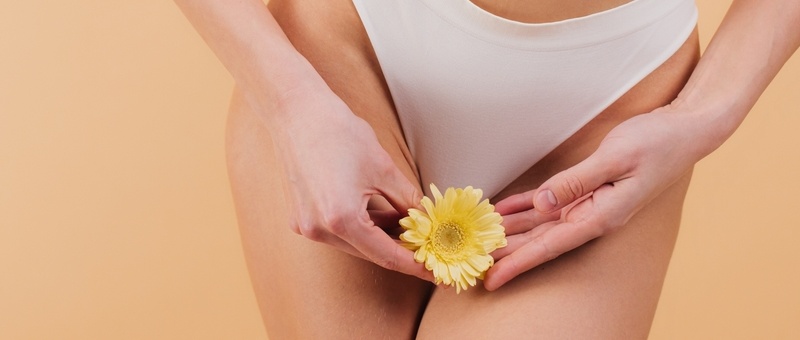
Was ist Vulvadermatitis?
Begutachtet von Dr Colin Tidy, MRCGPZuletzt aktualisiert von Victoria RawZuletzt aktualisiert 2. Jul 2025
Erfüllt die Anforderungen des Patienten Richtlinien des Patienten
- HerunterladenHerunterladen
- Teilen
- Language
- Diskussion
- Audio-Version
Vulväre Dermatitis betrifft die Haut um Ihre Vagina. Die Behandlung hängt von der zugrunde liegenden Ursache ab. Wir haben einen Dermatologen gefragt, um zu verstehen, warum Sie vulväre Dermatitis bekommen könnten und wie sie behandelt werden kann.
In diesem Artikel:
Videoauswahl für Vaginale und vulväre Gesundheit
Vulvar dermatitis is a skin condition that causes itching, irritation, and inflammation of the outside area surrounding your vagina (vulva) - including your clitoris and labia. Your vagina and anus are inside your body so are not part of the vulval area.
Lesen Sie unten weiter
What are the symptoms of vulvar dermatitis?
Common signs of vulvar dermatitis include dry skin, itching, burning, and the appearance of a red rash.
Other symptoms of vulvar dermatitis include:
Sore skin that feels like it's stinging.
Skin that is thicker in the affected area.
Areas of skin that appear red or darker.
Skin that feels wet and is leaking fluid.
Pain in your vulva area during sex, when inserting a tampon, or during a medical internal pelvic exam.
Dr Sophie Momen, Consultant Dermatologist, Cadogan Clinic, London says that vulvar dermatitis can impact your quality of life, causing discomfort and sometimes embarrassment if affecting intimate relationships.
"The British Association of Dermatologists (BAD) and the National Eczema Society (NES) have excellent informative resources, including local and national support groups," she says. "However, it's important to have any symptoms assessed by a healthcare professional.
"Any rash or lump and bump that does not go away - either on its own or after a course of prescribed treatment - may suggest a more serious underlying condition."
What causes vulvar dermatitis?
Zurück zum InhaltVulvar dermatitis may be caused by vulvar eczema (atopic dermatitis) or Kontaktdermatitis.
Momen explains that if your vulvar dermatitis is caused by vulvar eczema, you may have a history of eczema in other areas of your body.
"You might also have had other atopic diseases, such as hay fever, allergies and rhinitis - a condition where your nose becomes inflamed by something you're allergic to," she explains. "If it is due to an allergy, then you may not have had eczema previously."
According to Momen, vulval skin is sensitive and can be irritated easily by certain irritants, allergens and products.
Dazu gehören:
Cosmetics and toiletries - for example, soaps, shampoos, perfumes, deodorants.
Toilet wipes.
Panty liners.
Synthetic material - for example, nylon.
Lubricants.
Food preservatives.
Nickel.
Pee.
Poo.
Lesen Sie unten weiter
How is vulvar dermatitis treated?
Zurück zum InhaltTreating vulvar dermatitis depends on the underlying cause.
Momen explains that for cases where vulvar eczema is the cause, then your doctor may prescribe an emollient and a steroid ointment.
She adds that it's important to receive an accurate diagnosis so your doctor can rule out other causes of vulva rashes - such as Psoriasis, Lichen planus oder Lichen sclerosus.
"They will need to take a full detailed history and examination," says Momen. "You will be asked about conditions that run in your family, your lifestyle and how you care for your skin in this area."
In some cases, you may be referred to a specialist, as patch testing could be required to rule out an allergic component. A sample of your skin (biopsy) may also be needed to confirm the diagnosis.
If your vulvar dermatitis is due to an allergy, then avoiding the allergen will hopefully ease your symptoms.
Momen says that treating the affected area will involve avoiding any substances that you are allergic to, or that may irritate the skin.
How to treat the area:
Wash once a day with lukewarm (not too hot) water.
Avoid using soaps for washing.
Wear cotton underwear and loose-fitting clothing.
Do not use feminine hygiene products and douching.
Emollients and steroid ointments, and soap substitutes may also be prescribed by your doctor.
How can vulvar dermatitis be prevented?
Zurück zum InhaltCompletely preventing flare-ups of vulvar dermatitis can be challenging. However, if your condition is triggered by an allergy, following the recommended lifestyle changes and avoiding known allergens or irritants can significantly lower your chance of developing - or redeveloping - it.
Momen concludes by saying that the skin around your vagina should be looked after with care. Your vaginal skin is very sensitive and can be irritated easily.
"Washing your vaginal area once a day is enough," she says. "It's better to keep things simple and to wash with water and a soap substitute - such as epaderm ointment. Avoid any soaps, cosmetics, wipes, perfumes, deodorants or hygiene products in this delicate genital area."
Patientenempfehlungen für Vaginale und vulväre Gesundheit

Frauengesundheit
Understanding vaginal cysts
Noticing a cyst in and around your vagina can be worrying and unexpected. However, they are very common and usually nothing to worry about. Here we explain what these cysts are, and the possible causes of having one.
von Victoria Raw
Frauengesundheit
Vulvaprobleme
Es gibt viele verschiedene Erkrankungen, die Ihre Vulva betreffen können, von leichten Infektionen über Hauterkrankungen bis hin zu, sehr selten, Krebs. Sie können alle sehr unterschiedliche Symptome verursachen, darunter Juckreiz, Blutungen, Hautausschläge oder eine Schwellung. Es ist sehr wichtig, dass Sie, wenn Sie neue Symptome oder Schwellungen im Genitalbereich bemerken, umgehend einen Arzt aufsuchen. Ihr Arzt wird in der Lage sein, Sie zu untersuchen und zu entscheiden, welche Behandlung für Sie geeignet ist. Dies hängt von der zugrunde liegenden Ursache Ihrer Symptome ab.
von Dr. Rachel Hudson, MRCGP
Lesen Sie unten weiter
Artikelverlauf
Die Informationen auf dieser Seite werden von qualifizierten Klinikern begutachtet.
Next review due: 3 Jul 2028
2. Jul 2025 | Neueste Version
12. Nov 2024 | Ursprünglich veröffentlicht
Verfasst von:
Victoria Raw

Fragen, teilen, verbinden.
Durchsuchen Sie Diskussionen, stellen Sie Fragen und teilen Sie Erfahrungen zu Hunderten von Gesundheitsthemen.

Fühlen Sie sich unwohl?
Bewerten Sie Ihre Symptome online kostenlos
Abonnieren Sie den Patienten-Newsletter
Ihre wöchentliche Dosis klarer, vertrauenswürdiger Gesundheitsberatung - geschrieben, um Ihnen zu helfen, sich informiert, selbstbewusst und in Kontrolle zu fühlen.
Mit dem Abonnieren akzeptieren Sie unsere Datenschutzrichtlinie. Sie können sich jederzeit abmelden. Wir verkaufen Ihre Daten niemals.