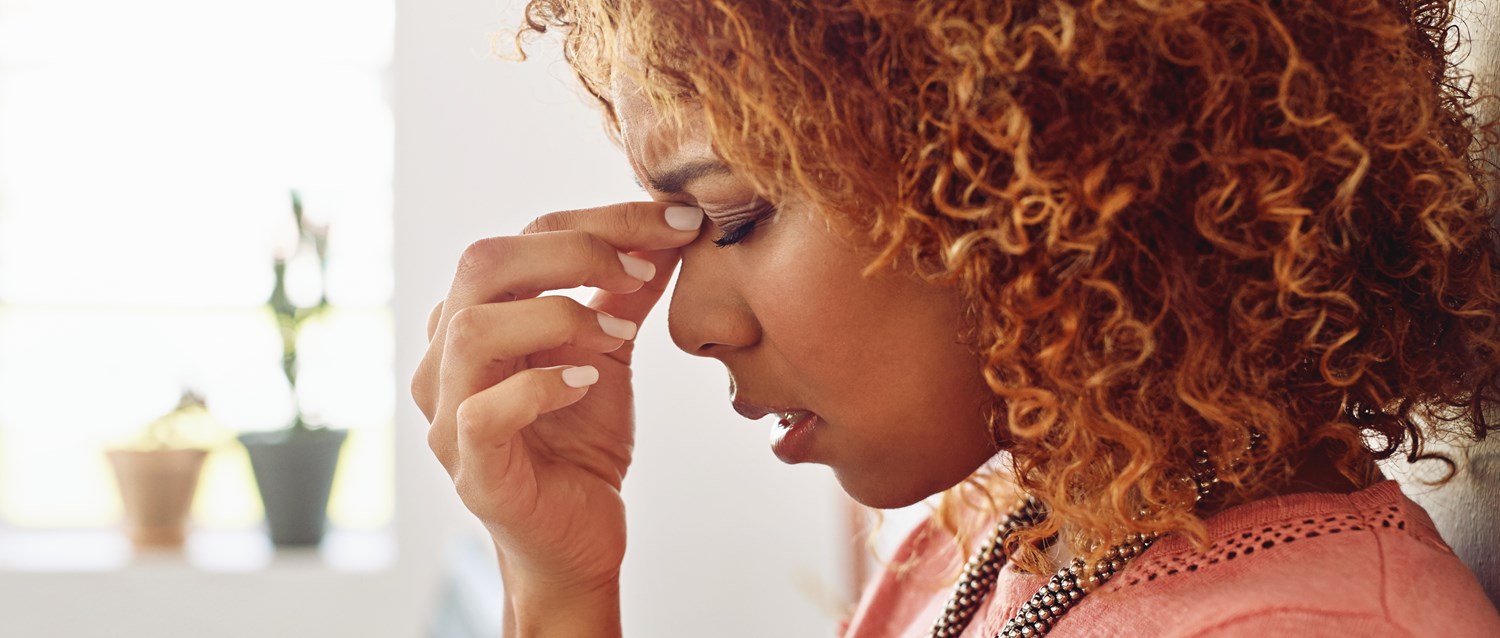
Is your period causing your migraines?
Peer reviewed by Dr Sarah JarvisLast updated by Dr Jennifer Kelly, MRCGPLast updated 23 Nov 2017
Meets Patient’s editorial guidelines
- DownloadDownload
- Share
- Language
- Discussion
- Audio Version
- Add to preferred sources on Google
Headaches and migraines are a common problem that affect both sexes. But women tend to be more frequently affected. This is thought to be due to the influence of hormones. Interestingly, most women who experience migraines remember their first attack occurring around the time they started their period. So what can you do if menstrual migraines are affecting your quality of life?

When in your cycle are migraines most likely?
The most common time to develop menstrual migraines is during the first three days of your period and the two days before it begins. This is thought to be due to falling oestrogen levels in the body. And around this time, chemicals associated with pain (called prostaglandins) also increase.
Arlene Wilkie, chief executive of the Migraine Trust charity explains: "Many women notice a link between their migraine attacks and their periods. Research suggests there is a reduction in oestrogen during the days before their period which can act as a migraine trigger for those who are sensitive to it."
The link between falling levels of oestrogen and menstrual migraines has long been recognised. But the exact mechanism is still something that we don't know enough about. The fall in oestrogen levels is thought to affect pain sensation pathways in the brain, but there are also many other factors involved.
If you think you may be suffering from menstrual migraines, often the easiest way to see a link to your cycle is by keeping a symptom diary. This way you see how often your headaches are happening and if they occur at a certain point in your menstrual cycle.
How to prevent menstrual migraines
It often isn't possible to completely prevent migraine attacks, but there are a number of options that can help decrease their frequency and severity.
Wilkie reveals: "Non-steroidal anti-inflammatory drugs [such as aspirin or ibuprofen] taken two to three days before the expected start of the period and for the first two to three days of menstruation itself can help. Oestrogen supplements which can prevent the natural hormone drop that can trigger migraine are another option. There are also a number of contraceptive strategies that can help."
We will have a look at these suggestions in a bit more detail below. But first, there are some simple things you can try to do at home to make your headaches more manageable.
Self-help tips
Although it can be hard to stop menstrual migraines completely, various changes to your routine may help to keep them under control.
Having a regular sleep pattern is extremely important. Reducing stress in your life, taking regular exercise and trying relaxation techniques can help too.
In the days before and during your period, it is also useful to eat small but frequent meals or snacks. Maintaining your blood sugar levels can reduce stresses on your body, which for some women can help decrease the risk of a migraine being triggered.
Medical treatments
For some women, the advice mentioned above can be enough to make menstrual migraines more manageable. But if needed, there are a number of helpful medical treatments too. These (as mentioned above) can include simple painkillers and anti-inflammatory medications to reduce pain. They can also have the added benefit of making your periods less heavy.
When migraines occur, another treatment option for some women is triptans. These are thought to work by reducing inflammation and altering the blood flow to the brain, which can help relieve the symptoms. Antisickness medications can also be useful should your migraine leave you feeling nauseated.
Other women find that using oestrogen supplements (usually in the form of a gel or patch) in the week before their period can be extremely helpful. The theory behind these supplements is to stop the natural drop in oestrogen which can trigger a migraine. But check with your doctor first to make sure this is a safe option for you.
Contraceptive options
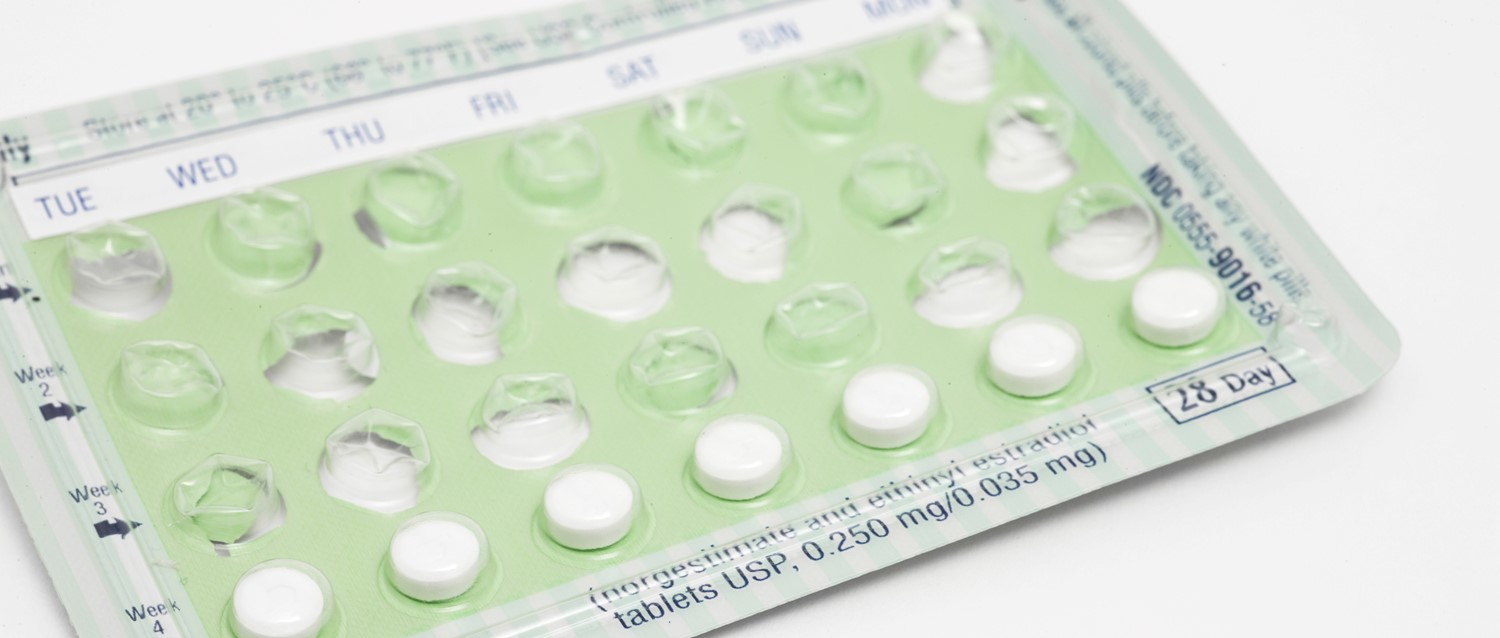
Some women find that certain forms of hormonal contraception can be helpful for warding off menstrual migraines. If you are already taking the combined oral contraceptive (COC) pill but develop headaches on your pill-free week, one of the easiest solutions is to run your pill packs together. This should never be done without advice from your doctor, and one downside is that in some women it can cause some breakthrough bleeding.
If you are not currently using the combined pill, starting it may be an option, but your doctor will need to assess whether it's right for you first. It's not suitable if you have a personal or family history of blood clots, strokes and certain cancers. You also won't be able to take it if you suffer from migraines with aura - in fact, you should stop it immediately(and use another method of conraception) if you start getting migraine with aura while you're taking the combined pill. But there are other options available, such as the contraceptive injection. This progestogen-only contraceptive stops monthly hormone fluctuations associated with migraines and can be very effective for some.
Current research
Over recent years, there has been quite a lot of research assessing which treatments for menstrual migraines are the most effective.
One area of investigation has been the use of triptans in ending menstrual migraines soon after they start. Relatively consistently, research has shown triptans to be more effective than placebos when used in this way.
Ultimately however, the focus is to prevent menstrual migraines from occurring in the first place. Certain studies have shown that taking triptans - for example, sumatriptan and frovatriptan -before the migraine occurs (ie just before their period) can be very effective in some women. However, triptans aren't currently licensed for this purpose and this option is usually only offered in specialist clinics. And there are also some women who may not be suitable for this therapy - for example, women with high blood pressure, heart disease, or a history of strokes or diabetes.
Are migraines affecting your quality of life?
Most women with menstrual migraines are able to manage their symptoms and make simple lifestyle adjustments to help decrease the frequency and severity of attacks. But if your migraines are really affecting you, are worsening or you are developing any other symptoms, please talk with your GP for advice.
Patient picks for Migraine

Brain and nerves
Could histamine be the cause of your migraines?
Here in the UK, migraine affects 1 in 7 people and is more prevalent than diabetes, epilepsy and asthma combined. It is the most common and disabling neurological disorder in the UK with 190,000 attacks daily. We investigate the evidence linking histamine and migraine and the treatment options available.
by Ginny Weeks
Brain and nerves
Should you avoid the pill if you get migraines?
For decades, migraine sufferers with aura have been told to avoid the combined oral contraceptive pill because of a slightly increased risk of stroke. But is this still the case? We ask experts about the latest guidance and what the best form of contraception is for those prone to migraines.
by Georgia Gallant
Frequently asked questions
Can I use hormonal contraception to prevent menstrual migraines if I experience aura with my migraines?
No, if you experience migraines with aura, taking the combined oral contraceptive (COC) pill is not suitable for you. In fact, if you are currently taking it and start to experience migraines with aura, you should stop it immediately and use an alternative method of contraception.
Are there any alternative contraceptive options if the combined pill isn't suitable for me?
Yes, if the combined pill is not suitable, or if you experience migraines with aura, other options like the contraceptive injection might be considered. This progestogen-only contraceptive can help by stopping the monthly hormone fluctuations that are associated with migraines.
Can triptans be used to prevent menstrual migraines before they even start?
Some studies have shown that taking triptans, such as sumatriptan and frovatriptan, just before a period can be very effective for preventing migraines in some women. However, triptans are not currently licensed for this specific preventive use and this option is usually only offered in specialist clinics. It may also not be suitable for women with certain health conditions like high blood pressure, heart disease, or a history of strokes or diabetes.
What is the role of prostaglandins in menstrual migraines?
Around the time when oestrogen levels fall before and during menstruation, chemicals associated with pain, called prostaglandins, also increase. This increase is thought to contribute to the development of menstrual migraines.
Why would my doctor need to assess me before starting the combined contraceptive pill for menstrual migraines?
Your doctor needs to assess if the combined oral contraceptive (COC) pill is right for you because it's not suitable for everyone. For example, it should not be used if you have a personal or family history of blood clots, strokes, or certain types of cancer. Also, it's not an option if you suffer from migraines with aura.
About the authorView full bio

Dr Jennifer Kelly, MRCGP
General Practitioner, Medical Author
MBChB, MRCGP
Dr Jennifer Kelly is a GP and medical author for Patient.info.
About the reviewerView full bio

Dr Sarah Jarvis
Clinical Consultant
MA (Cantab), BM, BCh (Oxon), DRCOG, FRCGP, MBE
After training in medicine at Cambridge and Oxford, Dr Sarah Jarvis MBE became a GP.
Article history
The information on this page is peer reviewed by qualified clinicians.
Article also available in English, German, Spanish, French, Italian, Portuguese, Hindi, Hebrew, Arabic, and Swedish.
23 Nov 2017 | Latest version
Join the conversation
Share your thoughts or experiences with others in our patient communities.

Ask, share, connect.
Browse discussions, ask questions, and share experiences across hundreds of health topics.

Feeling unwell?
Assess your symptoms online for free
Sign up to the Patient newsletter
Your weekly dose of clear, trustworthy health advice - written to help you feel informed, confident and in control.
By subscribing you accept our Privacy Policy. You can unsubscribe at any time. We never sell your data.
More in brain and nerves
- Can a plant-based diet improve your migraines?
- Can the MIND diet help keep our brains healthy?
- Causes of peripheral neuropathy: from diabetes to vaccines
- Could histamine be the cause of your migraines?
- Early brain scans can predict MS prognosis
- Good heart health in middle age may lower risk of dementia
- Healthy brain ageing - experts tips
- How ADHD affects work and productivity
- How to cope with isolation after a stroke
- How to protect yourself from shingles
- How to reduce your risk of dementia
- How to reduce your risk of stroke?
- Myths about MS you need to stop believing
- Simple advice could improve long-term health for people with MS
- What are the different types of dementia?
- What causes headaches?
- What is a thunderclap headache and what does it feel like?
- What is the link between stroke recovery and gut health?
- Why have I been offered the shingles vaccine?
- NewYoung-onset dementia - what you need to know