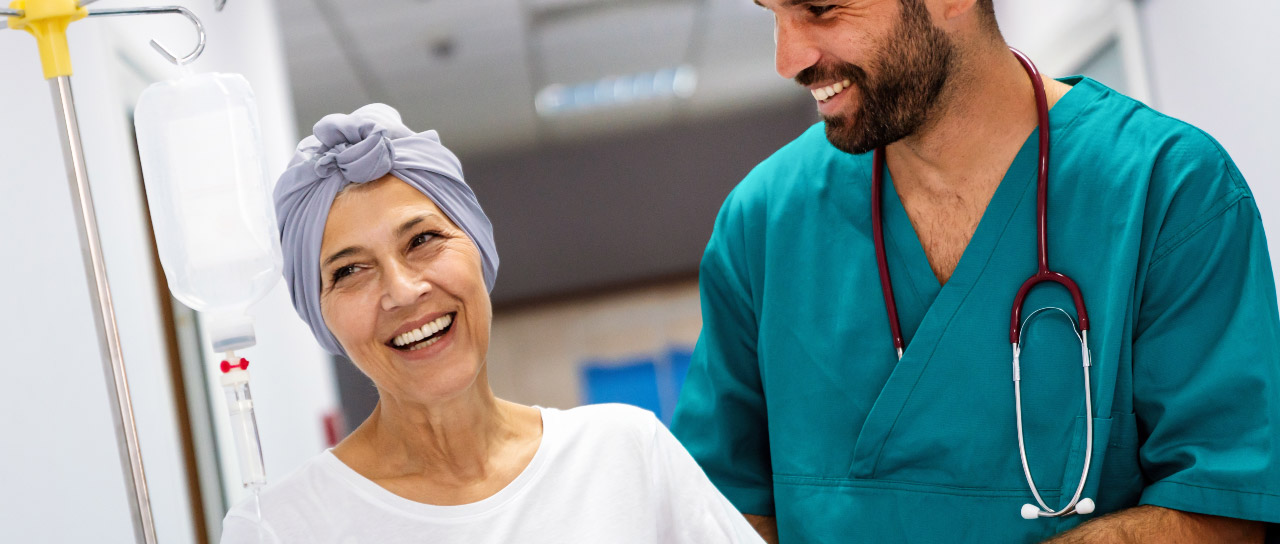
Wie Sie Ihre Haut während der Chemotherapie pflegen
Begutachtet von Dr Colin Tidy, MRCGPVerfasst von Emily Jane BashforthUrsprünglich veröffentlicht 3 Aug 2022
Erfüllt die redaktionelle Richtlinien
- HerunterladenHerunterladen
- Teilen
- Language
- Diskussion
- Ask Patient
- Audio-Version
- Zu bevorzugten Quellen bei Google hinzufügen
Die richtige Pflege Ihrer Haut während der Chemotherapie ist äußerst wichtig, da Ihre Haut empfindlicher wird und anfälliger für Probleme wie Trockenheit, Juckreiz, Rötungen und Blasen ist. Während die Nebenwirkungen der Chemotherapie auf die Haut in der Regel nach Beendigung der Behandlung abklingen, sollten Sie Ihre Haut von Anfang an pflegen, um sie nicht noch empfindlicher zu machen.
Explore moisturisers for dry skin
Erhalten Sie fachkundige medizinische Beratung bequem von zu Hause aus. Füllen Sie eine kurze Online-Konsultation aus, die rund um die Uhr verfügbar ist. Ihre Anfrage wird von einer in Großbritannien registrierten medizinischen Fachkraft geprüft. Für ausgewählte Behandlungen ist eine Lieferung am nächsten Tag möglich.

Videoauswahl für Informationen über KrebsVideothek
Was ist Chemotherapie?
Chemotherapy is a type of Krebsbehandlung that aims to prolong life or reduce symptoms. It may also be given with the intention of curing someone's cancer. Chemo uses anti-cancer medicines called cytotoxic medicines (also called cytotoxic drugs).
How does chemotherapy affect the skin?
Chemotherapy often has a range of side effects on skin and nails. Most tend to be manageable, but some can be more severe if you are receiving a stem cell transplant, targeted therapy, or immunotherapy.
Common effects of chemotherapy on skin
Alopecia - the absence of hair from where it usually grows, although the hairline is often spared.
Mucositis - sore mucosal parts of skin (areas with thin skin that covers the inside surface of parts of the body and produces mucus to protect them), especially the mouth.
Skin dryness and brittle nails - can also lead to white lines and ridges developing.
Skin eruption and pruritus - itchy rashes.
Hyperpigmentation - includes nails and mucosal areas.
Rare side effects of chemotherapy on skin
Photosensibilität.
Gesichtsrötung.
Acral dermatitis - red and sore palms and soles of feet.
Exfoliative 'recall' dermatitis - drug reaction causing inflammation, peeling and painful skin.
Hidradenitis - profuse sweating.
Hypersensitive skin - with or without a rash.
Raynaud's phenomenon - cold, red and painful palms and soles.
Injection site reaction.
There's also a chance of developing skin lesions and scleroderma, which are unique side effects of chemotherapy.
Dermatologist Julie Van Onselen explains that the side effects that you experience will depend on the chemotoxic agent (the drug that targets the cancer cells in an attempt to kill them or stop their growth). Therefore, patients need to ask about potential skin side effects.
Long-term skin changes after chemotherapy
While most side effects of chemotherapy tend to be temporary and disappear after treatment has been completed, there's a chance some side effects can continue to affect you longer term.
General side effects of chemotherapy include tiredness, lower resistance to infection and, in some cases, infertility.
As for skin, you might find that you get Hautausschläge more frequently. This is due to the chemotherapy medicines interfering with the rapid growth of cells in your body. It's normal to also find that your skin is increasingly more sensitive to sun exposure which drives home the importance of wearing SPF and protective clothing while in the sun, especially as you are then at risk of secondary cancers like Hautkrebs.
Chemotherapy can also affect tooth health long-term, sometimes affecting enamel and increasing the risk of long-term dental problems. Chemotherapy may lead to Zahnfleischerkrankungen and lower saliva production too, causing dryness in the mouth.
Caring for your skin during chemotherapy
Van Onselen stresses that any changes to your skin should be reported to your oncology team. While skin problems are common with chemotherapy use, they need to be diagnosed correctly.
"In many cases, therapeutic measures to reduce their severity and duration must be introduced as soon as possible. Sometimes, cutaneous toxicity (a reaction to the drug in treatment) means having to reduce the dose, delay cycles, or even stop cancer therapy."
Caring for dry skin during chemotherapy
To reduce dryness as much as possible during chemotherapy, you should keep your skin nourished with a gentle, non-fragranced medical emollient. This works like a moisturiser that you apply directly to your skin. It will cover the skin with a protective film to trap moisture and soothe dry patches.
There is a range of choices available for emollients since they are also used to treat conditions such as Ekzem, Psoriasis, and ichthyosis. Ask your oncology team or local pharmacist for advice.
As well as using an emollient to moisturise, you can use an emollient wash. Van Onselen suggests avoiding soap and cosmetic washes, as these will cause more skin dryness and irritation.
Additionally, she advises steering clear of aqueous cream, despite this being recommended by some professionals. This is known to damage the skin barrier and, since your skin is already sensitive and fragile, you need to use emollients that restore the barrier.
Some brands where you could find emollients include:
Nursem and O'Keeffe's for hands.
Flexitol for feet.
CeraVe for face and body.
Caring for sore hands and feet during chemotherapy
Hand-foot syndrome (also called palmar-plantar erythrodysaesthesia) is a side effect of some chemotherapy drugs. This can lead to palms and soles becoming red, swollen, and blistered.
While only a handful of drugs tend to cause it, it can be painful so it's something to be mindful of so it can be treated early on.
The drugs that may cause hand-foot syndrome are:
5-fluorouracil.
Capecitabine.
Docetaxel.
Cytarabine.
Doxorubicin.
Liposomal doxorubicin.
Some cancers treated with these drugs include Magen, pancreatic, Brust, und Ovarial.
For treatment of hand-foot syndrome, topical steroid creams may be prescribed, or chemo dose might be altered. You should use moisturisers to combat dryness and rough skin.
General soreness
For general soreness of hands and feet, use an emollient ointment at night underneath cotton gloves/socks to give your skin a moisture surge. Van Onselen explains that this will help prevent painful fissures (cracks) as well.
It's a good idea to keep a small pot or tube of emollient with you when you are out and about. This means you can reapply to your hands on the go, and use it to wash with too. Remember that alcohol gels will cause more dryness and irritation.
Caring for lips and teeth
If your lips become sore, use a non-fragranced lip balm. Apply this multiple times throughout the day for best results.
Some good natural lip balm brands to use include:
Burt's Bees.
Vaseline.
Le Labo.
Palmer's.
To combat chapped lips, you should also avoid sun exposure, as this can make them worse. Lip balms with SPF in are available too.
Make sure to drink plenty of water to keep your lips hydrated, lightly exfoliate with a lip scrub to remove dead skin, and try not to irritate your lips by picking or biting them.
Van Onselen adds that you should use an antibacterial mouthwash to clean your teeth. Anaesthetic (numbing) mouthwashes can be helpful, and chewing sugar-free gum can stimulate your own saliva and prevent soreness.
Protecting skin during summer
Van Onselen stresses the importance of protecting your skin from the sun with at least SPF 30 all year round. If you're undergoing chemotherapy, in the summertime, avoid the hottest parts of the day (usually around 3 pm) by staying indoors.
If you are venturing outside, wear protective clothing, such as a hat, sunglasses, and a lightweight cotton cover-up to shield your arms and shoulders - this will help prevent the darkening of hyperpigmentation.
"If profuse sweating occurs, ask for a medical antiperspirant, which will be more effective than a regular deodorant. You should change your clothes frequently in this instance too."
Protecting skin during winter
Just as it's important to protect your skin when it's hot, you should be mindful of the cold too, as dry and windy weather conditions can aggravate your skin, which you will be more susceptible to.
During winter, keep your hands and feet warm by wearing gloves and thick socks. Bundle up with layers of other clothing too, ensuring each is breathable to prevent sweating. You should use moisturiser regularly on your skin and lips, use soaps and laundry detergents that are gentle and fragrance-free, and limit the time you spend in baths and showers to prevent dry and itchy skin.
Weiterführende Lektüre
Patientenauswahl für Informationen über Krebs

Krebs
Spezialisierte Krebstherapie im Komfort Ihres eigenen Zuhauses
Sie können Krebsbehandlungen zu Hause in Anspruch nehmen, dank spezialisierter Anbieter wie Lloyds Clinical, die seit fast 30 Jahren Menschen in ihren Häusern behandeln. Die Behandlung zu Hause beseitigt die Belastung durch unnötige Reisen, Parkplatzsuche und Krankenhausbesuche und schafft Zeit, um das Familienleben und die Arbeit zu priorisieren. Nach den höchsten klinischen und Sicherheitsstandards arbeiten hochqualifizierte Krebskrankenpfleger und klinische Fachkrankenschwestern, die eine 1-zu-1-Behandlung durchführen und mit der Ausrüstung ausgestattet sind, um wie im Krankenhaus zu reagieren. Spezialisierte Krebsdienste bedeuten, dass NHS-Patienten, privat medizinisch Versicherte und Selbstzahler, die eine Alternative zum Krankenhaus suchen, ihre Behandlung zu Hause beginnen können.
von Lloyds Clinical

Krebs
Geschichten von Krebs und Hoffnung: den von Krebs betroffenen Leben eine Stimme geben
Eight years ago, a cancer diagnosis rewrote Kevin Donaghy’s life. Today, having moved through treatment, he shows no evidence of active disease. While his health remains closely monitored, Kevin’s journey has become about much more than a clinical status - it’s an ongoing story of evolving hope. Kevin’s experience has had a profound impact on him, both physically and emotionally. Driven by a desire to light the way for others, he has curated 'Stories of Cancer and Hope' - a collection of voices from the heart of the cancer community. Whether you are navigating your own diagnosis or walking alongside a loved one, Kevin’s book shares powerful stories of resilience and courage, drawn from the real experiences of those living with the disease. Above all, it offers a powerful reminder that even in the darkest moments, there is connection, understanding, and the reassurance that you are not alone.
von Victoria Raw
Über den AutorVollständige Biografie anzeigen
Verfasst von

Emily Jane Bashforth
Feature-Autorin
NCTJ
Emily ist Feature-Autorin bei Patient und schreibt Artikel zu verschiedenen Themen rund um Gesundheit und Wohlbefinden.
Über den RezensentenVollständige Biografie anzeigen

Dr Colin Tidy, MRCGP
Allgemeinmediziner, Medizinischer Autor
MBBS, MRCGP, MRCP (Paediatrics), DCH
Dr. Colin Tidy ist ein NHS-Arzt mit Sitz in Oxfordshire.
Artikelverlauf
Artikel auch verfügbar in Englisch, Deutsch, Spanisch, Französisch, Italienisch, Portugiesisch, Hindi, Hebräisch, Arabisch, und Schwedisch.
3 Aug 2022 | Ursprünglich veröffentlicht
Verfasst von:
Emily Jane BashforthBegutachtet von
Dr Colin Tidy, MRCGP
Teilen Sie Ihre Gedanken oder Erfahrungen mit anderen in unserem Patientengemeinschaften.
Abonnieren Sie den Patienten-Newsletter
Ihre wöchentliche Dosis klarer, vertrauenswürdiger Gesundheitsberatung - geschrieben, um Ihnen zu helfen, sich informiert, selbstbewusst und in Kontrolle zu fühlen.
Durch das Abonnieren akzeptieren Sie unsere Datenschutzrichtlinie. Sie können sich jederzeit abmelden. Wir verkaufen Ihre Daten niemals.