Was sind die Risiken von Alkohol im Alter?
Begutachtet von Dr Colin Tidy, MRCGPZuletzt aktualisiert von Victoria RawZuletzt aktualisiert 13. Mai 2025
Erfüllt die Anforderungen des Patienten redaktionellen Richtlinien
- HerunterladenHerunterladen
- Teilen
- Language
- Diskussion
- Audio-Version
- Zu bevorzugten Quellen bei Google hinzufügen
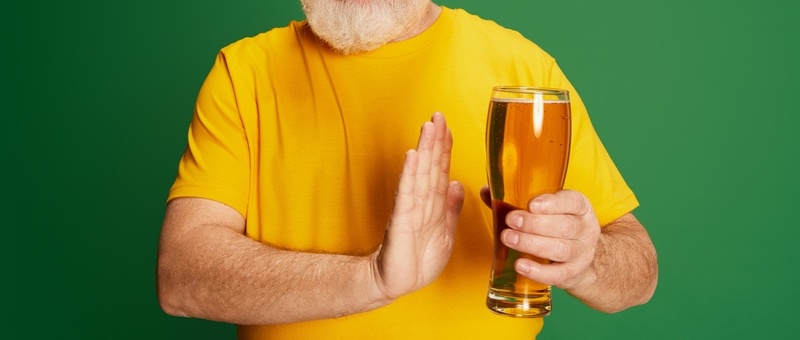
Alkohol stellt für Menschen jeden Alters Gesundheitsrisiken dar. Aber mit zunehmendem Alter kann unser Körper weniger gut mit seinen Auswirkungen umgehen, und die gesundheitlichen Bedenken nehmen noch weiter zu. Dazu gehören das Risiko, mehrere Krebsarten zu entwickeln, die Wahrscheinlichkeit, nach einem kleinen Sturz einen Knochen zu brechen, langsamere Reaktionszeiten und schlechte Reaktionen auf Medikamente.
Alcohol and ageing
As you get older, your body becomes less able to cope with alcohol. That's partly because some of your muscle is replaced by fat. What's more, the amount of water in your body gradually goes down - and alcohol is diluted by the water in your bloodstream. That means even if you drink the same amount of alcohol as someone younger, you're likely to have a higher level of alcohol in your blood.
Your liver processes alcohol, and too much alcohol can cause damage to your liver. As you age, the blood flow to your liver is decreased. That means alcohol stays in your liver for longer and can cause more harm.
Medicine side-effects and complications
Your liver also processes a whole host of medicines, which can interact with alcohol. This could mean you get more side effects. For example, painkillers, some antihistamines and some antidepressant medicines can make you feel drowsy, and this is often made worse by alcohol.
It could make you more susceptible to complications. Drinking alcohol with some diabetes medicines increases your chance of dangerous niedrigem Blutzucker, and taking it with the blood-thinner warfarin could increase your chance of bleeding.
Dizziness and falls
If your blood pressure is too high, it raises your odds of developing Herzinfarkt und Schlaganfall. That's why it's so important to get your blood pressure checked regularly as you age, and to take medicine to control it if needed.
But as you get older, your body's ability to keep your blood pressure high enough if you become dehydrated, or stand up too quickly, begins to slow down. That means you may be prone to funny turns - feeling lightheaded if you stand up too fast or get up out of bed. Drinking alcohol increases your chance of these funny turns, and this dizziness makes you more susceptible to falls.
Avoiding falls depends on a combination of reflexes, hearing, coordination, eyesight and muscle strength. Even a small amount of alcohol can slow down your reflexes and reaction time further. This is another reason alcohol makes you more likely to have a fall as you get older. And if you do slip, you're more likely to break a bone even with a minor tumble, because your bones tend to become thinner with age.
Alcohol also increases your chance of developing Osteoporose, or thinning of the bones. This is a very common issue in older people, especially women - 1 in 2 women and 1 in 5 men over 50 will break a bone because of osteoporosis.
Alcohol, age, and cancer risk
In the longer term, drinking alcohol increases your likelihood of developing several cancers. For some, such as Brustkrebs, there's no lower level where drinking is safe. A unit of alcohol is around half a pint of normal strength beer or a single pub measure of spirits - a standard glass of wine has about 2.5 units. And even 1 unit of alcohol a day increases your chance of breast cancer by 7-11%.
The risks of cancer increase for men, too, even at lower levels of drinking.
Guidelines now recommend that both men and women should stick to no more than 14 units a week, spread over several days and with at least a couple of alcohol-free days every week.
You can work out how many units you are drinking by using our Alkoholeinheiten-Rechner.
How to drink less as you get older
Research shows that older people may turn to alcohol as a result of changes in their circumstances. This could be because they are retired and don't have as much to occupy their time. They may be less mobile and can't get out to socialise as much, or because they're mourning the loss of a loved one.
Of course, many older people have highly fulfilling, healthy lives. But staying safe and well takes a few more precautions as time passes. Keeping your alcohol intake moderate as you get older is a really sensible start to living a longer, healthier life.
These tips can help you enjoy alcohol in moderation:
Limit the times you drink - for instance, only drinking alcohol with meals means you'll absorb it more slowly, keeping your blood alcohol levels lower.
Alternate soft and alcoholic drinks when you go out.
Have an extra one or two alcohol-free days each week.
Devise some mocktails - alcohol-free cocktails which will feel like you're having a treat, without the drawback of a hangover.
It’s also so important to try and keep your mind and body as active as you can as you get older. You don't need to train for a marathon - a regular gentle walk can help you reconnect with nature, and even better if you go with a friend.
Dank an das Magazin My Weekly, in dem dieser Artikel ursprünglich veröffentlicht wurde.
Patientenauswahl für Alkoholberatung

Gesundes Leben
Wie man seinen Alkoholkonsum auf einer Weihnachtsfeier der Arbeit kontrolliert
Vom Küssen unserer Kollegen bis hin zur Kritik am Chef – mehr als 1 von 4 Personen im Vereinigten Königreich hat etwas bereut, das sie auf einer Weihnachtsfeier der Arbeit getan haben. Zu viel Alkohol zu trinken ist das Hauptproblem, also wie können wir unseren Alkoholkonsum kontrollieren, wenn wir uns unter Druck gesetzt fühlen?
von Amberley Davis
Gesundes Leben
Die 5 besten Dry January Apps für 2024
Ob Sie ein Wochenendtrinker, ein Nach-der-Arbeit-Trinker, ein täglicher Schlückchennehmer oder ein Nur-in-Gesellschaft-Trinker sind, ein Monat ohne Alkohol kann Wunder für Ihr Wohlbefinden, Ihr Aussehen und Ihre innere Gesundheit bewirken. Wir stellen fünf der beliebtesten Apps vor, die Ihnen helfen, den Alkoholkonsum zu reduzieren oder ganz darauf zu verzichten.
von Amberley Davis
Über den AutorVollständige Biografie anzeigen

Dr. Sarah Jarvis
Klinische Beraterin
MA (Cantab), BM, BCh (Oxon), DRCOG, FRCGP, MBE
Nach ihrer medizinischen Ausbildung in Cambridge und Oxford wurde Dr. Sarah Jarvis MBE Hausärztin.
Über den RezensentenVollständige Biografie anzeigen

Dr Colin Tidy, MRCGP
Allgemeinmediziner, Medizinischer Autor
MBBS, MRCGP, MRCP (Paediatrics), DCH
Dr. Colin Tidy ist ein NHS-Arzt mit Sitz in Oxfordshire.
Artikelverlauf
Die Informationen auf dieser Seite werden von qualifizierten Klinikern begutachtet.
Artikel auch verfügbar in Englisch, Deutsch, Spanisch, Französisch, Italienisch, Portugiesisch, Hindi, Hebräisch, Arabisch, und Schwedisch.
Nächste Überprüfung fällig: 14. Mai 2028
13. Mai 2025 | Neueste Version
31 Jan 2024 | Ursprünglich veröffentlicht
Verfasst von:
Dr. Sarah Jarvis

Fragen, teilen, verbinden.
Durchsuchen Sie Diskussionen, stellen Sie Fragen und teilen Sie Erfahrungen zu Hunderten von Gesundheitsthemen.

Fühlen Sie sich unwohl?
Bewerten Sie Ihre Symptome online kostenlos
Abonnieren Sie den Patienten-Newsletter
Ihre wöchentliche Dosis klarer, vertrauenswürdiger Gesundheitsberatung - geschrieben, um Ihnen zu helfen, sich informiert, selbstbewusst und in Kontrolle zu fühlen.
Durch das Abonnieren akzeptieren Sie unsere Datenschutzrichtlinie. Sie können sich jederzeit abmelden. Wir verkaufen Ihre Daten niemals.
Mehr zum gesunden Leben
- Die 5 besten Dry January Apps für 2024
- Körperpositivität: 7 tägliche Gewohnheiten für Selbstliebe und Akzeptanz in jedem Alter
- Können wir den BMI-Tabellen für Kinder vertrauen?
- Ist der BMI wichtig?
- Wie man glücklich wird: 12 Alltagstipps
- Wie Sie Ihren BMI senken und gesund abnehmen können
- Wie man besser schläft
- Wie man verhindert, dass 'Mutter Schuldgefühle' die psychische Gesundheit beeinträchtigen
- Kniegesundheit: Wie man Knieverletzungen vorbeugt
- Nationale Zimmerpflanzenwoche: Gesundheitsvorteile von Biophilie und Pflanzen
- Intimität pflegen: 6 Tipps für langfristige Beziehungen
- Rauchen und seine Auswirkungen auf die Haut: von Alterung bis Krankheit
- Was bedeutet es, intersexuell zu sein?
- NeuWas ist Waldbaden und kann es Ihre Gesundheit verbessern?
- Was tun, wenn Ihr Gewicht Sie belastet
- Wann man einen Tag für die psychische Gesundheit bei der Arbeit nehmen sollte - und wie man mit dem Chef darüber spricht
- Warum beeinflusst Alkoholkonsum Ihren Schlaf?
- Warum Haarausfall Ihre psychische Gesundheit ernsthaft beeinträchtigen kann
- Warum Neujahrsvorsätze scheitern - und was Sie dagegen tun können