Kann die Ernährung Ihr ADHS beeinflussen?
Begutachtet von Dr Colin Tidy, MRCGPVerfasst von Victoria RawUrsprünglich veröffentlicht 15. Mai 2025
Erfüllt die Anforderungen des Patienten Richtlinien des Patienten
- HerunterladenHerunterladen
- Teilen
- Language
- Diskussion
- Audio-Version
- Zu bevorzugten Quellen bei Google hinzufügen
Da immer mehr Menschen mit ADHS diagnostiziert werden, wächst das Interesse an wirksamen Möglichkeiten, die Symptome zu kontrollieren. Ein vielversprechender Bereich ist die Ernährung, wobei neue Erkenntnisse darauf hindeuten, dass die Ernährung eine Rolle bei der Bewältigung der Erkrankung spielen könnte. Wir haben Experten gefragt, ob die Ernährung die ADHS-Symptome beeinflussen kann.
Gesponsert
Well Life ADHS-Klinik
Erhalten Sie Zugang zu einem KOSTENLOSEN, von Beratern geleiteten NHS-ADHS-Dienst mit schnelleren Beurteilungszeiten, vollständiger Diagnose und fortlaufender Behandlung - alles kostenlos über den NHS.
Aufmerksamkeitsdefizit-Hyperaktivitätsstörung (ADHD) is a neurological condition that affects around 5% of children and 4% of adults in the UK. People with ADHD commonly have trouble focusing, bursts of hyperactivity or impulsiveness, and moments where their mind feels foggy.
Wie die Ernährung bei der Bewältigung von ADHS-Symptomen helfen kann
Wie beeinflusst, was Sie essen, die Symptome von ADHS?
Symptoms of ADHD may be managed with certain medicines, though Integration gesunder Lebensgewohnheiten can also help you cope.
Dr. Tom MacLaren, Facharzt für Psychiatrie bei Re:Cognition Health in London, UK, erklärt, dass keine einzelne Ernährung ADHS heilen kann, aber aufkommende Forschungsergebnisse deuten darauf hin, dass bestimmte Ernährungsentscheidungen die Schwere Ihrer Symptome beeinflussen können.
Dr Miriam Mikicki, GP and Functional Medicine Practitioner, health.miro, London, UK says, "Your diet can have a big impact on your blood sugar. Excess rises and falls in blood sugar can certainly Verschlimmern Sie Ihre ADHS-Symptome."
She adds that Mehrere Vitamin- und Mineralstoffmängel have also been linked to more intense ADHD symptoms.
Nach Maclaren und Mikicki haben Kinder und Erwachsene mit ADHS oft niedrigere Werte bestimmter wichtiger Nährstoffe, die für die Gehirnfunktion, die Regulierung von Nervensignalen und die Stimmungsstabilität unerlässlich sind.
Dazu gehören:
Omega-3-Fettsäuren - critical for brain cell structure, dopamine regulation and managing inflammation.
Zink und Vitamin B6 - involved in neurotransmitter synthesis, neural signaling, and dopamine and serotonin production.
Magnesium - important for nervous system regulation.
Eisen - supports oxygenation and dopamine production. Low levels of ferritin, a protein that helps your cells store iron, has been linked to more severe ADHD symptoms.
Vitamin D - modulates brain-derived neurotrophic factor (BDNF), a protein that helps grow and protect brain cells.
MacLaren explains that addressing nutritional deficiencies through diet or supplements may improve focus and emotionale Regulation.
"For example, Omega-3-Ergänzungen has shown benefits in clinical trials," he says. "Iron correction may also reduce hyperactivity."
Welche Lebensmittel helfen, ADHS-Symptome zu verbessern?
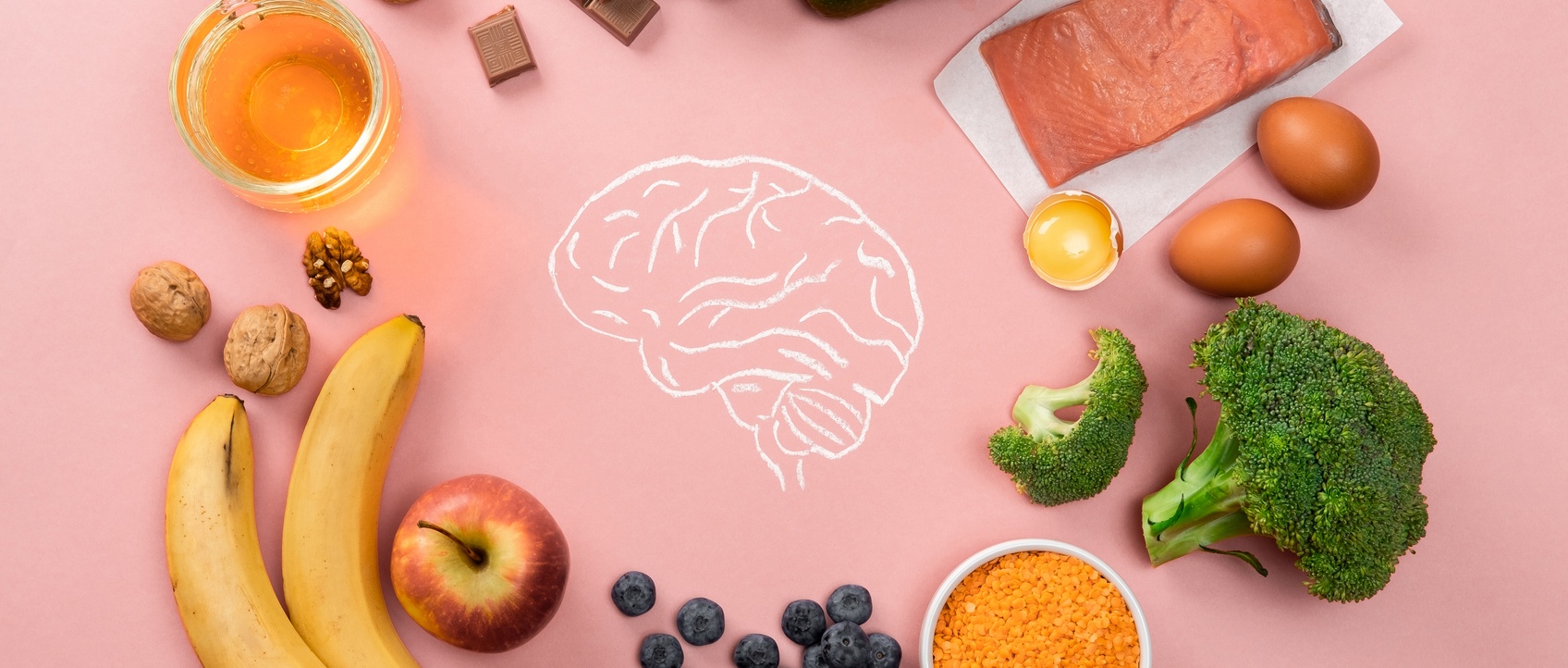
Die richtigen Lebensmittel in Ihre Ernährung aufzunehmen, könnte die Gehirnfunktion verbessern, die Konzentration fördern, Hyperaktivität beruhigen, Entzündungen reduzieren und sogar Ihre Stimmung verbessern.
Mikicki says that fatty fish - such as sardines and mackerel - are a great source of omega-3, while eggs contain Cholin, das für die Gehirnfunktion wichtig ist.
"Cholin ist ein Vorläufer von Acetylcholin, einem wichtigen Neurotransmitter, der eine Rolle bei Gedächtnis und Konzentration spielt, erklärt sie. Weitere hilfreiche Lebensmittel sind Blattgemüse – eine Quelle für Folsäure und Eisen – Nüsse und Samen – eine Quelle für Zink und Magnesium – sowie Beeren, die reich an Antioxidantien sind."
MacLaren skizziert eine detaillierte Liste von Lebensmitteln, die möglicherweise dazu beitragen können, ADHS-Symptome zu reduzieren:
Omega-3-Fettsäuren: Salmon, walnuts, flax seeds - support brain cell membranes.
Protein: Eggs, lean meats, legumes - stabilise blood sugar.
Complex carbohydrates: Hafer, Linsen, Quinoa – sorgen für anhaltende Energie.
Antioxidantien: Berries, spinach, nuts - reduce oxidative stress.
Fermentierte Lebensmittel: Yoghurt, kimchi, kefir - Unterstützen Sie Ihre Darmflora.
Gibt es einen Zusammenhang zwischen Darmgesundheit und ADHS?
Die Darm-Hirn-Achse is a two-way communication system that connects your digestive health and brain function.
Mikicki sagt, dass ein Ungleichgewicht in Ihren Darmbakterien (Dysbiose) die Entzündung erhöhen und Ihre kognitive Funktion negativ beeinflussen kann.
"„Menschen mit ADHS zeigen oft Ungleichgewichte in ihrer Darmmikrobiota“, erklärt sie.
For this reason, she recommends increasing your intake of verdauungsfreundlichen Lebensmitteln to help enhance attention and improve emotional regulation.
Dazu gehören:
Probiotikarreiche Lebensmittel - such as yoghurt, kefir, kimchi.
Präbiotika - such as bananas and garlic.
Ballaststoffe - such as whole grains and legumes.
Welche Diäten können bei ADHS helfen?
Es wird angenommen, dass die Befolgung bestimmter Diäten bei der Bewältigung von ADHS-Symptomen helfen kann. Diese umfassen in der Regel eine Eliminationsdiät, eine mediterrane Ernährung und eine Ernährung mit niedrigem glykämischem Index.
Eliminationsdiät
Eine Eliminationsdiät funktioniert, indem sie gängige Lebensmittelzusatzstoffe und Allergene entfernt, um die spezifischen Auslöser der Symptome zu identifizieren.
Mikicki beschreibt, wie bestimmte Lebensmittelgruppen – einschließlich Gluten und Milchprodukte – zu ADHS-Symptomen wie Gehirnnebel und Konzentrationsmangel bei Menschen mit bestimmten genetischen Merkmalen beitragen können.
Sie sagt: „Der beste Weg, um festzustellen, ob eine Verbesserung der kognitiven Symptome vorliegt, besteht darin, diese Lebensmittel für einen bestimmten Zeitraum wegzulassen und sie dann wieder einzuführen, um zu sehen, ob die Symptome zurückkehren.
"Dies ist eine personalisierte Methode, um herauszufinden, ob Ihre Symptome mit bestimmten Lebensmittelgruppen zusammenhängen."
Mikicki warnt davor, dass dieser Plan einen Nachteil hat, da er erfordert, bestimmte Lebensmittel für eine längere Zeit vollständig aus der Ernährung zu streichen, was zu Nährstoffmängeln führen könnte.
MacLaren erklärt: "Eliminating foods without adequate replacements can result in a lack of essential vitamins and minerals. It can also be particularly challenging for children and adults who may be picky eaters."
Allerdings fügt er hinzu, dass einige Kinder und Erwachsene mit ADHS davon profitieren könnten, künstliche Lebensmittelzusatzstoffe, Konservierungsstoffe und bestimmte Allergene zu meiden.
Mittelmeerdiät
The Mediterranean diet priorisiert Obst, Gemüse, Vollkorngetreide, Fisch, Eier, Milchprodukte, Olivenöl, Nüsse und Samen, mit kleinen Mengen an Fleisch und Geflügel.
Mikicki says this diet is promoted for its entzündungshemmenden Wirkung and nutrient density - such as omega-3 fatty acids - which is important for brain health.
"Es erfordert jedoch Planung und den Zugang zu bestimmten Lebensmitteln, fügt sie hinzu. Frischer Fisch zum Beispiel ist möglicherweise nicht immer leicht erhältlich."
Gering-glykämische Ernährung
Eine Ernährung mit niedrigem glykämischen Index vermeidet Lebensmittel, die schnelle Anstiege und Abstürze des Blutzuckerspiegels verursachen. Stattdessen konzentriert sie sich auf Lebensmittel, die Energie langsamer freisetzen, um einen stabilen Blutzucker zu erhalten und anhaltende Konzentration und Energie im Laufe des Tages zu unterstützen.
"„Das ist vorteilhaft, da wir wissen, dass die Stabilisierung des Blutzuckerspiegels einen tiefgreifenden Einfluss auf Stimmung und Energie haben kann“, sagt Mikicki. „Dies kann Impulsivität verringern und die Konzentration bei Menschen mit ADHS verbessern.“.
"Um diese Ernährung genau zu überwachen, benötigen Sie eine entsprechende Überwachung, wie z.B. ein kontinuierliches Glukosemonitoring (CGM) oder einen Bluttest."
MacLaren rät, dass ADHD-spezifische Diäten zwar gesündere Essgewohnheiten fördern können, es jedoch noch begrenzte wissenschaftliche Belege gibt, die ihre Wirksamkeit bei der direkten Verbesserung von ADHD-Symptomen bestätigen.
"„Es ist wichtig, diese Diäten mit Vorsicht und professioneller Anleitung anzugehen“, sagt er. „Konsultieren Sie immer einen Arzt, um eine ausgewogene Ernährung sicherzustellen.“".
Gesunde Ernährungstipps für ADHS und Wohlbefinden
A simple way to stabilise your blood sugar levels and reduce inflammation ist durch eine ausgewogene Ernährung rich in protein, complex carbohydrates, and healthy fats.
Mikicki sagt: „Die Ernährung gilt nicht als Heilmittel für ADHS, kann aber dennoch ein wirksamer ergänzender Ansatz sein.
MacLaren fügt hinzu, dass Ernährungsumstellungen keine eigenständige Behandlung sind, die Kombination von Ernährungsstrategien mit herkömmlichen ADHS-Therapien jedoch oft die besten Ergebnisse erzielt.
Er gibt einige abschließende Tipps für eine ausgewogene Ernährung, die Stimmung, Konzentration und Lebensqualität fördert.
"„Diese können Ihnen dabei helfen, genauer darüber nachzudenken, wie selbst kleine Anpassungen Ihrer Ernährung dazu beitragen könnten, Ihre ADHS-Symptome besser zu kontrollieren“, schließt er.
Priorisieren Sie Protein - including protein at every meal can help stabilise energy levels and improve concentration. Foods like lean meats, eggs, dairy, nuts, and legumes are excellent choices.
Wählen Sie komplexe Kohlenhydrate - opting for wholegrains over refined sugars helps maintain steady blood sugar levels, which can prevent mood swings and improve focus. Oatmeal, brown rice, and quinoa are great options.
Snacks planen - regular snacks can prevent blood sugar crashes. Nuts, seeds, fruits, and vegetables are nutritious choices that provide sustained energy.
Hydrate well - Ausreichende Flüssigkeitszufuhr ist entscheidend, da Dehydration die kognitive Funktion und Konzentration beeinträchtigen kann. Strebe mindestens 8 Gläser Wasser pro Tag an und erwäge hydratisierende Lebensmittel wie Obst und Gemüse.
Füge keine Zusatzstoffe hinzu - avoiding artificial colours, preservatives, and other additives can help reduce hyperactivity and improve attention in some people with ADHD.
Patientenauswahl für ADHS

Gehirn und Nerven
Was sind die Symptome von ADHS und Autismus (AuDHD)? Anzeichen, Unterschiede und Überschneidungen
Aufmerksamkeitsdefizit-Hyperaktivitätsstörung (ADHS) und Autismus-Spektrum-Störung (ASS) sind neurodevelopmentale Erkrankungen, die oft gemeinsam auftreten können. Wenn beide Bedingungen vorhanden sind, wird dies manchmal als AuDHD (ADHS und Autismus) bezeichnet. Obwohl dieser Begriff von Ärzten bei Diagnosen nicht verwendet wird, nutzen ihn Menschen häufig, um anzuzeigen, dass sie beide Bedingungen haben. In diesem Beitrag werden die Symptome von ADHS und Autismus separat untersucht und dann, wie sich die Kombination darstellt.
von Dr. Rachna Rajput, Psychiatry UK

Gehirn und Nerven
How to spot ADHD signs in your child this summer
With the UK school summer holidays finally here, many parents and families will be spending more time together than usual. If you've been wondering whether your child might have ADHD, the summer holidays can be a good chance to notice how they behave in different situations and routines. We spoke to a specialist about the signs to look out for, and what to do if you think your child may have ADHD.
von Victoria Raw
Häufig gestellte Fragen
Kann eine Diät allein ADHS heilen?
Nein, eine Diät allein kann ADHS nicht heilen. Während Ernährungsumstellungen ein wirkungsvoller ergänzender Ansatz sein können und die Schwere der Symptome beeinflussen können, werden sie nicht als eigenständige Behandlung angesehen. Die Kombination von Ernährungsstrategien mit konventionellen ADHS-Therapien führt oft zu den besten Ergebnissen.
Gibt es Risiken im Zusammenhang mit einer Eliminationsdiät bei ADHS?
Ja, es gibt Risiken, die mit einer Eliminationsdiät verbunden sind. Bestimmte Lebensmittel über einen längeren Zeitraum ohne angemessene Ersatzstoffe zu entfernen, kann zu einem Mangel an essenziellen Vitaminen und Mineralstoffen führen, was potenziell Nährstoffmängel verursachen kann. Es kann auch besonders herausfordernd für Kinder und Erwachsene sein, die wählerische Esser sind.
Was ist die Darm-Hirn-Achse und wie steht sie im Zusammenhang mit ADHS?
Die Darm-Hirn-Achse ist ein bidirektionales Kommunikationssystem, das Ihre Verdauungsgesundheit und Gehirnfunktion verbindet. Ein Ungleichgewicht in der Darmflora, bekannt als Dysbiose, kann Entzündungen erhöhen und die kognitive Funktion negativ beeinflussen. Menschen mit ADHS zeigen oft solche Ungleichgewichte, weshalb empfohlen wird, darmfreundliche Lebensmittel zu erhöhen, um bei der Aufmerksamkeit und emotionalen Regulation zu helfen.
Wie kann Protein bei ADHS-Symptomen helfen?
Eiweiß in jede Mahlzeit einzubeziehen, kann helfen, die Energielevel zu stabilisieren und die Konzentration zu verbessern. Lebensmittel wie mageres Fleisch, Eier, Milchprodukte, Nüsse und Hülsenfrüchte sind ausgezeichnete Eiweißquellen. Diese Stabilität der Energie kann helfen, ADHS-Symptome zu bewältigen.
Warum ist Hydration wichtig für die Bewältigung von ADHS-Symptomen?
Gut hydriert zu bleiben ist entscheidend, da Dehydration die kognitive Funktion und Konzentration beeinträchtigen kann. Das Ziel, mindestens 8 Gläser Wasser pro Tag zu trinken und hydrierende Lebensmittel wie Obst und Gemüse zu konsumieren, kann die Konzentration und die allgemeine Gehirnfunktion unterstützen.
Über den AutorVollständige Biografie anzeigen

Victoria Raw
Feature-Autorin
BA (Hons), Englische Literatur
Victoria ist eine Content-Autorin bei Patient, deren besondere Interessen sich auf das mentale Wohlbefinden, gesellschaftliche Trends und den Einfluss der Technologie auf unsere Gesundheit konzentrieren.
Über den RezensentenVollständige Biografie anzeigen

Dr Colin Tidy, MRCGP
Allgemeinmediziner, Medizinischer Autor
MBBS, MRCGP, MRCP (Paediatrics), DCH
Dr. Colin Tidy ist ein NHS-Arzt mit Sitz in Oxfordshire.
Artikelverlauf
Die Informationen auf dieser Seite werden von qualifizierten Klinikern begutachtet.
Artikel auch verfügbar in Englisch, Deutsch, Spanisch, Französisch, Italienisch, Portugiesisch, Hindi, Hebräisch, Arabisch, und Schwedisch.
Nächste Überprüfung fällig: 15. Mai 2028
15. Mai 2025 | Ursprünglich veröffentlicht
Verfasst von:
Victoria RawBegutachtet von
Dr Colin Tidy, MRCGP

Fragen, teilen, verbinden.
Durchsuchen Sie Diskussionen, stellen Sie Fragen und teilen Sie Erfahrungen zu Hunderten von Gesundheitsthemen.

Fühlen Sie sich unwohl?
Bewerten Sie Ihre Symptome online kostenlos
Abonnieren Sie den Patienten-Newsletter
Ihre wöchentliche Dosis klarer, vertrauenswürdiger Gesundheitsberatung - geschrieben, um Ihnen zu helfen, sich informiert, selbstbewusst und in Kontrolle zu fühlen.
Durch das Abonnieren akzeptieren Sie unsere Datenschutzrichtlinie. Sie können sich jederzeit abmelden. Wir verkaufen Ihre Daten niemals.
Mehr über Gehirn und Nerven
- 10 Hausmittel zur schnellen Linderung von Migräne
- Sind Kopfschmerzen und Migräne im Sommer häufiger?
- Sich von Maskierung befreien: wie man sie versteht und überwindet
- Kann ADHS Angst und Depressionen verursachen?
- Wie ADHS Arbeit und Produktivität beeinflusst
- Wie Darmbakterien die Stimmung, Konzentration und Gehirngesundheit beeinflussen
- NeuHow to spot ADHD signs in your child this summer
- Verursacht Ihre Periode Ihre Migräne?
- Popcorn-Gehirn: Was es ist, warum es passiert und wie Sie Ihren Fokus neu ausrichten können
- Mythen über Gürtelrose, die Sie nicht mehr glauben sollten
- Einfacher Rat könnte die langfristige Gesundheit von Menschen mit MS verbessern
- Was sind die Anzeichen von ADHS bei Frauen?
- Was ist die frühe Alzheimer-Krankheit - und was verursacht sie?
- Was ist das Tourette-Syndrom - und wie geht man damit um?
- Was man zu jemandem mit Demenz nicht sagen sollte
- Warum wurde mir der Gürtelrose-Impfstoff angeboten?
- Warum unsere Gehirne von schlechten Nachrichten fasziniert sind
- Demenz im jungen Alter steht im Zusammenhang mit Gesundheit und Lebensstil sowie genetischen Faktoren
- Ihr Leitfaden zur Schlaganfallprävention