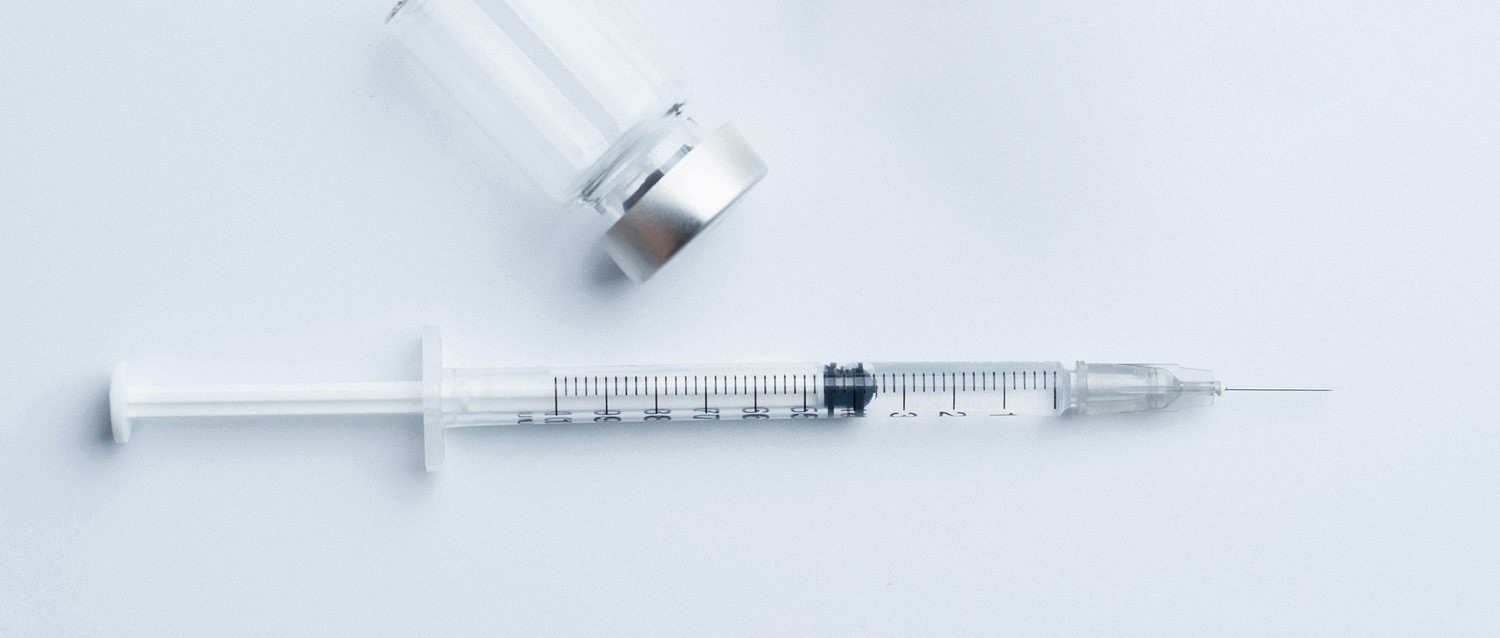
Ein Chlamydien-Impfstoff hat die ersten Sicherheitstests bestanden
Begutachtet von Natalie HealeyZuletzt aktualisiert von Milly EvansZuletzt aktualisiert 13 Aug 2019
Erfüllt die Anforderungen des Patienten Richtlinien des Patienten
- HerunterladenHerunterladen
- Teilen
- Language
- Diskussion
- Audio-Version
- Zu bevorzugten Quellen bei Google hinzufügen
Eine frühe klinische Studie eines Chlamydien-Impfstoffs hat gezeigt, dass er für Menschen sicher ist.
Die Studie, veröffentlicht in The Lancet Infektionskrankheiten journal, found that in a clinical trial of 35 healthy women, a vaccine shows early signs of effectiveness against genital Chlamydien.
Chlamydia is a sexuell übertragbare Infektion (STI) which is most common in under-25s, affecting between 3-7% of sexually active young people in the UK. The majority of people experience no symptoms but complications which can develop include Unfruchtbarkeit und Beckenentzündung.
In 2018 there were 218,095 diagnosed cases of chlamydia across the UK population, equating to nearly half of all new STI diagnoses. In the last five years, uptake of chlamydia screening has dropped by 22% but the proportion testing positive has increased.
Thus far, public health campaigns and treatment programmes have been largely ineffective in curbing the epidemic. Tests and antibiotic treatment are successful in detecting and treating chlamydia, but low public engagement and availability have prevented them from being effective.
A vaccination programme to prevent chlamydia occurring in the first place is thought to be a much better way of preventing its spread and complications. No previous chlamydia vaccines have reached human clinical trials.
Women are particularly at risk of complications from chlamydia. One in six women who have chlamydia develop pelvic inflammatory disease when the infection travels up from the cervix. This can cause chronic pelvic pain, infertility and ektopische Schwangerschaft, particularly in areas of the world where there is limited access to treatment and screening. Chlamydia is also strongly associated with a greater risk of having other STIs, especially HIV und Gonorrhö. Chlamydia during pregnancy increases the risk of negative outcomes like Fehlgeburten, stillbirth and preterm birth.
"Given the impact of the chlamydia epidemic on women's health, reproductive health, infant health through vertical transmission, and increased susceptibility to other sexually transmitted diseases, a global unmet medical need exists for a vaccine against genital chlamydia," explains author of the study, Professor Peter Andersen, from Statens Serum Institut, Denmark.
The 35 women included in the trial did not have chlamydia and were split into three groups, two with a different version of the vaccine (to see which was more effective) and one placebo group. In total, 32 participants received all five vaccinations in the course.
100% of those who received the vaccine had an immune response, whereas none of those in the placebo group did. One of the vaccines, called CTH522:CAF01, consistently performed better than the other and produced 5.6 times more antibodies. It is suggested that this vaccine be used for further clinical trials.
No serious side effects of the vaccination were reported although all of those who received the vaccine had mild skin reactions at the site of injection and some experienced mild pain or tenderness for a couple of days.
Despite showing an effective immune response, it is not yet known whether this translates into immunity to protect against chlamydia.
First author of the study, Helene Juel of the Statens Serum Institut, Denmark, reflected on the success of the first clinical trial. "Studies of antibodies in mice have found that antibodies in the vagina are the first line of defence against chlamydia infection, which suggests they are key to how effective the new vaccine may be."
"A vaccine for prevention of C. trachomatis infection [chlamydia] would have enormous public health and economic impact. Although clinical vaccine testing for chlamydia is in its infancy, this trial suggests optimism for the future," says Professor Toni Darville from University of South Carolina.
Diese Studie wurde veröffentlicht in The Lancet Infektionskrankheiten.
Patientenauswahl für Sexuell übertragbare Infektionen

Sexuelle Gesundheit
Wie oft sollten Sie eine Sexualgesundheitsklinik für einen Check-up besuchen?
Im Jahr 2020 gab es in England laut Public Health England 318.000 STI-Diagnosen. Im vergangenen Jahr gab es außerdem einen Rückgang der Konsultationen in den sexuellen Gesundheitsdiensten um 10 % im Vergleich zu 2019. Dennoch bleibt die Bedeutung regelmäßiger sexueller Gesundheitsuntersuchungen höher denn je.
von Emily Jane Bashforth

Sexuelle Gesundheit
Video: Welche verschiedenen Arten von STI gibt es?
Ob Sie gerade mit einer sexuell übertragbaren Infektion diagnostiziert wurden oder vermuten, dass Sie eine haben, ist es hilfreich, genau zu wissen, was jede einzelne ist, sowie die möglichen Ursachen und Behandlungsmöglichkeiten. Unsere Experten gehen auf einige der wichtigsten Fragen zu verschiedenen STIs ein.
von Dr. Rosemary Leonard MBE, MRCGP
Über den AutorVollständige Biografie anzeigen

Milly Evans
Redakteurin
Milly schreibt über eine Vielzahl von Gesundheitsthemen, mit besonderem Interesse an gesundheitlicher Ungleichheit und sexueller Gesundheit.
Über den RezensentenVollständige Biografie anzeigen

Natalie Healey
Freiberufliche Journalistin
BSc (Hons) Biomedizinische Wissenschaft
Sie ist eine in London ansässige Gesundheitsjournalistin, die seit mehreren Jahren über Wissenschaft und Medizin schreibt. Sie ist die ehemalige Leiterin der Redaktion bei Patient.
Artikelverlauf
Die Informationen auf dieser Seite werden von qualifizierten Klinikern begutachtet.
Artikel auch verfügbar in Englisch, Deutsch, Spanisch, Französisch, Italienisch, Portugiesisch, Hindi, Hebräisch, Arabisch, und Schwedisch.
13 Aug 2019 | Neueste Version

Fragen, teilen, verbinden.
Durchsuchen Sie Diskussionen, stellen Sie Fragen und teilen Sie Erfahrungen zu Hunderten von Gesundheitsthemen.

Fühlen Sie sich unwohl?
Bewerten Sie Ihre Symptome online kostenlos
Abonnieren Sie den Patienten-Newsletter
Ihre wöchentliche Dosis klarer, vertrauenswürdiger Gesundheitsberatung - geschrieben, um Ihnen zu helfen, sich informiert, selbstbewusst und in Kontrolle zu fühlen.
Durch das Abonnieren akzeptieren Sie unsere Datenschutzrichtlinie. Sie können sich jederzeit abmelden. Wir verkaufen Ihre Daten niemals.
Mehr zur sexuellen Gesundheit
- Können Ihre Ernährung und Ihr Lebensstil die Fruchtbarkeit verbessern?
- Verändern Antibabypillen Ihr Verhalten?
- STI-Tests für zu Hause: wie sie funktionieren und was Sie erwarten können
- Wie Erektionsprobleme Ihre Beziehung beeinflussen können
- Wie man Vaginismus behandelt
- Junk-Food-Diät mit niedriger Spermienzahl verbunden
- Wissenschaftler entwickeln Spermientrennungsmethode zur Geschlechtsauswahl
- Sollten Sie Ihre Verhütungsmethode auf die Spirale oder das Implantat umstellen?
- STI-Videos
- Sexualerziehung für Teenager: die besten digitalen Ressourcen für Ihr Kind
- Die gesundheitlichen Vorteile von Sexspielzeug
- Video: Wie stark beeinflusst PCOS die Fruchtbarkeit?
- Was kann bei Frauen eine niedrige Libido verursachen?
- Was passiert, wenn Sie eine Sexualgesundheitsklinik besuchen?
- Was ist das Post-Pillen-Syndrom?
- Wie es ist, ein genesender Sexsüchtiger zu sein
- Was man jemandem mit HIV nicht sagen sollte
- Warum nehmen sexuell übertragbare Infektionen bei älteren Menschen zu?
- Warum nimmt das Einfrieren von Eizellen zu und ist es sicher?
- Warum regelmäßige STI-Tests so wichtig sind