COVID-19: can children become seriously ill from coronavirus?
Peer reviewed by Dr Sarah JarvisAuthored by Natalie HealeyOriginally published 17 Apr 2020
Meets Patient’s editorial guidelines
- DownloadDownload
- Share
- Language
- Discussion
- Audio Version
- Add to preferred sources on Google
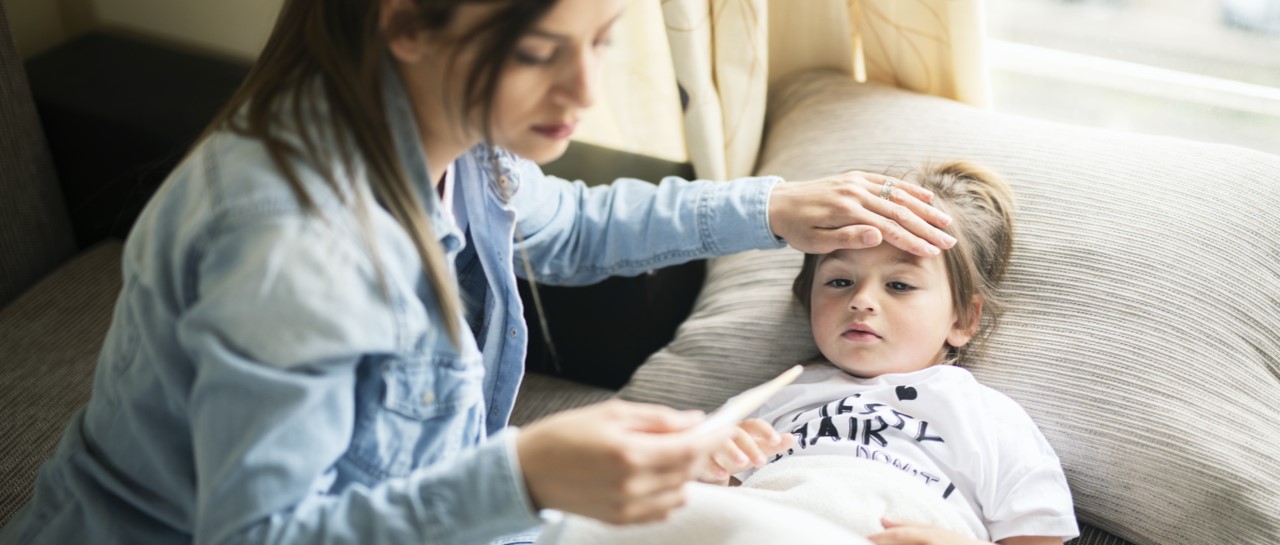
While older people and those with underlying health problems are more at risk of severe complications from COVID-19, children can still catch coronavirus and become ill. Here's how parents can keep them safe.
The coronavirus crisis is affecting us all, but some groups appear to be more vulnerable than others to the disease. Older people and those with underlying health problems are more likely to experience severe forms of the illness. But that doesn't mean kids can't catch the virus and become seriously poorly. The youngest cases have been infants only a few days old. And there have been a small number of tragic reports of children dying from COVID-19.
Researchers at Imperial College London have found a clear link between older age and the likelihood of being hospitalised with coronavirus. But while young, fit people do appear to be far less likely to experience serious complications from COVID-19, even the healthiest (and youngest) of us could experience severe symptoms.
A study from China of more than 2,000 children who had contracted COVID-19 found that although the cases were generally less severe in kids compared to adults, children were still vulnerable to infection.
"Unfortunately children can get seriously ill with coronavirus," points out GP Dr Adwoa Danso. "We have seen very young people die, with no known underlying conditions."
Why are children less affected?
Reading about these tragic cases is likely to cause parents understandable anxiety, but reassuringly these incidents appear to be very rare. However, although the risk of a child experiencing a serious case of coronavirus is low, it’s not impossible.
"Children are the least likely to die from coronavirus. But even so, it's a bit of a Russian roulette if you catch this. Nobody knows how it's going to affect you. And that's what makes it so terrifying," says Dr Gero Baiarda, a GP at GPDQ.
While young children are one of the groups that are most vulnerable to illnesses like flu, coronavirus seems to be a different scenario. We don't know enough about COVID-19 to be sure yet, but scientists believe children may generally experience milder symptoms than adults because of how their immune systems work.
As COVID-19 is a new illness that we haven't been exposed to before, none of us has built up any sort of defence to it. But children's immune systems are quite used to encountering illnesses they haven't met before, which may be why they are better at responding to coronavirus.
An excessive immune reaction to COVID-19 can cause serious (and potentially fatal) complications. Some researchers think that because children's immune systems are less likely to overreact to the virus, their lungs are protected from serious damage.
Stop the spread
Although children tend to be less severely affected by COVID-19, parents must remember that kids can still spread it. Even if a child isn't experiencing symptoms, they could be a silent carrier and pass the virus on to a more vulnerable person like an older relative.
Parents must ensure children are washing their hands regularly and for at least 20 seconds to minimise the spread of coronavirus. If they venture outside for daily exercise, be strict about them keeping at least two metres away from anyone outside of the household.
And if your child or a member of the family develops symptoms, everyone in the household must self-isolate for 14 days.
"I know this may be worrying but it is important to know that there are measures in place to protect us," says Danso. "It is important for children to practise social distancing, social isolation and frequent hand washing. I encourage everyone to follow the guidance as this will reduce the risk of contracting the virus."
Don't delay seeking medical advice
Coronavirus doesn't mean other medical problems magically go away. If you are worried about your child's health during this time, don't ignore those concerns.
If your child has symptoms of coronavirus (a new continuous cough and a high temperature), do not take your child to the doctor or pharmacist. Instead:
If they are under 5 years old, ring 111 for advice about what action to take.
If they are 5-15 years old, look up advice on their symptoms from the host of information on Patient.info, or use the NHS online symptom checker.
If no further action is needed and they have symptoms of coronavirus, they should stay at home and self-isolate for at least seven days (everyone else in the house will need to self-isolate for 14 days). If their symptoms worsen or affect their ability to do things like reading books or watching TV, call NHS 111.
For other symptoms that are not related to coronavirus, contact your child's GP. Although most medical appointments involve being contacted over the phone or video call for the time being, health professionals are still available to help out if someone experiences illness.
"If we have to see a child face to face, we will adopt all the personal protective equipment to assess them safely. And if we are concerned, the paediatric team at the hospital will be more than happy to see them," says Baiarda.
Don't forget that pharmacists can offer advice on many minor ailments, sometimes over a video consultation - you can find out more about services at Patient Access by searching for pharmacy video consultation in the drop-down box.
Patient picks for General information

COVID-19
COVID-19: how to stay safe this Christmas
Christmas is just around the corner, and after it was effectively cancelled last year courtesy of the pandemic, hopes are high for more festive fun this time around. But COVID-19 hasn't gone away, and this festive season it's still really important to make sure we're being 'COVID-safe' and mitigating the risks of the virus as much as possible.
by Dr Sarah Jarvis

COVID-19
How to ventilate safely to protect against COVID-19 this winter
Temperatures are starting to drop and hot chocolate and cosy socks season is upon us. However, with COVID-19 still very much present, it's important to continue ventilating during winter to minimise your risk of becoming infected. Ventilating all year round can also have wider benefits for your health. So, how can you do this safely?
by Emily Jane Bashforth
About the authorView full bio
Authored by

Natalie Healey
Freelance journalist
BSc (Hons) Biomedical Science
She is a London-based health journalist who has been writing about science and medicine for several years. She is the former head of editorial at Patient.
About the reviewerView full bio

Dr Sarah Jarvis
Clinical Consultant
MA (Cantab), BM, BCh (Oxon), DRCOG, FRCGP, MBE
After training in medicine at Cambridge and Oxford, Dr Sarah Jarvis MBE became a GP.
Article history
Article also available in English, German, Spanish, French, Italian, Portuguese, Hindi, Hebrew, Arabic, and Swedish.
17 Apr 2020 | Originally published
Authored by:
Natalie HealeyPeer reviewed by
Dr Sarah Jarvis
Join the conversation
Share your thoughts or experiences with others in our patient communities.

Ask, share, connect.
Browse discussions, ask questions, and share experiences across hundreds of health topics.

Feeling unwell?
Assess your symptoms online for free
Sign up to the Patient newsletter
Your weekly dose of clear, trustworthy health advice - written to help you feel informed, confident and in control.
By subscribing you accept our Privacy Policy. You can unsubscribe at any time. We never sell your data.