
COVID-19: how to protect yourself against coronavirus
Peer reviewed by Dr Sarah JarvisLast updated by Milly EvansLast updated 5 Mar 2020
Meets Patient’s editorial guidelines
- DownloadDownload
- Share
- Language
- Discussion
- Audio Version
- Add to preferred sources on Google
Our actions as individuals will go a long way in preventing, detecting and isolating potential cases of coronavirus and COVID-19.
This article is now out of date. You can find our latest features and advice on coronavirus and COVID-19 in our coronavirus hub.
Use Patient's coronavirus checker tool if you have any symptoms of fever or a new cough. Until you have used the tool and been advised what action to take, please stay at home and avoid contact with other people.
Personal risk
Like many viruses, there are lots of things you can do to reduce your own risk of contracting COVID-19. These measures will also reduce your risk of contracting the common cold or flu, both of which are spread by cough and sneeze droplets.
Carry tissues at all times and use them to cover your mouth and nose when you sneeze. Bin the tissue (preferably in a bin with a lid) and wash your hands or use hand sanitiser. If a tissue isn't available, cough or sneeze into your elbow rather than your hands.
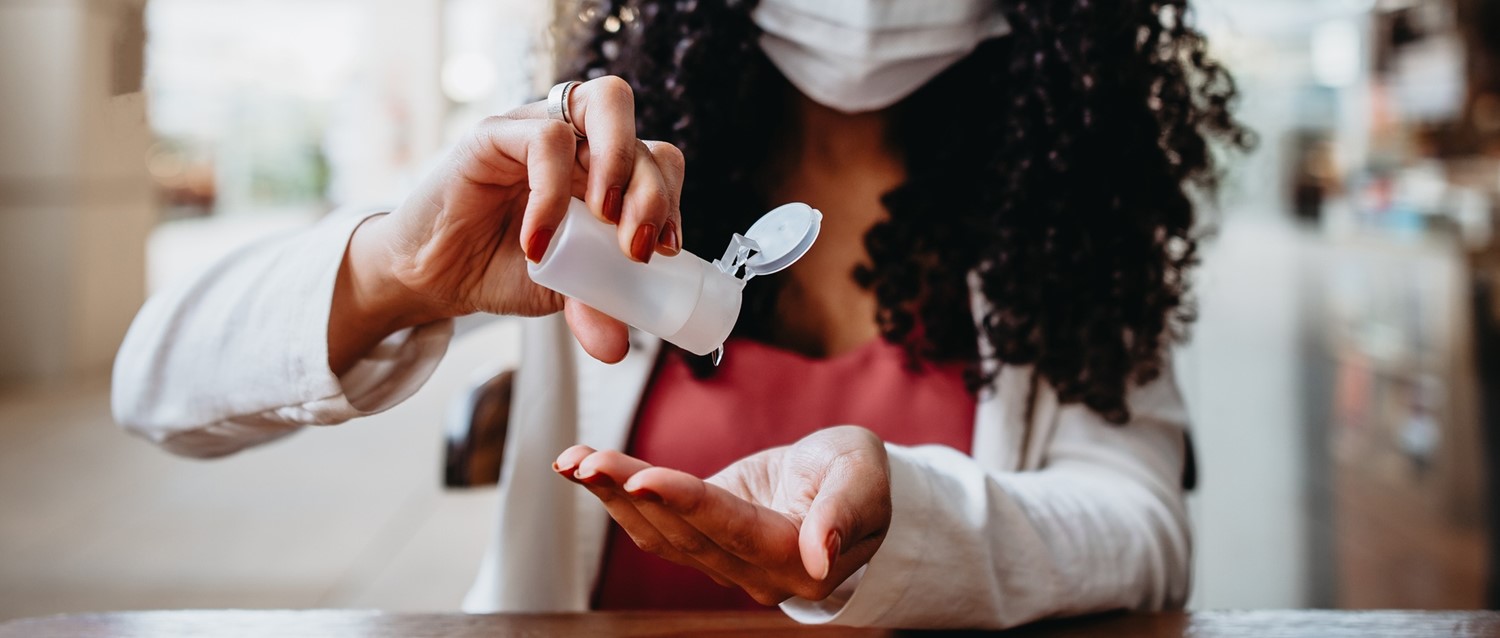
Wash your hands frequently and properly. This means using the WHO recommended handwashing method, hot water and soap. If you can't wash your hands, use a hand sanitiser containing at least 60% alcohol and wash your hands at the earliest opportunity.
Avoid touching your face, especially your mouth, eyes and nose, with hands that haven't been washed.
Avoid contact with people who are unwell.
Wearing surgical face masks makes little difference outside of hospital environments as they must be worn and removed correctly, changed frequently and disposed of safely to be effective. Rising demand from the public for protective face masks is also causing shortages for hospitals around the world.
There isn't yet a vaccine but various teams of scientists across the globe are in the process of developing a vaccine to protect against COVID-19. There also isn't a specific treatment yet available, although many people will recover from mild infections following rest and fluids. Those who go on to develop pneumonia will have their symptoms managed and treated.
Know the signs and symptoms
It's important that we're able to spot the signs of COVID-19 so that we can act quickly if we need to. As COVID-19 is part of the coronavirus family which includes SARS, MERS and the common cold, many of its symptoms are respiratory and flu-like.
If you do not have a fever, it is somewhat unlikely you are infected, although some people are able to be infected and pass on the virus without symptoms. Typically, a runny nose and sneezing are not symptoms of this virus.
According to a study published in The Lancet, the proportion of infected people with the following symptoms of SARS-CoV-2 infection is:
Fever - 98%.
Cough - 76%.
Shortness of breath - 55%.
Muscle ache or tiredness - 44%.
Coughing up sputum - 28%.
Headache - 8%.
Coughing up blood - 5%.
Check before you travel
Travellers from the UK should check the latest guidance from the Foreign and Commonwealth Office before travel. Their advice is being continuously updated, with travellers advised to avoid all but essential travel to a growing number of countries and regions across the world.\
Social distancing
The government have issued new guidance which includes avoiding all non-essential contact with other people. This includes avoiding pubs, bars, cinemas and other social venues. Minimise contact with others as much as possible. If you are able to work from home or avoid public transport, you should.
Isolate yourself
One of the best ways to prevent the spread of the new coronavirus is to isolate anyone who may be carrying the virus. The virus has an incubation period of up to fourteen days, meaning that within two weeks of infection, symptoms should show. But some people are able to carry the virus without displaying any symptoms so it's crucial that people who are at especially high risk are isolated even if they don't have any symptoms.
For example, a hotel in Tenerife with hundreds of guests was been put on lockdown as medical tests were carried out following an Italian doctor testing positive for coronavirus. This is because many of those people may have come into contact with the doctor or infected surfaces in the hotel.
When should you self-isolate?
Anyone who experiences symptoms of fever or a new cough is being asked to self-isolate for seven days from the start of their symptoms. If one person develops symptoms in a household, the rest of the household must isolate for fourteen days. If anyone else then develops symptoms, they should isolate for seven days from the onset of their symptoms, even if that means isolating for more than fourteen days.
If after the isolation period your fever is gone and you feel better, you can end isolation. Your cough may persist after the fever is gone.
What does self-isolation involve?
If you need to self-isolate, you should take action immediately. You must stay inside and avoid all contact with other people.
You must:
Stay at home.
Not go to work, school or public areas.
Not use public transport like buses, trains, tubes or taxis.
Avoid visitors to your home.
Ask friends, family members or delivery services to carry out errands on your behalf. This includes shopping, getting medication and food.
If you live in a house with others, you should isolate yourself from them and avoid sharing cutlery, crockery, towels and bedding.
If you have children at home, you should take advice about whether they need to self-isolate too. If not, and you can keep yourself isolated from them, you should ensure someone else takes them to and from school.
When deliveries are made, ask the delivery company to leave them outside your door rather than handing them over personally.
If your symptoms get worse, become difficult to manage at home or stop you from doing daily tasks like looking at your phone or getting out of bed, call NHS 111 or the relevant number for your country. They will advise you on what to do. If you are told to go to hospital, you should not use public transport, including taxis, to get there as this could spread the virus. In an emergency, call 999 and tell them that you think you might have coronavirus.
Patient picks for General information
COVID-19
How to manage health anxiety in a post-pandemic world
For some people, COVID-19 has had a lasting impact on their mental health. In particular, coronavirus has fuelled a rise in a debilitating condition known as 'health anxiety' - in which obsessive fears about health become excessive.
by Lydia Smith

COVID-19
How to help your child adjust to a post-COVID world
As we go back to some kind of normal, many parents will be worried about the ways the pandemic has affected their kids. Might school closures and social distancing have left a lasting legacy? And how can parents help children cope with the changes that lie ahead?
by Abi Millar
About the authorView full bio

Milly Evans
Editor
Milly writes on a range of health topics, with a particular interest in health inequality and sexual health.
About the reviewerView full bio

Dr Sarah Jarvis
Clinical Consultant
MA (Cantab), BM, BCh (Oxon), DRCOG, FRCGP, MBE
After training in medicine at Cambridge and Oxford, Dr Sarah Jarvis MBE became a GP.
Article history
The information on this page is peer reviewed by qualified clinicians.
Article also available in English, German, Spanish, French, Italian, Portuguese, Hindi, Hebrew, Arabic, and Swedish.
5 Mar 2020 | Latest version
Join the conversation
Share your thoughts or experiences with others in our patient communities.

Ask, share, connect.
Browse discussions, ask questions, and share experiences across hundreds of health topics.

Feeling unwell?
Assess your symptoms online for free
Sign up to the Patient newsletter
Your weekly dose of clear, trustworthy health advice - written to help you feel informed, confident and in control.
By subscribing you accept our Privacy Policy. You can unsubscribe at any time. We never sell your data.
More in cOVID-19
- COVID-19 boosters and pregnancy: Are they safe and should you get them?
- COVID-19: How contagious is Omicron?
- COVID-19: how to avoid catching viruses at work
- COVID-19: how to manage back-to-school worries
- COVID-19: is it safe to send your kids back to school?
- COVID-19: when do experts predict life will return to normal?
- How to help your child adjust to a post-COVID world
- How to make face masks and coverings more comfortable
- Is there a rise in alcohol deaths during COVID-19 pandemic?
- Long COVID: what support is available?
- Shielders: how can vulnerable people stay safe as restrictions end?
- Should children get the COVID-19 vaccine?
- What are the symptoms of the COVID-19 variant Pirola?
- Why it's normal to feel anxious about a post-COVID future