Was passiert, wenn Sie die Pille absetzen?
Begutachtet von Dr Colin Tidy, MRCGPZuletzt aktualisiert von Amberley DavisZuletzt aktualisiert 27. Okt 2023
Erfüllt die Anforderungen des Patienten Richtlinien des Patienten
- HerunterladenHerunterladen
- Teilen
- Language
- Diskussion
- Audio-Version
- Zu bevorzugten Quellen bei Google hinzufügen
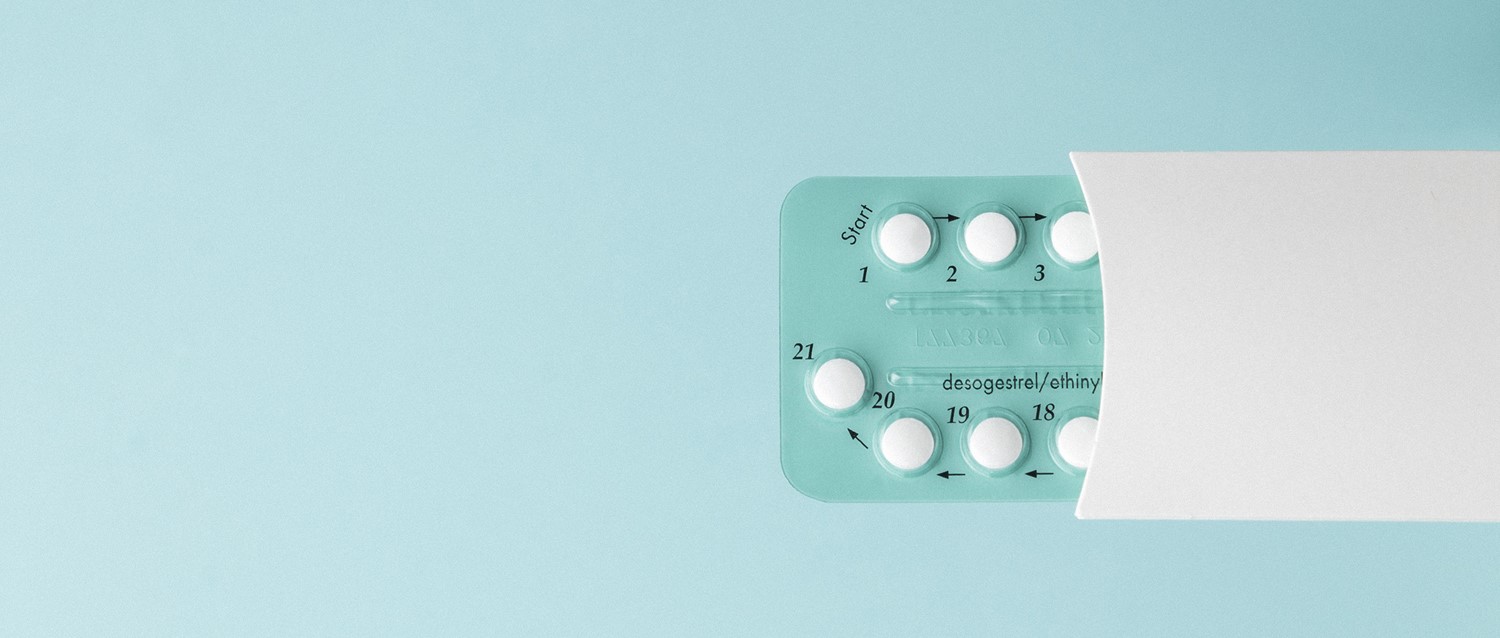
Erstmals in den 1960er Jahren zugelassen, gibt 'die Pille' Frauen seit fast sieben Jahrzehnten die Kontrolle über ihre Fortpflanzungssysteme. In den letzten Jahren gibt es jedoch eine wachsende Bewegung von Frauen, die sich von dieser Verhütungsmethode abwenden. Was passiert also tatsächlich mit Ihrem Körper, wenn Sie die Pille absetzen, nachdem Sie sie seit Ihrer Jugend eingenommen haben?

From your moods to your fertility, you may be wondering what life would be like if you stopped taking the pill. We speak to Karin O'Sullivan, clinical consultant at the Vereinigung für Familienplanung (FPA), and Dr Helen Munro, consultant and clinical lead for the Faculty of Sexual and Reproductive Healthcare (FSRH). These sexual health experts explain how your body adjusts to coming off the pill.
Was passiert, wenn Sie die Pille absetzen?
According to O'Sullivan, no matter how long you've been taking the contraceptive pill, the hormones clear from your body very quickly when you stop taking them. Other changes include your periods returning to normal and the return of previous hormone related issues.
Your periods return to normal
After you stop taking the pill, your periods go back to 'normal' - although what's normal for you might have changed since you started taking the pill.
Regardless of how long you've been on the pill, there's no truth in the myth that the synthetic hormones build up. Once you come off, your natural Menstruationszyklus returns to releasing different amounts of hormones at different times - instead of the regular dose of hormones you get on the pill. This may affect how you feel throughout the month.
"If you've been taking the pill for a while then other things in your life have probably changed, and this might mean your menstrual cycle is now different to how it was before the pill," O'Sullivan says.
Your vaginal discharge might change
Physically, O'Sullivan adds: "You might also notice a change in your vaginaler Ausfluss, which can change from being thick, sticky and white, to become more slippery, a bit like raw egg white, at the time of ovulation."
Previous hormonal issues may return
If you previously suffered from hormonal issues which the pill has been keeping at bay - such as Regelschmerzen, mood swings or Akne - then there is a chance that these problems will return after coming off the pill.
However, as O'Sullivan points out, it's worth remembering that getting older and changes to your lifestyle can also have an impact on any of these symptoms.
Are there any side-effects of coming off the pill?
As your body quickly readjusts to coming off the pill, you may experience additional side effects such as:
Kopfschmerzen.
Stimmungsschwankungen.
Brustempfindlichkeit.
Increased sex drive.
Weight changes.
If you are concerned about any of these side effects, or have heavy bleeding, dizziness, or shortness of breath, you should seek medical attention immediately.
How many days after stopping the pill does your period start?
"For some people, their normal menstrual cycle will return straightaway after coming off the pill, while for others it may take a few months before their periods start again or settle into a pattern," O'Sullivan explains.
As a general rule though, she adds, if your periods haven't restarted after a few months then it's worth seeing your doctor to check for any medical issues or an unexpected Schwangerschaft.
Does coming off the pill affect your period?
If you've been taking the combined oral contraceptive pill (COC), you may have found that your monthly withdrawal bleed was much lighter and less painful than a normal period. If you've been on the Gestagen-allein-Pille (POP) then you may have stopped bleeding altogether.
As with the other symptoms, O'Sullivan explains that you may find your periods go back to exactly as they were before the pill - with your monthly bleed becoming longer, heavier and more painful again once you come off. Or, they may be different due to changes in your body and lifestyle.
For example, if work or your personal life is currently causing you a lot of stress - more than you felt during your last natural menstrual cycle - then you may find your natural period is more painful than you remember1.
How long after coming off the pill can you get pregnant?
Your fertility should return quickly once you stop taking the pill. This means that you can get pregnant immediately after stopping the pill. However, it could take several months for your body to return to normal.
Dr Munro says: "If you're coming off the pill but don't want to get pregnant then make sure you have an alternative method of contraception lined up straightaway". However, if you're coming off the pill because you are hoping to get pregnant, O'Sullivan says be prepared that it may not happen straightaway - although remember also that it could.
"Factors such as age and how fit and healthy you are can affect how long it takes to get pregnant, but the majority of couples trying for a baby will get pregnant within a year if they're having unprotected sex regularly every 2-3 days," she advises.
What other contraception can I use instead of the pill?
"Long-acting reversible contraception (LARC) - such as the Implantat, hormonal and non-hormonal Spule, and contraceptive Injektion - is the most effective option we have, and can be used by most women," Munro explains.
"My advice is that there is no perfect contraception method but it's important you attend a GP or specialist contraception clinic to discuss your options - especially if you've had a poor experience of the pill, or negative side effects," she adds.
Can coming off the pill affect fertility?
Munro says: "There are no known lasting affects on fertility, even if you have been using either the COC pill or the POP for many years. This is often a concern for women, who come to my clinic voicing a perceived need for a break from the pill and a temporary return to their natural menstrual cycle. There is no evidence that this is needed, and could lead to an unplanned pregnancy if no other method of effective contraception is used in its place," she explains.
Also remember that use of the COC pill is linked with a reduced risk of both ovarian and endometrial cancer which, Munro adds, "continues for several decades even after coming off the pill - a really positive side effect that's often overlooked and not mentioned."
Weiterführende Lektüre
Patientenauswahl für Verhütung
Sexuelle Gesundheit
Erhöht die Antibabypille Ihr Risiko für Blutgerinnsel?
Im April tauchten einige Berichte über seltene Blutgerinnsel auf, die bei Menschen nach der AstraZeneca COVID-19-Impfung auftraten. Bald wurden Vergleiche zwischen dem mit dem Impfstoff verbundenen Thromboserisiko und dem der Antibabypille gezogen, um Bedenken hinsichtlich der Impfung zu zerstreuen. Aber könnten diese Vergleiche unnötige Sorgen über Nebenwirkungen der Verhütung verursachen?
von Allie Anderson

Sexuelle Gesundheit
Beeinflusst hormonelle Verhütung Ihr Sexualtrieb?
Jeder, der hormonelle Verhütungsmittel verwendet hat, hat höchstwahrscheinlich die lange Liste potenzieller Nebenwirkungen gesehen. Neben den Gesundheitswarnungen ist 'Veränderung des Sexualtriebs' leicht zu übersehen. Aber für Frauen, die sie erleben, können Veränderungen der Libido frustrierend und beunruhigend sein.
von Milly Evans
Über den AutorVollständige Biografie anzeigen

Sarah Graham
Freiberufliche Gesundheitsjournalistin
MA, Zeitungsjournalismus
Sarah Graham ist eine preisgekrönte freiberufliche Gesundheitsjournalistin und Gründerin des feministischen Frauen-Gesundheitsblogs Hysterical Women.
Über den RezensentenVollständige Biografie anzeigen

Dr Colin Tidy, MRCGP
Allgemeinmediziner, Medizinischer Autor
MBBS, MRCGP, MRCP (Paediatrics), DCH
Dr. Colin Tidy ist ein NHS-Arzt mit Sitz in Oxfordshire.
Artikelverlauf
Die Informationen auf dieser Seite werden von qualifizierten Klinikern begutachtet.
Artikel auch verfügbar in Englisch, Deutsch, Spanisch, Französisch, Italienisch, Portugiesisch, Hindi, Hebräisch, Arabisch, und Schwedisch.
Next review due: 27 Oct 2026
27. Okt 2023 | Neueste Version
30. Jun 2018 | Ursprünglich veröffentlicht
Verfasst von:
Sarah Graham

Fragen, teilen, verbinden.
Durchsuchen Sie Diskussionen, stellen Sie Fragen und teilen Sie Erfahrungen zu Hunderten von Gesundheitsthemen.

Fühlen Sie sich unwohl?
Bewerten Sie Ihre Symptome online kostenlos
Abonnieren Sie den Patienten-Newsletter
Ihre wöchentliche Dosis klarer, vertrauenswürdiger Gesundheitsberatung - geschrieben, um Ihnen zu helfen, sich informiert, selbstbewusst und in Kontrolle zu fühlen.
Durch das Abonnieren akzeptieren Sie unsere Datenschutzrichtlinie. Sie können sich jederzeit abmelden. Wir verkaufen Ihre Daten niemals.
Mehr zur sexuellen Gesundheit
- Werden Erektionsprobleme bei jungen Männern häufiger?
- Sind Fruchtbarkeits-Apps eine zuverlässige Form der Empfängnisverhütung?
- Kann man mit HIV ein langes, gesundes Leben führen?
- Kann Ihr Apotheker Ihnen bei Ihrer sexuellen Gesundheit helfen?
- Beeinflusst Rauchen Ihr Sexualleben?
- HIV bei Frauen: Was Sie wissen sollten
- Wie erkennt man, ob man HIV hat?
- Wie Erektionsprobleme Ihre Beziehung beeinflussen können
- Ist es sicher, die Periode mit der Pille auszulassen?
- Mythen über die Pille danach entlarvt
- Geheime Einkäufer: Bekommen Frauen die beste Verhütungsberatung?
- Sollten Sie die Pille vermeiden, wenn Sie Migräne haben?
- Sollten Sie die Kupferspirale als Notfallverhütung in Betracht ziehen?
- Was tun bezüglich Verhütung nach der Geburt
- Wie sieht die Zukunft der Verhütung aus?
- Wo man Hilfe bei sexueller Gewalt bekommt
- Welche Medikamente können Ihre Verhütung beeinflussen?
- Warum nimmt das Einfrieren von Eizellen zu und ist es sicher?
- Warum nimmt sexuelle Gewalt gegen Männer zu?
- HIV-Prävention für Frauen: die Bedeutung des Vaginalrings