Was ist der Unterschied zwischen Allergie und Intoleranz?
Begutachtet von Dr Colin Tidy, MRCGPVerfasst von Dr Sarah JarvisUrsprünglich veröffentlicht 21 Feb 2020
Erfüllt die redaktionelle Richtlinien
- HerunterladenHerunterladen
- Teilen
- Language
- Diskussion
- Ask Patient
- Audio-Version
- Zu bevorzugten Quellen bei Google hinzufügen
Machen Sie keinen Fehler - Nahrungsmittelallergien können tödlich sein und nehmen zu. Schon der kleinste Kontakt mit etwas, gegen das Sie eine schwere Allergie haben, kann tödlich sein, daher ist es wichtig, die Anzeichen einer allergischen Reaktion auf Lebensmittel zu kennen.
Learn about adrenaline auto-injectors
Erhalten Sie fachkundige medizinische Beratung bequem von zu Hause aus. Füllen Sie eine kurze Online-Konsultation aus, die rund um die Uhr verfügbar ist. Ihre Anfrage wird von einer in Großbritannien registrierten medizinischen Fachkraft geprüft. Für ausgewählte Behandlungen ist eine Lieferung am nächsten Tag möglich.

What is an allergy?
With food, there's a fundamental difference between allergie und Unverträglichkeit. In allergy, your Immunsystem (which normally helps you fight off infection) turns on your body and attacks it. This could be a local reaction - as in Heuschnupfen- or a 'generalised' allergic reaction, affecting your whole body. Food allergies are generalised because the food is absorbed into your system. The symptoms of food intolerance, on the other hand, are more likely to centre on your gut.
What can cause an allergic reaction?
Some of the confusion around the difference between allergy and intolerance may come from the fact that there are also two kinds of generalised reactions: IgE and non-IgE reactions. IgE stands for immunoglobulin E - a type of antibody produced by your immune system. These react with specific 'antigens' - something your body recognises as an enemy causing a immune system response.
It's only IgE-mediated reactions which result in life-threatening symptoms and IgE-mediated reactions come on within minutes or even seconds.
If you have a severe (IgE-mediated) food allergy, even the tiniest exposure to something you're allergic to can bring on this reaction. For instance, if food you're eating has been prepared on a surface where nuts were previously placed, even a trace of nut could trigger an allergic reaction in someone with a nut allergy.
Non-IgE-mediated reactions still involve your immune system, but the reaction can take many hours to come on. Non-IgE-mediated allergies may be debilitating, but the symptoms are often vague and harder to link to the trigger.
What does an allergic reaction look like?
The most extreme sort of allergic reaction is called Anaphylaxie. Your immune system goes into overdrive and affects your whole body. It can lead to confusion, loss of consciousness and even death if not treated: the most serious consequences are much more common in small children. Symptoms come on rapidly - often within minutes - and progress with frightening speed. They include:
Wheezing and Atemnot (as your airways swell up and narrow). As the reaction progresses, your lips can turn blue because of lack of oxygen.
Swelling of your tongue, lips and throat (which can completely block your airways) and sometimes around your eyes, hands and feet.
An intensely itchy raised 'nettle Hautausschlag'.
Feeling light-headed or faint (as your blood pressure drops).
A feeling of 'impending doom'.
How to find out what food allergies you have
If you ever have an anaphylactic reaction, you should always seek medical advice and be referred to an allergy specialist. They may carry out blood tests for antibodies (from your immune system) to certain foods. They may also recommend patch tests. A tiny drop of liquid containing various foods you might be allergic to is placed on your skin; your skin is pricked, so the food can enter the skin; and any reaction on your skin (usually an itchy red area) signals an allergy. This should always be done in a clinic with full resuscitation equipment, because of the tiny risk of bringing on an anaphylactic reaction.
What to do when you have an allergic reaction
If you're at risk of an anaphylactic reaction, you'll need to keep an 'auto-injector' pen containing adrenaline (epinephrine) with you at all times, to be used at the first sign of anaphylaxis. Let friends and family know, and make sure they know where to find and how to use your pen in case you can't.
You should wear an allergy alert bracelet or similar, and should also be referred to a dietician. You'll need to learn how to avoid all contact with the food or foods you're allergic to, which can be a challenge if you're not cooking at home from scratch.
Many children grow out of allergy to eggs, wheat, milk and soya. But it's crucial not to reintroduce them into the diet except under strict medical supervision.
What is food intolerance?
Your immune system isn't involved in food intolerance, and on the whole the symptoms affect your digestive system. The main food intolerance symptoms are feeling or being sick, diarrhoea, bloating and cramping tummy pain as a reaction to certain foods. However, sometimes exposure to your food sensitivities can also leave you feeling tired or headachy although they are not life threatening.
Another important difference between allergy and intolerance is that, with intolerance, you can often tolerate a small amount of the food you're intolerant of. For instance, with Laktoseintoleranz, you may be able to have a splash of milk in your tea but have severe cramp and diarrhoea if you have a whole glass of milk. It's never life-threatening to eat foods you're intolerant of, although it can cause miserable symptoms. Keeping foods that trigger your reaction to a minimum should control your symptoms.
Most common food intolerances
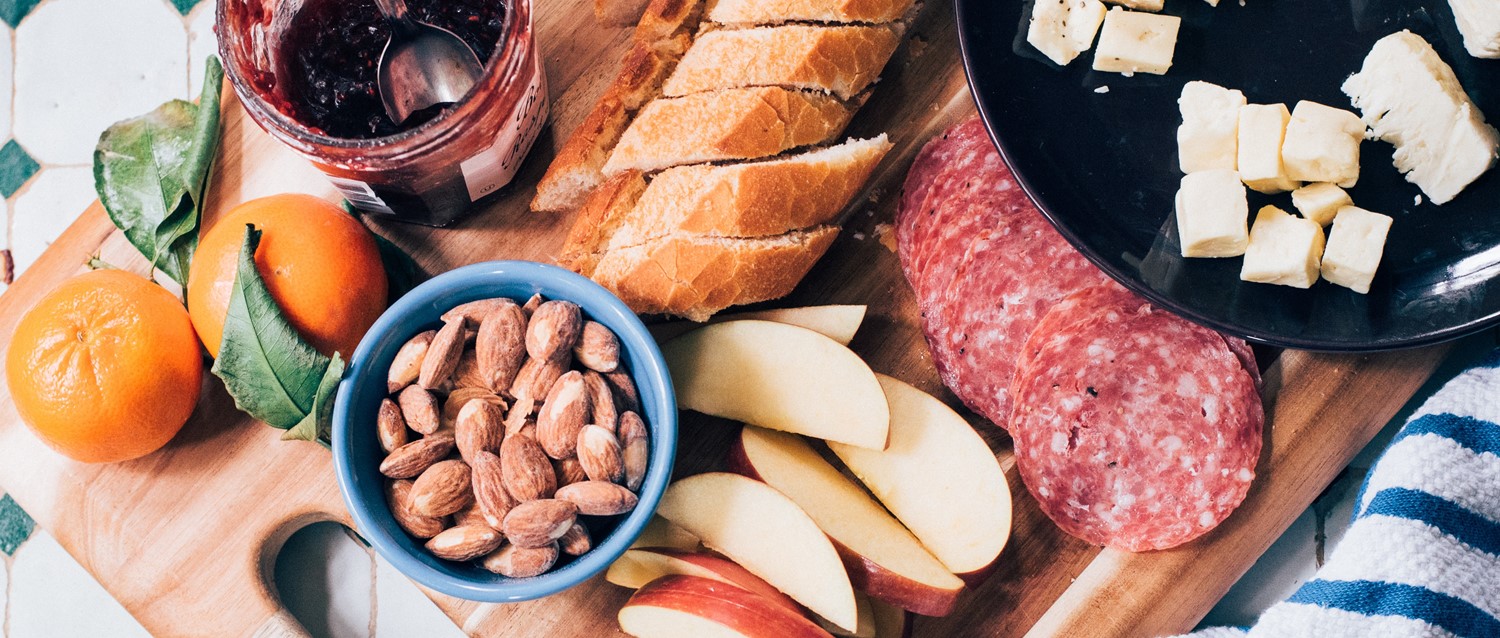
Among the most common problem foods are peanuts, other nuts, seeds (like sesame), egg, wheat flour, seafood and some fruits like strawberries and kiwis.
How to find out if you have a food intolerance
In the case of food intolerances, avoidance is advised to reduce the associated symptoms - but how do you find out if you have one?
Some people, like those suffering with nightshade intolerance, find that practicing an elimination diet helps them identify their food intolerances.
An elimination diet involves cutting out certain foods from your diet and later reintroducing them one by one, all while logging your symptoms in a food diary.
When no symptoms are experienced after eating one type of food, it's safe to assume you don't have an intolerance to it. At this point, you move onto the next food and so on. Once you start to experience food intolerance symptoms, you'll have an idea which food caused it.
Allergies vs intolerance vs autoimmune disorders
When considering the difference between allergy and intolerance, it's worth remembering that there is a third category that's often mistaken for allergy or intolerance too - autoimmune diseases.
Zöliakie isn't an allergy or gluten intolerance, rather an auto-immune disorder. People with coeliac must avoid any contact with gluten for life.
Whether you suspect you have an allergy, intolerance, or autoimmune disorder, remember: don't cut out a wide range of foods without a dietician's advice - you could put yourself at risk of vitamin or mineral deficiency.
Dank an das Magazin My Weekly, in dem dieser Artikel ursprünglich veröffentlicht wurde.
Learn about adrenaline auto-injectors
Erhalten Sie fachkundige medizinische Beratung bequem von zu Hause aus. Füllen Sie eine kurze Online-Konsultation aus, die rund um die Uhr verfügbar ist. Ihre Anfrage wird von einer in Großbritannien registrierten medizinischen Fachkraft geprüft. Für ausgewählte Behandlungen ist eine Lieferung am nächsten Tag möglich.
Patientenauswahl für Allergien
Allergien, Blut und Immunsystem
Kokosnussallergie: Kann Kokosnussöl Ihre Haut jucken lassen?
Kokosnuss ist in einer Vielzahl von Produkten enthalten, sei es in Lebensmitteln oder in der Haarpflege. Obwohl eine Kokosnussallergie sehr selten ist, kann sie für diejenigen, die darunter leiden, sehr belastend sein. Glücklicherweise gibt es Behandlungsmöglichkeiten.
von Emily Jane Bashforth

Allergien, Blut und Immunsystem
Lösen Ihre Weihnachtsdekorationen Ihre Allergien aus?
What if your cold-like symptoms aren't due to a cold at all, but caused by your Christmas decorations? You may be allergic to the dust mites, mould, or pollen that inhabit your Christmas decorations.
von Lynn Stephen
Über den AutorVollständige Biografie anzeigen
Verfasst von

Dr. Sarah Jarvis
Klinische Beraterin
MA (Cantab), BM, BCh (Oxon), DRCOG, FRCGP, MBE
Nach ihrer medizinischen Ausbildung in Cambridge und Oxford wurde Dr. Sarah Jarvis MBE Hausärztin.
Über den RezensentenVollständige Biografie anzeigen

Dr Colin Tidy, MRCGP
Allgemeinmediziner, Medizinischer Autor
MBBS, MRCGP, MRCP (Paediatrics), DCH
Dr. Colin Tidy ist ein NHS-Arzt mit Sitz in Oxfordshire.
Artikelverlauf
Artikel auch verfügbar in Englisch, Deutsch, Spanisch, Französisch, Italienisch, Portugiesisch, Hindi, Hebräisch, Arabisch, und Schwedisch.
21 Feb 2020 | Ursprünglich veröffentlicht
Verfasst von:
Dr. Sarah JarvisBegutachtet von
Dr Colin Tidy, MRCGP
Teilen Sie Ihre Gedanken oder Erfahrungen mit anderen in unserem Patientengemeinschaften.
Einfacher Zugang zu vertrauenswürdigen Behandlungen und Gesundheitsdiensten online.
Common conditions
Get help with common conditions through the NHS, without a GP appointment.





Abonnieren Sie den Patienten-Newsletter
Ihre wöchentliche Dosis klarer, vertrauenswürdiger Gesundheitsberatung - geschrieben, um Ihnen zu helfen, sich informiert, selbstbewusst und in Kontrolle zu fühlen.
Durch das Abonnieren akzeptieren Sie unsere Datenschutzrichtlinie. Sie können sich jederzeit abmelden. Wir verkaufen Ihre Daten niemals.