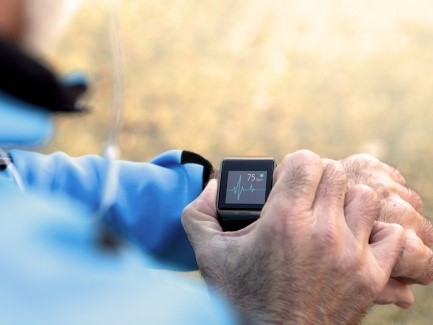
Herzklopfen
Bradycardia, tachycardia
Begutachtet von Dr Toni Hazell, FRCGPZuletzt aktualisiert von Dr Hayley Willacy, FRCGP Zuletzt aktualisiert 30. Jan 2023
Erfüllt die redaktionelle Richtlinien
- HerunterladenHerunterladen
- Teilen
- Language
- Diskussion
- Audio-Version
- Zu bevorzugten Quellen bei Google hinzufügen
In dieser Serie:BradykardieUnregelmäßige HerzrhythmenWolff-Parkinson-White-SyndromSupraventrikuläre Tachykardie
Herzklopfen ist das Gefühl, dass Ihr Herz schlägt, und es ist häufig. Die meisten Fälle sind harmlos. Sie dauern normalerweise nur kurze Zeit und können von anderen Symptomen wie Atemnot, Schwindel, Engegefühl in der Brust und einem Gefühl der Angst begleitet sein. Herzklopfen, die stark sind oder sich nicht schnell beruhigen, können dringend medizinische Aufmerksamkeit erfordern. Die häufigsten Ursachen sind unten aufgeführt.
Auf einen Blick
Heart palpitations are feelings of a rapid, thumping, or fluttering heart.
They are a symptom, not a diagnosis, where you become aware of your heart beating.
Common causes include stress, exercise, caffeine, and certain medications.
See a GP if palpitations do not make you feel unwell but settle on their own.
Call an ambulance if palpitations don't go away quickly, or you have chest pain, severe breathlessness, or feel faint.
What are heart palpitations?
Heart palpitations are rapid, thumping or fluttering feelings that people experience in their chest. They may be on the left-hand side or the middle of the chest. Normally we are not aware of our heart beating. The term 'palpitations' is used when we are aware of our heart beating. Some people say heart palpitations feel like their heart is racing; others say their chest hurts, thumps or flutters or like their heart is skipping a beat. Usually this sensation is caused by a heart rate that is faster than usual for your age, gender and level of fitness.
'Palpitations' are a symptom, not a diagnosis. The important task for your healthcare professional is to work out what is causing them. Occasionally, the feeling is due to a heart rhythm problem. See the leaflet Anatomie des Herzens for more information about the heart.
When to worry about heart palpitations
Occasionally, heart palpitations can be serious. In the following situations, you should call an ambulance:
If you have palpitations that do not go away quickly (within a few minutes).
If you have any Brustschmerzen with palpitations.
If you have severe breathlessness with palpitations.
If you pass out, or feel as if you are going to pass out, or feel dizzy.
If you have palpitations and have had heart conditions and problems such as heart failure in the past.
If you have palpitations which began as you were exercising.
If the palpitations do not make you feel unwell, and settle on their own, you should see your GP. Keep a diary of when they happen and how long they last, as this information will help your GP.
If you have an episode of heart palpitations it can be useful to check your pulse. In particular it may be useful for your doctor to know how fast your pulse was during the episode. That is, how many beats per minute; also, if your pulse felt regular or irregular. This information can help identify the cause of the palpitations. Your practice nurse can show you how to take your own pulse. Or you can follow the steps shown on the British Heart Foundation website, given in 'Further reading & references' at the end of this leaflet.
What causes heart palpitations?
This list does not include all the possible causes of heart palpitations but lists some of the more common causes, including:
A fast but regular heartbeat (sinus tachycardia)
There are many reasons why the heart rate can be faster than normal. Some of these are:
Bewegung.
Intake of caffeine.
Certain medications.
Other stimulant drugs, including some Freizeitdrogen.
A serious underlying abnormality of the heart is a rare cause of sinus tachycardia. Treatment will depend on the underlying reason for the fast heart rate.
Slow heart rate (bradycardia)
Mehr erfahren über Bradykardie.
Abnormale Herzrhythmen (Arrhythmien)
Mehr erfahren über abnormal heart rhythms (arrhythmias).
Diagnosing heart palpitations
You are likely to be asked about your intake of the substances mentioned above and the circumstances in which the heart palpitations occur. Your doctor will take your pulse and blood pressure, listen to your heart and order further tests as appropriate. Initial investigations for heart palpitations include:
Bluttests überprüfen auf Anämie und an overactive thyroid gland.
Electrocardiogram (ECG) to record the electrical impulses of your heart to check whether the heart rate is regular, and of normal rate. It also looks for underlying or previous heart disease.
Ambulantes EKG: this is an ECG that records your heart as you carry on your normal life over 24 or 48 hours. You will be asked to make a note of when you get the palpitations. The reading will then show what your heart was doing when you felt the palpitations.
In some cases you may need an ultrasound scan of the heart (an echocardiogram, or 'echo').
In other cases, you may need a test of your heart while you exercise.
Electrophysiology tests may also be used. Small wires (electrodes) are inserted into your heart via one of your veins. These wires measure the electrical signals in your heart and can determine where any abnormal electrical signals are coming from.
All these tests are to make sure there is no abnormality in your heart causing the heart palpitations. However in many cases, palpitations are NOT caused by any problem with your heart.
How to treat heart palpitations
Treatment will depend on the likely cause of your palpitations. If, for example, your palpitations are caused by drinking too much caffeine, you will be advised to cut down how much caffeine you drink. If your palpitations are caused by anxiety, your GP will discuss ways of managing this.
Some cases of palpitations are managed by a GP; other cases may be referred to a heart specialist (cardiologist). In either case, the treatment you will be given depends on the cause that has been found.
Patientenauswahl für Herzklopfen

Herzgesundheit und Blutgefäße
Bradykardie
Bradykardie ist eine niedrige Herzfrequenz und tritt häufig bei Menschen auf, die sehr fit sind, wie zum Beispiel Sportler. Sie kann jedoch auch aufgrund einer zugrunde liegenden Erkrankung wie einem Herzproblem oder einer Unterfunktion der Schilddrüse auftreten.
von Dr. Colin Tidy, MRCGP
Herzgesundheit und Blutgefäße
Posturales Tachykardiesyndrom
Posturale Tachykardiesyndrom (PoTS) ist eine abnormale Reaktion Ihres Körpers, wenn Sie aufrecht stehen (meist beim Stehen). Ihre Herzfrequenz steigt nach dem Aufstehen aus liegender oder sitzender Position zu stark an. Es wird durch ein Problem mit dem Nervensystem verursacht, das die autonomen Funktionen im Körper steuert. Dieser Teil des Nervensystems wird das autonome Nervensystem genannt. Die Symptome von PoTS treten auf, wenn Sie aufrecht sind, und lassen nach, wenn Sie sich hinlegen. Diese Symptome sind mit einem ungewöhnlich hohen und anhaltenden Anstieg der Herzfrequenz innerhalb von zehn Minuten nach dem Stehen verbunden. Lebensstiländerungen sind in der Regel sehr wirksam bei der Behandlung von PoTS, aber einige Menschen mit PoTS benötigen Medikamente, um die Symptome zu kontrollieren. Die Prognose ist für die meisten Menschen mit PoTS sehr gut, aber einige können langfristige erhebliche Schwierigkeiten bei normalen täglichen Aktivitäten haben.
von Dr. Rosalyn Adleman, MRCGP
Häufig gestellte Fragen
What is the difference between heart palpitations and a normal awareness of my heartbeat?
Normally, we are not consciously aware of our heart beating. The term 'palpitations' is used specifically when you become aware of your heart beating, often experiencing it as a rapid, thumping, or fluttering sensation in your chest.
Can certain medications cause heart palpitations?
Yes, some medications can be a cause of heart palpitations, specifically by leading to a fast but regular heartbeat known as sinus tachycardia. If you suspect a medication is causing your palpitations, your doctor will consider this as part of their assessment.
How can doctors determine if my heart palpitations are serious or not?
Doctors will ask about your symptoms and when they occur, then perform a physical examination including checking your pulse and blood pressure, and listening to your heart. They may also order various tests such as blood tests, an electrocardiogram (ECG), or an ambulatory ECG to monitor your heart over a period. In some cases, more specialised tests like an ultrasound of the heart or electrophysiology tests might be used to identify the cause.
What information should I record about my palpitations to help my GP?
It is helpful to keep a diary of when your palpitations happen, how long they last, and what you were doing at the time. If possible, also note down how fast your pulse was during the episode and whether it felt regular or irregular. This information can assist your GP in identifying the cause.
Are heart palpitations always a sign of a heart problem?
No, heart palpitations are not always a sign of a heart problem. While they can sometimes be due to an underlying heart issue, many cases are not caused by any abnormality with the heart itself. They can be triggered by various factors like stress, caffeine, certain medications, or other conditions such as an overactive thyroid.
Weiterführende Lektüre und Referenzen
- Überprüfung Ihres Pulses; Britische Herzstiftung
- Europäische Gesellschaft für Kardiologie; Richtlinien für das Management von Vorhofflimmern, 2020
- Herzklopfen; NICE CKS, Februar 2026 (nur für UK-Zugang)
- Brugada J, Katritsis DG, Arbelo E, et al; 2019 ESC-Leitlinien für das Management von Patienten mit supraventrikulärer Tachykardie. Die Task Force für das Management von Patienten mit supraventrikulärer Tachykardie der Europäischen Gesellschaft für Kardiologie (ESC). Eur Heart J. 2020 Feb 1;41(5):655-720. doi: 10.1093/eurheartj/ehz467.
- Govender I, Nashed KK, Rangiah S, et al; Palpitations: Evaluation and management by primary care practitioners. S Afr Fam Pract (2004). 2022 Feb 24;64(1):e1-e8. doi: 10.4102/safp.v64i1.5449.
Über den Autor
Aktualisiert von

Dr Hayley Willacy, FRCGP
Allgemeinmediziner, Medizinischer Autor
MBChB (1992), DRCOG, DFFP, MRCOG (Part 1) MRCGP (2007), DFSRH (2013), MSc - medical education (2020)
Dr. Hayley Willacy war eine NHS-Hausärztin, die in Nordwestengland arbeitete und 2022 nach 30 Jahren aus der klinischen Praxis ausschied.
Verfasst von

Dr Ann Robinson, MRCGP
MBBS, DFFP, DCH, DRCOG, MRCGP
Über den RezensentenVollständige Biografie anzeigen

Dr Toni Hazell, FRCGP
MBBS, BSc, FRCGP, DFSRH, Dip GU med, DRCOG, DCH (London, UK, 2000)
Dr. Toni Hazell hat ihren Abschluss an der St. Mary’s Hospital Medical School gemacht und ihr VTS am Northwick Park Hospital absolviert.
Artikelverlauf
Artikel auch verfügbar in Englisch, Deutsch, Spanisch, Französisch, Italienisch, Portugiesisch, Hindi, Hebräisch, Arabisch, und Schwedisch.
Nächste Überprüfung fällig: 29. Jan 2028
30. Jan 2023 | Neueste Version
5 Nov 2012 | Ursprünglich veröffentlicht
Verfasst von:
Dr Ann Robinson, MRCGP
Nehmen Sie an der Diskussion teil
Teilen Sie Ihre Gedanken oder Erfahrungen mit anderen in unserem Patientengemeinschaften.

Fragen, teilen, verbinden.
Durchsuchen Sie Diskussionen, stellen Sie Fragen und teilen Sie Erfahrungen zu Hunderten von Gesundheitsthemen.

Fühlen Sie sich unwohl?
Bewerten Sie Ihre Symptome online kostenlos
Abonnieren Sie den Patienten-Newsletter
Ihre wöchentliche Dosis klarer, vertrauenswürdiger Gesundheitsberatung - geschrieben, um Ihnen zu helfen, sich informiert, selbstbewusst und in Kontrolle zu fühlen.
Durch das Abonnieren akzeptieren Sie unsere Datenschutzrichtlinie. Sie können sich jederzeit abmelden. Wir verkaufen Ihre Daten niemals.