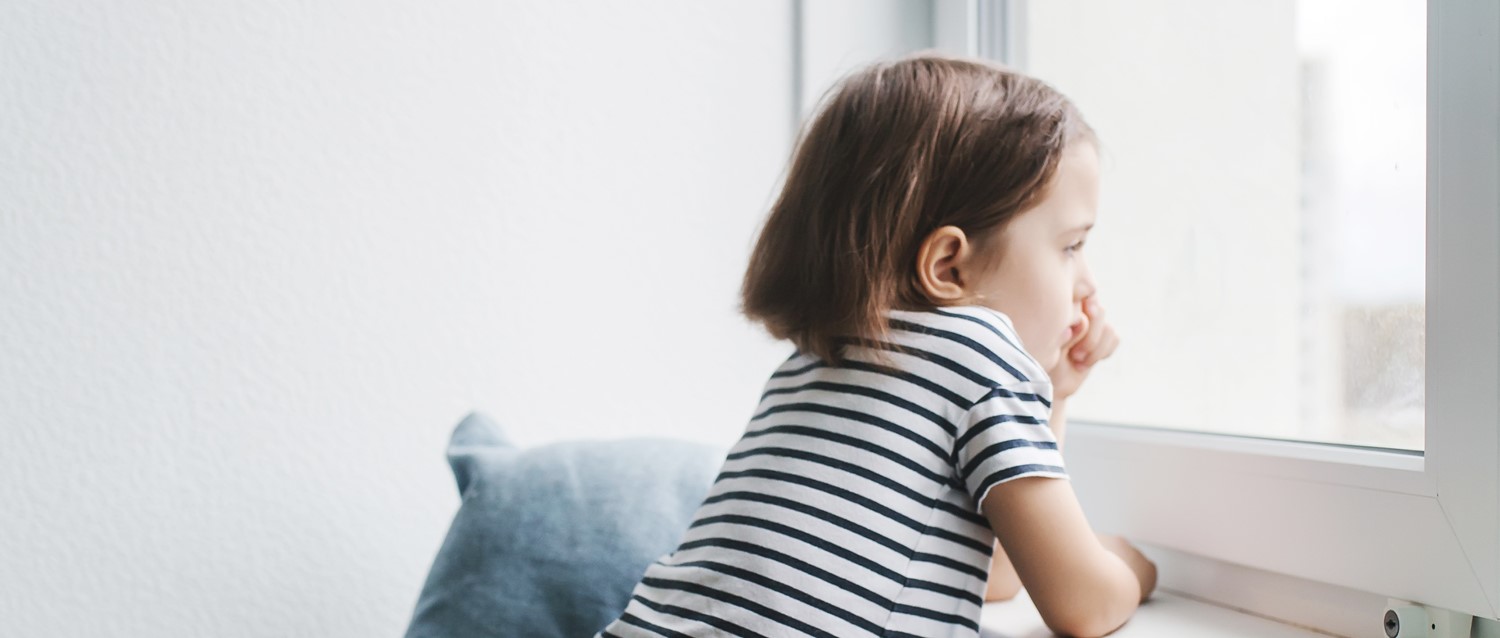
Signs your child is struggling with their mental health
Peer reviewed by Dr Sarah JarvisAuthored by Gillian HarveyOriginally published 27 Jul 2020
Meets Patient’s editorial guidelines
- DownloadDownload
- Share
- Language
- Discussion
- Audio Version
- Add to preferred sources on Google
With schools closed, friends out of reach and normal life on hold, it's hardly surprising that some of our children will be struggling with difficult emotions. With children often lacking the vocabulary to explain how they feel, what are the signs we should look out for as parents, and how should we act on our concerns?
2020 has been an unprecedented year - and not in a good way. If we've struggled as adults during the coronavirus crisis, it's important to remember things may have been even more upsetting or confusing for our kids.
Red Flag symptoms
Although there is no hard-and-fast rule for picking up mental distress, your child's behaviour may give a clue to how they're feeling. So what are some of the common signs?
Changes in mood
All children have the odd 'off' day, or spend an occasional afternoon squabbling with their siblings. But sometimes their mood can reveal that another factor may be at play. "Having low mood or apathy can be a sign that your child is feeling anxious or depressed," explains Dr Sharie Coombes. "Children may also get angry more easily than usual."
Other children may display signs of mental rushing around. "Children in distress may do many different things, but seem unsatisfied with the result. Mental rushing around, being unable to sustain one train of thoughts and obsessive multi-tasking may be a sign of anxiety, or a symptom of conditions such as Asperger's or ADHD," explains Coombes.
Avoidance
Of course, all of us would prefer to avoid certain situations. But if your child is reluctant to carry out some of the activities they used to enjoy, or is overreacting and panicking when an activity or destination is suggested, this may be a sign of something deeper. "If children get angry or panic at the thought of having to do something that they used to enjoy in the past, this can be a sign of anxiety or obsessive compulsive disorder (OCD)," explains Coombes. "However, this is made more complicated by the current crisis."
If your child is avoiding an activity, it's important to talk with them about why and try to find the deeper reasons behind their reluctance.
Physical symptoms
Children aren't always able to describe their feelings, or understand where they are coming from. Sometimes, when they are feeling anxious or stressed they may instead complain of a physical symptom. "Sematic physical symptoms, such as headaches, tummy aches, feeling sick or sore throats with no apparent cause, may be a sign of distress," agrees Coombes.
With children often lacking the vocabulary to specifically describe their symptoms, it can be difficult to work out whether a tummy ache is caused by a physical issue or emotional distress. However, it's important to be mindful of this possibility.
Sleep issues
When children are anxious or suffering from racing thoughts they may struggle with insomnia. It may be that they find it more difficult to get to sleep, wake up early in the morning or find themselves waking after less than an hour of sleep. Some difficulty sleeping may simply be an ordinary part of childhood. But if your little one is struggling at night, it's important to look out for other signs and symptoms of poor mental health. "If your child is struggling to sleep, look at what it's combined with," says Coombes. "For example, if they are quick to anger or have tears, or are unable to concentrate, this can be sign of something deeper."
Low self-esteem or guilt
Children who are suffering with mental health problems can sometimes complain of feeling guilty - this is especially pronounced in more serious conditions such as post-traumatic stress disorder (PTSD). "Sometimes these feelings can be really intense - children may feel they don't deserve anything nice, or shouldn't be going somewhere because they are inherently 'bad or worthless'," explains Coombes.
OCD and PTSD
Many of the symptoms above may indicate stress, anxiety or even depression. However, children who have suffered a period of worry or trauma may also be more susceptible to conditions such as OCD and PTSD.
OCD
OCD can come in many different forms, including unpleasant intrusive thoughts and worries about people's health.
Another symptom can be obsessive attention to hygiene and repetitive rituals. The awareness and fear of germs and hand washing that came with coronavirus may trigger an underlying anxiety in some children, leading to behaviours such as obsessive cleaning or being disproportionately anxious about germs and hygiene.
PTSD
Many of us think of PTSD as being something experienced by people who have had a major trauma - perhaps someone who has served in the army, or been a victim of an attack.
But doctors are increasingly concerned that the current generation of children may be more prone to PTSD because of the trauma of coronavirus and the associated changes in their lives. It's important that any symptoms of mental distress be taken seriously in order for your child to receive the correct treatment if necessary.
Intervention
Taken individually, many of the above behaviours are normal for children - and ones that many children may exhibit from time to time. So when should we be concerned? "When a child's behaviour begins to interfere with normal life - their own life or family life as a whole - it's a sign that intervention is needed," explains Coombes.
Seeking advice
If your child is displaying several symptoms, or their behaviour is causing you concern, it's sensible to seek medical advice. "Children are generally very resilient, but for some this has been a horrendous, deeply worrying time. For almost all children this experience has been unnerving," explains Coombes. "Putting things in place now will reduce the chance of having a generation of children at risk of developing PTSD as adults because of this negative experience."
Family support
Even if your child isn't displaying signs that cause particular concern, as we parent through the current crisis it's a good idea to develop greater understanding of how to maintain good mental health and overcome obstacles. "We can put things in place and become more psychologically aware as a family," explains Coombes. "By talking openly, we can help our children to process what's gone on and help them to develop coping mechanisms which will stand them in good stead for the rest of their lives."
Patient picks for Mental health and behaviour
Children's health
How do I know if my child is struggling with their mental health, or if it’s just part of growing up?
Childhood and adolescence are critical stages of life for mental health. This is a time of rapid growth and brain development. Young people are rapidly learning social and emotional skills that shape their future ability to learn, grow, and adapt to different situations in life.
by Babalwa Madikazi, Head of Children and Young People Psychological Therapies at Onebright

Children's health
What happens when you transfer from child to adult mental health services?
For young people struggling with their mental health, being able to access child mental health services can be difficult enough. But what happens when they become too old and need to transition to adult services?
by Milly Evans
About the authorView full bio
Authored by

Gillian Harvey
Freelance Writer
BA (Hons) English
Gillian is a freelance writer and columnist for a variety of national newspapers and magazines.
About the reviewerView full bio

Dr Sarah Jarvis
Clinical Consultant
MA (Cantab), BM, BCh (Oxon), DRCOG, FRCGP, MBE
After training in medicine at Cambridge and Oxford, Dr Sarah Jarvis MBE became a GP.
Article history
Article also available in English, German, Spanish, French, Italian, Portuguese, Hindi, Hebrew, Arabic, and Swedish.
27 Jul 2020 | Originally published
Authored by:
Gillian HarveyPeer reviewed by
Dr Sarah Jarvis
Join the conversation
Share your thoughts or experiences with others in our patient communities.

Ask, share, connect.
Browse discussions, ask questions, and share experiences across hundreds of health topics.

Feeling unwell?
Assess your symptoms online for free
Sign up to the Patient newsletter
Your weekly dose of clear, trustworthy health advice - written to help you feel informed, confident and in control.
By subscribing you accept our Privacy Policy. You can unsubscribe at any time. We never sell your data.