
Wie man mit Gastroenteritis umgeht
Begutachtet von Dr Colin Tidy, MRCGPZuletzt aktualisiert von Victoria RawZuletzt aktualisiert 19. Dez. 2025
Erfüllt die Anforderungen des Patienten Richtlinien des Patienten
- HerunterladenHerunterladen
- Teilen
- Language
- Diskussion
- Audio-Version
- Zu bevorzugten Quellen bei Google hinzufügen
Gastroenteritis ist eine Darminfektion, die Übelkeit, Durchfall, Bauchkrämpfe und andere Symptome verursacht. Diese Symptome sind normalerweise nicht schädlich, können aber schwächend sein, daher ist Selbstfürsorge während der Genesung wichtig. Hier betrachten wir die besten Möglichkeiten, um Ihnen bei der Genesung von Gastroenteritis zu helfen.
Was verursacht Gastroenteritis?
Gastroenteritis, sometimes called stomach flu, is commonly caused by Noroviren and adenoviruses, but other viruses can also be responsible. Bacterial gastroenteritis is triggered by common bacteria such as Salmonellen, E. coli, and campylobacter, and can result from consuming contaminated food or drinks.
Symptome der Gastroenteritis
Symptoms can vary in severity, from a few days of mild tummy upset with vomiting and Durchfall to severe sickness and diarrhoea for several days. It's mostly harmless, especially if you are otherwise in good health. However, there can be cause for concern if young children, the elderly, pregnant people, and those with compromised immune systems have severe or persistent symptoms.
The most common symptoms are:
Being sick (vomiting).
Durchfall.
You may also have abdominal cramps and high temperature (fever).
While it's unpleasant, most people recover in a few days. It's essential to take care of yourself while recovering from gastroenteritis to prevent prolonging or worsening your symptoms.
How to recover from gastroenteritis
Stay at home and rest
Staying home and resting until you're better are important. Leaving your house jeopardises your own health and that of anyone you come into close contact with, as gastroenteritis is contagious.
You should stay away from people or work until you are 48 hours free of any bouts of vomiting or diarrhoea, to avoid passing it on to others.
Being sick and diarrhoea both cause dehydration, especially if you are unable to keep food and fluids down. Signs of dehydration include Schwindel, Kopfschmerzen, and other symptoms that make everyday tasks strenuous and even exhausting.
Overexerting yourself can make you feel worse and slow the recovery period. It can also be unsafe for you to leave the house when you are dehydrated, as it may affect factors such as your decision-making and balance.
Drink plenty of fluids
Repeatedly being sick and having diarrhoea make it difficult to give your body what it needs - fluids being one of them. Whether you are unable to keep fluids down or feel too unwell to drink at all, dehydration makes you feel worse and can cause other symptoms.
Symptoms of mild dehydration include:
Schwindel.
Kopfschmerzen.
Dry mouth and tongue.
Dark pee.
Müdigkeit.
If you think you or someone you're caring for is severely dehydrated, you should seek medical advice immediately.
You should drink two to three litres of water daily. If you have gastroenteritis, drink more water than usual or consider using oral rehydration solutions to prevent dehydration. A rough guide for increasing water intake is an extra glass of water following bouts of diarrhoea.
Being sick makes it difficult to keep down fluids and stay hydrated. If you've been sick, wait around 5-10 minutes before drinking again, and start by drinking small amounts every few minutes. This will help your body get used to drinking without overdoing it and causing you to be sick again.
Ease back into eating
You should try to eat as normally as possible. This can be difficult as you may not have an appetite or are still being sick. Adults can handle a day or two without food, but when you start eating again, you should ease yourself back with small, light, plain meals and foods that are easy to digest - such as bread, rice, pasta, and sugar-free cereals. Try to avoid dairy products if you have an upset tummy as they can be more difficult for your body to digest.
The key is to go with your appetite - if you're hungry, try to eat. Even small amounts of food will help your intestinal lining heal and provide the energy to regain your strength and recover. However, if you begin to feel nauseous or are sick, you should lower your food intake.
Here's a guide for eating when you have gastroenteritis.
Even if you stop eating for a few days, you should never stop drinking.
This causes dehydration because you won't replace the fluids lost through being sick, diarrhoea, and sweating if you have a high temperature.
Avoid spreading infection at home
An important part of recovering from gastroenteritis is ensuring it doesn't spread to other people. Hygiene precautions help to prevent others getting sick and you experiencing repeat bouts of gastroenteritis.
Here are some good hygiene practices to keep in mind when you or someone else at home has gastroenteritis:
Stay at home until you haven't vomited or had an episode of diarrhoea for at least 48 hours.
Thoroughly wash your hands with soap and water after using the toilet. Dry your hands properly.
Using disinfectant, clean the toilet and any surfaces that may have been touched, including larger surfaces as well as small surfaces, such as taps and door handles.
Don't share towels.
Don't make or serve food for other people.
Monitor medicines
If you take daily medicines, it's crucial to monitor your intake, as bouts of sickness could mean you're not getting the right dosage.
Generally, if you're sick more than 20 minutes after taking your medicine, it's unlikely you'll need to take more. But to be safe, contact your doctor for advice as all medicines vary with regard to dosage and side-effects.
Certain types of medicines have "sick rules". If this is the case, make sure you have the sick rules written down and let your doctor know you have changed your medicine dose or intake because you have been ill. If you are in doubt, seek advice immediately.
It's better to take paracetamol for pain relief, as ibuprofen can irritate your stomach.
When to call a doctor
Most cases of gastroenteritis clear up after a few days.
Contact your doctor for advice if:
You suspect that you are becoming severely dehydrated.
You have extreme Bauchschmerzen.
There is blood in your vomit or poo.
You have a continuous high temperature (Fieber) lasting more than five days or not responding to paracetamol.
You are older or have an underlying health condition such as Epilepsie, Diabetes, oder Nierenerkrankungen.
Sie sind schwanger.
Your immune system is weakened by long-term medical treatments, such as Chemotherapie.
Patientenauswahl für Gastroenteritis

Verdauungsgesundheit
Was man bei einer Gastroenteritis essen sollte
Sollten Sie bei Gastroenteritis essen oder ganz auf Nahrung verzichten? Während es früher üblich war, bei dieser Mageninfektion zu hungern, haben sich die Gesundheitsempfehlungen in den letzten Jahren geändert. Experten sind heute der Meinung, dass Sie sich nach Ihrem Hungergefühl richten sollten. Aber wenn es um Gastroenteritis geht, gibt es bestimmte Lebensmittel, von denen Sie Abstand nehmen sollten.
von Amberley Davis
Verdauungsgesundheit
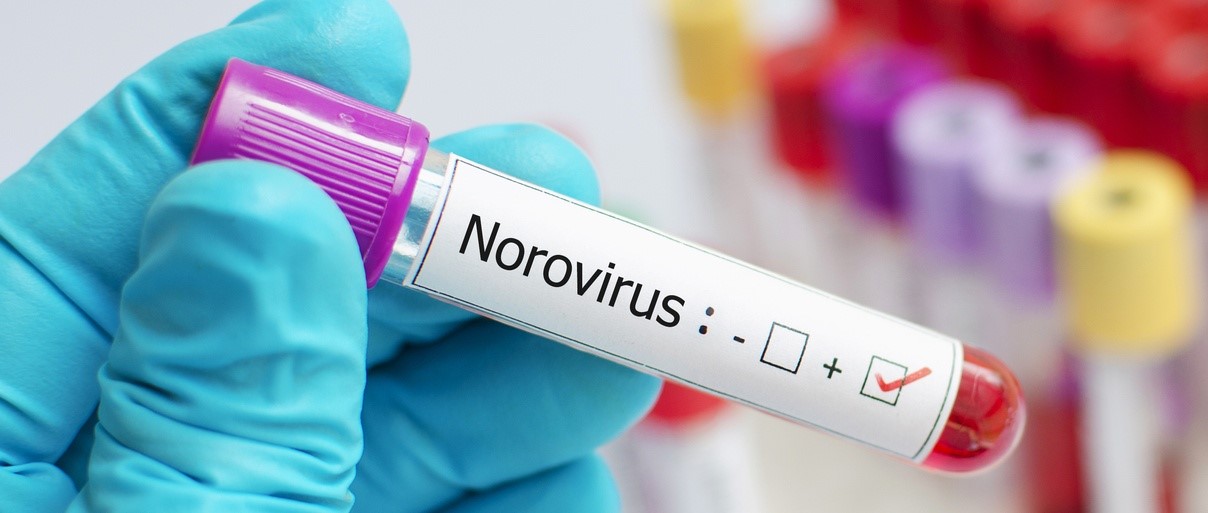
Norovirus - wann man einen Arzt aufsuchen sollte
Wenn der Winter naht, verbreiten sich Viren zwischen Menschen leichter. Wenn Sie Magen-Darm-Symptome haben, besteht eine gute Chance, dass Sie Norovirus infiziert haben – eines der häufigsten und ansteckendsten Viren im Vereinigten Königreich. Aber ab wann wird Norovirus ernst genug, um einen Arzt aufzusuchen?
von Victoria Raw
Über den AutorVollständige Biografie anzeigen

Matt Binny
Feature-Autorin
BA Angewandte Medien
Über den RezensentenVollständige Biografie anzeigen

Dr Colin Tidy, MRCGP
Allgemeinmediziner, Medizinischer Autor
MBBS, MRCGP, MRCP (Paediatrics), DCH
Dr. Colin Tidy ist ein NHS-Arzt mit Sitz in Oxfordshire.
Artikelverlauf
Die Informationen auf dieser Seite werden von qualifizierten Klinikern begutachtet.
Artikel auch verfügbar in Englisch, Deutsch, Spanisch, Französisch, Italienisch, Portugiesisch, Hindi, Hebräisch, Arabisch, und Schwedisch.
Next review due: 19 Dec 2029
19. Dez. 2025 | Neueste Version
5 Apr 2023 | Ursprünglich veröffentlicht
Verfasst von:
Matt Binny

Fragen, teilen, verbinden.
Durchsuchen Sie Diskussionen, stellen Sie Fragen und teilen Sie Erfahrungen zu Hunderten von Gesundheitsthemen.

Fühlen Sie sich unwohl?
Bewerten Sie Ihre Symptome online kostenlos
Abonnieren Sie den Patienten-Newsletter
Ihre wöchentliche Dosis klarer, vertrauenswürdiger Gesundheitsberatung - geschrieben, um Ihnen zu helfen, sich informiert, selbstbewusst und in Kontrolle zu fühlen.
Durch das Abonnieren akzeptieren Sie unsere Datenschutzrichtlinie. Sie können sich jederzeit abmelden. Wir verkaufen Ihre Daten niemals.
Mehr zur Verdauungsgesundheit
- Fettleber-Diät: Lebensmittel, die Sie essen und vermeiden sollten
- Wie IBS Sex, Dating und Beziehungen beeinflusst
- Wie man diesen Sommer eine Lebensmittelvergiftung vermeidet
- Wie man Verdauungsstörungen loswird
- Wie man eine Lebensmittelvergiftung zu Hause behandelt
- Ist es wirklich Reflux? Warum Ihnen möglicherweise fälschlicherweise PPIs verschrieben werden
- Norovirus - wann man einen Arzt aufsuchen sollte
- Die 5 besten probiotischen Lebensmittel für einen gesunden Darm
- Die besten und schlechtesten Lebensmittel bei Dumping-Syndrom
- Der Zusammenhang zwischen Darmgesundheit und Glück
- Was verursacht nächtliche Bauchkrämpfe?
- Was ist Ihre Darmmikrobiom?
- Was es bedeutet, wenn Sie ständig aufstoßen müssen
- Was Sie über Hepatitis wissen müssen
- Was ist autoimmune Hepatitis und wie unterscheidet sie sich von anderen Formen?
- Was verursacht Ihre Schmerzen im Unterbauch?
- Was ist der Zusammenhang zwischen Angst und Darmgesundheit?
- Wann man sich bei Durchfall Sorgen machen sollte
- Wann man sich über Verdauungsstörungen Sorgen machen sollte
- Warum kann Kaffeetrinken Durchfall auslösen?