Was ist AMD und warum sollten Sie darauf achten?
Begutachtet von Dr Colin Tidy, MRCGPVerfasst von Victoria RawUrsprünglich veröffentlicht 16. Feb 2026
Erfüllt die Anforderungen des Patienten redaktionellen Richtlinien
- HerunterladenHerunterladen
- Teilen
- Language
- Diskussion
- Audio-Version
- Zu bevorzugten Quellen bei Google hinzufügen
One of Britain’s most beloved actors has spoken candidly about living with a condition that has affected her ability to go outdoors alone.
Dame Judi Dench was diagnosed with age-related macular degeneration (AMD) 14 years ago, at the age of 76. AMD is a common eye condition that affects your central vision and gradually reduces your ability to see clearly straight ahead.
We asked an expert what AMD does to your eyes, the key symptoms to watch for, and steps you can take to help protect your sight.
What is age-related macular degeneration (AMD)?
AMD is one of the leading causes of sight loss in the UK. It happens when the cells in the macula - the central part of your retina - start to break down. As the condition progresses, everyday activities such as reading, driving and recognising faces can become increasingly difficult.
AMD is more common with age and primarily affects people over 55. It can develop gradually over several years or, in some cases, progress more rapidly within months. The condition often begins in one eye, though it may eventually affect both.
Oscar-winner Dame Judi Dench has been living with AMD since 2012, when she was in her mid-seventies. Now in her nineties, she recently spoke about her declining eyesight in an interview with Trinny Woodall.
Appearing on the fashion expert’s podcast, Fearless, Dame Judi explained that she can no longer go out alone due to the progression of her AMD. She now always has someone with her when she ventures outdoors, as her central vision has deteriorated to the point where she feels unsafe navigating the outside world by herself.
Her openness has sparked fresh appeals for people across the UK to have regular eye check-ups, to help detect AMD sooner.
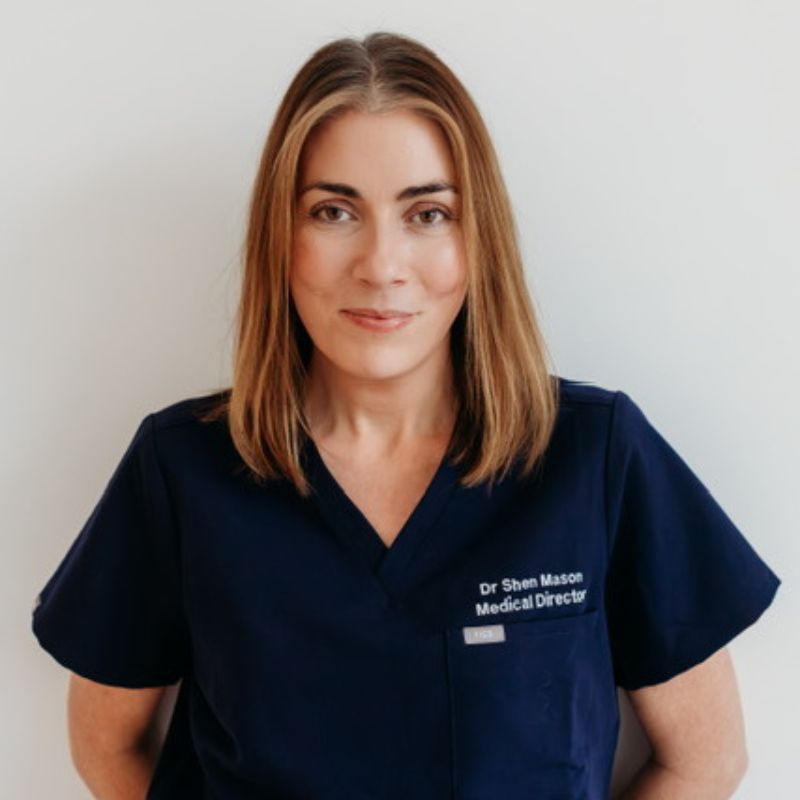
Dr Shen Mason, Medical Director for Ophthalmology at Practice Plus Group, UK, explains that Dame Judi’s comments have brought much-needed attention to a condition that affects millions of people across the UK.
“Dame Judi Dench bravely sharing her experience will really help to raise awareness of AMD and the devastating impact it can have on independence and everyday life,” says Mason. “What many people don’t realise is that AMD can often be detected much earlier - often routinely in people in their 50s and 60s - through regular eye tests, sometimes before any symptoms appear.”
What are the symptoms of AMD?
Regular eye tests with an ophthalmologist are crucial for detecting AMD, as early changes in vision may go unnoticed. Knowing the key signs can help you seek treatment promptly and slow the condition’s progression.
Common signs of AMD may include:
Central vision becomes blurry, distorted, or gradually harder to see clearly - even when wearing your glasses.
Challenges with everyday activities such as reading, watching television, driving, or recognising faces.
Needing brighter light to read or do close-up tasks.
Colours appear less vivid or washed out.
Increased sensitivity to bright lights or glare.
Seeing occasional flickers or flashes of light.
Straight lines appear wavy, bent, or irregular.
Visual hallucinations - such as seeing objects that aren’t really there.
A small blank spot in the centre of your vision that may become slowly larger over time.
Why early detection of AMD matters
While certain treatments and Lebensstiländerungen might help slow the progression of AMD, they can’t restore vision that has already been lost.
“Once sight has been lost to AMD, we can’t get it back,” Mason warns. “Treatment focuses on stabilising your vision rather than improving it, which is why early diagnosis is so important. The earlier we catch AMD, the better chance we have of preserving your sight and maintaining your independence.”
She adds that in the past, many people accepted vision loss as an inevitable part of ageing - but that’s no longer the case.
“Regular eye checks allow us to detect and treat conditions such as cataracts, glaucoma and macular degeneration early - often before symptoms develop,” says Mason.
5 tips to reduce your chance of AMD
Mason encourages everyone not to wait until AMD symptoms develop, but to attend regular eye examinations - even if your vision seems normal. This is the most reliable way to detect AMD early and safeguard your long-term eye health.
She outlines five simple steps you can take after 60 to help lower your likelihood of developing the condition:
Book an eye test every one to two years - or more often if you have diabetes, Bluthochdruck, or a family history of eye disease.
Mit dem Rauchen aufhören - this increases your chance of both cataracts and macular degeneration.
Eat a healthy, ausgewogene Ernährung rich in leafy greens and brightly coloured vegetables.
Keep your blood pressure and diabetes well managed.
Protect your eyes from ultraviolet (UV) light by wearing sunglasses in bright daylight.
Patientenauswahl für Augengesundheit
Augengesundheit
Zukunftssicheres Sehen: Warum Ihre Augen einen langfristigen Plan verdienen
Es ist eine Tatsache des Lebens, dass sich mit dem Alter bestimmte Körperfunktionen auf natürliche Weise verändern – und das Sehvermögen ist eine davon. Während viele Faktoren die Augengesundheit beeinflussen und nicht alle in unserer Kontrolle liegen, können einfache gesunde Gewohnheiten dazu beitragen, Ihr Sehvermögen länger stark zu halten. Die Pflege Ihrer Augen im Alter kann einen großen Unterschied machen, um Sie aktiv, unabhängig und in der Lage zu halten, das zu tun, was Sie lieben.
von Victoria Raw

Augengesundheit
Wie man trockene Augen im Winter verhindert
Trockene Augen im Winter sind nicht ungewöhnlich, besonders wenn sich die Temperaturen ändern und die meisten von uns die Zentralheizung aufdrehen. Während wir das Wetter nicht beeinflussen können, ist es möglich, trockene Augen zu verhindern oder die oft unangenehmen, irritierenden Symptome zu lindern, die damit einhergehen.
von Lynn Stephen
Häufig gestellte Fragen
Wenn bei mir AMD diagnostiziert wurde, werde ich dann definitiv mein gesamtes Sehvermögen verlieren?
Nein, wenn Sie AMD haben, bedeutet das nicht, dass Sie Ihr gesamtes Sehvermögen verlieren werden. AMD betrifft hauptsächlich Ihr zentrales Sehvermögen, das für Aufgaben wie Lesen und Gesichtserkennung entscheidend ist. Ihr peripheres (seitliches) Sehvermögen ist normalerweise nicht betroffen, was bedeutet, dass Sie weiterhin Dinge am Rand Ihres Sichtfeldes sehen können. Früherkennung und Behandlung zielen darauf ab, Ihr bestehendes Sehvermögen so lange wie möglich zu erhalten.
Betroffen AMD nur ältere Menschen?
Obwohl AMD häufiger im Alter auftritt und typischerweise Menschen über 55 betrifft, ist es wichtig zu bedenken, dass sie sich auch früher entwickeln kann. Dame Judi Dench wurde in ihren mittleren Siebzigern diagnostiziert, aber Dr. Shen Mason weist darauf hin, dass sie oft bei Menschen in ihren 50ern und 60ern durch regelmäßige Augenuntersuchungen erkannt werden kann, manchmal sogar bevor Symptome auftreten.
Kann AMD nur ein Auge betreffen?
Ja, AMD kann nur in einem Auge beginnen. Es kann jedoch schließlich beide Augen betreffen. Regelmäßige Augenuntersuchungen sind wichtig, auch wenn Sie nur in einem Auge Symptome bemerken, um Veränderungen im anderen Auge zu überwachen.
Gibt es verschiedene Arten von AMD, und behandelt dieser Artikel sie?
Der Artikel behandelt die altersbedingte Makuladegeneration (AMD) im Allgemeinen sowie deren Auswirkungen, Symptome und Tipps zur Verringerung des Risikos. Er konzentriert sich auf die Patientenerfahrung und die Bedeutung der Früherkennung und des Umgangs mit der Erkrankung. Es wird nicht auf spezifische Arten von AMD oder deren unterschiedliche Merkmale eingegangen.
Wenn ich AMD habe, welche Veränderungen kann ich in meinem täglichen Leben erwarten, insbesondere bei Aktivitäten wie dem Autofahren?
Mit dem Fortschreiten der AMD können alltägliche Aktivitäten zunehmend schwieriger werden. Aufgaben wie Lesen, Autofahren und das Erkennen von Gesichtern können herausfordernd sein. Dame Judi Dench zum Beispiel kann aufgrund ihrer sich verschlechternden zentralen Sehkraft nicht mehr alleine ausgehen und benötigt jemanden, der sie draußen begleitet, um ihre Sicherheit zu gewährleisten. Der Grad der Beeinträchtigung variiert, aber eine Beeinträchtigung des zentralen Sehens kann die Unabhängigkeit erheblich beeinflussen.
Über den AutorVollständige Biografie anzeigen

Victoria Raw
Feature-Autorin
BA (Hons), Englische Literatur
Victoria ist eine Content-Autorin bei Patient, deren besondere Interessen sich auf das mentale Wohlbefinden, gesellschaftliche Trends und den Einfluss der Technologie auf unsere Gesundheit konzentrieren.
Über den RezensentenVollständige Biografie anzeigen

Dr Colin Tidy, MRCGP
Allgemeinmediziner, Medizinischer Autor
MBBS, MRCGP, MRCP (Paediatrics), DCH
Dr. Colin Tidy ist ein NHS-Arzt mit Sitz in Oxfordshire.
Artikelverlauf
Die Informationen auf dieser Seite werden von qualifizierten Klinikern begutachtet.
Artikel auch verfügbar in Englisch, Deutsch, Spanisch, Französisch, Italienisch, Portugiesisch, Hindi, Hebräisch, Arabisch, und Schwedisch.
Nächste Überprüfung fällig: 16. Feb. 2029
16. Feb 2026 | Ursprünglich veröffentlicht
Verfasst von:
Victoria RawBegutachtet von
Dr Colin Tidy, MRCGP

Fragen, teilen, verbinden.
Durchsuchen Sie Diskussionen, stellen Sie Fragen und teilen Sie Erfahrungen zu Hunderten von Gesundheitsthemen.

Fühlen Sie sich unwohl?
Bewerten Sie Ihre Symptome online kostenlos
Abonnieren Sie den Patienten-Newsletter
Ihre wöchentliche Dosis klarer, vertrauenswürdiger Gesundheitsberatung - geschrieben, um Ihnen zu helfen, sich informiert, selbstbewusst und in Kontrolle zu fühlen.
Durch das Abonnieren akzeptieren Sie unsere Datenschutzrichtlinie. Sie können sich jederzeit abmelden. Wir verkaufen Ihre Daten niemals.
Mehr zur Augengesundheit
- Aufbau des Auges
- Zukunftssicheres Sehen: Warum Ihre Augen einen langfristigen Plan verdienen
- Wie man mit schweren Augenflimmern lebt
- Wie Sie Ihre Augen beim Arbeiten von zu Hause aus schonen
- Wie man trockene Augen im Winter verhindert
- So reduzieren Sie die Augenbelastung beim Fernsehen
- Wie man juckende Augen im Sommer lindert
- Wie man Augentropfen verwendet
- So verwenden Sie Augensalbe
- Wie sich Ihre Augen im Alter verändern
- Schadet Ihr Büro Ihren Augen?
- Rauchen kann zu Sehverlust führen, warnen Optiker
- Top 10 Tipps gegen trockene Augen
- Was ist Astigmatismus
- Was ist die Verbindung zwischen Rücken-, Nacken- und Augenschmerzen?
- Was man für gesunde Augen essen sollte
- Wann sollten Sie sich um Ihre Augen sorgen?
- Warum weinen wir?
- Warum ist meine Sicht beim Fahren in der Nacht schlechter?