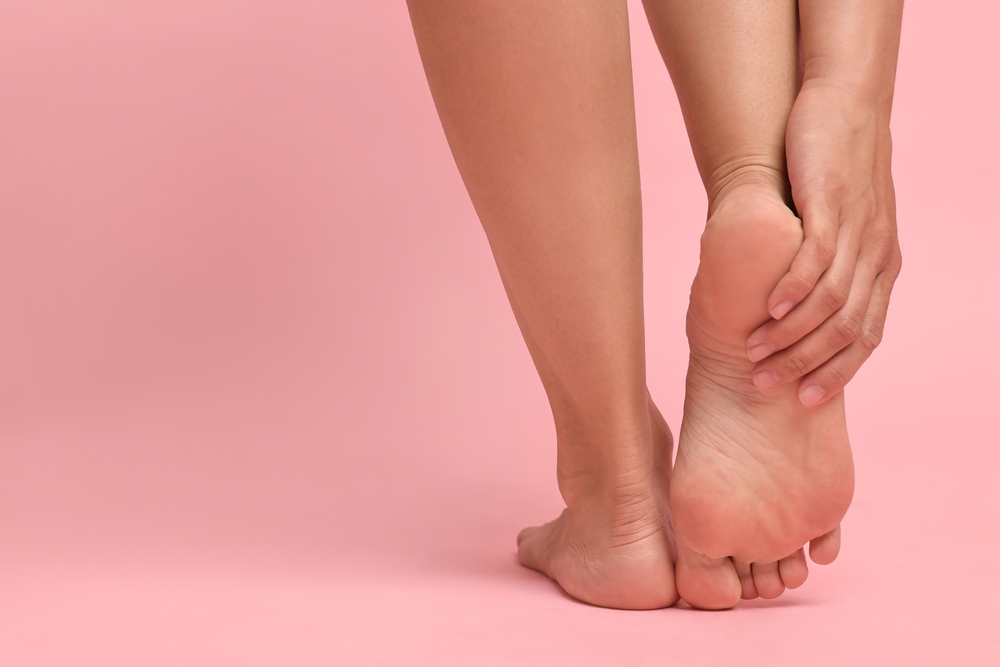
What’s causing your foot pain?
Begutachtet von Dr Colin Tidy, MRCGPZuletzt aktualisiert von Josh AldermanZuletzt aktualisiert 11 Jun 2026
Erfüllt die Anforderungen des Patienten Richtlinien des Patienten
- HerunterladenHerunterladen
- Teilen
- Language
- Diskussion
- Audio-Version
- Zu bevorzugten Quellen bei Google hinzufügen
From stabbing heel pain first thing in the morning to burning sensations in the ball of the foot, the way your foot hurts can reveal a lot about what's going on underneath.
Understanding these symptoms can make it easier to identify the most likely causes of foot pain and decide whether treatment may be needed.
In diesem Artikel:
Videoauswahl für Fußprobleme
Lesen Sie unten weiter
What causes foot pain?
Foot pain can be caused by injury, overuse, inflammation, structural issues, nerve conditions, arthritis, infections, and skin disorders. The exact cause often depends on where the pain occurs and what activities make it worse.
Here are the most common causes, grouped by where people usually feel symptoms.
Symptom | Possible cause |
Pain with first steps in the morning | Plantarfasziitis |
Pain at back of heel after exercise | Achillessehnen-Tendinopathie |
Burning or tingling in ball of foot | Morton-Neurom |
Sudden red, swollen big toe | Gicht |
Pebble-like feeling in shoe | Metatarsalgia or Morton's neuroma |
Pain after increasing activity | Stress fracture |
Cracked, itchy skin between toes | Fußpilz |
Heel pain causes
Zurück zum InhaltHeel pain is one of the most common foot problems, and it often develops gradually. Below are some of the most common causes of heel pain.
Plantarfasziitis
This is the most common cause of heel pain. It typically feels worse with your first steps in the morning or after rest, then eases as you move around.
Plantarfasziitis happens when the thick band of tissue under your foot becomes irritated.
It’s often linked with:
Long periods on your feet.
A sudden increase in activity.
Unsupportive footwear.
Tight calf muscles.
Although often felt in the heel, this condition can also cause aching through the arch.
Achillessehnen-Tendinopathie
Pain at the back of your heel, particularly during or after activity, may be due to irritation of the Achilles tendon. It’s more common in runners or people who have recently increased their exercise levels.
Lesen Sie unten weiter
Arch pain causes
Zurück zum InhaltThe arch acts like a natural shock absorber, so discomfort here can have several causes. Arch pain can arise from several factors.
Plattfüße
Some people have low or collapsed arches, which can lead to aching, tired feet - especially after standing or walking for long periods.
High arches
High arches can place increased stress on the foot, leading to pain in the arch, heel, or ball of the foot, particularly during activity.
Tendon strain
The tendons supporting the arch can become irritated with overuse, leading to a dull, persistent ache.
Ball of foot pain causes
Zurück zum InhaltThis is the area just behind your toes, and it takes a lot of pressure when you walk or run. The following are all typical reasons you may feel pain in the ball of your foot.
Metatarsalgie
This is a general term for pain and inflammation in the ball of the foot. It often feels like you’re walking on a bruised or pebble-like surface.
It may be linked to:
High-impact activity.
Foot shape.
Unsupportive shoes.
Increased body weight.
This involves thickening around a nerve between the toes. It can cause burning pain, tingling, or the feeling of standing on a small stone in your shoe.
Lesen Sie unten weiter
Toe pain causes
Zurück zum InhaltToe pain is often easy to localise and can have several distinct causes. Let's take a look at what often causes toe pain.
Hallux valgus
A bunion is a bony lump that develops at the base of the big toe. Over time, the joint becomes misaligned and the toe may lean inwards. They often run in families, but tight footwear can make symptoms worse.
Common features include:
A visible bump on the side of the foot.
Soreness around the big toe joint.
Difficulty finding comfortable shoes.
This happens when the edge of the nail grows into the surrounding skin, leading to pain, redness, and sometimes infection. It’s often linked to cutting nails too short or rounding the edges.
Gicht
Gicht can cause sudden, severe pain in the big toe, often with redness, swelling, and warmth. It’s caused by a build-up of uric acid crystals in the joint and can come on very quickly.
Top of foot pain causes
Zurück zum InhaltPain across the top of your foot is often linked to overuse or repetitive strain. Here's a quick guide to what's often behind pain at the top of your foot.
Stress fracture
Small cracks in the bones of the foot can develop after repeated impact, particularly in runners or people who have recently increased their activity.
Tendon irritation
The tendons that lift the foot can become inflamed, causing pain that worsens with movement or activity.
Skin-related foot pain causes
Zurück zum InhaltNot all foot pain comes from joints or bones - skin conditions can also be uncomfortable.
Fußpilz
This is a pilzliche Infektion that often affects the skin between your toes. Fußpilz thrives in warm, moist environments such as sweaty shoes.
Es kann verursachen:
Itching or burning.
Flaky or cracked skin.
Soreness between the toes.
Other common causes of foot pain
Zurück zum InhaltArthritis - arthritis can affect the joints in the foot and ankle, causing pain, stiffness, swelling, and reduced movement.
Verstauchungen und Zerrungen - injuries to the ligaments, muscles, or tendons can lead to pain, swelling, bruising, and difficulty walking.
Nerve-related pain - irritated or compressed nerves may cause burning, tingling, numbness, or shooting pain in different parts of the foot.
Footwear-related pain - tight, unsupportive, or worn-out shoes can place extra stress on the feet and contribute to discomfort.
Diabetes-related foot problems - diabetes can cause foot pain through nerve damage, circulation issues, or an increased chance of infection.
Pain on the side of the foot - pain along the inner or outer edge of your foot may be linked to tendon injuries, ligament sprains, stress fractures, or joint problems.
When to see a doctor for foot pain
Most foot pain improves with rest and simple self-care, but you should get medical advice if:
You cannot put weight on your foot.
Pain is severe or worsening.
There is significant swelling or bruising.
Symptoms don’t improve after a few weeks.
You suspect a broken bone.
You have Diabetes and develop foot pain or skin changes.
There is numbness, tingling, or weakness.
There are signs of infection (redness, heat, pus, or fever).
How to prevent foot pain
Zurück zum InhaltSmall changes can often make a big difference to foot comfort.
You can help prevent or ease foot pain by:
Wearing well-fitting, supportive shoes.
Avoiding prolonged use of tight or unsupportive footwear.
Keeping feet clean and dry.
Increasing activity levels gradually.
Cutting toenails straight across.
Maintaining a healthy weight where possible.
Zusammenfassung
Zurück zum InhaltFoot pain is often manageable once the cause is identified. Paying attention to where the pain is, how it feels, and when it appears can help point you in the right direction and ensure you get the right treatment if you need it.
Patientenauswahl für Fußprobleme

Fußpflege
Was verursacht Ihre kalten Hände und Füße?
Die häufigste Antwort auf die Frage "Was verursacht Ihre kalten Füße?" oder "Warum sind meine Hände und Füße immer kalt?" lautet normalerweise: "Weil ich eine Frau bin!" Ja, Frauen neigen von Natur aus dazu, Eisblöcke an Füßen und Händen zu haben. Aber es gibt auch mehrere medizinische Bedingungen, die dafür verantwortlich sein können.
von Victoria Raw

Fußpflege
Werden Ihre Füße im Winter geruchsintensiver?
Glauben Sie, dass stinkende Füße nur in den wärmeren Monaten ein Problem sind? Denken Sie noch einmal nach. Aber wenn Sie einen peinlichen Geruch von Ihren Socken und Schuhen bemerkt haben, gibt es viele Dinge, die Sie ausprobieren können.
von Natalie Healey
Lesen Sie unten weiter
Über den AutorVollständige Biografie anzeigen

Dr. Sarah Jarvis
SEO-Manager
MA (Cantab), BM, BCh (Oxon), DRCOG, FRCGP, MBE
Nach ihrer medizinischen Ausbildung in Cambridge und Oxford wurde Dr. Sarah Jarvis MBE Hausärztin.
Über den RezensentenVollständige Biografie anzeigen

Dr Colin Tidy, MRCGP
Allgemeinmediziner, Medizinischer Autor
MBBS, MRCGP, MRCP (Paediatrics), DCH
Dr. Colin Tidy ist ein NHS-Arzt mit Sitz in Oxfordshire.
Artikelverlauf
Die Informationen auf dieser Seite werden von qualifizierten Klinikern begutachtet.
Next review due: 10 Jun 2029
11 Jun 2026 | Neueste Version
12 Mar 2018 | Ursprünglich veröffentlicht
Verfasst von:
Dr. Sarah Jarvis

Fragen, teilen, verbinden.
Durchsuchen Sie Diskussionen, stellen Sie Fragen und teilen Sie Erfahrungen zu Hunderten von Gesundheitsthemen.

Fühlen Sie sich unwohl?
Bewerten Sie Ihre Symptome online kostenlos
Abonnieren Sie den Patienten-Newsletter
Ihre wöchentliche Dosis klarer, vertrauenswürdiger Gesundheitsberatung - geschrieben, um Ihnen zu helfen, sich informiert, selbstbewusst und in Kontrolle zu fühlen.
Durch das Abonnieren akzeptieren Sie unsere Datenschutzrichtlinie. Sie können sich jederzeit abmelden. Wir verkaufen Ihre Daten niemals.