Insulin resistance: the common thread linking metabolic conditions
Begutachtet von Dr Colin Tidy, MRCGPVerfasst von Dr Nienke LeesUrsprünglich veröffentlicht 3 Nov 2026
Erfüllt die redaktionelle Richtlinien
- HerunterladenHerunterladen
- Teilen
- Language
- Diskussion
- Audio-Version
- Zu bevorzugten Quellen bei Google hinzufügen
You may have come across the term “insulin resistance” - particularly if you’ve been having conversations about weight and metabolic health - but be a little unclear about what it actually is.
Whilst it’s easy to think insulin resistance just means reduced glucose control, it’s actually far more complex than that.
Dr Nienke Lees, Women's Health Service Lead, Genwell UK, explains what it means and how it connects conditions including type 2 diabetes, fatty liver disease, cardiovascular disease, and PCOS.
What is insulin resistance?
Insulin resistance happens when the body's cells become less responsive to insulin, a hormone that helps control blood sugar levels.
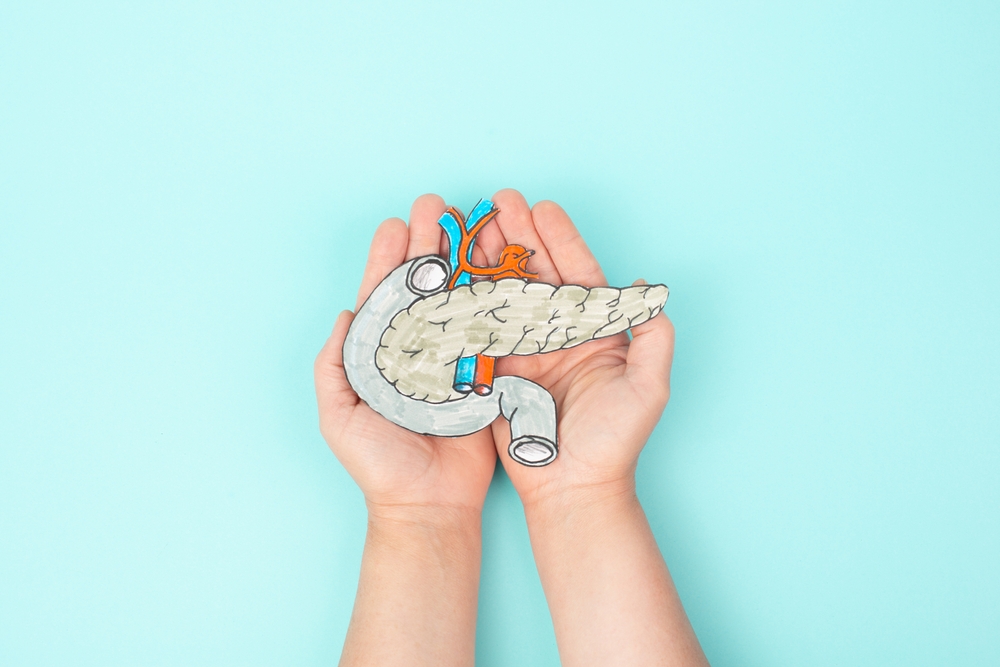
Insulin is made by the pancreas. After you eat, it helps sugar (glucose) move from your blood into your muscle and fat cells, where it can be used for energy.
It also helps your body store sugar for later use and controls how much sugar your liver releases into your blood.
How does insulin resistance affect blood sugar levels?
When your cells become less responsive to insulin, your pancreas has to produce more of it to keep your blood sugar levels under control.
At first, your body may be able to compensate by making extra insulin. This means you can have insulin resistance even if your blood sugar levels are normal.
Over time, however, your pancreas may no longer be able to produce enough extra insulin to compensate. Your blood sugar levels can then rise, potentially leading to Prädiabetes and, eventually, Typ-2-Diabetes.
What causes insulin resistance?
Insulin resistance usually develops due to a combination of genetic, hormonal, medical, and lifestyle factors.
Having excess body fat, particularly around the abdomen (known as visceral fat), is linked to insulin resistance. Fat can build up in the liver and muscles, making it harder for insulin to work properly.
Physical inactivity and having less muscle can also reduce insulin sensitivity, while regular movement helps muscles use sugar (glucose) more effectively.1
Other risk factors for insulin resistance include:
Alter.
Familiengeschichte.
Ethnicity.
Sleep disruption.
Rauchen.
Schwangerschaft.
Certain hormonal conditions.
Medicines such as glucocorticoids (steroids) and certain antipsychotics.
Crucially, insulin resistance doesn’t develop simply as a result of failing to make the “right” choices, but develops through an interaction between biology and circumstances.
How is insulin resistance linked to other conditions?
Insulin resistance is implicated in several conditions, and recognising this common thread can help explain why they often occur together.
Fettleibigkeit
Verwirrung Fettleibigkeit, as body fat increases, enlarged or dysfunctional fat cells become less able to store excess energy, and release more fatty acids and inflammatory signals into your circulation.
This can worsen insulin resistance in your liver and muscles, leading to a self-reinforcing cycle: insulin-resistant fat tissue releases more fatty acids, which can accumulate elsewhere and further disrupt insulin signalling.
However, obesity and insulin resistance are not interchangeable, and either can be present in the absence of the other.
Some people develop insulin resistance at a BMI within the healthy range, while some people living with obesity remain relatively insulin-sensitive.
Typ-2-Diabetes
Type 2 diabetes develops when your pancreas can no longer produce enough insulin to compensate for your body’s reduced response.
Underlying insulin resistance is central to this process, but again not everyone with insulin resistance will develop type 2 diabetes.
The ability of the insulin-producing cells in your pancreas to keep compensating also matters, and there are a number of opportunities to delay or prevent progression.
What is often seen is a gradual progression from insulin resistance with normal blood glucose levels, to non-diabetic hyperglycaemia (pre-diabetes), and then on to blood sugar levels that are sufficiently elevated to meet the diagnostic criteria for type 2 diabetes.
It’s important to remember that insulin resistance can improve with the right changes and support.
Fettlebererkrankung
Fettlebererkrankung occurs when excess fat builds up in your liver. Insulin resistance can contribute to this by causing your liver to release too much sugar into your blood and store more fat. Fat can also enter your liver from other parts of the body.
This can lead to metabolic dysfunction-associated steatotic liver disease (MASLD), previously known as non-alcoholic fatty liver disease (NAFLD). Excess liver fat can then worsen insulin resistance, creating a cycle.2
MASLD often causes no symptoms but can sometimes lead to liver inflammation, scarring (fibrosis) and, in severe cases, Leberzirrhose.
Herz-Kreislauf-Erkrankungen
Insulin resistance itself doesn’t cause a heart attack or stroke, but can increase your likelihood of Herz-Kreislauf-Erkrankungen because of its impact on a cluster of factors that influence heart health.
Insulin resistance is associated with:
Higher levels of triglycerides.
Lower levels of HDL cholesterol.
Raised blood pressure.
Wncreased inflammation and clotting risk.
Changes to the function and lining of blood-vessels.
Together, these can contribute to atherosclerosis - the clogging up of blood vessels - and increase the likelihood of cardiovascular disease.
However, cardiovascular risk depends on many factors, including age, smoking, cholesterol, kidney health, and family history. Insulin resistance is one contributor rather than a complete explanation.
PCOS (PMOS)
Insulin resistance is common in people with polycystic ovary syndrome (PCOS, now known as Polyendocrine metabolic ovarian syndrome (PMOS), regardless of their weight.3
When your body becomes less responsive to insulin, your pancreas produces more of it to keep blood sugar levels under control.
High insulin levels can affect hormone balance by:
Encouraging your ovaries to produce more androgens, such as testosterone.
Reducing your liver's production of sex hormone-binding globulin (SHBG), a protein that helps control the amount of testosterone in your blood.
Higher androgen levels can contribute to PCOS symptoms, including irregular periods, difficulty ovulating, acne, and excess facial or body hair.
PCOS and insulin resistance can also reinforce each other, contributing to increased abdominal fat and worsening insulin resistance.
Metabolisches Syndrom
Metabolisches Syndrom is the name given to the presence of a particular combination of risk factors for type 2 diabetes and cardiovascular disease, which commonly occur alongside insulin resistance.
It is diagnosed when three or more of the following are present:
Raised waist circumference.
Raised blood pressure.
Raised blood glucose.
High triglycerides.
Low HDL cholesterol.
How is insulin resistance diagnosed?
There is no single test routinely available on the NHS that can reliably diagnose insulin resistance.
Instead, healthcare professionals may use a combination of blood tests and other information to assess blood sugar control and identify signs of insulin resistance.
HbA1c and fasting blood glucose tests measure blood sugar levels and can identify prediabetes or diabetes. However, results may be normal in the early stages of insulin resistance.
Oral glucose tolerance test (OGTT) measures how your blood sugar responds to a sugary drink. It can help identify problems with blood sugar control that other tests may miss.
Homeostatic model assessment of insulin resistance (HOMA-IR) uses fasting insulin and glucose levels to estimate insulin resistance, but it is not routinely offered in NHS primary care.
Doctors consider these results alongside your medical history and other risk factors to assess your metabolic health.
Dazu gehören:
Waist measurement.
Blood pressure.
HbA1c or fasting glucose.
Cholesterol and triglycerides.
Liver health.
History of associated conditions.
Family history.
Ethnicity.
Medication history.
How can you improve insulin resistance?
Insulin resistance can improve over time through regular physical activity, eating a balanced diet, and other changes that support metabolic health.
Keep active and maintain muscle
Physical activity helps your muscles take up glucose from your blood, making it easier for your body to regulate blood sugar levels. Both aerobic exercise and strength training can improve insulin sensitivity.
To help improve insulin resistance, try to:
Move regularly - activities such as walking, cycling, swimming, or dancing can help your muscles use glucose more effectively.
Build muscle - strength-based activities, such as lifting weights or using resistance bands, can improve how your body manages blood sugar.
Break up long periods of sitting - get up, stretch, or walk around regularly throughout the day.
These benefits can occur even if your weight stays the same, although reducing excess body fat may provide additional improvements for some people.4
Eine ausgewogene Ernährung einhalten
There is no single “best diet” for treating insulin resistance, but eating to include plenty of fibre-rich foods, vegetables, fruit, wholegrains, protein, and healthy sources of fat can support metabolic health.
Try to limit sugary drinks and foods that are high in energy but provide relatively few nutrients, particularly when these make up a large part of your diet.
The right approach for you will depend on your health, preferences, culture, finances, and relationship with food.
It’s best to avoid very restrictive diets that exclude whole food groups, and always a good idea to seek advice from an appropriate qualified professional if you are unsure.
Reduce excess visceral and ectopic fat
If you are carrying excess body fat, particularly around the abdomen or within the liver, weight loss can substantially improve insulin sensitivity.
In the Diabetes Prevention Program, a lifestyle intervention targeting 7% weight loss and 150 minutes of activity each week reduced progression to type 2 diabetes by 58% in adults at high risk.5
Pay attention to sleep and underlying health conditions
Poor sleep can worsen insulin resistance. This is because disrupted sleep can affect hormones involved in blood sugar control, while some underlying health conditions can cause inflammation or hormonal changes that make the body less responsive to insulin.
If you snore, wake frequently during the night or feel very sleepy during the day, speak to your doctor, as these can be signs of obstructive sleep apnoea.
Addressing other sleep problems, pain, and underlying health conditions can improve insulin resistance and may also help improve metabolic health.
How medication can help
Some medicines can help manage insulin resistance by improving blood sugar control and, in some cases, supporting weight loss.
Metformin
Metformin reduces the amount of sugar released by the liver and helps the body respond better to insulin.
It is commonly used to treat type 2 diabetes and may also be prescribed to some people at high risk of developing it or with certain metabolic features of PCOS/PMOS.6
GLP-1s
Weight-management medicines can also help. GLP-1 medicines, such as Wegovy, and combined GIP/GLP-1 medicines, such as Mounjaro, help regulate blood sugar and reduce appetite.
The weight loss they support may also improve insulin sensitivity.
What to remember
Insulin resistance happens when your body's cells stop responding to insulin as well as they should. The pancreas then produces more insulin to help control blood sugar levels.
Insulin resistance doesn't always cause obvious symptoms, and blood sugar levels can remain normal in the early stages.
It is linked to several health conditions, including type 2 diabetes, but is rarely the only cause.
Assessing insulin resistance involves looking at several factors, including blood sugar, blood pressure, blood fats, waist size, liver health and medical history.
Insulin resistance can improve with the right support and lifestyle changes, benefiting your health even without significant weight loss.
Patientenauswahl für Hormonungleichgewicht

Gesundes Leben
Why do some people regain weight after losing it?
For decades, people living with overweight and obesity have been unfairly labelled lazy or greedy, with weight loss framed as a simple matter of eating less and moving more. But the biology behind body weight is far more complex. Dr Caroline Butler, Chief Clinical Offer at Genwell UK, explores why weight gain and regain aren't personal failings, and how the systems that regulate your weight are linked to wider metabolic health.
by Dr Caroline Butler

Gesundes Leben
Was ist Stoffwechselgesundheit - und warum ist sie wichtig?
Feeling tired, hungry soon after eating or struggling with stubborn weight can leave you wondering whether something is off with your health. Metabolic health could be part of the picture – but what exactly does it mean, and how can you tell if yours is healthy?
by Dr Caroline Butler
Weiterführende Lektüre und Referenzen
- Merz K and Thurmond DC: Role of skeletal muscle in insulin resistance and glucose uptake.
- EASL–EASD–EASO: Clinical practice guidelines on the management of MASLD
- Teede et al: Global Name Change Consortium. Polyendocrine metabolic ovarian syndrome, the new name for polycystic ovary syndrome: a multistep global consensus process.
- Rebello et al: Effect of exercise training on insulin-stimulated glucose disposal.
- Diabetes Prevention Program Research Group: Reduction in the incidence of type 2 diabetes with lifestyle intervention or metformin.
- Typ-2-Diabetes: Prävention bei Menschen mit hohem Risiko; NICE-Leitlinien zur öffentlichen Gesundheit (zuletzt aktualisiert: September 2017)
Über den AutorVollständige Biografie anzeigen
Verfasst von

Dr Nienke Lees
Leiterin des Frauengesundheitsdienstes
MB BChir, MA, MRCS(ENT), DOHNS, MRCGP, LMCA
Dr. Nienke Lees ist die Leiterin des Frauengesundheitsdienstes bei Genwell.
Über den RezensentenVollständige Biografie anzeigen

Dr Colin Tidy, MRCGP
Allgemeinmediziner, Medizinischer Autor
MBBS, MRCGP, MRCP (Paediatrics), DCH
Dr. Colin Tidy ist ein NHS-Arzt mit Sitz in Oxfordshire.
Artikelverlauf
Artikel auch verfügbar in Englisch, Deutsch, Spanisch, Französisch, Italienisch, Portugiesisch, Hindi, Hebräisch, Arabisch, und Schwedisch.
Next review due: 3 Nov 2029
3 Nov 2026 | Ursprünglich veröffentlicht
Verfasst von:
Dr Nienke LeesBegutachtet von
Dr Colin Tidy, MRCGP
Nehmen Sie an der Diskussion teil
Teilen Sie Ihre Gedanken oder Erfahrungen mit anderen in unserem Patientengemeinschaften.

Fragen, teilen, verbinden.
Durchsuchen Sie Diskussionen, stellen Sie Fragen und teilen Sie Erfahrungen zu Hunderten von Gesundheitsthemen.

Fühlen Sie sich unwohl?
Bewerten Sie Ihre Symptome online kostenlos
Abonnieren Sie den Patienten-Newsletter
Ihre wöchentliche Dosis klarer, vertrauenswürdiger Gesundheitsberatung - geschrieben, um Ihnen zu helfen, sich informiert, selbstbewusst und in Kontrolle zu fühlen.
Durch das Abonnieren akzeptieren Sie unsere Datenschutzrichtlinie. Sie können sich jederzeit abmelden. Wir verkaufen Ihre Daten niemals.