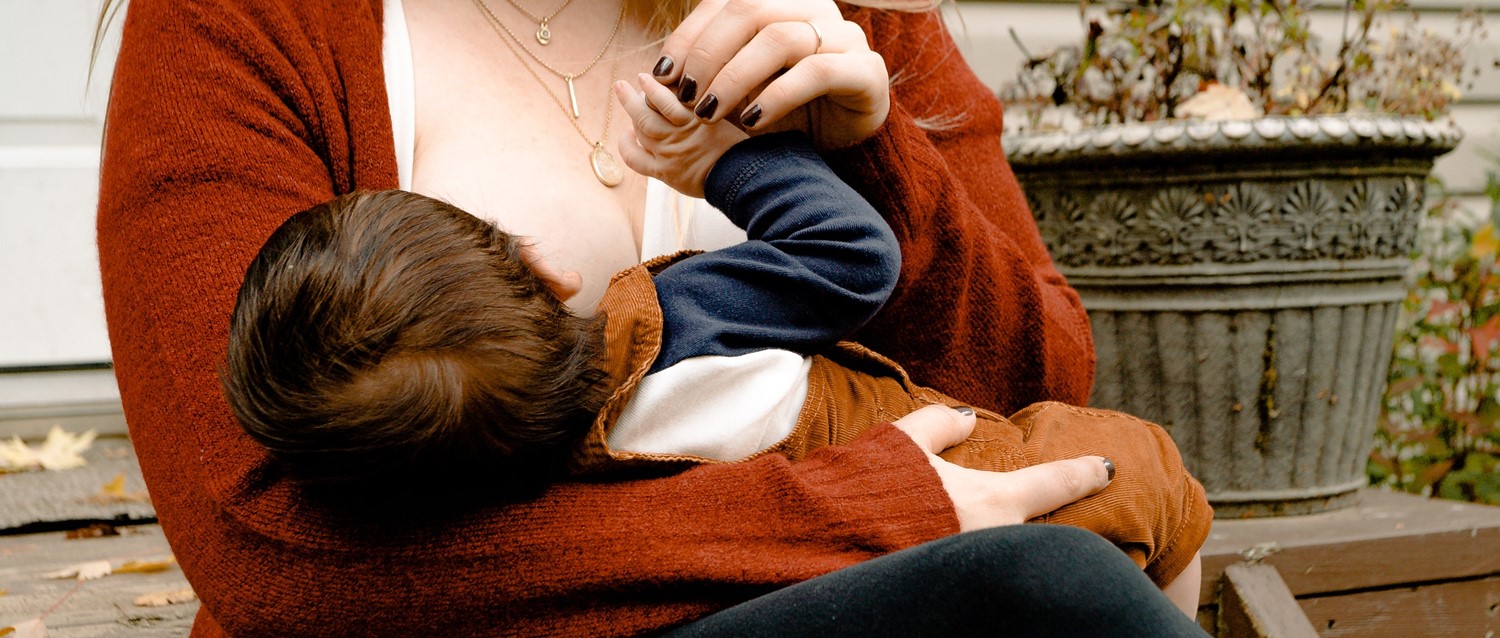
How stopping breastfeeding can impact your mental health
Peer reviewed by Dr Krishna Vakharia, MRCGPAuthored by Lydia SmithOriginally published 27 Oct 2022
Meets Patient’s editorial guidelines
- DownloadDownload
- Share
- Language
- Discussion
- Audio Version
- Add to preferred sources on Google
It's common for new parents to struggle with their mental health. New parenthood comes with a whole host of challenges, from sleep deprivation and disrupted hormones to lifestyle changes and navigating feeding - all of which can play havoc with your well-being. However, stopping breastfeeding and weaning can lead to some difficult emotions too.
Sign up for our free 8-week Healthy Pregnancy course!
Each week we’ll share useful information and essential tips on topics such as nutrition, exercise, mental health, symptoms to look out for, and preparing for childbirth, to help you navigate your pregnancy journey whatever stage you are at.
By subscribing you accept our Privacy Policy. You can unsubscribe at any time. We never sell your data.
Can stopping breast feeding effect your mental health?
Post-weaning depression is a term used to describe feelings of depression or anxiety that can occur after someone stops breastfeeding. You can experience emotional difficulties no matter how long you've been breastfeeding and whether you are stopping voluntarily or not.
According to a Norwegian study1 of more than 40,000 breastfeeding women, ceasing nursing - either on purpose or otherwise - can increase the risk of anxiety and depression. Unsurprisingly, women who were already susceptible to these conditions were at higher risk of mental health problems linked to stopping breastfeeding.
What causes post-weaning depression?
For many, weaning is an emotional adjustment. Although nursing can be extremely challenging, it can be an intimate, bonding experience for a mother and baby.
"You might experience feelings of sadness, grief, anger, anxiety, or emotional instability as you stop to breastfeed your baby," says psychotherapist and Counselling Directory member Laura Duester. "You may feel a sense of loss that your baby is no longer so dependent on you, worry that time is passing too quickly as your child grows, or feel guilty that you're unable to keep meeting your baby's nutritional needs."
On the other hand, you might have positive emotions, such as joy and relief, as you see your baby being fed by others and enjoy more time and freedom for yourself.
"Mothers often have a wide range of feelings about reducing or stopping breastfeeding, and can end-up feeling alone, exhausted, conflicted, and confused about their experiences," Duester adds.
Additionally, weaning can be stressful. It can be messy and frustrating - especially when your little one is getting used to new tastes and textures. It can also be stressful to try out allergens such as nuts.
Hormonal changes
Hormonal changes linked to the cessation of breastfeeding can also affect mental health. The hormone prolactin - responsible for milk production - and oxytocin - the 'love' hormone linked to milk ejection and bonding - play key roles in breastfeeding.
Both of these feel good hormones are connected to how we feel emotionally, contributing to feelings of contentment and love. When breastfeeding ends, our levels of both prolactin and oxytocin drop - which can affect our mood.
Oestrogen levels are generally lower during breastfeeding and increase to pre-pregnancy levels after weaning. Research2 shows fluctuations of this hormone can also affect our mood too.
Post-weaning depression symptoms
Everyone experiences post-weaning depression differently. However, common symptoms include feelings of sadness, anxiety, feeling tearful, difficulty concentrating, feelings of loss, and irritability. You may also experience mood swings or lose interest in activities you used to enjoy.
Is post-weaning depression different from postnatal depression?
Although the symptoms are similar, post-weaning depression is different from postnatal depression. Post-weaning depression is specifically linked to the cessation of breastfeeding, but postnatal depression can affect parents at any point after giving birth.
Depression in pregnancy (antenatal depression) is also common, affecting more than one in 10 women. It's important to note that post-weaning depression doesn't always set in immediately after someone stops breastfeeding.
What can you do if you are struggling with your mental health?
Not everyone struggles with their mental health when stopping breastfeeding, but if you are finding it difficult, it's important to seek support. Although you can't prevent mood problems, there are steps you can take to make the shift away from breastfeeding easier.
Talk to friends, family, and other parents
"Firstly, be honest and open," says Duester. "It is hugely beneficial to share your feelings with a partner, family member or fellow mother. You may even want to book sessions with a therapist to help explore and process this and the many other challenges that are an inevitable part of parenthood."
Peer support groups and parent groups can be a good place to chat to other people and reduce feelings of isolation.
Wean gradually and on your terms
It's also important to wean when you feel ready. Weaning very gradually can mean your hormone levels will change less suddenly. You can reduce your number of feeds or the amount you are pumping over time.
Be kind to yourself
"Try to do mood-boosting activities for yourself, such as socialising, exercising or being in nature," says Duester. "Find other ways to enjoy time and connect with your baby. This could be by playing together, reading stories, or simply enjoying cuddles."
Speak to a mental health professional
"Give yourself time and space to process feelings, and make sure to seek help from a mental health professional if you're feeling depressed or overwhelmed," adds Duester.
Your GP will be able to assess your needs and advise on the best course of action for you. You can also self-refer for talking therapy on the NHS. If you're struggling with breastfeeding, you can contact the National Breastfeeding Helpline, La Leche League, or the National Childbirth Trust (NCT) for advice and support.
Further reading
1. Ystrom: Breastfeeding cessation and symptoms of anxiety and depression: a longitudinal cohort study.
2. Wharton et al: Neurobiological Underpinnings of the Oestrogen - Mood Relationship.
Patient picks for Mental health
Pregnancy
How to plan for pregnancy when you have mental health problems
Starting a family is an exciting and nerve-wracking time for anyone, but having a mental health problem can add an extra layer of planning and anxiety to getting pregnant. Is your medication safe for pregnancy and breastfeeding? How can you keep both yourself and your baby well? And what specialist support is available along the way?
by Sarah Graham

Pregnancy
What behaviour changes should you expect during pregnancy?
Strong moods and emotions are very common in pregnancy, but when do they become more than just normal pregnancy changes? We look at what you should look for and when to seek medical advice.
by Dr Jennifer Kelly, MRCGP
About the authorView full bio

Lydia Smith
Feature writer
BA, MA, MSc
Lydia Smith is an award-winning journalist and feature writer who has written extensively on women's health and mental health. She is currently studying for an MSc in psychology.
About the reviewerView full bio

Dr Krishna Vakharia, MRCGP
Chief Medical Officer for Health, Optum UK
MBChB, MRCGP(2013), BMedSci (hons), DFSRH, DRCOG, PGDipDerm (Distn)
Dr Krishna Vakharia is an NHS GP. She is also a regular examiner for the postgraduate Diploma in Practical Dermatology at Cardiff University as well as being the Chief Medical Officer for health at Optum UK.
Article history
Article also available in English, German, Spanish, French, Italian, Portuguese, Hindi, Hebrew, Arabic, and Swedish.
27 Oct 2022 | Originally published
Authored by:
Lydia SmithPeer reviewed by
Dr Krishna Vakharia, MRCGP
Join the conversation
Share your thoughts or experiences with others in our patient communities.

Ask, share, connect.
Browse discussions, ask questions, and share experiences across hundreds of health topics.

Feeling unwell?
Assess your symptoms online for free
Sign up to the Patient newsletter
Your weekly dose of clear, trustworthy health advice - written to help you feel informed, confident and in control.
By subscribing you accept our Privacy Policy. You can unsubscribe at any time. We never sell your data.
More in pregnancy
- Amniocentesis: risks, benefits, and accuracy
- C-section babies have different gut bacteria to those born vaginally
- Can you drink coffee when you are pregnant?
- Can your diet and lifestyle improve fertility?
- Does your ethnicity influence your fertility success?
- Experts dispute new study linking C-section births to autism
- General pregnancy videos
- How an underactive thyroid affects fertility
- How to help your C-section recovery
- Morning after pill myths debunked
- Pregnancy acne: why it happens and how to treat it
- Scientists develop sperm separation method for sex selection
- The truth about getting pregnant after 40
- Video: Is it safe to have sex during pregnancy and other lifestyle questions?
- Video: When are you most likely to get pregnant?
- What is the difference between implantation bleeding and a period?
- What to do if you need an abortion
- What to expect when you take the morning after pill
- Which medications can affect your contraception?
- Why is egg freezing on the rise and is it safe?