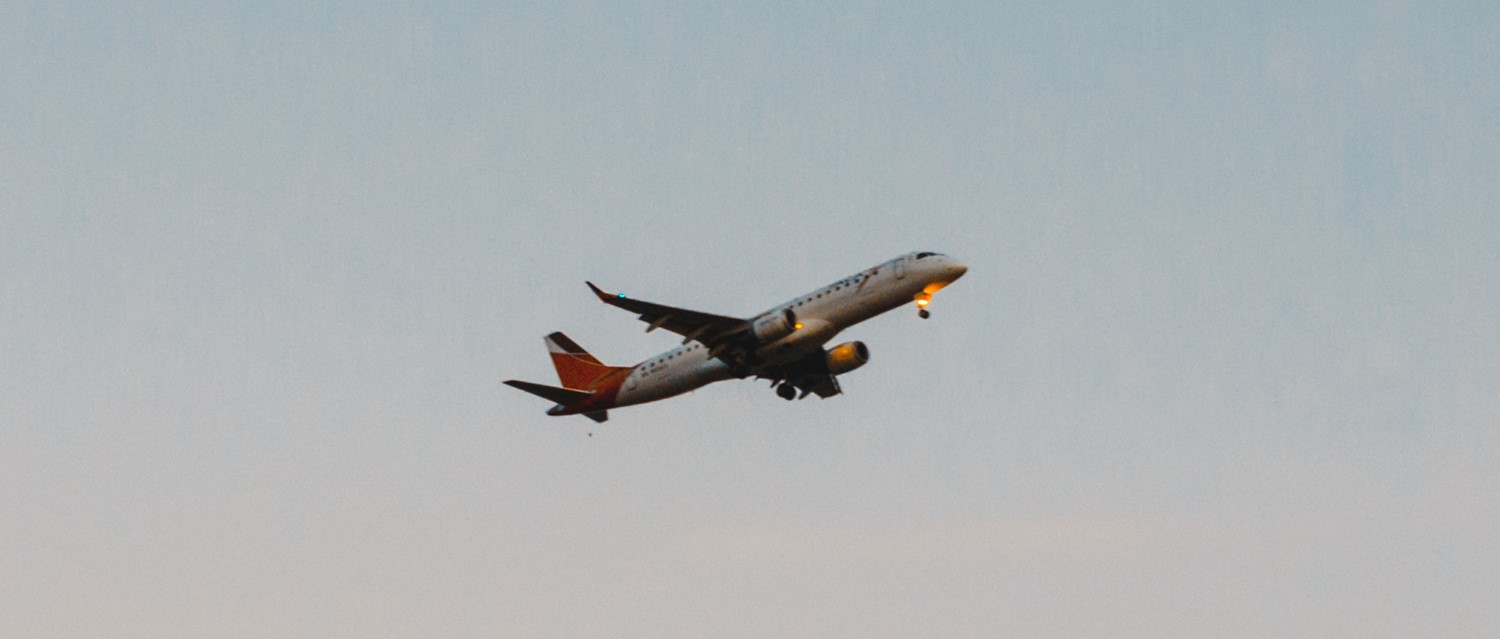
Wie man einen gesunden Flug hat
Begutachtet von Dr Sarah JarvisVerfasst von Dr Hilary Jones, MBEUrsprünglich veröffentlicht 21 Jul 2019
Erfüllt die redaktionelle Richtlinien
- HerunterladenHerunterladen
- Teilen
- Language
- Diskussion
- Audio-Version
- Zu bevorzugten Quellen bei Google hinzufügen
Der Reiselust hat inzwischen so viele Menschen ergriffen, dass sie sich zu einer modernen Epidemie entwickelt hat. Laut dem Office for National Statistics unternahmen britische Einwohner im vergangenen Jahr erstaunliche 73 Millionen Auslandsbesuche. Aber wie kannst du während des Fliegens gesund bleiben, nicht nur bei einem Langstreckenflug, sondern auch bei einem Kurztrip?
Modern air travel is portrayed as glamorous, safe, comfortable and luxurious. It may well be if you are lucky enough to own your personal Learjet. For most of us, however, the exact opposite is often true.
It's easy to arrive at your destination tired, aching, dehydrated and incubating that nasty flu bug that the passenger sitting two rows in front of you has passed on to you without you even knowing. But here's how you can protect yourself:
Bleiben Sie hydriert
Did you know that the humidity inside the aircraft cabin is usually around just 20%? That is at least 10% to 15% lower than the humidity at home. So this will have a drying effect on your nose mouth and skin. Some specialists believe it will also significantly increase your risk of developing a serious blood clot (Tiefe Venenthrombose).
To prevent dehydration, drink 350 mls of still water before you embark, and resist the temptation to drink too much alcohol or carbonated sugary drinks during the flight. Use plenty of moisturiser on your face too. And carry a water spray and saline nasal drops if Kopfschmerzen from nasal congestion occur.
In Bewegung bleiben
Any type of immobility, including that imposed by being strapped into the cramped seat of a commercial aircraft, can predispose to a blood clot or venous thromboembolism - especially if there is a predisposing factor or if another clot has happened previously. Oral contraceptive pills, pregnancy and leg injuries all increase the risk as does any flight over six hours in duration.
Stagnation of blood in the deep veins of the legs is the underlying cause so prevent this by keeping those leg muscles moving even when sitting down. Tap your feet, drink water regularly (so you have to walk along the aisle to visit the toilet) and consider wearing graduated compression stockings (flight socks) especially on a long-haul flight and if your ankles and feet tend to swell up anyway.
Avoid infection
Aircraft seats and hard surfaces like meal trays, armrests and locker handles can all harbour bacteria, viruses and fungi. As well as the most common and relatively harmless bugs this also includes more pathogenic bacteria such as MRSA und E. coli, and those responsible for influenza and SARS.
It's no wonder Howard Hughes, the famous billionaire aviator with a germ phobia, built his own aeroplane! But if such extravagance is out of your budget, you can use alcohol wipes to clean the immediate area around you.
Furthermore, 50% of the air in an aircraft cabin is recycled. Despite the air being filtered for microbes and dust, it is well documented that infections can easily be picked up from a fellow passenger up to seven rows away from you.
Minimise the risks of germ transmission by carrying a sanitising hand gel containing at least 60% alcohol and using it after touching hard surfaces as well as after hand-washing normally in the aircraft washroom - the water there is often not as clean as you might hope!
My top tip: avoid airborne cold and cough viruses by pointing the ventilation nozzle above you straight downwards in front of your face on the low or medium setting. This blows away any infected aerosol droplets and prevents them from reaching your eyes nose and throat.
Protect your ears
When flying at cruising altitude, at about 8,000 feet, the air pressure inside the cabin is similar to that at the top of the mountain and the oxygen saturation is also lower. On taking off and landing, the rapid pressure changes can cause distension and discomfort across your eardrum.
Anyone with an Ohrenentzündung or a cold or anyone who simply has a narrow or blocked Eustachian tube (the passageway between the middle ear cavity and the nose) can suffer most.
On ascent and descent therefore, pinch your nose between forefinger and thumb, close your mouth and blow gently, to equalise the pressure across the eardrums. This is called the Valsalva manoeuvre and you will know you have succeeded with it when you hear a distinct click in each ear.
Alternatively, you can try chewing gum or sucking a boiled sweet, as the normal act of swallowing helps too.
Be kind to your tummy
Reduced cabin air pressure also causes any gas in your intestine to expand. This can lead to Blähungen and discomfort.
So avoid carbonated drinks and eat light, easily digested meals such as chicken or fish with rice. Avoid fermentable foods like pulses and other green vegetables as well as refined sugars and carbohydrates.
Avoid air sickness
As with any other form of travel sickness, air sickness is caused by conflicting signals being sent to your brain from what your eyes see, and the movements detected by the sensitive balance mechanism situated inside your inner ear. Minimise this by pre-selecting a window seat from which you can see the horizon and preferably one somewhere in the middle of the plane between the wings where there tends to be less motion and engine noise.
Enjoy a light snack before you travel and take a travel sickness preparation at least an hour before embarking. If you suffer regularly, hyoscine transdermal patches, on prescription, applied to the skin behind the ear, are very effective.
Get some sleep
Long-haul flying is a great opportunity to catch up on some sleep. Any antihistamine preparation taken for travel sickness may help by making you slightly drowsy. A neck pillow preserves good posture and prevents head-lolling, whilst noise-cancelling headphones and an eye mask are great investments if you want satisfying shuteye.
If you are anxious about flying generally and on edge, make a member of the cabin crew aware of it so they can reassure you and put you at your ease. Better still, think about enrolling on a fear-of-flying course before your next flight because they are very effective and can open up a whole new world of panic-free flying for you in the future.
Seien Sie vorbereitet
However efficient your airline, unforeseen delays and hold-ups can occur. This can prove challenging and stressful, especially when travelling with children or elderly relatives.
Do ensure any regular medicines that might be needed (for example, for asthma, heart problems or diabetes) and a note from your doctor if travelling with injectables or strong painkillers, are in your hand luggage. And of course, make sure all your immunisations are up to date and appropriate for the demands of your destination, well in advance of your trip.
They say a spoonful of sugar helps the medicine go down, so when travelling with children don't forget to bring snacks, treats, games and books to keep them occupied. In this area particularly, as I myself have discovered, preparation is all.
Patientenauswahl für Reiseberatung
Reisen und Impfungen
Wie lange vor Ihrer Reise sollten Sie sich impfen lassen?
Sich vor einer Auslandsreise gegen Krankheiten impfen zu lassen, mag unbequem und leicht unangenehm sein, aber lassen Sie sich nicht dazu verleiten, diese Impfungen auszulassen - oder sie bis zur letzten Minute aufzuschieben. Wir haben einen Hausarzt und eine spezialisierte Reisekrankenschwester um Rat gefragt.
von Julian Turner

Reisen und Impfungen
Wie man Reisekrankheit bewältigt
Haben Sie sich in einem fahrenden Fahrzeug jemals krank oder schwindelig gefühlt? Vielleicht sind Ihnen auch kalter Schweiß ausgebrochen, Sie haben sich schwach gefühlt oder gleichzeitig Kopfschmerzen entwickelt? Reisekrankheit ist zwar häufig, aber das bedeutet nicht, dass Sie sie nicht verhindern oder behandeln können.
von Amberley Davis
Über den AutorVollständige Biografie anzeigen
Verfasst von

Dr Hilary Jones, MBE
Allgemeinmediziner, Rundfunksprecher
MBE
Dr. Hilary Jones, Hausarzt, Autor und medizinischer Rundfunksprecher, qualifizierte sich 1976 am Royal Free Hospital.
Über den RezensentenVollständige Biografie anzeigen

Dr. Sarah Jarvis
Klinische Beraterin
MA (Cantab), BM, BCh (Oxon), DRCOG, FRCGP, MBE
Nach ihrer medizinischen Ausbildung in Cambridge und Oxford wurde Dr. Sarah Jarvis MBE Hausärztin.
Artikelverlauf
Artikel auch verfügbar in Englisch, Deutsch, Spanisch, Französisch, Italienisch, Portugiesisch, Hindi, Hebräisch, Arabisch, und Schwedisch.
21 Jul 2019 | Ursprünglich veröffentlicht
Verfasst von:
Dr Hilary Jones, MBEBegutachtet von
Dr. Sarah Jarvis
Nehmen Sie an der Diskussion teil
Teilen Sie Ihre Gedanken oder Erfahrungen mit anderen in unserem Patientengemeinschaften.

Fragen, teilen, verbinden.
Durchsuchen Sie Diskussionen, stellen Sie Fragen und teilen Sie Erfahrungen zu Hunderten von Gesundheitsthemen.

Fühlen Sie sich unwohl?
Bewerten Sie Ihre Symptome online kostenlos
Abonnieren Sie den Patienten-Newsletter
Ihre wöchentliche Dosis klarer, vertrauenswürdiger Gesundheitsberatung - geschrieben, um Ihnen zu helfen, sich informiert, selbstbewusst und in Kontrolle zu fühlen.
Durch das Abonnieren akzeptieren Sie unsere Datenschutzrichtlinie. Sie können sich jederzeit abmelden. Wir verkaufen Ihre Daten niemals.