
Verursacht Ihr Lebensstil Scheidenpilz?
Begutachtet von Dr Sarah JarvisZuletzt aktualisiert von Sally TurnerZuletzt aktualisiert 14 Jan 2019
Erfüllt die Anforderungen des Patienten Richtlinien des Patienten
- HerunterladenHerunterladen
- Teilen
- Language
- Diskussion
- Audio-Version
- Zu bevorzugten Quellen bei Google hinzufügen
Vaginale Pilzinfektionen sind ein häufiges Gesundheitsproblem, bei dem schätzungsweise drei von vier Frauen im Laufe ihres Lebens betroffen sind. Wir betrachten die Lebensstilfaktoren, die einen Auslöser für Pilzinfektionen sein können, und wie man sie angehen kann.
If you've had vaginal thrush you'll know all too well how aggravating the symptoms of itching, soreness and discharge can be, and for some women these symptoms can recur with frustrating frequency.
Vaginale Pilzinfektion is caused by an overgrowth of the naturally-occurring yeast candida (usually candida albicans, though other strains of candida may occasionally be responsible). Thrush develops when the vagina's healthy balance of microflora is disrupted, and it thrives in warm, airless, moist conditions.
Diagnosis is made by vaginal swab and thrush is usually treated with a short course of antifungal vaginal pessaries and cream, or an oral capsule (Fluconazol), though chronic recurrence may need a specialist approach.
Intimate wipes and washing
Contact allergy from wet wipes, bubble baths and wash products is a common cause of vulval itching and these products can also be a trigger for thrush.
Dr Nitu Bajekal, a consultant gynaecologist and obstetrician at Spire Healthcare, comments:
"Take showers rather than baths. Avoid perfumed toiletries in the vulval area and never use feminine wipes or douches which disturb the vagina's normal healthy bacteria. Use non-soap-based washes, or emollients such as emulsifying ointment instead of soap to clean the genital area."
Just using plain water is also an option and avoid over-washing (once a day is adequate). When visiting the toilet always wipe from front to back.
Bajekal also suggests using unperfumed, non-biological washing detergents to wash underwear and ditching the fabric conditioner.
Undies and swimwear
"Avoiding thongs, tight-fitting synthetic underwear and tights can help prevent the warm, moist conditions that can lead to thrush," she says. "Wear breathable cotton underwear and forgo it at night to allow air to the area."
Some women are also allergic to fabric dye, so go for white cotton rather than coloured if in doubt.
After exercising, ensure you change out of sweaty gym clothes or a wet swimming costume as soon as possible. An emollient such as emulsifying ointment can be helpful as a barrier when swimming, as chlorine can upset the vagina's delicate microflora.
Sex, lube and shaving
"Thrush is not a sexually transmitted infection (STI) but it can make sex uncomfortable," says Bethany Fawcett, contraception and sexual health nurse at young people's sexual health and well-being charity Brook. "And it is important to note that some topical thrush treatments can weaken latex condoms, diaphragms and caps."
Men can develop genital thrush (known as candidal balanitis) but are far less susceptible than women. Some men experience an allergic, hypersensitive response to a woman's candida during sex, but it is rare for thrush to be passed between partners.
Former nurse Samantha Evans is co-founder and managing director of sex toy company Jo Divine. She is keen to point out that some sexual lubricants can be a trigger for thrush too.
"Many women get recurrent thrush, not realising their lube is causing the problem and this was my personal experience. Some lubes contain irritating ingredients including glycerine/glycerol which zeigt die Forschung shows is a food source for candida albicans. Glycerine exacerbates vaginal dryness and increases susceptibility to vaginal infections, especially after sex."
She advises using a pH-balanced lubricant free from glycerine, glycols and parabens, and to choose condoms that are not lubricated with products containing these additives.
Es gibt auch Beweise that repeatedly shaving or waxing pubic hair can make the vulva more vulnerable to irritation and infection due to micro cuts, so avoid over-grooming.
Hormones, periods and pregnancy
"Some studies show that high levels of oestrogen can increase chances of thrush," says Fawcett. "Oestrogen can be found in the combined contraceptive pill and is one of the two main hormones used in hormone replacement therapy. Hormonal changes during pregnancy and your menstrual cycle can also increase your chances of getting thrush."
"Some women find symptoms are worse just before or after a period, possibly due to changes in the vaginal pH which is normally acidic," adds Bajekal. "Several Studien have found that symptoms of thrush tend to appear on days 19-24 of the cycle."
She also suggests avoiding daily use of panty liners and 'chemical-laden sanitary wear' during a period: "Opt for a Mooncup or organic unbleached sanitary towels or tampons instead."
Antibiotics and a weakened immune system
Some women will develop thrush after taking a course of Antibiotika which can disrupt the balance of healthy bacteria in the body, allowing candida to take over.
"Probiotika can help restore the natural balance of bacteria in your gut," advises Bajekal, "but beware of gimmicky probiotic drinks in stores that may be loaded with sugar and haven't been proven to be effective in clinical trials. If you suffer from thrush on a recurrent basis, it is best to opt for a pharmaceutical-grade probiotic that has at least five billion organisms per dose."
Conditions that suppress the immune system can also be a trigger for thrush.
"People undergoing Chemotherapie or those with HIV are more likely to develop thrush because the immune system is not able to keep the candida under control," comments Fawcett. "Thrush is also more common in people with Diabetes, as higher sugar levels lead to better conditions for the yeast to grow."
Consuming excess sugar and alcohol, and chronic stress and exhaustion, can also reduce the body’s ability to fight off infection and keep candida under control. Regular exercise and at least seven hours of restful sleep are recommended.
Is it really thrush?
"Recurrent thrush is defined as more than two episodes in six months and occurs in less than 5 in 100 women," says Bajekal. "Your doctor may do a swab to check if you have a different strain of candida and it is important to rule out other causes of symptoms. Recurrent thrush needs correct treatment, for an extended duration, to be effective."
It is not uncommon for vulval soreness and irritation to be misdiagnosed as thrush by GPs and women themselves, as the symptoms can mimic other vulval conditions such as Lichen sclerosus, Vulvodynie, bakterieller Vaginose und STIs.
So although you can buy thrush treatments over the counter, it is important to get a clear diagnosis before self-treating, and to be checked for other health issues that may cause similar symptoms.
Patientenauswahl für Vaginale und vulväre Gesundheit
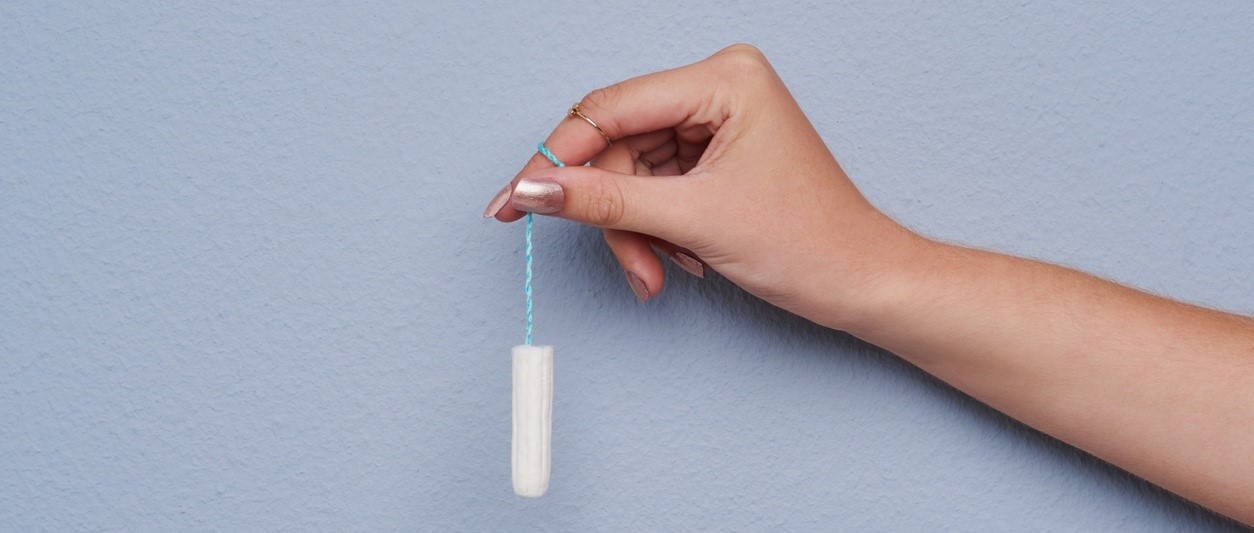
Frauengesundheit
Tampon-Tests – die neueste Methode zur Überprüfung Ihrer Vaginalgesundheit
Seit 90 Jahren verwenden Frauen den modernen Tampon, um während ihres Menstruationszyklus eine Aufgabe zu erfüllen. Jetzt entdecken Wissenschaftler, dass er in der Gesundheitsversorgung noch viel mehr leisten kann. Wir erkunden diese vielversprechende neue Methode zur Diagnose von schlechter reproduktiver und sexueller Gesundheit – und fragen, was die Zukunft noch für Tampons in der Frauengesundheit bereithalten könnte.
von Amberley Davis

Frauengesundheit
Wie man mit seinem Arzt über die Vagina spricht
Niemand behauptet, dass es Spaß macht, wegen eines gynäkologischen Problems zum Arzt zu gehen. Aber zu wissen, was man von einer Konsultation erwarten kann, kann es viel einfacher machen, Hilfe zu suchen.
von Dr. Sarah Jarvis
Über den AutorVollständige Biografie anzeigen

Sally Turner
Freiberufliche Journalistin
BA Medienproduktion
Sally Turner ist eine Autorin und Rundfunksprecherin, die sich auf sexuelle Gesundheit und Frauenthemen spezialisiert hat.
Über den RezensentenVollständige Biografie anzeigen

Dr. Sarah Jarvis
Klinische Beraterin
MA (Cantab), BM, BCh (Oxon), DRCOG, FRCGP, MBE
Nach ihrer medizinischen Ausbildung in Cambridge und Oxford wurde Dr. Sarah Jarvis MBE Hausärztin.
Artikelverlauf
Die Informationen auf dieser Seite werden von qualifizierten Klinikern begutachtet.
Artikel auch verfügbar in Englisch, Deutsch, Spanisch, Französisch, Italienisch, Portugiesisch, Hindi, Hebräisch, Arabisch, und Schwedisch.
14 Jan 2019 | Neueste Version

Fragen, teilen, verbinden.
Durchsuchen Sie Diskussionen, stellen Sie Fragen und teilen Sie Erfahrungen zu Hunderten von Gesundheitsthemen.

Fühlen Sie sich unwohl?
Bewerten Sie Ihre Symptome online kostenlos
Abonnieren Sie den Patienten-Newsletter
Ihre wöchentliche Dosis klarer, vertrauenswürdiger Gesundheitsberatung - geschrieben, um Ihnen zu helfen, sich informiert, selbstbewusst und in Kontrolle zu fühlen.
Durch das Abonnieren akzeptieren Sie unsere Datenschutzrichtlinie. Sie können sich jederzeit abmelden. Wir verkaufen Ihre Daten niemals.
Mehr zur Frauengesundheit
- Sind Blutgerinnsel während der Periode normal?
- Können Menstruationstassen gegen Periodenarmut helfen?
- Funktionieren pflanzliche Heilmittel gegen die Wechseljahre wirklich?
- Benötigen Sie mit 40 einen Wechseljahre-Check?
- Erste Periode - Ihr Kind unterstützen, wenn es mit der Menstruation beginnt
- Leinsamen: eine Geheimwaffe für die Gesundheit von Frauen?
- Wie kann man Osteoporose während der Wechseljahre vorbeugen?
- Wie man auf Brustkrebs untersucht und wie sich ein Knoten anfühlt
- So reinigen Sie Ihre Menstruationskappe
- Verursacht Ihre Periode Ihre Migräne?
- Menopause und Bewegung
- Menstruationsbecher ebenso sicher und wirksam wie Binden und Tampons
- Neue Operation könnte Menopause um 20 Jahre verzögern
- Periodenarmut: eine Krise der öffentlichen Gesundheit
- Erkennen der Anzeichen von Myomen
- Was verursacht starke Menstruationsblutungen und abnormale vaginale Blutungen?
- Was passiert, wenn Sie die Pille absetzen?
- Welche Arten von Kondomen sind am besten zur Verhütung geeignet?
- Warum verlieren immer mehr junge Frauen ihre Menstruation durch restriktive Diäten und exzessives Training?
- Werden wir jemals eine Verhütungspille für Männer haben?