Ameisenlaufen
Paraesthesia
Begutachtet von Dr Colin Tidy, MRCGPZuletzt aktualisiert von Dr Hayley Willacy, FRCGP Zuletzt aktualisiert 20. Okt 2024
Erfüllt die redaktionelle Richtlinien
- HerunterladenHerunterladen
- Teilen
- Language
- Diskussion
- Audio-Version
- Zu bevorzugten Quellen bei Google hinzufügen
Numbness is a condition where you can't feel anything in part of your body, some describe it as a 'limb falling asleep'. Pins and needles are a tingling or numbness feeling or prickling sensation that is often felt in hands or feet. Usually this is due to pressure on nerves/nerve cells or the blood vessels that supply nerves. This often happens after you've been in an awkward position, like sitting cross-legged, or it may be the sign of a trapped nerve. Occasionally, it may be the sign of a more serious underlying problem such as diabetes.
The most common causes are mentioned below.
Auf einen Blick
Kribbeln und Taubheitsgefühle treten auf, wenn Druck die Blutversorgung der Nerven unterbricht.
Häufige Ursachen sind eingeklemmte Nerven, Diabetes, Verletzungen und bestimmte Medikamente.
Lebensstilfaktoren wie Alkoholmissbrauch und Vitamin-B12-Mangel können ebenfalls Ursachen sein.
Die Behandlungen hängen von der Ursache ab und können Ihren Hausarzt oder einen Spezialisten einbeziehen.
Suchen Sie dringend medizinische Hilfe, wenn Sie plötzlich einen Kraftverlust auf einer Körperseite haben.
Wenden Sie sich an einen Arzt bei wiederkehrendem Kribbeln oder anderen besorgniserregenden Symptomen.
What can pins and needles be a sign of?
Numbness and pins and needles occur when you lose normal sensation in an area of the body. This happens because pressure cuts off the blood supply to nerves that send signals about sensation to the brain. This can affect any body part- eg, hands, feet, face.
This list does not include all the possible causes of numbness/pins and needles but lists some of the more common causes, including:
Pressure
Wearing tight shoes or sitting on your foot can give you a numb foot or leg or cause pins and needles. This kind of numbness has an obvious cause, gets better when the pressure is removed and doesn't cause any further problems.
Trapped nerve
Numbness or pins and needles can also be due to a trapped nerve.
A slipped disc oder back problem can put pressure on a nerve that travels from your spinal cord, down your leg and into your toes.
A trapped nerve in the neck can also cause numbness or pins and needles anywhere from your neck, down your arms and into your fingers.
Carpal tunnel syndrome is a trapped nerve at the wrist, giving you pins and needles and pain in the hand and loss of grip - this can be associated with rheumatoide Arthritis. Around 6 pregnant women in 10 may experience this pregnancy-related cause of pins and needles in the hand.
Other examples are thoracic outlet syndrome und Spinalkanalstenose.
Diabetes
Diabetes can damage small blood vessels that supply nerves in fingers and toes. This can cause tingling in hands and feet, pain or numbness in the hands and feet (peripheral neuropathy). Being unable to feel anything in your hands and feet can be dangerous, as you may stumble, drop things or not realise when you are touching something hot.
Verletzung
Damage to nerve endings in fingers or toes can be the result of an injury. People who use vibrating tools a lot may also develop nerve damage and may experience pins and needles in fingers or the hands.
Medikamente
Some medicines can cause nerve damage. It is usually reversible when the medicine is stopped. The medicines include:
Einige chemotherapy medicines used to treat breast cancer and lymphoma.
Antiretrovirals used to treat HIV/AIDS (generally the older drugs rather than the ones used these days).
Diseases that damage nerves
Many medical conditions can damage the nervous system and cause areas of numbness or pins and needles. These include:
These conditions are serious but relatively rare and will all cause other symptoms in addition to the numbness/pins and needles.
Alkohol
Alcohol misuse can damage nerves.
Vitamin deficiency
Vitamin B12-Mangel is common among very elderly people, vegans and people with a condition called pernicious anaemia. The lack of vitamin B12 causes anaemia and nerve damage.
Behandlungen
Treatment will depend on the likely cause of your numbness/pins and needles. You may be asked to keep a diary of the circumstances in which they happened. Most cases will be managed by your GP but you may be referred to a hospital for further investigation and treatment.
How to get rid of pins and needles
Unmittelbar
Loosen any tight clothing/shoes.
Get up and shake the limb if you have been sitting/leaning on it for a long time.
Medium-long term
Minimise neck/back problems by:
Avoiding lifting heavy weights.
Avoiding repetitive movements.
Taking regular breaks at work.
Avoiding poor posture - consider doing yoga or Pilates.
Control diabetes, if you have it, with diet, medication, avoiding obesity and having regular check-ups.
Avoid excess alcohol.
Avoid vitamin B12 deficiency by eating a mixed diet or have a blood test to check whether you need supplements.
Driving is not a problem for simple numbness/pins and needles but restrictions apply if the situation is more complicated or if diagnosis is less clear. If in doubt, contact the Driver and Vehicle Licensing Agency (DVLA).
When should I be worried about pins and needles?
You should dial 999/112/911 to call an ambulance if you notice you have a loss of power down one side of your body (a possible stroke).
If the attacks of numbness/pins and needles recur or you do not make a complete recovery, you should see your doctor soon to seek medical information. You should also go if you have signs of a neurological disease (worsening loss of power or sensation in part of the body, difficulty walking, falls).
In most persistent cases, you should first see your GP. If you have lots of attacks, or you hurt yourself because of the numbness, your GP may want you to see a specialist.
Can pins and needles be dangerous?
Dies hängt von der zugrunde liegenden Ursache ab.
Persistent numbness of the feet can lead to falls which can be serious in the elderly.
Persistent numbness of the hands can affect your grip and make you prone to burns and injury.
Who might be affected by pins and needles?
You can get numbness/pins and needles by putting pressure on a part of your body, like wearing tight shoes or sitting on your foot. People with back pain, those who have diabetes or people who use vibrating tools are more prone to develop the problem.
What investigations might I need?
The doctor will want to know more about the length of the periods of numbness/pins and needles to aid diagnosis and treatment. Is there any obvious cause? Have you started new medication? How much alcohol do you drink? Do you have diabetes? The answers will help the doctor to make a diagnosis.
Your doctor will examine you. They will check your heart, including your blood pressure and pulses in your wrists and feet. Your nervous system will be checked and you may be asked whether you can feel a pinprick or other sensations in your limbs. You may be asked to have a blood test to check for diabetes, Anämie and vitamin B12 levels. Further tests of your heart and nervous system may be necessary.
How to prevent pins and needles
You will need to find the underlying cause and try to address it if possible.
Pressure on nerves, due to back and neck problems, is very common.
Diabetes is the most common cause of persistent numbness/pins and needles.
Patientenauswahl für Schwäche und Taubheit der Gliedmaßen
Gehirn und Nerven
Multiple Sklerose
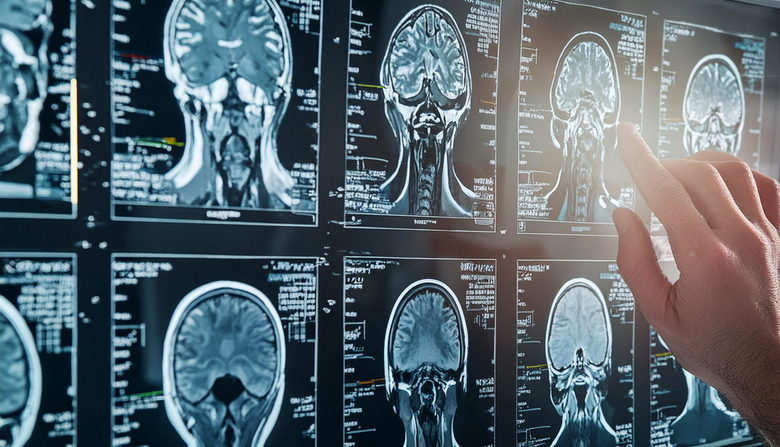
Multiple Sklerose ist eine Erkrankung des Gehirns und des Rückenmarks. Sie kann verschiedene Symptome verursachen. In den meisten Fällen treten Episoden von Symptomen über mehrere Jahre hinweg auf und verschwinden wieder. Mit der Zeit können einige Symptome dauerhaft werden und zu Behinderungen führen. Obwohl es keine Heilung für Multiple Sklerose gibt, können verschiedene Medikamente und Therapien die Anzahl der Schübe reduzieren und helfen, Symptome und Behinderungen zu lindern.
von Dr. Hayley Willacy, FRCGP
Gehirn und Nerven
Cauda-equina-Syndrom
Das Cauda-equina-Syndrom ist eine besonders ernste Art von Nervenwurzelproblem. Es handelt sich um eine seltene Erkrankung, bei der Druck auf die Nerven am unteren Ende des Rückenmarks ausgeübt wird. Die Ansammlung von Nerven am unteren Ende des Rückenmarks wird als Cauda equina bezeichnet, da sie angeblich wie ein Pferdeschwanz aussieht. Cauda equina bedeutet auf Lateinisch Pferdeschwanz. Die Erkrankung kann Rückenschmerzen und Probleme mit der Darm- und Blasenfunktion verursachen (meistens die Unfähigkeit, Urin zu lassen), Taubheitsgefühl im Sattelbereich, der sich um den Anus befindet, und Schwäche in einem oder beiden Beinen. Es bedarf einer dringenden Untersuchung und Behandlung, um zu verhindern, dass die Nerven zur Blase und zum Darm dauerhaft geschädigt werden. Suchen Sie sofort einen Gesundheitsfachmann auf, wenn Sie den Verdacht auf ein CES haben.
von Dr. Colin Tidy, MRCGP
Häufig gestellte Fragen
Was ist der Unterschied zwischen Taubheit und Kribbeln?
Taubheitsgefühl und Kribbeln beinhalten beide den Verlust des normalen Empfindens in einem Körperbereich. Sie treten auf, wenn Druck die Blutversorgung der Nerven unterbricht, die sensorische Signale an das Gehirn senden.
Gibt es bestimmte Arten von Chemotherapie-Medikamenten, die Kribbeln verursachen?
Ja, einige Chemotherapeutika, die zur Behandlung von Brustkrebs und Lymphomen eingesetzt werden, können Nervenschäden verursachen, die zu Kribbeln führen können. Dieser Effekt ist in der Regel reversibel, nachdem das Medikament abgesetzt wurde.
Kann ein Vitamin-B12-Mangel Nervenschäden verursachen?
Ein Mangel an Vitamin B12 kann tatsächlich Nervenschäden verursachen, zusätzlich zu Anämie. Dieser Mangel tritt häufig bei sehr alten Menschen, Veganern und Personen mit perniziöser Anämie auf.
Welche Art von Verletzungen können zu Kribbeln führen?
Verletzungen, die Nervenenden in Fingern oder Zehen schädigen, können ein Kribbeln verursachen. Darüber hinaus können Personen, die häufig vibrierende Werkzeuge verwenden, Nervenschäden entwickeln, die zu diesem Gefühl in ihren Fingern oder Händen führen.
Wie können Wirbelsäulenprobleme wie ein Bandscheibenvorfall zu Kribbeln führen?
Ein Bandscheibenvorfall oder andere Rückenprobleme können einen Nerv komprimieren, der von Ihrem Rückenmark ausgeht und sich bis in Ihre Zehen erstreckt, was zu Taubheitsgefühlen oder Kribbeln führt. Ebenso kann ein eingeklemmter Nerv im Nacken diese Empfindungen überall vom Nacken bis zu den Armen und Fingern verursachen.
Weiterführende Lektüre und Referenzen
- Gomatos EL, Dulebohn SC, Rehman A; Sensory Neuropathy.
- Nackenschmerzen - zervikale Radikulopathie, NICE CKS, November 2023 (nur Zugang in Großbritannien)
- Bodman MA, Varacallo M; Peripheral Diabetic Neuropathy.
- Ho T, Braza ME; Hoffmann Tinel Sign.
Über den AutorVollständige Biografie anzeigen
Aktualisiert von

Dr Hayley Willacy, FRCGP
Allgemeinmediziner, Medizinischer Autor
MBChB (1992), DRCOG, DFFP, MRCOG (Part 1) MRCGP (2007), DFSRH (2013), MSc - medical education (2020)
Dr. Hayley Willacy war eine NHS-Hausärztin, die in Nordwestengland arbeitete und 2022 nach 30 Jahren aus der klinischen Praxis ausschied.
Über den RezensentenVollständige Biografie anzeigen

Dr Colin Tidy, MRCGP
Allgemeinmediziner, Medizinischer Autor
MBBS, MRCGP, MRCP (Paediatrics), DCH
Dr. Colin Tidy ist ein NHS-Arzt mit Sitz in Oxfordshire.
Artikelverlauf
Artikel auch verfügbar in Englisch, Deutsch, Spanisch, Französisch, Italienisch, Portugiesisch, Hindi, Hebräisch, Arabisch, und Schwedisch.
Nächste Überprüfung fällig: 19. Okt. 2027
20. Okt 2024 | Neueste Version
Nehmen Sie an der Diskussion teil
Teilen Sie Ihre Gedanken oder Erfahrungen mit anderen in unserem Patientengemeinschaften.

Fragen, teilen, verbinden.
Durchsuchen Sie Diskussionen, stellen Sie Fragen und teilen Sie Erfahrungen zu Hunderten von Gesundheitsthemen.

Fühlen Sie sich unwohl?
Bewerten Sie Ihre Symptome online kostenlos
Abonnieren Sie den Patienten-Newsletter
Ihre wöchentliche Dosis klarer, vertrauenswürdiger Gesundheitsberatung - geschrieben, um Ihnen zu helfen, sich informiert, selbstbewusst und in Kontrolle zu fühlen.
Durch das Abonnieren akzeptieren Sie unsere Datenschutzrichtlinie. Sie können sich jederzeit abmelden. Wir verkaufen Ihre Daten niemals.