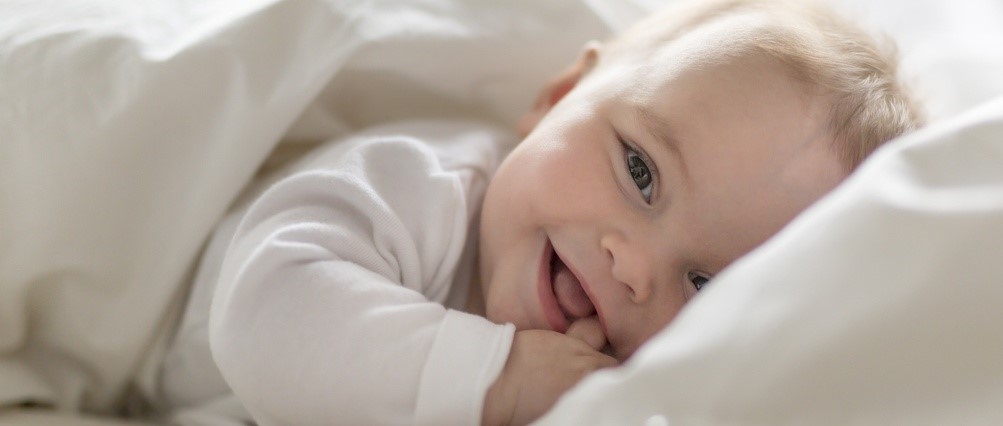
Wie Sie Ihrem Baby helfen, bei heißem Wetter sicher zu schlafen
Begutachtet von Dr Krishna Vakharia, MRCGPVerfasst von Lydia SmithUrsprünglich veröffentlicht 15. Juni 2023
Erfüllt die Anforderungen des Patienten Richtlinien des Patienten
- HerunterladenHerunterladen
- Teilen
- Language
- Diskussion
- Audio-Version
- Zu bevorzugten Quellen bei Google hinzufügen
Ihr Baby nachts zum Schlafen zu bringen – und mit der unvermeidlichen Erschöpfung umzugehen, wenn es nicht schläft – ist oft einer der schwierigsten Teile des Elternseins. Und wenn es draußen heiß ist, kann es noch schwieriger sein, Ihr Kind zum guten Schlaf zu bringen. Es kann eine Herausforderung sein, es während einer Hitzewelle kühl zu halten, aber hier sind einige Tipps, die Ihnen das erleichtern können.
We all find it hard to sleep at night when it’s hot outside, but it can be especially difficult for babies and young children. If your baby is too hot, they are likely to feel uncomfortable, they may get heat rash and their Schlaf may suffer. Your baby may wake up more regularly in the night than normal, or they may be more upset or fussy.
The ideal temperature of a baby’s room should be 16 to 20C, according to the Lullaby Trust.
Overheating has also been linked to serious problems, such as heat exhaustion or heat stroke. Your baby may sweat heavily, have a rapid or weak pulse or have very hot or cold, clammy skin. Heat exhaustion and heat stroke are emergencies and you should take your child to hospital.
When your child’s body Temperatur is too high, they may sweat excessively and lose fluids, leading to Dehydrierung. Symptoms include lack of tears, a decrease in wet nappies and they may be lethargic. Overheating has also been linked to SIDS, Sudden Infant Death Syndrome1.
However, with some small changes to your baby’s environment and clothing, you can help prevent your child from getting too hot.
Tips and advice for keeping your baby cool at night
Check on your baby
If your baby is asleep, it’s tempting to leave them be in case they wake up. However, if it is very hot, it is always safer to check on them every so often to ensure they aren’t overheating.
If you’re unsure about how hot your baby is as they sleep, have a quick feel of their chest, hands and feet, as well as their forehead. If your baby feels sweaty and cold to the touch this is a sign that you need to adjust their clothing, bedding or the room temperature. Your baby’s skin should always be warm and dry to touch.
Jenny Ward, chief executive of The Lullaby Trust, a charity that promotes safe sleep for babies, says: “We’ve had lots of enquiries from parents on social media who are worried about their babies overheating, and we appreciate how hard it can be to keep babies cool in such hot Wetter.
“We would recommend parents regularly monitor their baby’s temperature. If their baby’s skin is hot or sweaty, remove one or more layers of bedclothes or bedding, and think about moving them somewhere that might be a bit cooler.”
Use light bedding and dress your baby appropriately
Cotton or muslin bedding are lighter and help to absorb moisture, which will help keep your baby cooler at night.
However, it’s important to reduce layers, for example, putting your baby in a vest without a sleepsuit. If it’s really hot, just a nappy with no bedding is fine, according to the Lullaby Trust. However, it’s important to check on your baby as they may get too cold as the temperature drops overnight.
If they use a sleeping bag, check the tog isn’t too high. Togs usually range from 0.5 to 3.5 and the lower the better in hot weather, but you may want to go without a sleeping bag.
Don’t close the bedroom door
Shutting the door to your baby’s bedroom may stop noises from waking them up, but the lack of air flow can make a room much hotter. Keeping the door open - along with windows - helps the air circulate.
Make sure the cot isn’t in direct sunlight
It’s difficult in a bright room, but make sure your baby’s cot isn’t in direct sunlight as they will likely overheat. Move the cot or moses basket into a darker, shadier corner, or close the curtains or blinds during the day. However, make sure the windows and doors are open to make sure the room doesn’t heat up.
Keep a thermometer in their room
If you’re unsure about how warm your baby’s room is, it’s helpful to keep a thermometer in there so you can quickly check the temperature. There are plenty of options online, including thermometers which double up as night lights.
Verwenden Sie einen elektrischen Ventilator
You could also try using an electric fan in the room your baby sleeps in, but don’t point it directly at your baby. If you keep the door and window closed, using a fan may actually make the room hotter, so keep the door and window open.
Weiterführende Lektüre
Patientenauswahl für Umweltbedingungen
Allgemeine Gesundheit und Lebensstil
Die Hitze besiegen: Ihr unverzichtbarer Sonnenschutz-Leitfaden
Da in den kommenden Monaten in ganz Großbritannien wärmeres Wetter erwartet wird, hat St John Ambulance wichtige Gesundheitstipps geteilt, um Menschen dabei zu helfen, die Symptome häufiger hitzebedingter Erkrankungen zu erkennen und zu verstehen, wie man sie behandelt. Diese wesentlichen Tipps zu kennen, kann Ihnen helfen, sicher, vorbereitet und bereit zu sein, das Beste aus Ihrem Sommer zu machen.
von Victoria Raw

Allgemeine Gesundheit und Lebensstil
Könnte die Energiekrise eine psychische Gesundheitskrise auslösen?
Die Entscheidung zwischen Heizung einschalten und Essen kaufen zu müssen, ist eine Entscheidung, die niemand treffen sollte. Doch für viele wird dies zur Realität angesichts der anhaltenden Energiekrise und der steigenden Lebenshaltungskosten – und es wirkt sich auf unsere psychische Gesundheit aus.
von Lydia Smith
Über den AutorVollständige Biografie anzeigen

Lydia Smith
Feature-Autorin
BA, MA, MSc
Lydia Smith ist eine preisgekrönte Journalistin und Feature-Autorin, die umfangreich über Frauengesundheit und psychische Gesundheit geschrieben hat. Derzeit studiert sie für einen MSc in Psychologie.
Über den RezensentenVollständige Biografie anzeigen

Dr Krishna Vakharia, MRCGP
Chief Medical Officer für Gesundheit, Optum UK
MBChB, MRCGP(2013), BMedSci (hons), DFSRH, DRCOG, PGDipDerm (Distn)
Dr. Krishna Vakharia ist eine NHS-Hausärztin. Sie ist auch regelmäßige Prüferin für das postgraduale Diplom in Praktischer Dermatologie an der Cardiff University und zudem Chief Medical Officer für Gesundheit bei Optum UK.
Artikelverlauf
Die Informationen auf dieser Seite werden von qualifizierten Klinikern begutachtet.
Artikel auch verfügbar in Englisch, Deutsch, Spanisch, Französisch, Italienisch, Portugiesisch, Hindi, Hebräisch, Arabisch, und Schwedisch.
15. Juni 2023 | Ursprünglich veröffentlicht
Verfasst von:
Lydia SmithBegutachtet von
Dr Krishna Vakharia, MRCGP

Fragen, teilen, verbinden.
Durchsuchen Sie Diskussionen, stellen Sie Fragen und teilen Sie Erfahrungen zu Hunderten von Gesundheitsthemen.

Fühlen Sie sich unwohl?
Bewerten Sie Ihre Symptome online kostenlos
Abonnieren Sie den Patienten-Newsletter
Ihre wöchentliche Dosis klarer, vertrauenswürdiger Gesundheitsberatung - geschrieben, um Ihnen zu helfen, sich informiert, selbstbewusst und in Kontrolle zu fühlen.
Durch das Abonnieren akzeptieren Sie unsere Datenschutzrichtlinie. Sie können sich jederzeit abmelden. Wir verkaufen Ihre Daten niemals.
Mehr zu allgemeiner Gesundheit und Lebensstil
- 12 bewährte Diäten für Ihre Neujahrsziele
- 5 Vorteile von Bienen für Ihre Gesundheit
- Luftverschmutzung in Großstädten ist für die Lungen so schädlich wie das Rauchen von 20 Zigaretten pro Tag
- Kann ein Apotheker Antibiotika verschreiben?
- Halten Blue Zones die Geheimnisse für ein längeres Leben?
- Brauchen Sie im Winter mehr Schlaf?
- Malaria-Tabletten von Ihrem Apotheker erhalten
- Nützliche Tipps zur Reduzierung Ihrer Lebensmittelverschwendung
- Wie die Menopause Frauen bei der Arbeit beeinflussen kann
- Wie man diesen Sommer eine Lebensmittelvergiftung vermeidet
- Wie man im Winter seine Haut pflegt
- So können Sie die Sorgen beim Warten auf medizinische Testergebnisse lindern
- Wie man auf einem Musikfestival gesund bleibt
- Wie Ihre Umgebung Hautzustände beeinflusst
- Gibt es eine Gesundheitslücke für LGBTQ+?
- Welche medizinischen Bedingungen beeinflussen Ihr Fahren?
- Warum uns der 'Weihnachtswahn' stresst
- Warum wir Vorsätze für das neue Jahr zur psychischen Gesundheit fassen sollten
- Fehler bei der Fußpflege im Winter, die vermieden werden sollten
- Arbeiten mit Lebensmitteln, wenn Sie eine Essstörung haben