
Probleme, die durch Untergewicht verursacht werden
Begutachtet von Dr Hayley Willacy, FRCGP Zuletzt aktualisiert von Dr Sarah Jarvis MBE, FRCGPLast updated 20 Jun 2018
Erfüllt die Anforderungen des Patienten Richtlinien des Patienten
- HerunterladenHerunterladen
- Teilen
- Language
- Diskussion
- Audio-Version
The media are full of scare stories about how many of us are fettleibig and how much damage excess weight does to our health. But what happens when our bodies have less fat or essential nutrients than we need for good health?
In diesem Artikel:
Video picks for Fettleibigkeit und Gewichtsverlust
Lesen Sie unten weiter
How do I know if I'm underweight?
Your Body-Mass-Index oder BMI, is the relationship between your weight and your height. A BMI of 20-25 is ideal; 25-30 is overweight and over 30 is obese. If your BMI is under 18.5, you're considered underweight. If your BMI is 18.5-20, you're a bit underweight and can't afford to lose more.
Some people naturally find it hard to put on weight. If your weight is constant and you have no long-term medical problems and a good diet, you probably don't need to worry. If you're malnourished, on the other hand, you definitely need to do something about it.
What's the difference between underweight and malnourished?
Zurück zum InhaltScarily, over three million people in the UK are malnourished or at risk of malnutrition. Most of them are older and have long-term health problems - one in three people going into hospital or care homes have malnutrition.
You don't have to be underweight to be malnourished - if, for instance, you've stopped eating healthily because of illness, you can lose weight and become malnourished even if your BMI isn't in the underweight range. If you've lost weight and you're now in the underweight range, you're at very high risk of malnutrition
Lesen Sie unten weiter
How do I know if I'm malnourished?
Zurück zum InhaltIf you've been ill and not eating properly, or if you're underweight, ask your doctor about screening you with a simple questionnaire called the MUST tool. In my practice, I often find relatives of elderly loved ones are the people who flag this up as a possible issue. If you're concerned about a loved one, try the MUST score for them and speak with their doctor if you think they're at risk.
The MUST score
What's your BMI? (over 20 scores 0, 18.5-20 scores 1 and under 18.5 scores 2).
Have you lost weight without meaning to in the last 3-6 months? (under 5% weight loss scores 0, 5-10% scores 1, over 10% scores 2).
Have you been seriously unwell so that you haven't eaten any proper food for at least five days? (This rarely happens unless you're unwell enough to be in hospital, but scores 2 if the answer is yes.)
If your total score from steps 1-3 is 0, you're at low risk of malnutrition; if it's 1, you're at medium risk; 2 or more means high risk.
What are the risks of being malnourished?
Zurück zum InhaltPossible problems include:
Getting more infections.
Taking longer to recover from illness.
Slow wound healing (eg, after surgery).
Irregular heart rhythms.
Higher risk of Herzinfarkt.
Lack of periods, and infertility.
Lesen Sie unten weiter
Could loss of weight mean something more?
Zurück zum InhaltThere's a world of difference between people who lose weight because they're actively trying to become more healthy (congratulations!) and losing weight without meaning to.
The most common reason for this that I see in my practice is überaktive Schilddrüse. However, a host of other conditions, ranging from digestive problems such as Morbus Crohn und entzündliche Darmerkrankung to more serious conditions like Krebs, could be to blame.
If you have lost weight without meaning to, please don't panic - cancer is not the most likely cause - but do see your GP to get it looked into.
Wie kann ich mir selbst helfen?
Zurück zum InhaltMany people who are malnourished because of illness have simply been unable to eat enough calories. Here's the good news! You may be able to take up all those unhealthy foods, like full-fat milk and cream, on doctor's orders! Full-fat foods provide more calories in less volume.
Ask your doctor for a referral to a dietician to assess what you need.
Eat small quantities frequently, especially if you get full quickly.
Avoid filling up on fluids before a meal.
Don't fill up on 'empty' calories like sugary sweets - if you're not eating much, getting enough vitamins and minerals is crucial.
If all a 'food first' approach doesn't work, oral nutritional supplements (ONS) may be an option. These are carefully designed to provide the protein, vitamins and minerals you need in small volumes. They come in a variety of sweet and savoury flavours. The National Institute for Health and Care Excellence (NICE) has recommended they should be considered for anyone who's malnourished, as they may help recovery more quickly and avoid hospital admissions.
ONS are usually only available for people who have had a full assessment and have been found to be malnourished. If this is the case, you should be referred to a dietician who can advise on whether ONS would be appropriate for you. You may only need them for a few weeks.
Exercise for good health
Zurück zum InhaltWe all know exercise can help you lose weight, so you should avoid it if you're underweight, right? Wrong! Regelmäßige Bewegung can counter the side effects of malnutrition and help you build muscle tone.
Weight-bearing exercise guards against thinning of the bones. Swimming is great gentle exercise for your heart and muscles, but doesn't help your bones.
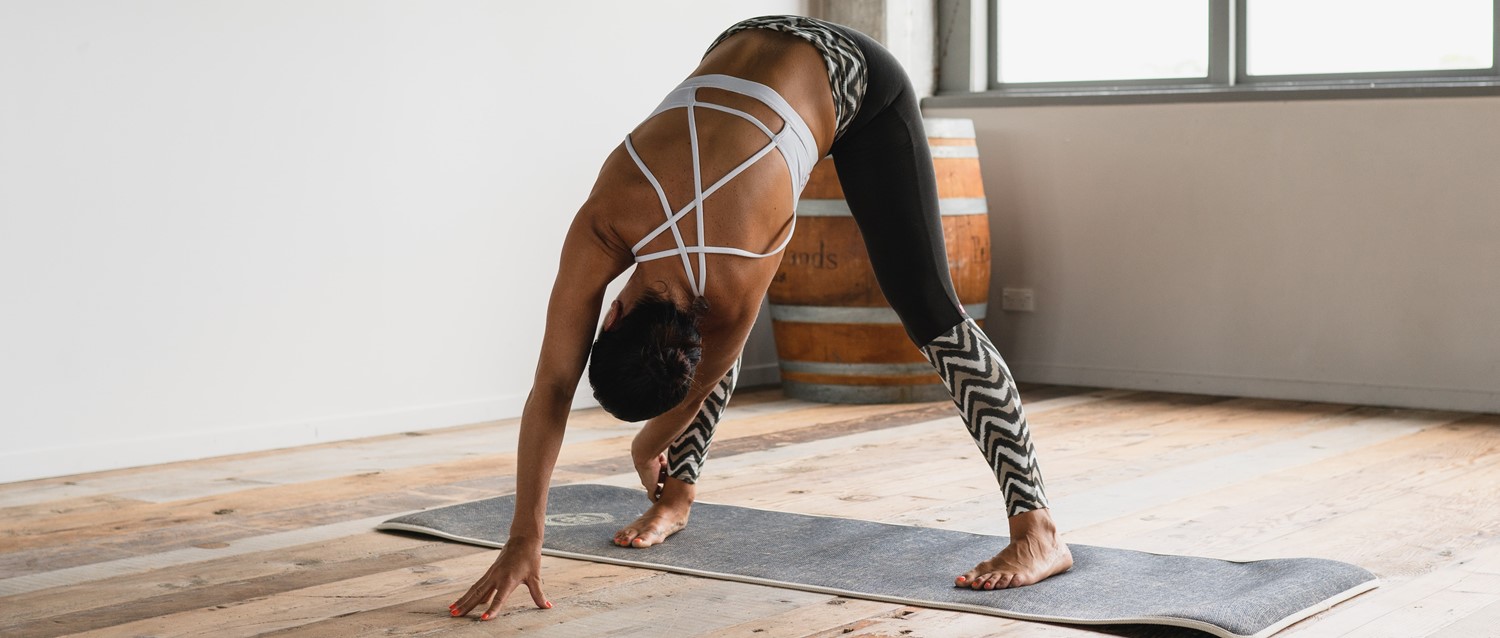
Yoga and Pilates can help you to tone up and keep supple without burning too many calories. They also help if you have joint problems like Arthritis.
Many councils run courses for older or less fit people, so you can start gently.
Exercise improves balance and muscle strength. This cuts the risk of falls, which are a major problem in older patients and can lead to a loss of confidence and independence even if you don't suffer a major injury.
With thanks to 'My Weekly' magazine where this article was originally published.
Patient picks for Fettleibigkeit und Gewichtsverlust
Gesundes Leben
Is Pilates good for weight loss?
Pilates ist bekannt für seine Fähigkeit, die körperliche Kraft, Flexibilität und Ausdauer zu verbessern. Wie bei allen Übungen kann es auch beim Abnehmen helfen. Der Schlüssel zum Einsatz von Pilates zum Abnehmen ist regelmäßiges Training und eine ausgewogene, nährstoffreiche Ernährung, die es Ihnen ermöglicht, ein gesundes Kaloriendefizit zu erreichen.
von Amberley Davis

Gesundes Leben
Wie wirkt sich ein großer Gewichtsverlust auf Ihre psychische Gesundheit aus?
Es ist kein Geheimnis, dass das Erreichen des Zielgewichts, wenn man abnehmen muss, das Selbstvertrauen stärken kann. Aber es ist wichtig, die psychologischen Fallstricke anzuerkennen, die auf dem Weg dorthin auftreten können.
von Abi Millar
Lesen Sie unten weiter
Artikelverlauf
Die Informationen auf dieser Seite werden von qualifizierten Klinikern begutachtet.
20 Jun 2018 | Neueste Version

Fragen, teilen, verbinden.
Durchsuchen Sie Diskussionen, stellen Sie Fragen und teilen Sie Erfahrungen zu Hunderten von Gesundheitsthemen.

Fühlen Sie sich unwohl?
Bewerten Sie Ihre Symptome online kostenlos
Abonnieren Sie den Patienten-Newsletter
Ihre wöchentliche Dosis klarer, vertrauenswürdiger Gesundheitsberatung - geschrieben, um Ihnen zu helfen, sich informiert, selbstbewusst und in Kontrolle zu fühlen.
By subscribing you accept our Datenschutzrichtlinie. Sie können sich jederzeit abmelden. Wir verkaufen Ihre Daten niemals.