
Hypnotherapie bei IBS: die Darm-Hirn-Achse
Begutachtet von Dr Krishna Vakharia, MRCGPZuletzt aktualisiert von Amberley DavisZuletzt aktualisiert 26 Jan 2024
Erfüllt die Anforderungen des Patienten Richtlinien des Patienten
- HerunterladenHerunterladen
- Teilen
- Language
- Diskussion
- Audio-Version
Das Reizdarmsyndrom (RDS) ist eine Darmerkrankung, die Verdauungssymptome wie Durchfall, Verstopfung, Blähungen und Bauchschmerzen verursacht - aber wie kann Hypnotherapie beeinflussen, was in Ihrem Magen vor sich geht? Eine wachsende Anzahl von Forschungen über die wechselseitige Kommunikation zwischen Ihrem Darm und Gehirn zeigt, dass Hypnotherapie bei RDS die Symptome verbessern kann - und die Ergebnisse könnten selbst die größten Hypnose-Skeptiker beeindrucken.
In diesem Artikel:
Videoauswahl für Reizdarmsyndrom
Lesen Sie unten weiter
Hypnotherapy for IBS
Wenn Sie Reizdarmsyndrom (RDS), you have an oversensitive gut that's more prone to digestive issues, like a swollen tummy oder irregular bowel movements. What you feed your gut has a big influence, and for this reason the role of diet in the management of IBS is well-established.
There are also other factors and triggers involved in IBS flare ups - and these span the biological, psychological, and social. Experts believe that anything from early life experiences and trauma to infections and lifestyle can influence IBS. What's more, IBS tends to be more common and severe among people who experience more Stress und Angstzustände1.
Ro Huntriss is a leading dietitian and founder of Fertility Dietitian UK. She explains that, while the relationship between IBS and psychological therapies are discussed less than IBS and diet, the evidence of its effect is growing.
Types of IBS psychotherapies include:
IBS hypnotherapy.
Relaxation therapy.
Psychoeducation.
What happens during IBS hypnotherapy?
IBS hypnotherapy, also called gut-directed hypnotherapy, aims to reduce sensitivity in the gut by addressing any emotional triggers for your symptoms. For many people with IBS, their digestive symptom flare ups go hand-in-hand with stress and poor mental wellbeing. This can be a hard cycle to break - with stress being both a trigger for, and outcome of, digestive discomfort, inconvenience, and pain.
By using positive suggestion, hypnosis may help break this cycle. Not every therapist has the same approach, but your treatment could involve:
Processing any worries that may be triggering IBS symptoms.
Visualising the desired outcome of being symptom-free.
Subconscious suggestions to reduce gut sensitivity and to improve wellbeing.
What is the gut-brain axis?
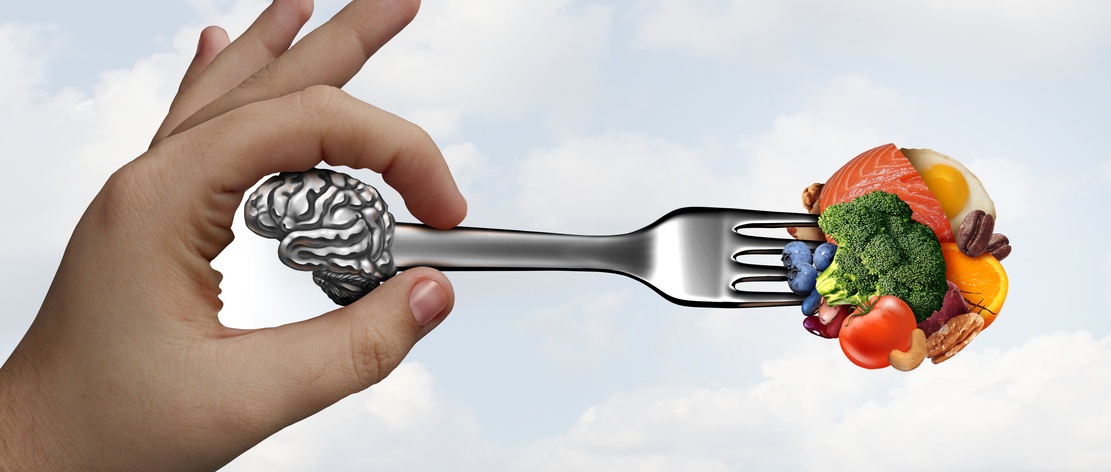
Zurück zum InhaltThe gut-brain axis, also known as the gut-brain connection, is the name for the communication system that connects your gut and your central nervous system in the brain. Hypnosis for IBS is based on this intrinsic and complex relationship.
"The relationship between the gut microbiome and the brain is an area of active research in the field of neuroscience and gut health," says Huntriss. "The gut microbiome refers to the microorganisms living in your digestive system. These microorganisms play a crucial role in various physiological functions, including digestion, nutrient absorption, and the immune system."
Through nerve pathways and signals, information is sent between your brain and gut. It's this gut-brain axis that enables your gut to influence brain function and behaviour.
"For example," says Huntriss, "the microbiome can affect neural signalling and impact mood and brain function. It also interacts with the immune system, affecting inflammation levels that can impact brain health, and influences the production of brain chemicals, such as dopamine and serotonin - which help us feel pleasure and happiness."
Research into this gut-brain axis is growing in popularity, and it's increasingly helping scientists better understand the relationship between IBS and mental wellbeing, and why there's such a high overlap in cases of IBS and psychiatric diseases such as2:
Depression – a condition in 7 out 10 people with IBS.
Anxiety disorders – in up to 5 out of 10 people with IBS.
Lesen Sie unten weiter
Does hypnotherapy work for IBS?
Zurück zum InhaltThere's a growing body of evidence that hypnotherapy for IBS is a viable and effective treatment - both for the digestive symptoms of this condition and related anxiety and depression - because hypnosis allows access to unconscious brain processes involved in the gut-brain axis3.
Psychological interventions – including hypnotherapy and CBT - are recommended by the National Institiute for Health and Care Excellence (NICE) for people with IBS who don't respond to IBS drugs after 12 months.
A snapshot of the research
Hypnotherapy for IBS can significantly improve a wide range of symptoms - einschließlich abdominal pain, flatulence, diarrhoea, Verstopfung, and general wellbeing, according to one meta-analysis of 41 studies4.
It may do this by changing how your unconscious brain perceives your gut sensitivity symptoms5.
Gut-directed hypnotherapy is one of the most effective IBS psychotherapies - it's backed by the strongest pool of evidence, alongside CBT, according to a 2020 review6.
The treatment appears to work even if you're sceptical of hypnotherapy - expectation doesn't affect outcome7.
IBS hypnotherapy needn't be face-to-face with a therapist to work8 - and IBS hypnotherapy apps can also be effective9.
Are there any limitations?
Zurück zum InhaltEveryone is different, and hypnotherapy for IBS isn't one size fits all. While there's no cure, for many people with IBS, making diet, activity, and lifestyle changes recommended by a healthcare professional can be enough to get flare ups under control.
According to experts, it may be that IBS hypnotherapy is most helpful for those living with psychiatric conditions, who have traumatic events in their past, or those lacking social support10.
These are suggestions, not set criteria, and trying hypnotherapy is completely your choice. No matter your decision, Huntriss suggests that psychotherapies for IBS are there to help alongside - and not in replacement of - IBS dietary advice.
"A diet rich in plant foods, prebiotics, and probiotics can help to promote a healthy gut microbiome which in turn can reduce gut sensitivity. IBS dietary strategies, like the low-FODMAP diet und NICE guidelines, are proven to be hugely effective for many people."
Lesen Sie unten weiter
Weiterführende Lektüre
Zurück zum InhaltCreed et al: Outcome in severe irritable bowel syndrome with and without accompanying depressive, panic and neurasthenic disorders.
Császár-Nagy: and Bókkon: Hypnotherapy and IBS: Implicit, long-term stress memory in the ENS?
Black et al: Efficacy of psychological therapies for irritable bowel syndrome.
Donnet et al: Hypnotherapy for irritable bowel syndrome: patient expectations and perceptions.
Hetterich and Stengel: Psychotherapeutic interventions in irritable bowel syndrome.
Patientenempfehlungen für Reizdarmsyndrom
Verdauungsgesundheit
Was ist der Zusammenhang zwischen IBS und Angst?
Das Reizdarmsyndrom (RDS) kann eine Kombination aus Bauchkrämpfen, Durchfall, Blähungen und Verstopfung verursachen. Es ist eine langfristige Gesundheitsstörung, die Ihre Lebensqualität beeinträchtigen kann. Obwohl eine Ernährungsumstellung und bestimmte Medikamente helfen können, können sich schlechte psychische Gesundheit und RDS-Symptome gegenseitig verschlimmern.
von Victoria Raw

Verdauungsgesundheit
IBS diet: foods to eat and avoid
Diet and lifestyle management can be used as a treatment for irritable bowel syndrome (IBS). People with IBS should use a staged approach to try and treat their symptoms. It may be as simple as eating healthily and changing lifestyle factors. There may be slightly stricter and more specific ways to manage symptoms with a plan called the low FODMAP diet.
von Victoria Raw
Lesen Sie unten weiter
Artikelverlauf
Die Informationen auf dieser Seite werden von qualifizierten Klinikern begutachtet.
Next review due: 26 Jan 2027
26 Jan 2024 | Neueste Version
13 Jul 2023 | Ursprünglich veröffentlicht
Verfasst von:
Amberley Davis

Fragen, teilen, verbinden.
Durchsuchen Sie Diskussionen, stellen Sie Fragen und teilen Sie Erfahrungen zu Hunderten von Gesundheitsthemen.

Fühlen Sie sich unwohl?
Bewerten Sie Ihre Symptome online kostenlos
Abonnieren Sie den Patienten-Newsletter
Ihre wöchentliche Dosis klarer, vertrauenswürdiger Gesundheitsberatung - geschrieben, um Ihnen zu helfen, sich informiert, selbstbewusst und in Kontrolle zu fühlen.
Mit dem Abonnieren akzeptieren Sie unsere Datenschutzrichtlinie. Sie können sich jederzeit abmelden. Wir verkaufen Ihre Daten niemals.