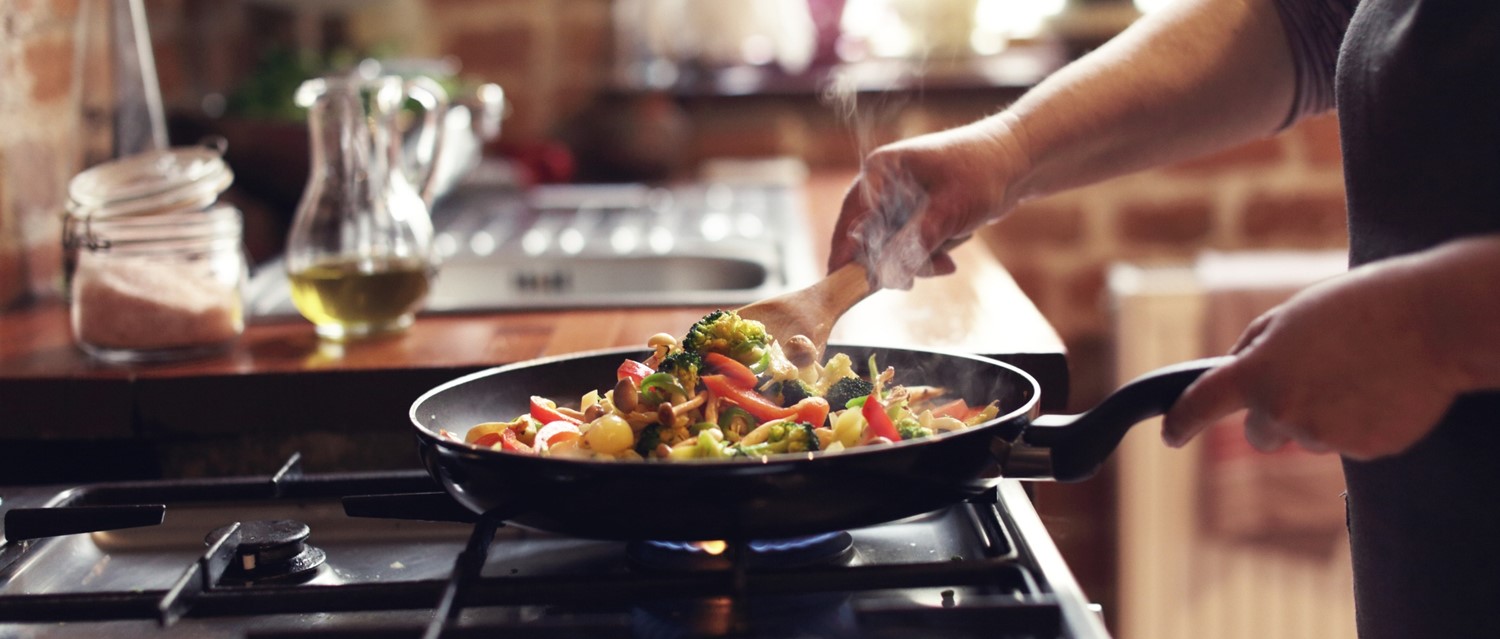
Wie man während des Lockdowns einen gesunden Lebensstil beibehält
Begutachtet von Dr Sarah JarvisVerfasst von Karine Patel, RDUrsprünglich veröffentlicht 22 Feb 2021
Erfüllt die redaktionelle Richtlinien
- HerunterladenHerunterladen
- Teilen
- Language
- Diskussion
- Ask Patient
- Audio-Version
- Zu bevorzugten Quellen bei Google hinzufügen
COVID-19 hat einige bemerkenswerte Veränderungen in unserem Lebensstil bewirkt. Um mit diesen plötzlichen Veränderungen umzugehen, haben viele von uns in unseren Schränken nach Snacks gesucht und mehr gegessen und getrunken, während wir zu Hause saßen. Ein Jahr später haben diese Gewohnheiten dazu geführt, dass sich viele von uns weniger fit fühlen als vor der Pandemie.
So what can we do to curb these new habits, eat more healthily and get back to feeling our best?
How has lockdown affected our lifestyles?
Forschung has shown that a change in daily routine can increase Stress und Angstzustände and this may result in dysfunctional coping behaviour, leading to more comfort eating and emotional eating. It's therefore unsurprising that our lifestyles have changed during the COVID-19 pandemic and especially during periods spent at home in lockdown.
A survey conducted by Ipsos MORI und King's College London found that during the first national lockdown, 35% of people reported eating more food or more unhealthy food than they normally did. Close to 50% said that they put on Gewicht during lockdown. The same percentage reported feeling more stressed or depressed than usual. Almost a third of people said they drank more Alkohol.
Curbing lockdown eating
Whilst comfort food and alcohol may seem like a quick and easy fix for difficult emotions or boredom, they won't actually solve the problem and may make the situation worse.
Madeleine Hawkes, weight management dietician at Nutrition Synergy, recommends taking some time to consider whether or why you're actually hungry in order to eat more intuitively.
"Next time you find yourself heading to the fridge, ask yourself, 'Am I truly hungry?' If not, ask yourself, 'What am I actually hungry for?'"
If you're bored then what you're seeking is stimulation, not food. You could try playing some games like sudoku, or read a book to keep yourself occupied.
If you're feeling low and you're actually hungry for comfort, why not reach out to a friend or run a warm bubble bath?
If you're feeling stressed, get outside for a walk in the fresh air, or try a home workout online in your living room to get the blood pumping. Beweis shows that exercise can really bring stress levels down.
If you're feeling ängstlich, you could try some Meditation apps or Yoga to keep you grounded in the present.
Finding balance during a pandemic
With many of us either working from home, furloughed or possibly out of work, our days have lost their usual structure. This can lead not only to our Schlaf getting disrupted but also to our meal patterns becoming disrupted. Try to maintain your usual routine of meals to increase a sense of normalcy and reduce grazing.
At mealtimes, try to build a balanced diet using these strategies:
Aim for half the plate to be made up of Gemüse. Vegetables are low in calories, a great source of fibre and rich in vitamins and minerals.
A quarter of your plate should be protein, either animal or plant-based. This is the part of the meal that fills you up and keeps you feeling full for longer which helps reduce snacking in between meals.
The remainder of your plate can be made up of complex Kohlenhydrate like wholewheat pasta, brown rice or sweet potatoes. Avoid 'refined' (processed/white) carbohydrates, both sugary and starchy.
For those who find themselves snacking between meals, try to pick some more nutritious alternatives. "It's best to have healthy snacks in the house which are easy to reach for," says Madeleine. "Fruits make an excellent choice for a sweet tooth. Vegetable sticks with hummus, Ryvita crackers with reduced-fat cheese or unsalted roasted nuts are great savoury choices. BBC Good Food has some fantastic snack ideas if you're lacking inspiration."
Bleiben Sie hydriert
The body's cues for thirst due to dehydration can often be confused with hunger. To keep hunger at bay, make sure you're drinking enough. Any drinks, except alcohol, contribute towards your fluid intake, and you'll need more if you're partaking in regular exercise.
"Reduce your intake of sugary drinks and alcohol as these are 'empty calories'," explains Madeleine. "Avoid drinking too many coffees (ideally fewer than four per day) and energy drinks - they can make anxiety worse if drunk in large quantities because of the Koffein they contain. Great choices include sugar-free squash, herbal teas and water with fresh herbs like mint or fruit and vegetables such as cucumber, ginger or grapefruit."
Sei freundlich zu dir selbst
Finally, and most importantly: be kind to yourself. We are living through a global pandemic for which none of us has been prepared. Whatever you are doing to cope during these uncertain times, you are doing the best you can. Self-criticism and blame serve no function other than to make a difficult situation harder. Try to extend the same gentle acceptance and empathy that you would for a friend in the same situation to yourself.
Patientenauswahl für Pandemie-Artikel
COVID-19
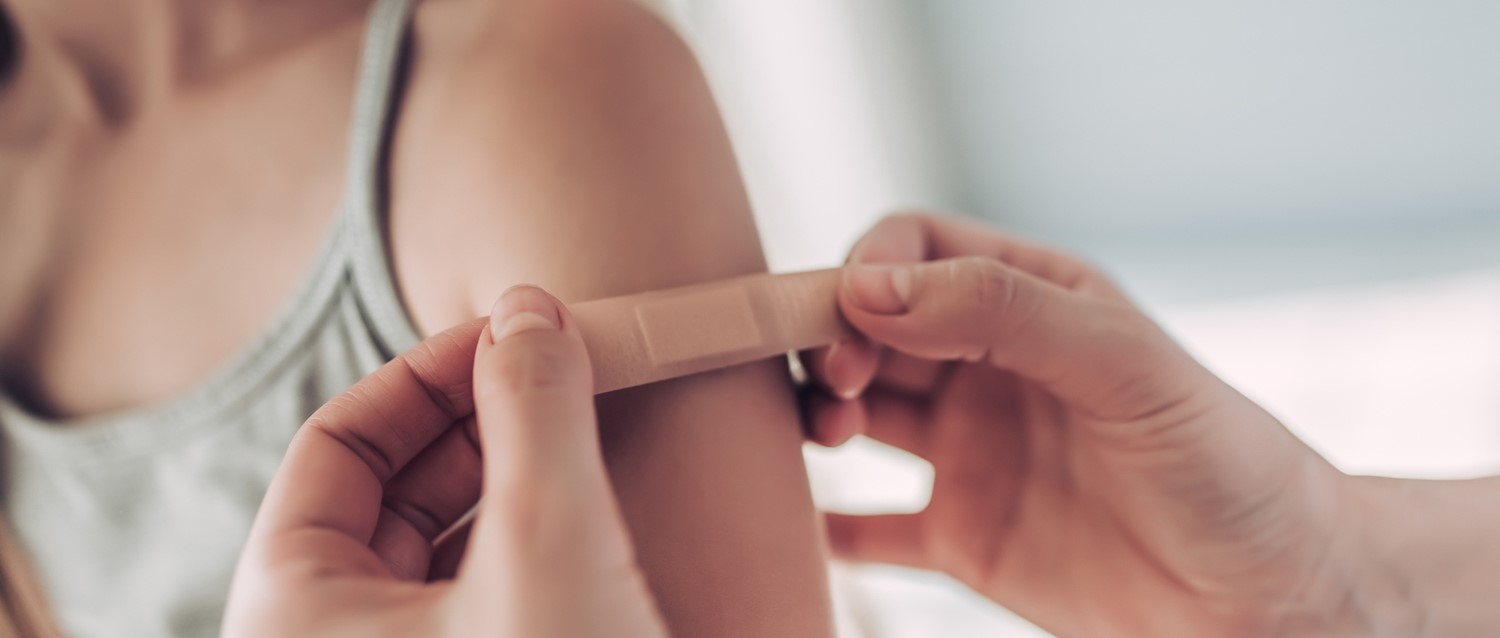
Kann ich während des Lockdowns Routineimpfungen erhalten?
Während wir auf einen COVID-19-Impfstoff warten, sind weiterhin bestehende Impfkampagnen gegen Grippe und vermeidbare Kinderkrankheiten verfügbar. Aber wie lassen sich die Impfungen während des Lockdowns erhalten?
von Ellie Broughton
COVID-19
Was tun, wenn Sie während des Lockdowns Verhütungs- oder Abtreibungsversorgung benötigen
In ganz Großbritannien beginnen die Lockdown-Beschränkungen sich zu lockern, wenn auch in unterschiedlichem Tempo in den vier Nationen. Doch die Veränderung ist langsam, und wir müssen uns alle an eine neue Normalität anpassen. Der Zugang zu Verhütungsmitteln, Abtreibung und sexueller Gesundheitsversorgung war für viele eine Herausforderung – aber es gibt jetzt eine Reihe von Alternativen, um sicherzustellen, dass Frauen die benötigten Dienste erhalten.
von Dr. Sarah Jarvis
Über den AutorVollständige Biografie anzeigen
Verfasst von
Karine Patel, RD
Ernährungsberater und Direktor
RD, MSc
Karine ist Ernährungsberaterin und die Gründerin von Dietitian fit & co, einem privaten Ernährungsberatungsunternehmen mit Standorten in ganz England.
Über den RezensentenVollständige Biografie anzeigen

Dr. Sarah Jarvis
Klinische Beraterin
MA (Cantab), BM, BCh (Oxon), DRCOG, FRCGP, MBE
Nach ihrer medizinischen Ausbildung in Cambridge und Oxford wurde Dr. Sarah Jarvis MBE Hausärztin.
Artikelverlauf
Artikel auch verfügbar in Englisch, Deutsch, Spanisch, Französisch, Italienisch, Portugiesisch, Hindi, Hebräisch, Arabisch, und Schwedisch.
22 Feb 2021 | Ursprünglich veröffentlicht
Verfasst von:
Karine Patel, RDBegutachtet von
Dr. Sarah Jarvis
Teilen Sie Ihre Gedanken oder Erfahrungen mit anderen in unserem Patientengemeinschaften.
Einfacher Zugang zu vertrauenswürdigen Behandlungen und Gesundheitsdiensten online.
Common conditions
Get help with common conditions through the NHS, without a GP appointment.





Abonnieren Sie den Patienten-Newsletter
Ihre wöchentliche Dosis klarer, vertrauenswürdiger Gesundheitsberatung - geschrieben, um Ihnen zu helfen, sich informiert, selbstbewusst und in Kontrolle zu fühlen.
Durch das Abonnieren akzeptieren Sie unsere Datenschutzrichtlinie. Sie können sich jederzeit abmelden. Wir verkaufen Ihre Daten niemals.