Gewichtszunahme
Begutachtet von Dr Caroline Wiggins, MRCGP Zuletzt aktualisiert von Dr Surangi Mendis, MRCGPZuletzt aktualisiert 30. Nov 2023
Erfüllt die Anforderungen des Patienten Richtlinien des Patienten
- HerunterladenHerunterladen
- Teilen
- Language
- Diskussion
- Audio-Version
- Zu bevorzugten Quellen bei Google hinzufügen
In dieser Serie:Fettleibigkeit und GewichtsverlustKindliche FettleibigkeitGewichtsverlustchirurgieOrlistatBauchdeckenstraffung
Gewichtszunahme wird selten einfach dadurch verursacht, dass man mehr isst oder weniger aktiv ist, oft ist es komplizierter als das. Es gibt viele mögliche Ursachen für Gewichtszunahme, und oft spielen mehrere Faktoren eine Rolle. Diese können sozial, kulturell, gesellschaftlich, psychologisch oder medizinisch sein.
Auf einen Blick
Weight gain occurs when you consume more calories than your body uses.
Eating unhealthy foods, certain medical conditions, and medications can also cause weight gain.
Lack of exercise, insufficient sleep, stress, and genetics can contribute to weight gain.
Alcohol and sugary drinks add calories that can lead to weight gain.
Weight gain can be appropriate during pregnancy, recovery from illness, or growth spurts.

Was verursacht Gewichtszunahme?
Most simply, it might be due to taking in more calories through food and drink than your body needs, or not expending enough energy to use it up. However, other factors can also cause weight gain, including eating the wrong types of food, certain medical conditions or medications, genetics, stress, lack of sleep and age.
In certain circumstances weight gain is appropriate and needed. Various causes of weight gain are discussed below in further detail.
Eating too much
Different people have different calorie requirements to keep their weight at the same level. A 20-year-old male athlete, for example, will need to eat more than an inactive older person.
Men and women have different calorie requirements but it also varies by age, ethnicity, activity levels and other differences between individuals. However, regularly eating more calories than your body uses each day will usually, over time, lead to weight gain.
Broadly speaking, adults need between 2,000 and 2,500 kilocalories (kcal) per day, ~2,000 kcal for women and ~2,500 kcal for men, to be moderately active and maintain their weight at a stable level. Both food and drink (see below) contribute to the daily calorie intake.
As a rough rule of thumb, equal amounts of vegetables, lean protein (fish, non-fatty meat, eggs, tofu, etc.) and carbohydrate should be served when portioning meals. This means that each of these food groups would make up one third of the serving plate.
Whereas when trying to lose weight, aim to serve half a plate of vegetables, a quarter of a plate of lean protein and a quarter of a plate of starchy carbohydrates instead.
Eating the wrong things
The quality of what is eaten is as important as the quantity consumed. A large plate of steamed broccoli does not provide the same number of calories as a large plate of cake!
Experts remain divided about whether fat or sugar is the biggest cause of weight gain, but the sensible option is a balanced diet with limited amounts of both sugar and fat. Processed and ultra-processed foods (UPFs) should also be avoided where possible. A processed food is one that has been altered from its original form, usually with added industrial substances and additives to artificially enhance the flavour. Excessive consumption of UPFs has linked to the development of obesity and significantly raises the future risk of type 2 diabetes, heart attacks and strokes.
See the separate leaflet called Gesunde Ernährung.
Alcohol and other drinks
Drinking alcohol regularly adds significantly to your calorie intake. For example, there are approximately:
159 kcal in a medium 175 ml glass of 13% wine.
182 kcal in a pint of 4% lager or beer.
244 kcal in a pint of 5% lager or beer.
216 kcal in a pint of 4.5% cider.
89 kcal in a flute (125 ml) of champagne.
50-60 kcal in a single unit of a 40% spirit (plus any calories in the mixer).
So alcohol can be a cause of weight gain, and reducing or stopping what you drink may be one way of reducing weight gain. However, alcohol is not the only drink that can contribute to your daily calorie intake. Soft drinks and fruit juices can also contain calories you didn't realise you were taking in owing to the sugar content. For example, there are approximately:
139 kcal in a 330 ml can of Coke®.
135 kcal in a 330 ml can of Pepsi®.
55-80 kcal in a 150 ml glass of orange juice.
134 kcal in a 250 ml Innocent® strawberry and banana smoothie.
Not exercising enough
Sedentary lifestyles are thought to be a contributing factor to the increasing problem of Fettleibigkeit in the developed world. Regular exercise has many physical and mental health benefits and is a factor in maintaining weight.
Public Health England advises a minimum of 150 minutes of physical activity each week, in bouts of 10 minutes or more. 30 minutes of exercise five times per week would meet this requirement. This helps to reduce blood sugar and therefore protect against gaining excessive weight.
For more information, see the separate leaflet Physical Activity for Health.
Medical conditions causing weight gain
Some medical conditions make it more likely that you will gain weight. These include:
Conditions which make you less mobile. Anything which means you can't exercise regularly will make it more likely that you will gain weight. For example, if:
You are in a wheelchair due to disability, illness or injury.
You have pain during exercise - for example, from Osteoarthritis.
If you become atemnotiger when you exercise - for example, due to Herzinsuffizienz oder chronisch obstruktive Lungenerkrankung (COPD).
Having an underactive thyroid gland (Hypothyreose).
By treating the condition and/or adapting what you eat accordingly, a healthy weight can still be maintained in the presence of the above-described medical conditions.
Side-effect of a medication
Some medicines may cause weight gain as a side-effect. In some cases it may be possible to swap to another medicine if weight gain results. Some medicines which can cause weight gain include:
Antidepressiva. Any antidepressant can cause weight gain, but some are more likely to do so than others, such as Sertralin, amitriptylin, Mirtazapin und Paroxetin.
Antipsychotische Medikamente for conditions such as schizophrenia.
Lithium, sometimes used as a mood-stabilising medicine.
Some of the treatments used to manage Diabetes. (Some common medicines for diabetes are more likely to cause weight loss however).
Some of the treatments used to manage Epilepsie.
Although weight gain is sometimes thought to be a side-effect of the kombinierte orale Kontrazeptivum (KOK)-Pille und Hormonersatztherapie (HRT), there is no evidence for this effect.
Alter
The number of calories the body needs reduces as we get older - this may be partly due to a drop in level of activity and amount of muscle.
Wechseljahre
Weight distribution often changes at Wechseljahre in women, due to hormonal changes, causing more fat to settle around the tummy area.
Genetik
Being overweight tends to run in families. Some of this may be due to a shared lifestyle, but inherited genes do play a part in weight gain. No single gene is solely responsible. Certain ethnic groups are at higher risk of developing obesity; eg, in 2021, 72% of UK adults from black ethnic groups were overweight or obese compared to 63.5% of the general adult population.
South Asian adults, particularly women, are prone to gaining weight in the tummy area (central obesity) in middle age and this population has higher weight-related risk of disease, for example a greater risk of developing type 2 diabetes or high blood pressure, at a lower body mass index (BMI).
There are also a small number of rare genetic conditions associated with weight gain starting in childhood, for example Prader-Willi syndrome.
Lack of sleep
There is some evidence that tiredness and not getting enough sleep can result in weight gain. Less time spent sleeping increases the hormone ghrelin which results in increased appetite, and reduces leptin leading to a reduced sensation of fullness.
Stress and lifestyle factors
Lifestyle factors can have a bearing on weight. For example, boredom or worries can lead to 'comfort eating'. We eat for many reasons other than hunger. The stress hormone, cortisol, regulates metabolism. High levels of cortisol can increase appetite, resulting in weight gain. However, stress can also cause some others to lose weight.
Certain jobs which involve eating and drinking (bar work, corporate hospitality) might have an effect, as might changing from a job which involves walking around all day to one which involves sitting in an office chair all day.
Social lives may involve eating and drinking, and if you associate with people who eat a lot, or eat out a lot, or drink a lot of alcohol, you may find yourself drawn into the same habits.
Sometimes people who are giving up smoking put on weight as they may replace their cigarette with a snack and consequently eat more.
Appropriate weight gain
At certain times, weight gain can be needed by your body, or can be appropriate. For example:
If you are pregnant. (See also the separate leaflet called Ernährung und Lebensstil während der Schwangerschaft.)
To maintain a normal BMI eg, if you are recovering from a severe illness or anorexia.
Athletes wishing to increase muscle in training.
As children and teenagers grow.
Why does weight gain matter?
Up to a certain point, it doesn't. However if you gain too much weight and your BMI goes above 30, it can cause damage to your health.
You can read about the ways in which your health can be damaged in the separate leaflet called Obesity and Overweight.
What can be done about weight gain?
If you are still within a healthy weight range, then you don't need to do anything other than keep an eye on your weight. A healthy weight range refers to a BMI between 18.5 and 25 for most people. However, this range is lower for most non-white ethnicities, given that individuals from these backgrounds are at higher risk of the problems associated with weight gain such as type 2 diabetes and heart disease.
Within the healthy weight range, a lot of worry about weight and weight gain is fuelled by the media, social media, and (often photo-shopped) pictures of people with 'perfect bodies'. Much of this isn't necessarily realistic or healthy and can be very damaging to your physical and mental health.
Being healthy is far more important to your happiness than having that perfect flat stomach - and people often don't realise that until they are nicht in good health, or someone close to them is not in good health.
However, if your weight gain is taking you out of a healthy weight range then you do need to try to take action in the interests of maintaining good health and being well.
Read the separate leaflet called Gewichtsverlust (Gewichtsreduktion) for information about how to address weight gain in a healthy and sensible way.
You also need to be mentally ready and prepared to lose weight. When you reach this stage, seek support from a GP in your practice or a practice nurse who should be able to sensitively discuss your options further.
Gut health and weight gain
A number of studies suggest that weight gain may be related to the germs in our guts. We all have many millions of germs (microbes - bacteria, fungi, protozoa, viruses, etc) which live inside our guts all the time.
It seems that the balance of these can affect how much food we absorb, and therefore possibly the amount of weight we put on in relation to the calories we eat. For example, some gut microbes may produce hormones involved in appetite regulation.
The balance may be changed by diet, using probiotics and prebiotics, or by medical means, which may help people lose weight. Eating a variety of unprocessed foods containing fibre, fruit, vegetables, pulses and grains is thought to help improve the gut microbiome.
Patientenauswahl für Fettleibigkeit und Gewichtsverlust
Gesundes Leben
BMI-Rechner
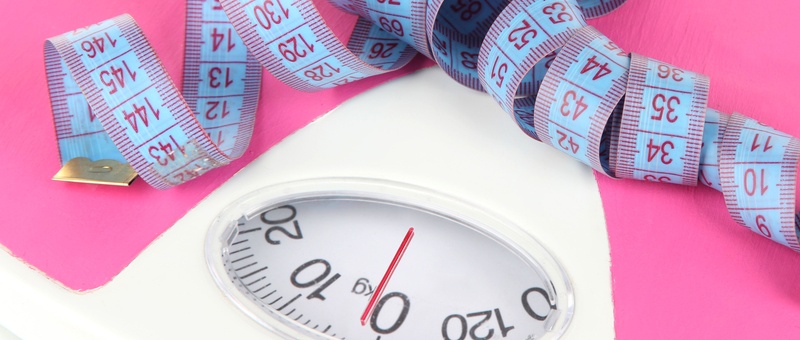
Öffnen Sie den BMI-Rechner. Der BMI (Body-Mass-Index) ist ein Maß für Erwachsene, um zu überprüfen, in welche Kategorie ihre Größe und ihr Gewicht fallen - untergewichtig, gesund oder übergewichtig. Der Rechner gibt Ihnen eine Vorstellung davon, wie Ihr Gewicht im Vergleich zu gängigen Werten steht. Der Body-Mass-Index (BMI) wird berechnet, indem Ihr Gewicht durch das Quadrat Ihrer Größe geteilt wird, oder BMI = Gewicht/Größe².
Gesundes Leben
Unbeabsichtigter Gewichtsverlust
Gewichtsverlust ist oft eine Frage der Entscheidung - wir entscheiden uns, unsere Ernährungs- und Bewegungsgewohnheiten zu ändern, um gesünder zu werden. Wenn es einen klaren und gesunden Grund gibt, ist Gewichtsverlust normal. Unbeabsichtigter Gewichtsverlust ist anders. Dies ist der Fall, wenn eine Person ohne Absicht Gewicht verliert. Es ist wichtig, dies einem Arzt zu melden, damit eine Ursache identifiziert werden kann. Dieses Merkblatt listet einige der häufigeren Ursachen für unbeabsichtigten Gewichtsverlust auf.
von Dr. Caroline Wiggins, MRCGP
Häufig gestellte Fragen
Does being on the combined oral contraceptive (COC) pill or hormone replacement therapy (HRT) cause weight gain?
There is no evidence to suggest that the combined oral contraceptive (COC) pill or hormone replacement therapy (HRT) cause weight gain as a side-effect, although it is sometimes thought to be a cause.
How much physical activity should adults aim for each week?
Public Health England recommends adults get a minimum of 150 minutes of physical activity each week. This can be broken down into bouts of 10 minutes or more. For example, exercising for 30 minutes five times a week would meet this recommendation.
What is the difference between processed and ultra-processed foods (UPFs)?
A processed food is one that has been altered from its original form. Ultra-processed foods (UPFs) are processed foods that usually contain added industrial substances and additives designed to artificially enhance flavour. Excessive consumption of UPFs has been linked to obesity and an increased risk of type 2 diabetes, heart attacks, and strokes.
Can lack of sleep affect my weight?
Yes, there is evidence that indicates tiredness and not getting enough sleep can contribute to weight gain. When you get less sleep, levels of the hormone ghrelin, which increases appetite, can rise, while levels of leptin, which helps you feel full, can decrease. This combination can lead to increased food intake.
How can gut health influence weight gain?
Studies suggest that the balance of microbes (germs like bacteria, fungi, protozoa, and viruses) in our guts can influence how much food we absorb and potentially contribute to weight gain. Some gut microbes may even produce hormones that regulate appetite. Eating a diverse range of unprocessed foods, including fibre, fruits, vegetables, pulses, and grains, is thought to help improve the gut microbiome balance.
Weiterführende Literatur und Referenzen
- UK physical activity guidelines; Gesundheitsministerium
- Dietary Requirements; Britische Ernährungsstiftung
- Davis CD; The Gut Microbiome and Its Role in Obesity. Nutr Today. 2016 Jul-Aug;51(4):167-174. doi: 10.1097/NT.0000000000000167.
- Ells LJ, Demaio A, Farpour-Lambert N; Diet, genes, and obesity. BMJ. 2018 Jan 10;360:k7.
- Fettleibigkeit; NICE CKS, August 2024 (nur für UK-Zugang)
- Aoun A, Darwish F, Hamod N; The Influence of the Gut Microbiome on Obesity in Adults and the Role of Probiotics, Prebiotics, and Synbiotics for Weight Loss. Prev Nutr Food Sci. 2020 Jun 30;25(2):113-123. doi: 10.3746/pnf.2020.25.2.113.
- Caleyachetty R, Barber TM, Mohammed NI, et al; Ethnicity-specific BMI cutoffs for obesity based on type 2 diabetes risk in England: a population-based cohort study. Lancet Diabetes Endocrinol. 2021 Jul;9(7):419-426. doi: 10.1016/S2213-8587(21)00088-7. Epub 2021 May 11.
- Andersen MM, Laurberg T, Bjerregaard AL, et al; The association between sleep duration and detailed measures of obesity: A cross sectional analysis in the ADDITION-PRO study. Obes Sci Pract. 2022 Oct 21;9(3):226-234. doi: 10.1002/osp4.640. eCollection 2023 Jun.
- Overweight adults, Ethnicity facts and figures - from gov.uk
- Durrer Schutz D, Busetto L, Dicker D, et al; European Practical and Patient-Centred Guidelines for Adult Obesity Management in Primary Care. Obes Facts. 2019;12(1):40-66. doi: 10.1159/000496183. Epub 2019 Jan 23.
Über den AutorVollständige Biografie anzeigen

Dr Surangi Mendis, MRCGP
Berater und Medizinischer Autor
MBBS, BSc (1st), MRCGP (2014), DFSRH, PGcert otology and audiology
Surangi Mendis ist Beraterin für Audiovestibuläre Medizin und Neuro-Otologie an den Royal National ENT und Eastman Dental Hospitals, UCLH.
Über den RezensentenVollständige Biografie anzeigen

Dr Caroline Wiggins, MRCGP
Allgemeinmediziner, Medizinischer Autor
MBBS Auszeichnung (mit Auszeichnung), MRCGP (2016), MSc.SEM (mit Auszeichnung), BSc (Hons)
Dr. Caroline Wiggins ist derzeit als Vertretungsärztin im Südwesten Englands tätig.
Artikelverlauf
Die Informationen auf dieser Seite wurden von qualifizierten Klinikern verfasst und begutachtet.
Artikel auch verfügbar in Englisch, Deutsch, Spanisch, Französisch, Italienisch, Portugiesisch, Hindi, Hebräisch, Arabisch, und Schwedisch.
Next review due: 28 Nov 2028
30. Nov 2023 | Neueste Version

Fragen, teilen, verbinden.
Durchsuchen Sie Diskussionen, stellen Sie Fragen und teilen Sie Erfahrungen zu Hunderten von Gesundheitsthemen.

Fühlen Sie sich unwohl?
Bewerten Sie Ihre Symptome online kostenlos
Abonnieren Sie den Patienten-Newsletter
Ihre wöchentliche Dosis klarer, vertrauenswürdiger Gesundheitsberatung - geschrieben, um Ihnen zu helfen, sich informiert, selbstbewusst und in Kontrolle zu fühlen.
Durch das Abonnieren akzeptieren Sie unsere Datenschutzrichtlinie. Sie können sich jederzeit abmelden. Wir verkaufen Ihre Daten niemals.