Psychische Gesundheit: Ihre Symptome im Blick behalten und frühzeitig intervenieren
Begutachtet von Dr Sarah JarvisZuletzt aktualisiert von Ellie BroughtonZuletzt aktualisiert 6 Nov 2020
Erfüllt die Anforderungen des Patienten Richtlinien des Patienten
- HerunterladenHerunterladen
- Teilen
- Language
- Diskussion
- Audio-Version
- Zu bevorzugten Quellen bei Google hinzufügen
Die psychische Gesundheit kann im Herbst und Winter oft einen kleinen saisonalen 'Einbruch' erleben, und angesichts zusätzlicher Stressfaktoren in diesem Jahr ist das Risiko für psychische Probleme für uns alle höher. Bereiten Sie sich auf schwierige Tage vor, indem Sie herausfinden, wie Sie leichte Symptome verfolgen und behandeln können, und wissen, wann Sie Hilfe suchen sollten.

Most of us could name a year in our lives when it seemed like everything that could have gone wrong, did. Now, finally, we've experienced one year in which uncertainty and disappointment have hit us all at once.
That said, some of us have had more to cope with than others. Most of us have had to change the way we work but many have lost jobs or income, some without any financial or pastoral support.
Worse, some of us have faced serious ill health - COVID-19 or otherwise - and some have been bereaved. Being separated from friends and family, and being unable to hold or attend memorials as we normally would, have made these losses particularly painful.
Worsening mental health
Dr Susie Rudge, an NHS clinical psychologist and a director at the Workplace Wellbeing Group, says that patients with existing mental health problems might have faced a flare-up this year. (A Bericht by the Mental Health Foundation found that people with prior experience of a mental health problem have been more likely to experience anxiety, panic, and hopelessness in lockdown compared with people with no prior experience.)
"COVID-19 was sort of the catalyst, if you like,” she says. "They lost a job, for example, or being isolated. It's created an increase in referrals for people who were coping OK before March."
COVID-19 doesn't usually create serious mental health problems out of nowhere, she adds, so there's no need for most people to worry about a sudden crisis.
Most years in mental health support services it's typical to have a 'quiet' summer and for services to get busier in the autumn, Dr Rudge says. During the summer, being outside and spending time with friends can lift a person's mood.
This year that effect will be more pronounced. Some people might have avoided seeking help during lockdown and the first wave of COVID-19 infections, out of fear of catching COVID-19 at their GP surgery, hospital or pharmacy, or from community health visits.
Tracking symptoms
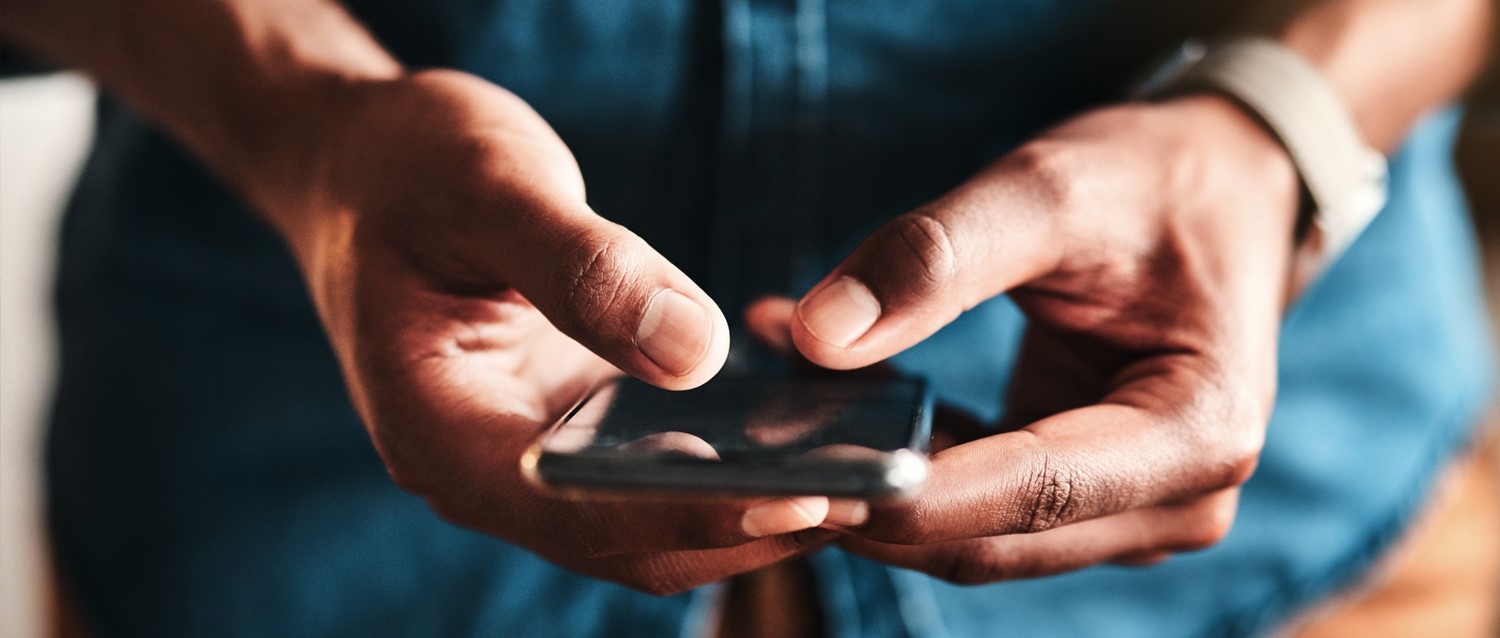
If you're someone who experiences fluctuating moods or certain factors like sleep have a big impact on your mental health, you might benefit from using a tracker. Some people find that tracking factors like mood and behaviour can give them more control over managing their mental health.
Mood tracking
Natasha Rea, who's written a memoir about her experience with bipolare disorder, uses three types of mood tracking.
"I use an app called eMoods to track my daily moods, and I keep a mood journal. I also use a mood chart for my son so he can tell by the colours and numbers where my mood is."
Samantha Smirin, a coach with experience of bipolar, says she recommends trackers to her clients.
"Mood trackers are beneficial for both the sufferer and treating psychiatrist in watching how depression can move from minor, moderate to severe and equally how elevation of mood can be tracked," she says. "It is useful for a patient to share with the treating psychiatrist to monitor mood changes over time. I have personal experience with using the mood chart, and I recommend mood trackers to my clients."
You can track factors by using a pen and paper or a spreadsheet, and there are also apps available. For people struggling with schlechter Schlaf, for example, the NHS recommends Sleepio, which includes a 'sleep diary' for tracking your rest.
Recording habits
You can also use non-clinical apps to record habits that support your mental well-being (such as sleeping well, seeing friends, exercising, meditating or getting out in nature). Daylio is not a clinical app but it does give users a fully customisable diary with daily reminders. It offers a good way to set up reminders and records of habits you want to keep.
Samuel Bednar, Daylio’s co-founder, says: "Daylio is not a replacement for mental health specialists and we do not recommend switching from human interaction to any application or piece of software.
"But we intended Daylio for people who struggle with traditional journalling. Anybody can create a daily entry simply by two taps. The first one represents the mood. This is covered on a simple five-point scale. The second one is for activity or activities connected to the mood or day. The simplicity of principle also allows a very high level of personalisation."
But be aware, there's no evidence yet that tracking mood actually affects how you feel, and in conditions like bipolar depression experts have called for more research into its effect.
Early interventions
Keeping a record of healthy habits can also be a good way of noticing when you're not doing so well. For example, if you're not talking to friends, not sleeping well or struggling to find the energy to get out for walks, these can be taken as signs that your mental health isn't at its best.
Students
Students might want to use the Student Health App, recommended by the NHS. It includes a section on 'warning signs' that lists examples of worsening mental health (such as feeling depressed, losing interest in things you normally enjoy, losing a sense of reality).
Sharing
If you know what the signs are that your mental health is getting worse, it can help to share them with a family member or a friend, or to make a plan for what to do if you notice you're struggling. (If you have a chronic mental health diagnosis, a care coordinator may put a care programme together with you.)
Identifying depression
If you're worried that you might be deprimiert, and you’re wondering whether you should tell your doctor, Patient's quiz can help you work out how serious your symptoms are at the moment and how to seek help.
Seeking help
GPs are available for appointments - in video, over the phone and if necessary in person - if you need more support with your mental health. Phonelines like Samaritans are open to those on waiting lists for therapy who need someone to talk to now.
In the meantime, organisations like the Mental Health Foundation and the BMA have called on the Government to publish a long-term plan for NHS mental health services' recovery. Public awareness of the need for investment in mental health has never been greater.
Patientenauswahl für Mentales Wohlbefinden

Psychische Gesundheit
Noch nicht ganz 'zurück zur Normalität': Ein Leitfaden zur post-pandemischen Familienheilung
Als im späten Jahr 2019 die Nachricht verbreitet wurde, dass sich ein Virus schnell auf der ganzen Welt ausbreitet, wurde das Wort „beispiellos“ in den folgenden Monaten schnell Teil des alltäglichen Wortschatzes. Der Ausbruch von Covid-19 markierte die bedeutendste öffentliche Gesundheitskrise der Welt seit mindestens einem Jahrhundert und erschütterte die Grundlagen des einen Ortes, an dem wir uns normalerweise am sichersten fühlen – das Zuhause. Es ist keine Überraschung, dass Jahre disruptiver Routinen einen bleibenden Eindruck auf die Familie hinterlassen haben. Vom plötzlichen Verlust von Unterstützungsnetzwerken bis hin zur Verschmelzung der Grenzen zwischen Zuhause, Schule und Arbeit hat die Pandemie die Funktionsweise von Familien neu gestaltet. Wir haben mit einem Psychotherapeuten gesprochen, um diese langfristigen psychologischen Auswirkungen zu erforschen und warum es wichtig ist, auf diese Zeit zurückzublicken, um die Familienstruktur heute zu verstehen – und zu heilen.
von Victoria Raw

Psychische Gesundheit
Warum unsere Gehirne von schlechten Nachrichten fasziniert sind
In einer Welt, in der jedes globale und lokale Ereignis durch soziale Medien und 24-Stunden-Nachrichtenzyklen verstärkt wird, scheint das Abschalten nahezu unmöglich. Sensationalisierte Schlagzeilen dominieren unsere Feeds und lassen positive Geschichten oft unbeachtet. Dieser ständige Informationsstrom kann überwältigend und sogar schädlich für unsere mentale Gesundheit sein. Aber warum sind wir darauf programmiert, uns mehr auf schlechte Nachrichten als auf gute zu konzentrieren?
von Victoria Raw
Über den Autor

Ellie Broughton
Über den RezensentenVollständige Biografie anzeigen

Dr. Sarah Jarvis
Klinische Beraterin
MA (Cantab), BM, BCh (Oxon), DRCOG, FRCGP, MBE
Nach ihrer medizinischen Ausbildung in Cambridge und Oxford wurde Dr. Sarah Jarvis MBE Hausärztin.
Artikelverlauf
Die Informationen auf dieser Seite werden von qualifizierten Klinikern begutachtet.
Artikel auch verfügbar in Englisch, Deutsch, Spanisch, Französisch, Italienisch, Portugiesisch, Hindi, Hebräisch, Arabisch, und Schwedisch.
6 Nov 2020 | Neueste Version
6 Nov 2020 | Ursprünglich veröffentlicht

Fragen, teilen, verbinden.
Durchsuchen Sie Diskussionen, stellen Sie Fragen und teilen Sie Erfahrungen zu Hunderten von Gesundheitsthemen.

Fühlen Sie sich unwohl?
Bewerten Sie Ihre Symptome online kostenlos
Abonnieren Sie den Patienten-Newsletter
Ihre wöchentliche Dosis klarer, vertrauenswürdiger Gesundheitsberatung - geschrieben, um Ihnen zu helfen, sich informiert, selbstbewusst und in Kontrolle zu fühlen.
Durch das Abonnieren akzeptieren Sie unsere Datenschutzrichtlinie. Sie können sich jederzeit abmelden. Wir verkaufen Ihre Daten niemals.
Mehr zur psychischen Gesundheit
- Körperpositivität: 7 tägliche Gewohnheiten für Selbstliebe und Akzeptanz in jedem Alter
- Könnte die Energiekrise eine psychische Gesundheitskrise auslösen?
- Könnte Ihre 'Morgenangst' ein Zeichen der Perimenopause sein?
- Wie Sie Ihrem Kind helfen, mit Stress und Sorgen während Weihnachten umzugehen
- Wie man mit dem Tod eines Haustiers umgeht
- Wie man den Cortisolspiegel senkt: 10 bewährte Methoden
- Wie man Depressionen im späteren Leben vorbeugt
- Wie man jemanden mit Depressionen unterstützt
- Ist ASMR das Geheimnis für sensorisches Glück?
- Ist Weihnachtsmusik gut oder schlecht für Ihre psychische Gesundheit?
- Leben mit posttraumatischer Verbitterungsstörung
- Eltern-Burnout: Ihr Leitfaden zum Verstehen und Überwinden
- Umgang mit Einsamkeit während der Weihnachtszeit
- Der Stranger Things-Effekt: Warum Nostalgie Verbindung schafft und unsere Stimmung verbessert
- Unkonventionelle Heilmethoden: Der Aufstieg alternativer Therapien
- Video: Warum werden Menschen depressiv?
- Was ist der Zusammenhang zwischen IBS und Angst?
- Warum uns der 'Weihnachtswahn' stresst