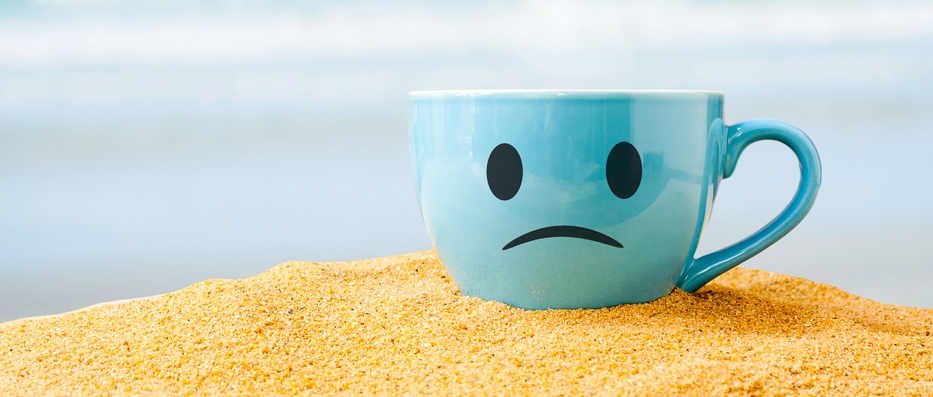
Why do some people experience summer anxiety?
Peer reviewed by Dr Colin Tidy, MRCGPLast updated by Lynn StephenLast updated 21 May 2026
Meets Patient’s editorial guidelines
- DownloadDownload
- Share
- Language
- Discussion
- Audio Version
- Add to preferred sources on Google
You've probably heard of the winter blues, but did you know that summer anxiety is also possible? If you've ever felt panicky during summer, you aren't alone and, fortunately, there are ways of managing these feelings.

Is summer anxiety real?
Elena Touroni, a consultant psychologist and co-founder of The Chelsea Psychology Clinic, London, explains that summer anxiety might be a sign of seasonal affective disorder (SAD) or 'reverse' SAD. Seasonal affective disorder is the term used to describe a change in the seasons that triggers anxiety in people. This mostly occurs during late autumn and wintertime, and it is thought to be caused by a lack of light.
However, seasonal anxiety isn't just an issue during winter. Despite the warmer months being a happy time for many - school's over, the sun's shining, and the BBQs are out - summertime sadness can take a real toll on mental health.
While summer SAD isn't medically recognised or diagnosed, there are a number of reasons why someone might feel down or find that existing mental health conditions worsen during summer. It's important to investigate the possible causes to uncover why you might feel this way so you can seek help.
Why do people get summer anxiety?
Touroni says that people can develop anxiety for different reasons, but the main underlying core belief of any anxiety disorder is an exaggerated sense of vulnerability in the world.
When it comes to summertime anxiety specifically, this can be triggered by different factors, including:
Increased temperatures.
Added pressures to socialise.
Fear of missing out.
Holiday stress.
Back to school or work worries.
According to Mental Health UK, there are biological reasons why you might feel 'hot and bothered' in extreme temperatures. For example, changes in melatonin experienced in the summer months affect your daily sleep patterns (circadian rhythms), which can lead to trouble sleeping and, as a result, weakness and reduced mood.
The heat in particular can have an effect on pre-existing anxiety, as rising temperatures can cause higher levels of cortisol - your primary stress hormone. In turn, this might lead to heart palpitations, nausea, and fatigue.
They add that these symptoms of anxiety can feel similar to a panic attack, which might make us more anxious when we notice them. Humidity may also cause symptoms of dizziness and dehydration.
What's the difference between summer anxiety and winter anxiety?
Touroni explains that summer anxiety and winter anxiety differ in the sense that the triggers might be different. However, the symptoms are likely to be the same.
These symptoms include:
Persistent low mood.
Low self-esteem.
Lack of motivation.
Becoming less sociable.
Feeling irritable.
Loss of pleasure in things you previously enjoyed.
Tearfulness.
Becoming less active.
Sleeping for longer periods of time - or struggling to sleep at all.
Difficulty concentrating.
Increased appetite.
Can holidays also be anxiety-inducing?
As mentioned above, holidays can cause additional stress over summer. While we tend to think of getaways as a time to switch off and relax, they definitely have the potential to make us anxious.
"If someone already struggles with anxiety, the pressures of organising a holiday and for everything to be 'just right' can trigger anxious thoughts and feelings," says Touroni. "Likewise, some people struggle with going off the grid or taking time off, so the lack of distractions on holiday can actually be a trigger too."
The planning process for a holiday often includes booking accommodation, arranging travel, organising childcare, packing, and sorting out finances. All these combined can lead to feelings of stress and panic. Likewise, while you are on holiday, it's understandable that you may worry about what's going on back at home or feel agitated by the change to your daily routine.
Some tips for easing holiday anxiety include:
Utilise your calendar to add some structure to your days.
Budget beforehand.
Address fears of travelling.
Research the area before going.
Have emergency contacts to hand at all times.
How to manage summer anxiety
Fortunately, as draining as summer anxiety can be, there are ways of managing it.
Tourin's tips for managing summer anxiety:
Start your day off right
This might include short mindfulness meditation to relieve stress, some yoga, a prayer, breathing exercises, or perhaps even a journaling activity. Beginning your day with some self-reflection and focusing on the moment can make your worries feel less significant.
Take part in grounding exercises
A quick grounding exercise can help bring you back into your senses. An example is to stop what you're doing and list five things you can hear, four things you can see, three things you can touch, two things you can smell, and one thing you can taste.
Establish an exercise routine
You don't need to be a gym fiend to benefit from exercise, and physical activity needn't be solely about getting hot and sweaty or building muscle. Regular exercise offers a range of mental benefits, as it ensures the release of endorphins in the body, helping to boost your mood and promote feelings of positivity. If weights and treadmills aren't your thing, a walk in the fresh air can do the world of good.
Create a self-soothing toolkit
In moments of intense anxiety - such as panic attacks - it's easy to become overwhelmed and develop feelings of not being able to cope. Therefore, it's a good idea to establish a personal 'toolkit' that you can refer back to. You should remember that, once you have this, it isn't going anywhere, and you will always have the skills and knowledge to challenge your anxiety.
Your 'toolkit' might include breathing exercises, activities for distraction, relaxing music, comfort foods, or having that one friend on speed dial who will listen to you.
When should you see a doctor about anxiety?
If your anxiety has started to interfere with your daily life, your ability to perform everyday tasks, and your relationships, it's important to seek professional help. Don't wait until you feel worse.
Your GP is a good starting place, as they can signpost helpful resources, make referrals for counselling, and prescribe anti-anxiety medicine if needed.
Other helpful resources are:
Patient picks for Seasonal affective disorders
Mental health
Seasonal affective disorder
Seasonal Affective Disorder (SAD) is a type of depression that happens during winter when daylight is reduced, with symptoms improving again in spring. Winter blues or sub-syndromal SAD (S-SAD) is a less severe form of the condition. This leaflet explains what causes SAD, symptoms to look out for, and how to treat it.
by Dr Caroline Wiggins, MRCGP
Travel and vaccinations
How to deal with holiday anxiety
Holidays are supposed to be a welcome break from the stress and strain of work and life. Away from emails, deadlines and more, it's a chance to relax - but for some, going away can trigger anxiety.
by Lydia Smith
Frequently asked questions
What are some practical ways to cope with the increased pressure to socialise during the summer months if I'm feeling anxious?
The article mentions that added pressures to socialise can be a trigger for summertime anxiety. While it doesn't offer specific strategies for managing social pressure, general anxiety management techniques like grounding exercises, establishing an exercise routine, and having a self-soothing toolkit can be helpful. These tools can help you manage anxious feelings when they arise, even in social situations.
The article mentions 'fear of missing out' as a trigger for summer anxiety. How can I address this feeling?
While the article identifies 'fear of missing out' (FOMO) as a trigger, it doesn't provide specific advice on how to directly address this. However, the general recommendations for managing anxiety, such as starting your day with mindfulness, utilising a calendar for structure, and focusing on self-care, could indirectly help in reducing the impact of FOMO by promoting a sense of control and well-being.
How can changes in daily routine during summer, especially with school holidays or time off work, contribute to anxiety?
Changes to daily routine, such as those experienced during holidays, can make you anxious because they disrupt the familiar structure you're used to. This can lead to worries about what's going on at home or simply feeling agitated by the unexpected adjustments to your normal schedule. Maintaining some structure, for example by using a calendar, can be beneficial.
Are there specific types of 'comfort foods' that are recommended for a self-soothing toolkit during moments of intense anxiety?
The article suggests including 'comfort foods' as part of a self-soothing toolkit for managing intense anxiety, but it does not specify any particular types of food. The idea is to have items that personally bring you comfort and help you cope during overwhelming moments, rather than a medically recommended list.
About the authorView full bio

Emily Jane Bashforth
Feature Writer
NCTJ
Emily is a Feature Writer with Patient, writing articles on a variety of topics relating to health and well-being.
About the reviewerView full bio

Dr Colin Tidy, MRCGP
General Practitioner, Medical Author
MBBS, MRCGP, MRCP (Paediatrics), DCH
Dr Colin Tidy is an NHS Doctor, based in Oxfordshire.
Article history
The information on this page is peer reviewed by qualified clinicians.
Article also available in English, German, Spanish, French, Italian, Portuguese, Hindi, Hebrew, Arabic, and Swedish.
Next review due: 21 May 2029
21 May 2026 | Latest version
25 Aug 2022 | Originally published
Authored by:
Emily Jane Bashforth
Join the conversation
Share your thoughts or experiences with others in our patient communities.

Ask, share, connect.
Browse discussions, ask questions, and share experiences across hundreds of health topics.

Feeling unwell?
Assess your symptoms online for free
Sign up to the Patient newsletter
Your weekly dose of clear, trustworthy health advice - written to help you feel informed, confident and in control.
By subscribing you accept our Privacy Policy. You can unsubscribe at any time. We never sell your data.
More in mental health
- Alarming' rise in self-harm in young people
- Can anxiety cause cancer?
- Connections between 'clean eating' and orthorexia
- Do holidays help or hinder depression?
- Does stress cause weight gain?
- Does stress make skin problems worse?
- Grief and young people: how to cope with loss
- How do stereotypes prevent Black people from seeking help for eating disorders?
- How peer support can help boost your mental health
- How to deal with holiday anxiety
- How to deal with negative body image in the summer
- How to get over your fear of the dentist
- Is the term 'wellness' problematic?
- Quiz: Do I have OCD?
- Thalassophobia: how to manage your fear of the ocean
- The health benefits of seawater
- What it's like to have postnatal OCD
- What it's really like to have OCD
- What should I do if I feel suicidal?
- Why new year's resolutions fail - and what you can do about it