How to build muscle mass after weight loss treatment
Peer reviewed by Dr Colin Tidy, MRCGPAuthored by Victoria RawOriginally published 18 Sept 2025
Meets Patient’s editorial guidelines
- DownloadDownload
- Share
- Language
- Discussion
- Audio Version
- Add to preferred sources on Google
Losing a significant amount of weight - especially if it happens too quickly - can have a negative impact on your muscle health. Your body may break down muscle tissue to use as energy, leaving you weaker and less resilient. That’s why it’s important to focus on rebuilding and strengthening your muscles, so you can restore what was lost and support your long-term health.
How does weight loss treatment affect muscle mass?
Weight loss treatments - such as injections - work by reducing your appetite, helping you feel fuller for longer, or limiting how much fat your body absorbs. If you’re using these treatments, you’ll likely notice faster results compared to conventional methods of weight loss. The same applies to those who undergo weight loss (bariatric) surgery.
While losing weight quickly might seem appealing, it isn’t always ideal for your muscles. When your body sheds weight too fast, it may break down muscle tissue for energy, as it's easier to access than fat. This can lead to a loss of muscle strength, which is why it’s especially important to focus on supporting and reinforcing your muscle health during periods of accelerated weight loss.
Helen O'Leary, physiotherapist and clinical Pilates expert, Complete Pilates, London, UK explains that many people who are on the weight loss injection Ozempic - for example - will lose around 5-10% of their body weight within the first year.
“Weight loss obviously comes with lots of health benefits,” she says. “But losing weight very rapidly can also reduce your muscle mass and bone density as well as lower your resting metabolic rate.”
Resting metabolic rate (RMR)
O’Leary explains that your resting metabolic rate is the number of calories your body needs to carry out essential, involuntary functions - such as breathing - while at rest.
She says: “A lower RMR leads to sarcopenia, which is typically linked to ageing and where muscle mass, strength and function reduces. The difficulty at the moment is knowing how much muscle mass people are losing on weight loss injections, as just as with any weight loss programme, they will not only be losing excess body fat.”
O’Leary adds that the main challenges to rebuilding muscle mass usually include:
Training that’s either too light or too intense.
Lack of proper rest and recovery.
Poor nutrition - not enough calories, protein, or key nutrients.
Excessive cardio.
How to start building muscle after weight loss
Once your initial weight loss treatment has stabilised and you’ve been cleared by a medical professional, you can begin incorporating a muscle-building routine into your daily schedule.
O’Leary emphasises that it’s crucial to discuss exercise with your healthcare provider from the very beginning of your weight loss treatment plan.
“They will be able to factor this into decision-making and ensure they tell you when it is appropriate to start,” she says.
Building muscle with resistance and strength training
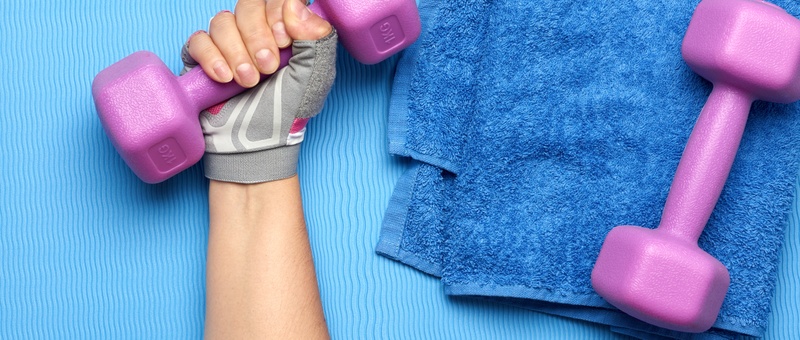
O’Leary suggests focusing on resistance and strength training as the most effective forms of exercise during weight loss interventions. These exercises help you maintain your muscle mass while boosting your metabolism, so you burn more calories - even when you’re at rest.
“Within resistance training, you need to ensure that you are giving yourself adequate rest periods - not just between sets but between workouts,” she says. “This will ensure appropriate recovery time for your muscles to recover and grow. Depending on your starting level, the resistance can be body weight, dumbbells, or using equipment such as in a Pilates studio.
“Start with gentle strength training two or three times a week to allow for muscle recovery and growth.”
O’Leary warns that if you are not familiar with lifting weights, you should seek guidance from a qualified professional, such as a physiotherapist or personal trainer.
“Doing this with a qualified person who can help you focus on compound movements,” she explains. “These are moves that target multiple muscle groups at the same time - such as squats and deadlifts - which ensure maximum muscle engagement.”
She adds that, because these exercises can be complex, having a professional supervise you means you’re less likely to injure yourself. They can also advise on the right time to increase resistance, and help you stay consistent with your routine.
What to eat for muscle growth and recovery
O’Leary proposes that, in addition to a fitness professional, you should consider working with a dietitian to make sure you’re getting the right amount of calories and protein for your individual needs.
Helena Barham-Coppola is a London-based nutritional therapist and founder of Nourish&Be. She points out that the recommended protein intake is 0.75 grams per kilogram of body weight per day. In simpler terms, if you weigh 70 kilograms, you should aim for at least 60 grams of protein daily.
“Protein is really important for muscle building, as well as supporting connective tissue,” Barham explains. “If your goal is to build muscle, you might want to aim for 1-1.2 kilograms of protein a day.”
She cautions that exceeding this amount can be harmful, placing extra strain on your body’s sensitive organs - such as the kidneys. For this reason, she rarely recommends relying on supplements such as protein powders.
Barham recommends choosing wholesome, protein-packed foods to meet your daily protein needs.
She says: “Think high protein snacks, such as nuts, boiled eggs, prawns, and chicken slices. Centre meals around a good source of protein - for example, steak, meat stews, grilled fish, tofu or tempeh. Replace the ‘emptier’ foods, such as pasta, bread, potatoes, with more protein sources.
“Including complex carbohydrates is really important for energy, especially if someone is training a lot. If you have to, go for a protein shake, but don’t rely on it as a primary source of protein. It’s more of a backup option when you need it, as whole foods are always better for health.”
Barham also highlights these additional nutrients to support muscle building:
Vitamin C - to support collagen synthesis, found in kiwis, blackcurrants, oranges, strawberries, broccoli.
Magnesium - for muscle function and relaxation, found in pumpkin and sunflower seeds, spinach, kale, dark chocolate.
Zinc - for protein synthesis, found in oysters, pumpkin seeds, cashews, dark chocolate.
Vitamin D - for muscle contraction and supporting bone health, found in eggs, mushrooms, fish. In the UK, the NHS advises taking a daily vitamin D supplement during the months from October to March.
A variety of B vitamins - found in eggs, fermented dairy, leafy green vegetables, such as spinach, and kale, nuts and seeds, nutritional yeast.
“Consider a good quality wholefood multivitamin if you are really keen to take something - but always try to get nutrients from your diet first,” she adds. “And please do not underestimate the importance of rest and recovery - not doing so is a fast track to hormone dysregulation.”
What is body recomposition?
Body recomposition happens when you shed fat and gain muscle at the same time.
O’Leary explains that this process is usually achieved through a programme of targeted exercise and diet.
“In general, strength training will help you build muscle, cardio will help reduce fat, and eating enough protein - while maintaining a slight calorie deficit - supports both goals,” she says.
“It is important to understand that this is a slower process than traditional weight loss, so consistency in your training and diet is key to achieving it. This is a great tool for beginners, older adults, or those with overweight.”
Barham describes body recomposition as a somewhat problematic practice.
“This supposedly simple maths of burning more calories than you eat just doesn’t work for long,” she says. “The reason why, is that your body gets used to the low calorie intake, so it resets your metabolism at a lower rate - thus halting weight loss.”
She advises that bulking, enjoying treats and feast meals, and taking rest days are essential for signalling to your metabolism that it’s safe to maintain its normal pace.
If you’re concerned about losing muscle while still actively losing weight, it’s a good idea to talk to your healthcare provider about the right time and approach to start a targeted fitness routine.
O’Leary reiterates that professional supervision will help prevent injuries, which consequently lead to a reduction in training.
“Make sure you also find something you enjoy, as consistency is key,” she suggests. “Using weight loss injections can help you lose weight, but just because you are slimmer, doesn't mean you are fitter, or don’t still have higher fat levels.
“This is where exercise and diet are key to gaining muscle mass and ensuring you have longevity in your health and function.”
Patient picks for Muscles

Bones, joints and muscles
What is sarcopenia?
It's inevitable that when we get older, our bodies start to change. One of the areas in which we might notice a difference is our muscle strength. This decline - known as sarcopenia - is a normal part of the ageing process. While we don't recommend stepping into the ring with Anthony Joshua anytime soon, understanding sarcopenia can help you take proactive steps to manage it as you get older.
by Victoria Raw
Healthy living
Natural protein verses protein powder: which is better for strength training?
Consuming enough protein is essential for building strong muscles. Protein powder shakes are not a complete replacement for natural protein sources found in your food. However, you may consider supplementing your diet and strength-training regime with protein shakes. Before you decide if this is right for you, there are several benefits and considerations to take into account.
by Amberley Davis
About the authorView full bio

Victoria Raw
Feature Writer
BA (Hons), English Literature
Victoria is a content writer at Patient, with special interests spanning mental wellbeing, societal trends and the impact of technology on our health.
About the reviewerView full bio

Dr Colin Tidy, MRCGP
General Practitioner, Medical Author
MBBS, MRCGP, MRCP (Paediatrics), DCH
Dr Colin Tidy is an NHS Doctor, based in Oxfordshire.
Article history
Article also available in English, German, Spanish, French, Italian, Portuguese, Hindi, Hebrew, Arabic, and Swedish.
Next review due: 18 Sept 2028
18 Sept 2025 | Originally published
Authored by:
Victoria RawPeer reviewed by
Dr Colin Tidy, MRCGP
Join the conversation
Share your thoughts or experiences with others in our patient communities.

Ask, share, connect.
Browse discussions, ask questions, and share experiences across hundreds of health topics.

Feeling unwell?
Assess your symptoms online for free
Sign up to the Patient newsletter
Your weekly dose of clear, trustworthy health advice - written to help you feel informed, confident and in control.
By subscribing you accept our Privacy Policy. You can unsubscribe at any time. We never sell your data.
More in bones, joints and muscles
- 10 sources of plant-based protein for bone health
- Chemical found in soap and toothpaste linked to osteoporosis
- Do you need physiotherapy after joint replacement?
- How to avoid neck, shoulder and back pain while working from home
- How to build muscle on a vegan diet
- How to get back pain under control
- NewJaw arthritis - the signs to look out for and how to protect your jaw
- Knee pain that won’t go away: When is it time to get a scan?
- Natural remedies for joint pain relief
- Recovering from a sports injury
- Supermarket shopping for foods to help stiff and painful joints
- The best exercises to try if you have arthritis
- The best resistance band workouts to build muscle
- The most likely reasons for your muscle pain
- Video: Knee pain exercises
- Video: Knee replacement recovery exercises
- What are the best exercises for osteoporosis?
- What it's like to have muscle dysmorphic disorder
- Why clean eating could be bad for your bones