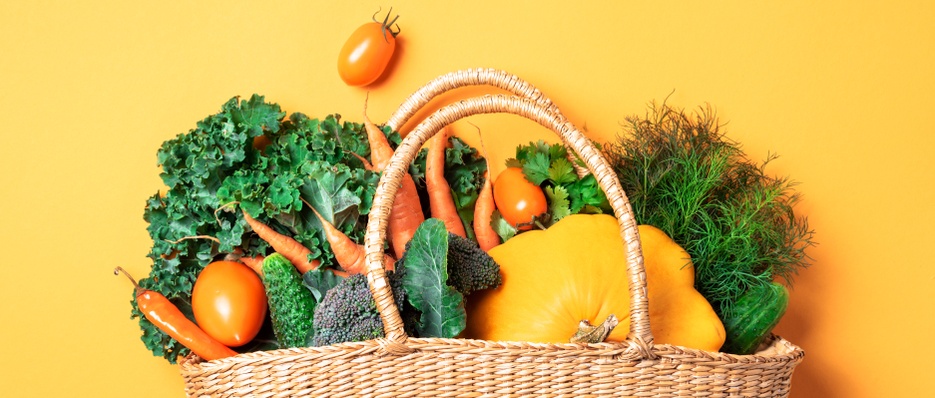
Diabetes-Diät: Typ-2-Diabetes managen
Begutachtet von Dr Colin Tidy, MRCGPZuletzt aktualisiert von Lawrence HigginsZuletzt aktualisiert 20 Jun 2026
Erfüllt die Anforderungen des Patienten Richtlinien des Patienten
- HerunterladenHerunterladen
- Teilen
- Language
- Diskussion
- Audio-Version
- Zu bevorzugten Quellen bei Google hinzufügen
Wenn Sie Typ-2-Diabetes haben, ist es oft schwierig zu wissen, welche Lebensmittel Sie essen sollten oder nicht. Hier erklären wir die Schlüsselelemente einer Diabetes-Diät, um Ihnen zu helfen, damit verbundene Gesundheitsprobleme zu verhindern oder zu verzögern, und gehen auf einige gängige Mythen rund um das Essen mit Typ-2-Diabetes ein.
Melden Sie sich für unseren kostenlosen 10-wöchigen Diabetes-Kurs an!
Jede Woche werden wir ein anderes Thema erkunden, um Ihnen zu helfen, Ihr Diabetes besser zu verstehen und zu bewältigen, einschließlich des täglichen Lebens und der Medikamente, des mentalen Wohlbefindens, der neuesten Diabetes-Technologie und der Ernährung.
Durch das Abonnieren akzeptieren Sie unsere Datenschutzrichtlinie. Sie können sich jederzeit abmelden. Wir verkaufen Ihre Daten niemals.
Is there a special diet for type 2 diabetes?
There is no specific diet to follow if you have Typ-2-Diabetes (TD2). It's more about eating regular healthy and balanced meals, in the right amounts, from all the main food groups.
Obst und Gemüse
Fruit and veg can be enjoyed fresh, frozen or tinned in natural juices. Try to include different colours and varieties. Fruits and vegetables are full of vitamins, naturally high in Ballaststoffe, low in fat and useful for helping weight loss. As fruits are higher in natural sugars, it is best to eat them with something that is high in good fats like Greek yoghurt to slow the surge in sugar in your blood stream. This sugar content means it is also better to eat more vegetables than fruit.
Eating at least five portions per day - aiming for 3 veg and 2 fruit options - can help to reduce your risk of Herzerkrankungen, and certain Krebserkrankungen. And they taste delicious - so try putting more fruit and veg into your meals or having them as a healthy snack in between?
In general, sticking to a plant-based diet has been found to help lower risk of T2D.
Starchy foods
Starchy foods - such as potatoes, bread, rice, pasta, and other grains - are broken down into simple sugars in the body. They tend to be the body's main fuel source. On average, we get around one half of our total daily calories from this group.
If you have T2D, a low-carbohydrate diet - between 50 g-130 g a day - can help control spikes in your blood sugar or help with Gewichtsverlust. You can be supported by your healthcare professional if this is something you're interested in trying.
Many people with T2D have found that a low-carb diet helps to put their T2D into remission - when blood sugar is in the normal range - without using medicine .
Importantly, not all starchy foods are broken down in the body the same way. Some foods - particularly 'refined' carbohydrates - are broken down very quickly, resulting in sharp increases in blood sugar. This is not ideal if you have T2D, as it can leave you feeling unwell or sluggish in the short term and lead to complications in the long term if blood sugars are consistently high.
Eating wholegrain carbohydrates - like seeded bread, whole oats, and brown rice - ideally combined with some protein, helps to avoid sharp increases in blood sugar.
The glycaemic index (GI) is a ranking system that determines how slowly a food is broken down in the body. Foods with lower GI numbers release more slowly into the bloodstream. Any changes to your carbohydrate intake should be used in combination with healthy eating.
Protein foods
Protein foods include lean meats, eggs, fish, beans, and pulses.
Protein requirements are the same whether you have diabetes or not. However, if you have type 2 diabetes, you're at higher risk of heart disease. It's therefore advisable to choose lean proteins and prepare food in a way that avoids using lots of fat - like grilling or roasting.
Aim to include 1-2 portions of oily fish - such as salmon, fresh tuna, and sardines - in your diet each week, as they help your heart health.
Plant-based sources of protein, such as beans and pulses - like chickpeas, kidney beans, lentils - are full of a type of fibre that helps to lower blood sugars and cholesterol. This means they can play an important role in helping to manage diabetes.
Dairy and alternatives
Dairy and alternatives - such as milk, yoghurts and cheese - are our main source of calcium and should be included in your daily diet.
It is advisable to opt for full-fat options as they are less processed, or reduce portion sizes. Natural Greek yoghurt sweetened with fruit is an ideal snack or dessert choice.
Fette und Öle
For example, cooking oils, margarines, and butters.
Our bodies need fat, but it needs to be the right type of fat and in small quantities. We rely on our diet for fat-soluble vitamins A, D, E and K, and essential fatty acids.
If you have T2D you should all try to minimise your fat intake. When you do eat fatty foods, swap saturated fat for unsaturated where possible.
Choose healthier fats - such as olive, rapeseed, and sunflower-based oils - which heart healthy (cardioprotective) as opposed to ones high in saturated fats such as lard, ghee, butter, or coconut and palm oil.
Salt and alcohol
It's also important to reduce your intake of salt - choose lower-salt alternatives where possible and consider using spices and herbs to flavour your food naturally.
Keeping an eye on your alcohol intake is important to maintain a healthy lifestyle. Adults are advised not to drink more than 14 units of alcohol each week. You should spread your intake across several days with alcohol-free days in between. If you're pregnant, you should avoid drinking any alcohol.
Do I need to lose weight?
Carrying extra weight plays an important role in the development of T2D.
If you are overweight and have T2D, losing 5-10% of your body weight and maintaining that weight loss can help to manage your diabetes better and reduce your risk of long-term complications.
Research by Diabetes UK shows losing up to 15 kg can put your diabetes into remission.
Häufig gestellte Fragen
Do I have to choose special diabetes diet foods?
No. There is no evidence to suggest such foods offer any benefit over regular healthy eating.
Am I allowed to eat sweet fruits like bananas, grapes, or mango?
Yes - all fruits are allowed. While fruits do contain natural sugars, these are processed differently in your body to refined sugars. Grapes are very high in sugar, whilst you can still eat them, portions should be smaller.
It's best to avoid eating too much, but fruits can be a great snack especially if they are replacing high-fat and sugary foods like cakes and biscuits.
Fruit juices, fruit smoothies, and dried fruit have higher sugar concentrations and should be consumed in moderation.
Can I have red meat?
Eating high amounts of red meats - in particular processed type meats, such as sausages, bacon, burgers, hot dogs - can increase the risk of certain cancers.
Lean red meat is a good source of protein, iron, zinc, and B12 - so eat it sensibly, not too much or too often. You should eat no more than 70 g of red meat a day - around 5 tablespoons of cooked mince or a small burger.
Do I have to give up sugar forever?
You do not need to cut out all sugar but it is advisable to cut down on refined sugars, foods with added sugars, and highly sweetened foods like soft drinks, chocolate, cakes, and biscuits, especially if your current intake is high.
With or without diabetes, we should all be eating less refined sugars which can contribute to weight gain and Fettleibigkeit, heart disease and dental issues.
Patientenauswahl für Typ-2-Diabetes
Diabetes
Ernährung bei Typ-2-Diabetes
Die Erstbehandlung für Typ-2-Diabetes beinhaltet Änderungen Ihres Lebensstils durch Ernährung, Gewichtskontrolle und körperliche Aktivität.
von Dr. Colin Tidy, MRCGP
Diabetes
Was Sie über Diabetes-Burnout wissen sollten
Diabetes zu managen ist eine Vollzeitaufgabe. Es umfasst einen kontinuierlichen Kreislauf aus Blutzuckerkontrolle, Medikamentenmanagement und proaktiver Planung. Wie viele Herausforderungen im Leben kann die ständige Überwachung dieses Gesundheitszustands zu Erschöpfung führen, wenn man keine Maßnahmen ergreift, um sie zu erkennen, anzugehen und zu verhindern. An diesem Welt-Diabetes-Tag heben wir die Bedeutung von Selbstfürsorge, Unterstützung und der richtigen Ressourcen hervor, wenn Sie mit Diabetes leben.
von Victoria Raw
Über den AutorVollständige Biografie anzeigen

Sarika Mongia, RD
Ernährungsberater, Spezialist für Gewichtsmanagement
RD, PGDip
Sarika ist eine registrierte Ernährungsberaterin mit über 20 Jahren Erfahrung und spezialisiert auf Gewichtsmanagement und Diabetes.
Über den RezensentenVollständige Biografie anzeigen

Dr Colin Tidy, MRCGP
Allgemeinmediziner, Medizinischer Autor
MBBS, MRCGP, MRCP (Paediatrics), DCH
Dr. Colin Tidy ist ein NHS-Arzt mit Sitz in Oxfordshire.
Artikelverlauf
Die Informationen auf dieser Seite werden von qualifizierten Klinikern begutachtet.
Artikel auch verfügbar in Englisch, Deutsch, Spanisch, Französisch, Italienisch, Portugiesisch, Hindi, Hebräisch, Arabisch, und Schwedisch.
Next review due: 20 Jun 2029
20 Jun 2026 | Neueste Version
21. Apr 2021 | Ursprünglich veröffentlicht
Verfasst von:
Sarika Mongia, RD

Fragen, teilen, verbinden.
Durchsuchen Sie Diskussionen, stellen Sie Fragen und teilen Sie Erfahrungen zu Hunderten von Gesundheitsthemen.

Fühlen Sie sich unwohl?
Bewerten Sie Ihre Symptome online kostenlos
Abonnieren Sie den Patienten-Newsletter
Ihre wöchentliche Dosis klarer, vertrauenswürdiger Gesundheitsberatung - geschrieben, um Ihnen zu helfen, sich informiert, selbstbewusst und in Kontrolle zu fühlen.
Durch das Abonnieren akzeptieren Sie unsere Datenschutzrichtlinie. Sie können sich jederzeit abmelden. Wir verkaufen Ihre Daten niemals.
Mehr zu Diabetes
- Änderung Ihrer Ernährungsgewohnheiten nach einer Typ-2-Diabetes-Diagnose
- Kontinuierliche Glukoseüberwachung bei Typ-1-Diabetes
- Diabetes erhöht das Risiko für Herzinsuffizienz, insbesondere bei Frauen
- Diabetestechnologie
- Wie Technologie Diabetes verändert
- Wie man mit Diabetes auswärts isst
- MHRA genehmigt Teplizumab zur Verzögerung des Fortschreitens von Typ-1-Diabetes
- Anzeichen von Typ-2-Diabetes bei Kindern bereits ab acht Jahren festgestellt
- Verlangsamung der Fälle von Typ-2-Diabetes
- Eine pflanzenbasierte Ernährung senkt das Risiko für Typ-2-Diabetes
- Die Kontrolle über Prädiabetes übernehmen
- Diabetes-Fachbegriffe verstehen
- Video: Wie erkennt man, ob man Typ-2-Diabetes hat?
- Was ist Diabulimie?
- Was Sie über Diabetes-Burnout wissen sollten
- Was ist der Zusammenhang zwischen Diabetes und Essstörungen?
- Warum niedriger Blutzucker gefährlich ist
- Warum Untersuchungen bei Typ-2-Diabetes so wichtig sind
- Frauen mit Diabetes haben ein höheres Risiko für Totgeburten
- Ihr unverzichtbarer Leitfaden für das Training mit Diabetes