
Was Sie über Diabetes-Burnout wissen sollten
Begutachtet von Dr Colin Tidy, MRCGPZuletzt aktualisiert von Victoria RawZuletzt aktualisiert 8. Nov. 2025
Erfüllt die Anforderungen des Patienten redaktionellen Richtlinien
- HerunterladenHerunterladen
- Teilen
- Language
- Diskussion
- Audio-Version
- Zu bevorzugten Quellen bei Google hinzufügen
Managing diabetes is a full-time job. It involves a continuous cycle of blood sugar monitoring, medicine management, and proactive planning. Like many challenges in life, the constant need to monitor this health condition can lead to burnout if you don't take steps to recognise, address, and prevent it.
This World Diabetes Day, we highlight the importance of self-care, support, and finding the right resources if you’re living with diabetes.
Melden Sie sich für unseren kostenlosen 10-wöchigen Diabetes-Kurs an!
Jede Woche werden wir ein anderes Thema erkunden, um Ihnen zu helfen, Ihr Diabetes besser zu verstehen und zu bewältigen, einschließlich des täglichen Lebens und der Medikamente, des mentalen Wohlbefindens, der neuesten Diabetes-Technologie und der Ernährung.
Durch das Abonnieren akzeptieren Sie unsere Datenschutzrichtlinie. Sie können sich jederzeit abmelden. Wir verkaufen Ihre Daten niemals.
What is diabetes burnout?
Diabetes burnout shares many of the same effects as burnout caused by other life stressors - such as working beyond your physical or emotional limits.
It is a response to prolonged stress, regardless of its source. When it comes to diabetes, burnout can stem from the relentless demands of managing the condition day in and day out.
Debbie Grayson, Pharmacist and Nutritional Therapist, Practice With Confidence, Greater Manchester, UK explains that burnout can make you feel fed up, overwhelmed and disconnected.
Sie sagt: "Burnout can cause you to ignore your diabetes care entirely - such as skipping insulin, avoiding blood glucose checks, missing medical appointments, or giving up on eating healthily."
"Unlike other long-term conditions, living with diabetes often requires multiple decisions every day just to stay well. The pressure can become unsustainable, particularly when progress feels slow, unpredictable or invisible."
Grayson warns that this stress can leave you feeling overwhelmed and unable to cope. As a result, you may begin neglecting the essential tasks needed to keep your health in check.
What are the symptoms of diabetes burnout?
Burnout comes with a range of emotional and physical symptoms, as well as changes in behaviour.
Dazu gehören:
Emotional symptoms - feeling trapped, helpless, or constantly overwhelmed. You may feel emotionally disconnected from others, weighed down by persistent worry, negativity, or a lack of purpose. Activities you once enjoyed might no longer bring satisfaction, and you may become more irritable or short-tempered, even with those closest to you.
Körperliche Symptome - persistent fatigue and trouble sleeping. You might experience frequent headaches, muscle or joint pain, and a loss of appetite. Symptoms can also include nausea, digestive issues such as constipation or diarrhoea, chest pain, and panic attacks.
Verhaltenssymptome - finding it hard to concentrate or complete everyday tasks, leading to reduced productivity. Burnout can also cause you to withdraw from others, avoid responsibilities, and become socially isolated.
In the case of diabetes, these symptoms can be even more serious - especially if they lead you to stop monitoring and managing your condition.
Grayson explains that if this situation happens, you may show signs of poorly managed blood sugar levels. This can result in both hypo and hyperglycaemia, often swinging between the two extremes.
Poor blood sugar management can also raise your chance of diabetes-related complications - such as infections, vision problems, increased urinary tract infections (UTIs), and neurological issues, including pins and needles.
"Emotional symptoms include feelings of powerlessness, anger, overwhelm, frustration and also isolation from support systems," says Grayson. "You may have anxiety, guilt or shame - feeling as though you are failing or not trying hard enough.
"This is a sign your current strategy might not be working and that further support is needed."
Is diabetes burnout common?
According to Diabetes UK, 1 in 4 people with type 1 diabetes, and 1 in 5 people with type 2 diabetes have experienced high levels of diabetes distress since their diagnosis.
Grayson says: "People with type 1 diabetes will be using insulin, where more consistent control and monitoring can be a huge source of stress."
She highlights the following groups as being vulnerable to burnout:
Teenagers.
Young adults transitioning to independent care.
People with poor glycaemic control or long-term complications.
Those with limited support systems or mental health challenges.
Caregivers or parents of children with diabetes.
Can diabetes burnout be prevented?
A range of support options are available to help you manage - or recover from - diabetes burnout.
Grayson says this includes psychological support - in particular, kognitive Verhaltenstherapie (CBT) and counselling tailored to long-term illness.
She adds: "There are also peer support groups, working with a diabetes specialist and reframing expectations to help reduce the pressure."
What helps with diabetes burnout?
Although it may not always be preventable, there are measures that can help lower your chance of experiencing diabetes burnout.
Grayson offers practical advice to help you do just that:
Regularly review your care plan with your diabetes team to make sure it still fits your life and needs.
Build in mental health check-ins, not just blood sugar reviews.
Set realistic, flexible goals - don’t aim for perfection.
Technologie nutzen to automate or simplify tasks where possible.
Schedule breaks from diabetes focus - such as designating certain days to relax your mental load, without compromising safety.
Prioritise sleep, stress management, and social support - these all improve emotional resilience.
"Know the signs of burnout early, and don't be afraid to ask for help from a healthcare professional," she says. "Diabetes management is hard work - and recognising that it's okay to feel overwhelmed is the first step towards regaining balance."
Patientenauswahl für Diabetes mellitus
Diabetes
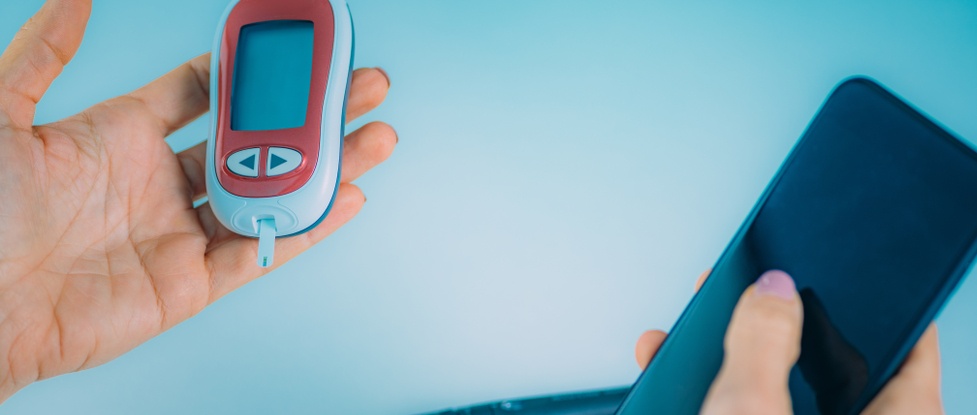
Wie Technologie Diabetes verändert
Die Rolle der Technologie in der Diabetesversorgung wächst weiterhin rasant. Entwickler und Forscher arbeiten daran, viele verschiedene technologische Hilfsmittel zu entwickeln, um verschiedene Aspekte von Diabetes zu unterstützen, einschließlich Diagnose, Patienteninformationen, Behandlung, Überwachung des Blutzuckerspiegels, Erkennung von Komplikationen und sogar die individuelle Patientenversorgung mittels Telemedizin.
von Dr. Colin Tidy, MRCGP
Diabetes
Der Zusammenhang zwischen Diabetes und psychischen Erkrankungen
The physical symptoms of diabetes need managing 24 hours a day, 7 days a week. According to Diabetes UK, 2 in 5 people feel mentally overwhelmed by the demands of living with the condition.
von Lawrence Higgins
Über den AutorVollständige Biografie anzeigen

Victoria Raw
Feature-Autorin
BA (Hons), Englische Literatur
Victoria ist eine Content-Autorin bei Patient, deren besondere Interessen sich auf das mentale Wohlbefinden, gesellschaftliche Trends und den Einfluss der Technologie auf unsere Gesundheit konzentrieren.
Über den RezensentenVollständige Biografie anzeigen

Dr Colin Tidy, MRCGP
Allgemeinmediziner, Medizinischer Autor
MBBS, MRCGP, MRCP (Paediatrics), DCH
Dr. Colin Tidy ist ein NHS-Arzt mit Sitz in Oxfordshire.
Artikelverlauf
Die Informationen auf dieser Seite werden von qualifizierten Klinikern begutachtet.
Artikel auch verfügbar in Englisch, Deutsch, Spanisch, Französisch, Italienisch, Portugiesisch, Hindi, Hebräisch, Arabisch, und Schwedisch.
Nächste Überprüfung fällig: 7. Nov. 2028
8. Nov. 2025 | Neueste Version
3. Juni 2025 | Ursprünglich veröffentlicht
Verfasst von:
Victoria Raw

Fragen, teilen, verbinden.
Durchsuchen Sie Diskussionen, stellen Sie Fragen und teilen Sie Erfahrungen zu Hunderten von Gesundheitsthemen.

Fühlen Sie sich unwohl?
Bewerten Sie Ihre Symptome online kostenlos
Abonnieren Sie den Patienten-Newsletter
Ihre wöchentliche Dosis klarer, vertrauenswürdiger Gesundheitsberatung - geschrieben, um Ihnen zu helfen, sich informiert, selbstbewusst und in Kontrolle zu fühlen.
Durch das Abonnieren akzeptieren Sie unsere Datenschutzrichtlinie. Sie können sich jederzeit abmelden. Wir verkaufen Ihre Daten niemals.
Mehr zu Diabetes
- Können Probiotika Fettleibigkeit und Diabetes behandeln?
- Können Sie Typ-2-Diabetes rückgängig machen?
- Änderung Ihrer Ernährungsgewohnheiten nach einer Typ-2-Diabetes-Diagnose
- Kontinuierliche Glukoseüberwachung bei Typ-1-Diabetes
- Diabetes-Diät: Typ-2-Diabetes managen
- Diabetes-Mythen und Missverständnisse
- Gesunde Chanukka-Gerichte für Ihr Gewicht, Herz und Diabetes
- Wie ich meinen Typ-2-Diabetes umkehrte - Matts Geschichte
- Wie man Diabetes während des Ramadan managt
- Wie Ihre Ernährung helfen kann, Typ-2-Diabetes vorzubeugen
- Leben mit Diabetes - was Sie wissen müssen
- Typ-2-Diabetes mit Bewegung managen
- Anzeichen von Typ-2-Diabetes bei Kindern bereits ab acht Jahren festgestellt
- Die Kontrolle über Prädiabetes übernehmen
- Deinem Date von deinem Diabetes erzählen
- Was ist Flash-Glukose-Monitoring und wie kann es Menschen mit Diabetes helfen?
- Was ist der Zusammenhang zwischen Diabetes und Essstörungen?
- Warum niedriger Blutzucker gefährlich ist
- Ihre Diabetesmedikamente erklärt
- Ihr unverzichtbarer Leitfaden für das Training mit Diabetes