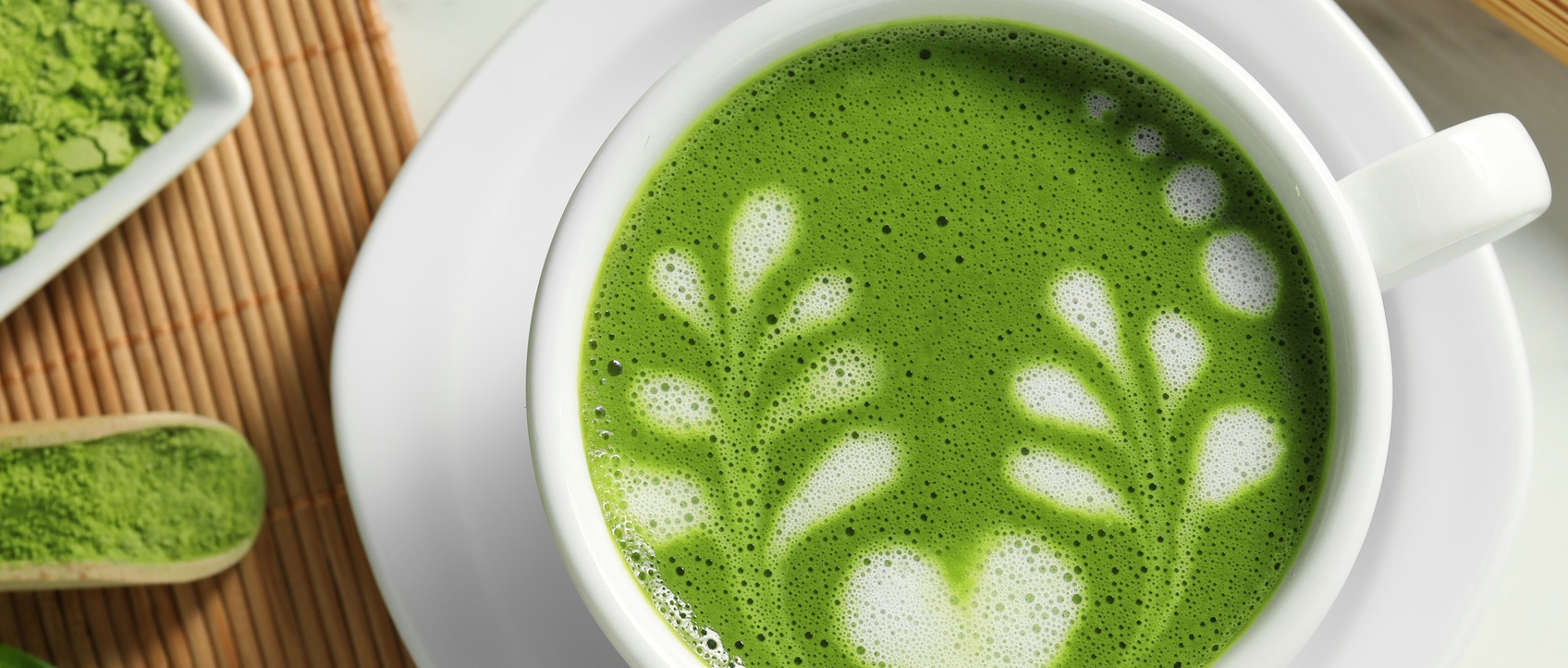
8 Vorteile von Matcha-Tee
Begutachtet von Dr Krishna Vakharia, MRCGPZuletzt aktualisiert von Victoria RawZuletzt aktualisiert 7. Apr 2025
Erfüllt die Anforderungen des Patienten Richtlinien des Patienten
- HerunterladenHerunterladen
- Teilen
- Language
- Diskussion
- Audio-Version
- Zu bevorzugten Quellen bei Google hinzufügen
Brad Pitt trinkt es anstelle von Alkohol, Gwyneth Paltrow schmiert es sich ins Gesicht, und Dean von The Apprentice nennt es sein Lieblingsgetränk. Aber gibt es wirklich gesundheitliche Vorteile von Matcha-Tee? Wir schauen uns an, was Matcha-Tee enthält und welche Beweise es dafür gibt, was er für Körper und Geist tun kann.
What is matcha?
Matcha tea is a type of green tea, but it's grown in a precise way to give it a unique nutritional profile - and its vibrant green colour. While green tea leaves are loose, matcha tea leaves always come as a powder.
These days, matcha tea can be found in coffee shops, supermarkets, and health food stores. It's become a popular healthy alternative for coffee-loving caffeine fans, and its unique umami taste is used to flavour both savoury and sweet dishes.
Yet matcha tea is not a new invention and has a rich history in traditional Japanese and Chinese cuisine. The Western world is getting a taste for it - and becoming more aware of matcha tea health benefits.
How is matcha tea made?
Like green, black, and oolong teas, matcha tea is made from the Camellia Sinensis plant. But the growing process is more labour intensive, and involves shading the plant, steaming the leaves, drying them in a specialist machine, and grinding them into a fine powder. Each of these steps allows the product to hold onto many of the plant's health-boosting nutrients and antioxidants.
Unveiling the Power of Matcha - Beyond the Trend
What are the health benefits of matcha?
There's a large body of evidence for the upsides of green tea, but less studies specifically look at matcha tea benefits.
Does matcha have the same benefits as green tea?
Many of the nutrients found in high levels in matcha - such as amino acids, polyphenols, and antioxidants like Vitamin C - can do a lot of good for your body.
But before you stock your cupboards with matcha powder, it's worth remembering that there's not enough evidence from experts to recommend how much you should take to reap these benefits.
The best way to look after yourself is to eat a varied, colourful diet and eat all foods in moderation. When preparing matcha tea, only use hot water - boiling water can destroy some of these all-important nutrients.
1. Matcha tea and antioxidants
Antioxidants are molecules that help your body fight off harmful free radicals - unstable atoms that damage cells, causing illnesses and accelerating ageing.
Green and matcha teas are rich in compounds that act like antioxidants. For example, tea flavonoids can reduce inflammation and ward off infections.
2. Matcha tea and heart health
Natural compounds called polyphenols in green and matcha tea have been found to reduce your chances of Herzerkrankungen, and associated conditions such as Schlaganfall und Typ-2-Diabetes.
This is because polyphenols can help keep your cardiovascular system working properly by preventing plaque build-up and helping to improve blood pressure and cholesterol levels.
3. Matcha tea and brain health
Matcha tea and other green teas contain several compounds that are known to support brain function. For example, caffeine can reduce inflammation and damaged caused by free radicals in your brain, which may slow down age-related decline and promote memory performance.
Matcha also contains the compound epigallocatechin-3-gallate (EGCG) which has been shown to enhance brain function as well as help in the prevention of neurodegenerative diseases - including Alzheimer-Krankheit.
4. Matcha tea and weight loss
There's growing evidence that matcha tea can also help people achieve gesundes Gewichtsverlust and protect you against metabolic disorders.
It's thought that compounds and antioxidants in matcha tea can promote fat oxidation during exercise - the process by which your body breaks down fat to use as energy.
The antioxidants also affect the signals sent between your gut and liver, believed to be important in preventing Fettleibigkeit.
5. Matcha tea and cancer
Although evidence is limited, some studies show promising results for green tea and cancer prevention.
Although little data exists on matcha tea benefits for Krebs, scientists know that EGCG may play a part in the destruction of cancer cells, prevent cells from DNA damage, and inhibit tumour growth. We also know that EGCG is present in much higher quantities in matcha compared to green tea.
6. Matcha tea and stress
There may also be mental health benefits in drinking matcha tea - but current commercial products that are available to buy aren't likely to have much effect. An amino-acid called L-theanine - present in green tea and in higher concentrations in matcha - may help reduce Stress und Angstzustände.
However, there's a need for more human studies, and the amount of caffeine in matcha tends to counteract this effect. Most commercial matcha teas contain too much caffeine for you to benefit.
7. Matcha tea, skin, and hair
The polyphenols, caffeine, and EGCG in matcha may promote healthy skin and hair and protect against problems, such as Psoriasis, Rosazea, and hair loss, when applied to these areas in creams.
They do this by preventing cell damage, protecting against UV light, and promoting hydration. However, before you invest in matcha cosmetic lotions, it's worth noting that not all extracted forms of these compounds absorb well into hair and skin.
8. Matcha tea and bone health
As we age, we can lose bone mineral density (BMD) and this can affect our ability to move about freely and painlessly.
But the antioxidant activity in polyphenols in matcha tea may counteract this, and studies have shown that regularly drinking green teas can even prevent common bone conditions.
For example, a study of postmenopausal women found that those who drank 1-3 cups a day were less likely to develop Rückenschmerzen oder Osteoporose.
Is matcha tea safe for everyone?
Matcha tea is generally considered safe to drink regularly. However, if you're sensitive to the effects of caffeine or are trying to cut down, you'll need to be careful of how much matcha you drink.
Although some of the matcha tea benefits are due to caffeine, too much caffeine can be bad for anyone. For healthy adults, up to 400 milligrams of caffeine a day is safe, which equals around four cups of coffee at 80-100 milligrams a cup.
In comparison:
Matcha tea contains between 76-178 milligrams a cup, meaning the strongest brews should be limited to two cups a day.
Green tea contains between 30-40 milligrams, the equivalent of 10 cups a day.
Black tea contains between 64-112 milligrams, the equivalent of three cups a day.
Wenn Sie Eisenmangelanämie, you should not drink matcha tea with a meal as it contains tannins - compounds that can make it harder for us to absorb iron.
Patientenauswahl für Ernährung
Ernährung und Diät
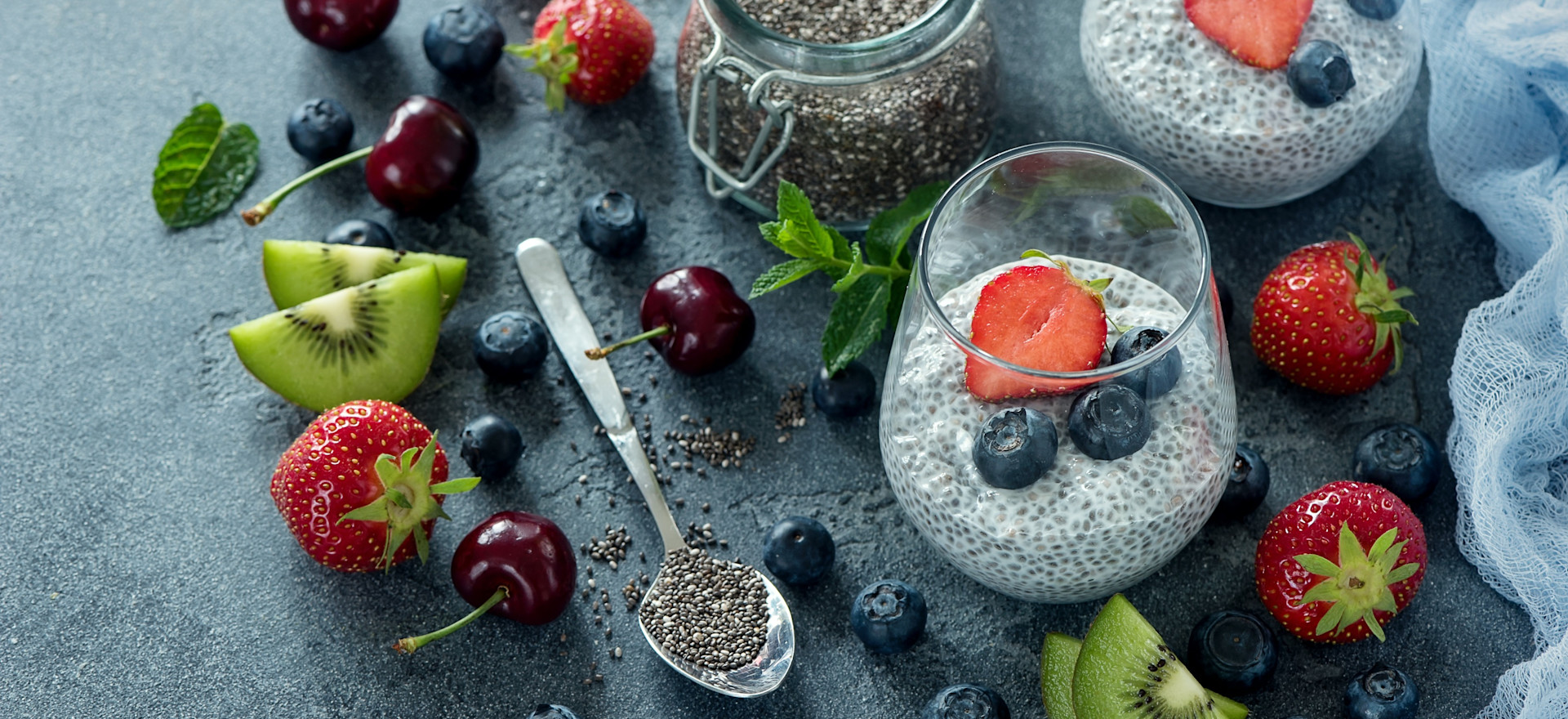
9 gesundheitliche Vorteile von Chiasamen
Kim Kardashians Chia-Pudding wurde auf TikTok viral, und Taylor Swift streut Chiasamen auf ihre Mahlzeiten, um ihr Gewicht zu kontrollieren. Heutzutage sind Chiasamen nicht nur für Hollywood-Stars, sondern in den meisten Supermärkten und Reformhäusern zu finden. Aber erfüllen sie wirklich ihren Gesundheits-Hype? Wir untersuchen neun potenzielle gesundheitliche Vorteile von Chiasamen und schauen, ob diese Zutat für jeden sicher ist.
von Heather Ainsworth
Ernährung und Diät
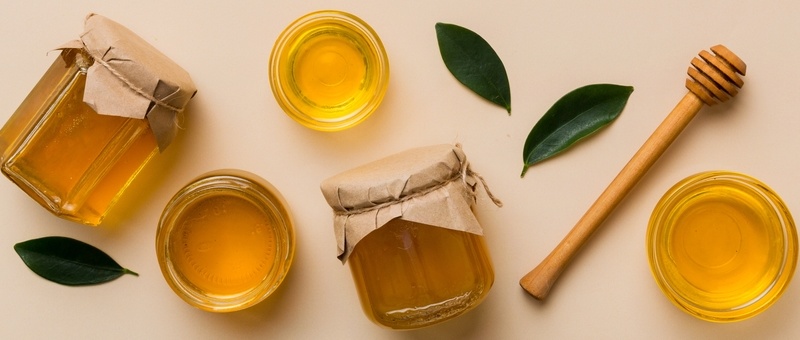
Honig könnte der natürliche Energieschub sein, den Sie für Ihr Training benötigen
Honig wird von Menschen seit Tausenden von Jahren als natürlicher Süßstoff und Energiequelle genutzt, um Arbeit und körperliche Leistung zu unterstützen. Kürzlich ist er als natürliche Option zur Energieversorgung beim Sport wieder aufgetaucht, wobei einige Social-Media-Nutzer behaupten, er sei das perfekte Nahrungsmittel vor einem Workout, wenn man einen Energieschub benötigt.
von Stephen Khan
Über den AutorVollständige Biografie anzeigen

Amberley Davis
Senior-Autorin
BA (Hons), CPD
Amberley ist eine leitende Autorin bei Patient und hat umfangreich über eine Vielzahl von Gesundheits- und Wohlfühlthemen geschrieben.
Über den RezensentenVollständige Biografie anzeigen

Dr Krishna Vakharia, MRCGP
Chief Medical Officer für Gesundheit, Optum UK
MBChB, MRCGP(2013), BMedSci (hons), DFSRH, DRCOG, PGDipDerm (Distn)
Dr. Krishna Vakharia ist eine NHS-Hausärztin. Sie ist auch regelmäßige Prüferin für das postgraduale Diplom in Praktischer Dermatologie an der Cardiff University und zudem Chief Medical Officer für Gesundheit bei Optum UK.
Artikelverlauf
Die Informationen auf dieser Seite werden von qualifizierten Klinikern begutachtet.
Artikel auch verfügbar in Englisch, Deutsch, Spanisch, Französisch, Italienisch, Portugiesisch, Hindi, Hebräisch, Arabisch, und Schwedisch.
Nächste Überprüfung fällig: 7. Apr. 2028
7. Apr 2025 | Neueste Version
28. Sept. 2023 | Ursprünglich veröffentlicht
Verfasst von:
Amberley Davis

Fragen, teilen, verbinden.
Durchsuchen Sie Diskussionen, stellen Sie Fragen und teilen Sie Erfahrungen zu Hunderten von Gesundheitsthemen.

Fühlen Sie sich unwohl?
Bewerten Sie Ihre Symptome online kostenlos
Abonnieren Sie den Patienten-Newsletter
Ihre wöchentliche Dosis klarer, vertrauenswürdiger Gesundheitsberatung - geschrieben, um Ihnen zu helfen, sich informiert, selbstbewusst und in Kontrolle zu fühlen.
Durch das Abonnieren akzeptieren Sie unsere Datenschutzrichtlinie. Sie können sich jederzeit abmelden. Wir verkaufen Ihre Daten niemals.
Mehr zu Ernährung und Diät
- 10 überraschende gesundheitliche Vorteile von Kohl
- 9 gesundheitliche Vorteile von Chiasamen
- Kann Kombucha Ihre Gesundheit fördern?
- Hungrig und wütend? Warum wir wütend werden, wenn wir hungrig sind
- Gesunde Chanukka-Gerichte für Ihr Gewicht, Herz und Diabetes
- Wie viel Wasser sollte man täglich trinken?
- Wie Sie Ihre Energie steigern und sich im Winter weniger müde fühlen
- Wie man für eine cholesterinarme Ernährung einkauft
- Reizdarmsyndrom-Diät: Lebensmittel, die man essen und vermeiden sollte
- Gibt es einen Zusammenhang zwischen Ernährung und Akne?
- Achtsames Essen: Wie man langsamer isst und das Essen genießt
- Pflanzliche Proteine könnten helfen, Bluthochdruck vorzubeugen
- Supermarkteinkauf für Lebensmittel, die bei steifen und schmerzenden Gelenken helfen
- Die Wahrheit über das Fett in Ihrer Ernährung
- Wegovy-Diät: Lebensmittel, die man essen und meiden sollte
- Was ist die entzündungshemmende Diät?
- Was ist die Whole30-Diät?
- Welche hochverarbeiteten Lebensmittel sind unbedenklich - und welche sollten wir vermeiden?
- Vollkornhelden: Warum alte Getreidesorten essen?
- Warum sollten Sie Ihr eigenes Essen für Ihre Gesundheit anbauen?