Vitamin C: benefits, sources, and deficiency
Begutachtet von Dr Krishna Vakharia, MRCGPVerfasst von Amberley DavisUrsprünglich veröffentlicht 17 Nov 2022
Erfüllt die Anforderungen des Patienten Richtlinien des Patienten
- HerunterladenHerunterladen
- Teilen
- Language
- Diskussion
- Audio-Version
Most of us know vitamin C is good for us, but do you know all the ways that this essential nutrient benefits your health? Here you can find out how easy it is to get enough vitamin C, as well as what happens when you consume too little and too much.
In diesem Artikel:
Videoauswahl für Vitamine und Nahrungsergänzungsmittel
Lesen Sie unten weiter
What is vitamin C?
Vitamin C, also called L-ascorbic acid, is an essential nutrient we all need for good health. This vitamin supports many important functions in our bodies and helps to maintain our blood vessels, bones, and skin.
Benefits of vitamin C
Zurück zum InhaltAs vitamin C plays a role in the health and maintenance of so many organs and systems inside us, the list of vitamin C benefits is an extensive one. Here are some of the most important rewards you can get from consuming enough of this super vitamin.
Protection against disease and illness
Vitamin C may help to ward off certain illnesses and long-term diseases in several ways1:
It's an antioxidant that helps to fight inflammation and widens your blood vessels - this can reduce the risk of associated diseases like Bluthochdruck.
It protects against free radicals - these are harmful molecules in the body that can damage cells. Free radicals have a role to play in the development of conditions such as Krebs und Herzerkrankungen.
It boosts the immune system - helping your body to fight a range of illnesses.
Wound healing
Vitamin C is used by our bodies to produce Kollagen, an important structural protein in our skin, muscles and bones. One of the ways in which collagen keeps us healthy is by promoting wound healing2, helping to mend injuries that break the skin and other body tissues while protecting us from Infektion.
Strong and healthy skin and bones
Vitamin C benefits also include the general health and strength of our skin and bones. In the skin, its antioxidant properties and role in collagen production helps protect against skin ageing and other skin complaints - this is why you'll find vitamin C in many skincare products. As an anti-inflammatory, this vitamin can also help to prevent inflammatory Arthritis and may support people with Osteoarthritis3.
Iron absorption
This nutrient helps our bodies absorb another vital nutrient - iron. We need iron for growth and development, and when we don't absorb enough we may experience weakness, fatigue, and problems with memory and concentration. This health issue is called iron-deficiency and it can lead to long-term complications if left untreated4.
Lesen Sie unten weiter
Good sources of vitamin C
Zurück zum InhaltWe get the vitamin C we need through the food we eat. It's a water-soluble vitamin, meaning that once inside us it dissolves in water and is delivered straight to the body's tissues, but we are unable to store it. For this reason, we need to consume foods with vitamin C content every day in order to stay healthy.
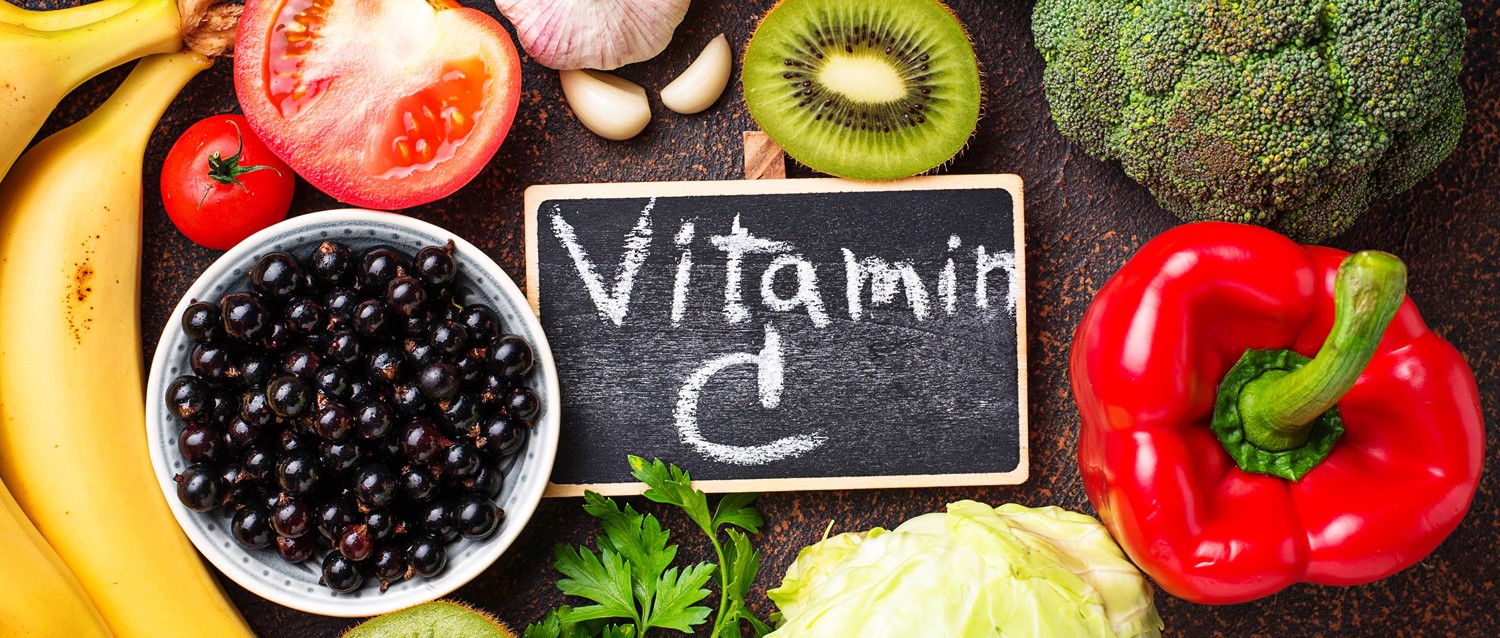
For the best sources of vitamin C, turn to fruit and vegetables. According to Reema Patel, dietitian at DietitianFit, the following common citrus fruits contain a high dose of vitamin C:
Lemons.
Limes.
Oranges.
Kiwi.
Grapefruit.
She adds that other good sources include:
Peppers.
Tomaten.
Berries.
Potatoes.
Brussels sprouts.
You can also take daily vitamin C supplements to bolster your vitamin C levels. However, remember that a dietary supplement is only good for you when taken in addition to - and not instead of - a healthy, nutrient-rich diet.
How much vitamin C per day?
Zurück zum Inhalt"Adults need 40 milligrams (mg) of vitamin C per day5," says Patel. "This is usually easy to get through your diet. For example, one medium orange has around 70-80 mg of vitamin C and two kiwis provide more than 130 mg of vitamin C."
However, certain people are more at risk of not getting enough vitamin C through food alone. This makes them more vulnerable to the health problems associated with vitamin C deficiency.
Lesen Sie unten weiter
Vitamin-C-Mangel
Zurück zum InhaltNot getting enough vitamin C persistently, usually over a period of three months or more, is known as vitamin C deficiency. The following groups have a higher risk of this condition:
People with a dependency on alcohol oder other drugs who may also have a poor diet.
People on very restrictive diets.
People who mehr rauchen regularly.
People with a medical condition that inhibits healthy digestion and absorption of food, such as Morbus Crohn.
Older people who eat a less varied diet.
Pregnant and breastfeeding women as they need higher doses of vitamin C.
Vitamin C deficiency can lead to scurvy, although Patel adds that the likelihood of developing scurvy in the UK is very low.
She describes the common symptoms of scurvy:
Sore joints.
Delayed wound healing or easy bruising.
Niedergeschlagene Stimmung.
Can you have too much vitamin C?
Zurück zum InhaltJust as it's possible to not get enough vitamin C, you can also consume too much - although this isn't an easy thing to achieve through food alone. Large doses of vitamin C - that exceed 1000mg a day - are most likely the result of taking too many vitamin C supplements. If supplementing, make sure you're not taking more than 75 mg a day for a women and more than 90 mg a day for a man.
Too much vitamin C can lead to side effects such as Durchfall and stomach pain. While uncomfortable and inconvenient, these symptoms tend to be temporary, disappearing once supplementation in large doses is stopped.
Weiterführende Lektüre
Zurück zum InhaltPatientenempfehlungen für Vitamine und Nahrungsergänzungsmittel

Ernährung und Diät
Feeding your good bacteria with probiotics and prebiotic supplements
Präbiotika und Probiotika sind beide wesentliche Bestandteile für die Erhaltung eines gesunden Darmmikrobioms. In unserem Körper befinden sich fast genauso viele Bakterienzellen wie menschliche Zellen – die durchschnittliche Person hat etwa 38 Billionen von beiden. Lesen Sie weiter, um mehr über die faszinierende Welt der Bakterien und ihre Rolle in unserer Gesundheit zu erfahren.
von Lawrence Higgins
Ernährung und Diät
Was sind Probiotika?
Ein gesunder Darm unterstützt Ihr Immunsystem, schützt vor Krankheiten und fördert die täglichen Funktionen Ihres Körpers. Probiotika sind die guten Bakterien, die dazu beitragen können, Ihren Darm gesund zu halten. Aber was genau tun sie? Gibt es wirklich Vorteile beim Verzehr von probiotischen Lebensmitteln und Nahrungsergänzungsmitteln?
von Lynn Stephen
Lesen Sie unten weiter
Artikelverlauf
Die Informationen auf dieser Seite werden von qualifizierten Klinikern begutachtet.
17 Nov 2022 | Ursprünglich veröffentlicht
Verfasst von:
Amberley DavisBegutachtet von
Dr Krishna Vakharia, MRCGP

Fragen, teilen, verbinden.
Durchsuchen Sie Diskussionen, stellen Sie Fragen und teilen Sie Erfahrungen zu Hunderten von Gesundheitsthemen.

Fühlen Sie sich unwohl?
Bewerten Sie Ihre Symptome online kostenlos
Abonnieren Sie den Patienten-Newsletter
Ihre wöchentliche Dosis klarer, vertrauenswürdiger Gesundheitsberatung - geschrieben, um Ihnen zu helfen, sich informiert, selbstbewusst und in Kontrolle zu fühlen.
Mit dem Abonnieren akzeptieren Sie unsere Datenschutzrichtlinie. Sie können sich jederzeit abmelden. Wir verkaufen Ihre Daten niemals.