What is the anti-inflammatory diet?
Begutachtet von Dr Krishna Vakharia, MRCGPZuletzt aktualisiert von Victoria RawLast updated 8. Apr. 2025
Erfüllt die Anforderungen des Patienten Richtlinien des Patienten
- HerunterladenHerunterladen
- Teilen
- Language
- Diskussion
- Audio-Version
- Add to preferred sources on Google
Typical western diets are thought to increase inflammation - where your immune system reacts and causes internal swelling throughout your body. As long-term inflammation can become harmful, anti-inflammatory diets are thought to protect us from a wide range of health problems.
In diesem Artikel:
Video picks for Ernährung
Lesen Sie unten weiter
What is the anti-inflammatory diet?
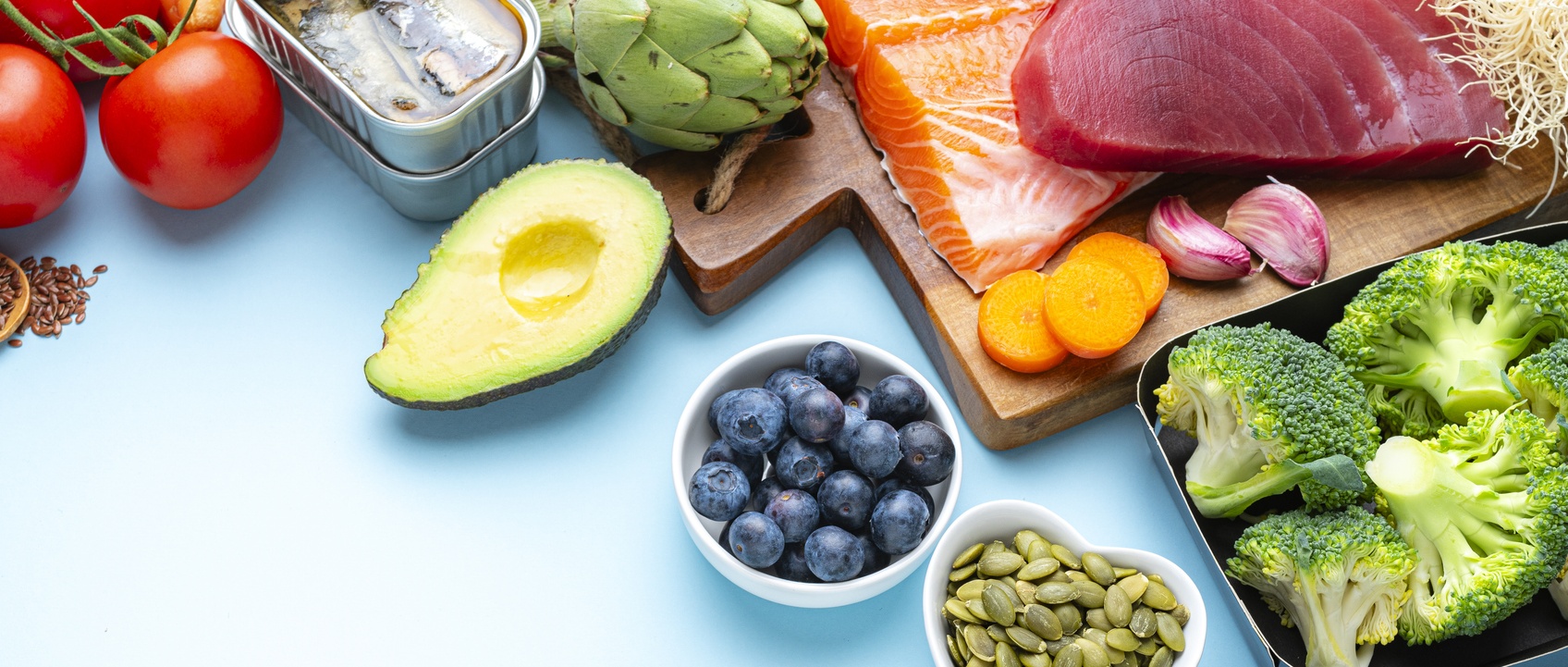
An anti-inflammatory diet, used as a remedy to fight inflammation in the body, has no strict plan for calories, portion sizes, or even recipes to follow. It's more of a general emphasis on eating a variety of anti-inflammatory foods, found in fruits, vegetables, unrefined whole grains, oily fish, unsaturated fats, spices, tea, coffee, and dark chocolate.
It also involves limiting other foods that promote inflammation, including fried foods, sugary treats and drinks, saturated fats, and excessive amounts of alcohol.
Inflammation has become somewhat of a bad word in the world of health, but in truth it's a healthy immune system response we all need at certain times. For example, it's inflammation that causes us to sneeze or cough allergens and viruses out the body when we're unwell. It also causes pain and swelling where we've been injured, telling us to be gentle with this area.
Yet, this helpful level of inflammation should subside when you heal. When it doesn't, the blood rushing and swelling inside your body starts to damage cells and cause problems.
This long-term inflammation (metaflammation) can lead to serious conditions.
Dazu gehören:
Most likely to have harmful inflammation
Inflammation can be symptomless until it causes problems, so people who follow an anti-inflammatory diet tend to do so as a precaution and part of a healthy lifestyle. You do have a higher chance of harmful inflammation if you:
Follow a Western diet - this generally refers to diets that contain ultra-processed, high-fat, and sugary foods. It also encompasses other health issues linked to many Western countries like the UK, such as long-term Stress and exposure to air pollution, both of which damage cells.
Have an autoimmune disorder - an immune system that doesn't function properly can cause long-term inflammation, as seen in Typ-1-Diabetes, Lupus, and rheumatoide Arthritis.
Diets that showcase anti-inflammatory foods
The anti-inflammatory diet is more of a guide than a meal plan, but if you prefer more structure and rules there are several popular diets that rely on many anti-inflammatory foods. This includes the heart-healthy DASH-Diät, the long-life promoting Mittelmeerdiät, and the MIND diet, which combines these other diets to support brain health.
Why are anti-inflammatory foods good for us?
Zurück zum InhaltAnti-inflammatory foods contain natural compounds that fight inflammation. Molecules called antioxidants, plant chemicals like flavonoids, and fibre can protect you against free radicals. These are unstable atoms caused by inflammation that crash into and damage cells, accelerating ageing and causing illness.
These compounds can also help stop your immune system from signalling inflammation to start, as well as prevent rises in blood sugar.
Emerging evidence also suggests that these compounds may help prevent a condition called metabolic endotoxemia, a type of long-term inflammation. They do this by supporting the growth of various beneficial bacteria in your gut.
Lesen Sie unten weiter
Best anti-inflammatory foods
Zurück zum InhaltTo follow an anti-inflammatory diet, you should try to eat a variety of anti-inflammatory foods, rather than focussing on one or two specific foods. This gives you a wider range of protective compounds, some of which work best together.
Beispiele umfassen:
Fruits - such as blueberries, strawberries, cherries, and oranges.
Leafy green vegetables - such as kale, spinach, and collards.
Other vegetables - such as avocado, carrots, and tomatoes.
Nüsse - such as almonds, walnuts, and cashews.
Fettreiche Fische - such as salmon, tuna, and sardines.
Legumes - such as beans, chickpeas, and lentils.
High-fibre whole grains - such as brown rice, bulgur, and whole grain bread.
Olivenöl - a healthy unsaturated fat alternative to butter and other cooking oils.
Dark chocolate - made of at least 70% cocoa solids.
Green tea - including matcha tea.
Foods that cause inflammation
Zurück zum InhaltThe typical Western diet includes processed meats, fast foods, food additives, and refined sugar, and is often lacking in fibre, vitamins, and minerals. This can lead to weight gain and affect our metabolism in a way that damages the immune system, causing inflammation.
Excess fat tissue can send signals to immune cells to produce inflammation. Eating saturated fats also raises cholesterol, which increases cell damage by free radicals.
Beispiele umfassen:
Processed carbs - such as white bread, pastries, and biscuits.
Fried foods - such as chips, battered foods, and doughnuts.
Processed red meats - such as burgers, sausages, and bacon.
Saturated fats - such as margarine, butter, and cream.
Sugary drinks - such as juice, fizzy drinks, and sweet cocktails.
Excessive alcohol - such as beer and spirits.
Patient picks for Ernährung

Ernährung und Diät
Ein hybrider Ansatz zum Essen: Ihr Leitfaden für die Pegan-Diät
Wir alle kennen Hybridkonzepte – sei es bei der Arbeit, Autos oder sogar Pflanzen. Aber hast du schon von Hybrid-Ernährung gehört? Die Pegan-Diät ist eine Mischung aus zwei beliebten Ansätzen – vegan und paläolithisch (Paleo) – die das Beste aus beiden Welten vereint. Dieser nährstoffreiche Ernährungsstil gewinnt schnell an Popularität, also schauen wir uns an, worum es dabei geht und wie er deiner Gesundheit zugutekommen könnte.
von Victoria Raw
Ernährung und Diät
Mounjaro diet: Foods to eat and avoid
If you’ve started using Mounjaro for weight loss, or you’re thinking about it, it’s very normal to wonder what foods you should or should not eat. A lot of people assume they need a strict diet plan, a list of banned foods, or a very low-calorie intake to “make the most” of the medication. But that often creates more stress than support. In this article, Nutrition experts at Genwell offer their advice on what you should really be eating to get the most out of Mounjaro.
by Bogomila Tosheva
Lesen Sie unten weiter
About the author

Amberley Davis
Senior-Autorin
BA (Hons), CPD
Amberley ist eine leitende Autorin bei Patient und hat umfangreich über eine Vielzahl von Gesundheits- und Wohlfühlthemen geschrieben.
About the reviewerView full bio

Dr Krishna Vakharia, MRCGP
Chief Medical Officer for Health, Optum UK
MBChB, MRCGP(2013), BMedSci (hons), DFSRH, DRCOG, PGDipDerm (Distn)
Dr. Krishna Vakharia ist eine NHS-Hausärztin. Sie ist auch regelmäßige Prüferin für das postgraduale Diplom in Praktischer Dermatologie an der Cardiff University und zudem Chief Medical Officer für Gesundheit bei Optum UK.
Artikelverlauf
Die Informationen auf dieser Seite werden von qualifizierten Klinikern begutachtet.
Nächste Überprüfung fällig: 10. Apr. 2028
8. Apr. 2025 | Neueste Version
2 Nov 2023 | Ursprünglich veröffentlicht
Verfasst von:
Amberley Davis

Fragen, teilen, verbinden.
Durchsuchen Sie Diskussionen, stellen Sie Fragen und teilen Sie Erfahrungen zu Hunderten von Gesundheitsthemen.

Fühlen Sie sich unwohl?
Bewerten Sie Ihre Symptome online kostenlos
Abonnieren Sie den Patienten-Newsletter
Ihre wöchentliche Dosis klarer, vertrauenswürdiger Gesundheitsberatung - geschrieben, um Ihnen zu helfen, sich informiert, selbstbewusst und in Kontrolle zu fühlen.
By subscribing you accept our Datenschutzrichtlinie. Sie können sich jederzeit abmelden. Wir verkaufen Ihre Daten niemals.